




Platinum's 2026 Surplus Won't Last: Readiness Beats Resources by 2027


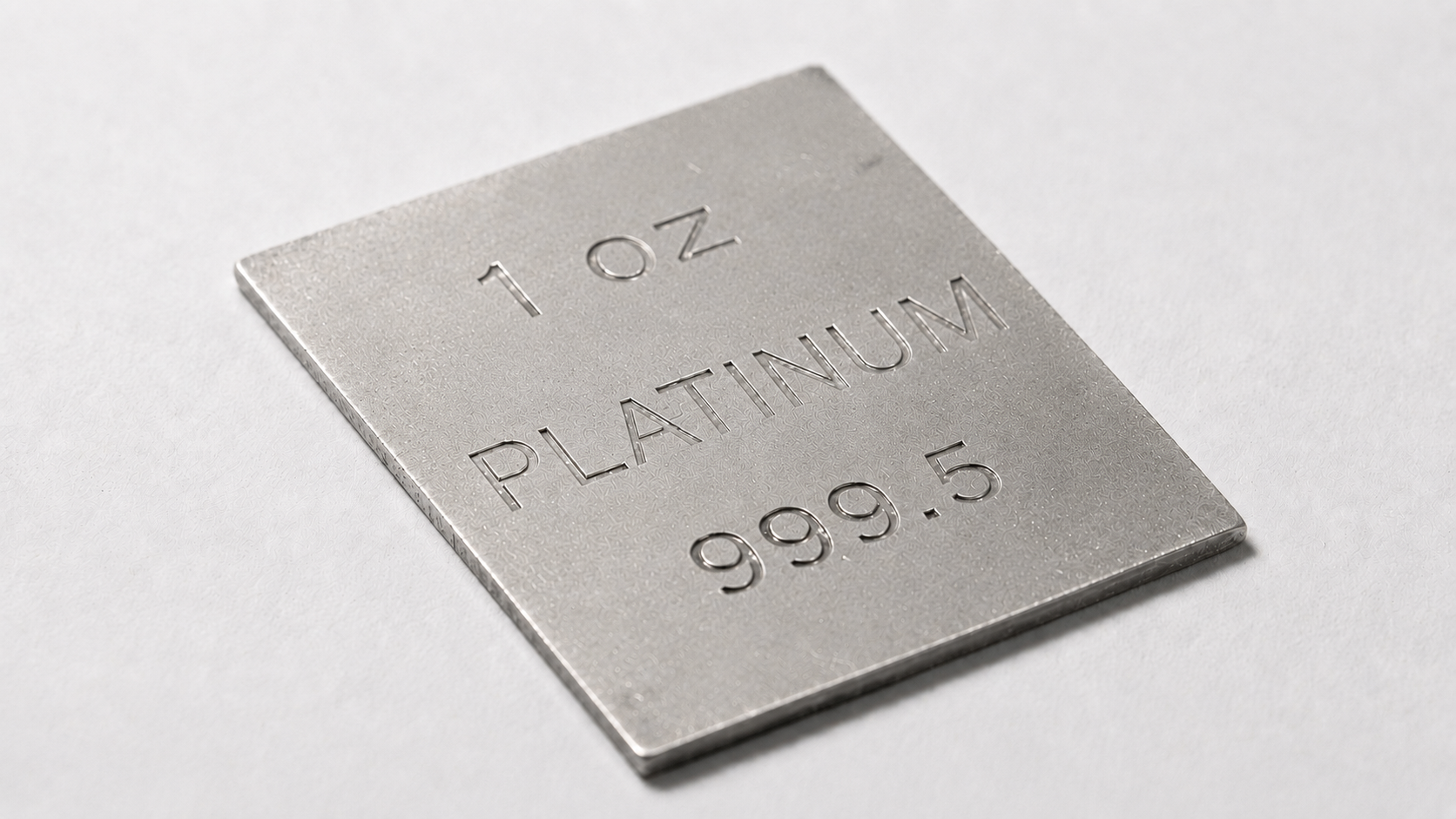
Platinum deficits average 339,000 ounces from 2027 as inventory releases mask limited mine supply and make project readiness central to valuation.
- The World Platinum Investment Council (WPIC) forecasts platinum deficits averaging 339,000 ounces per year, or 4% of demand, from 2027 through 2030, a window too short for a newly discovered mine to complete studies, permitting, financing, and construction.
- WPIC notes that roughly 750,000 ounces of combined exchange-traded fund (ETF) outflows and exchange stock reductions could push 2026 into a modest surplus, but this metal comes from existing inventories and adds no mine supply for the forecast deficits from 2027 through 2030.
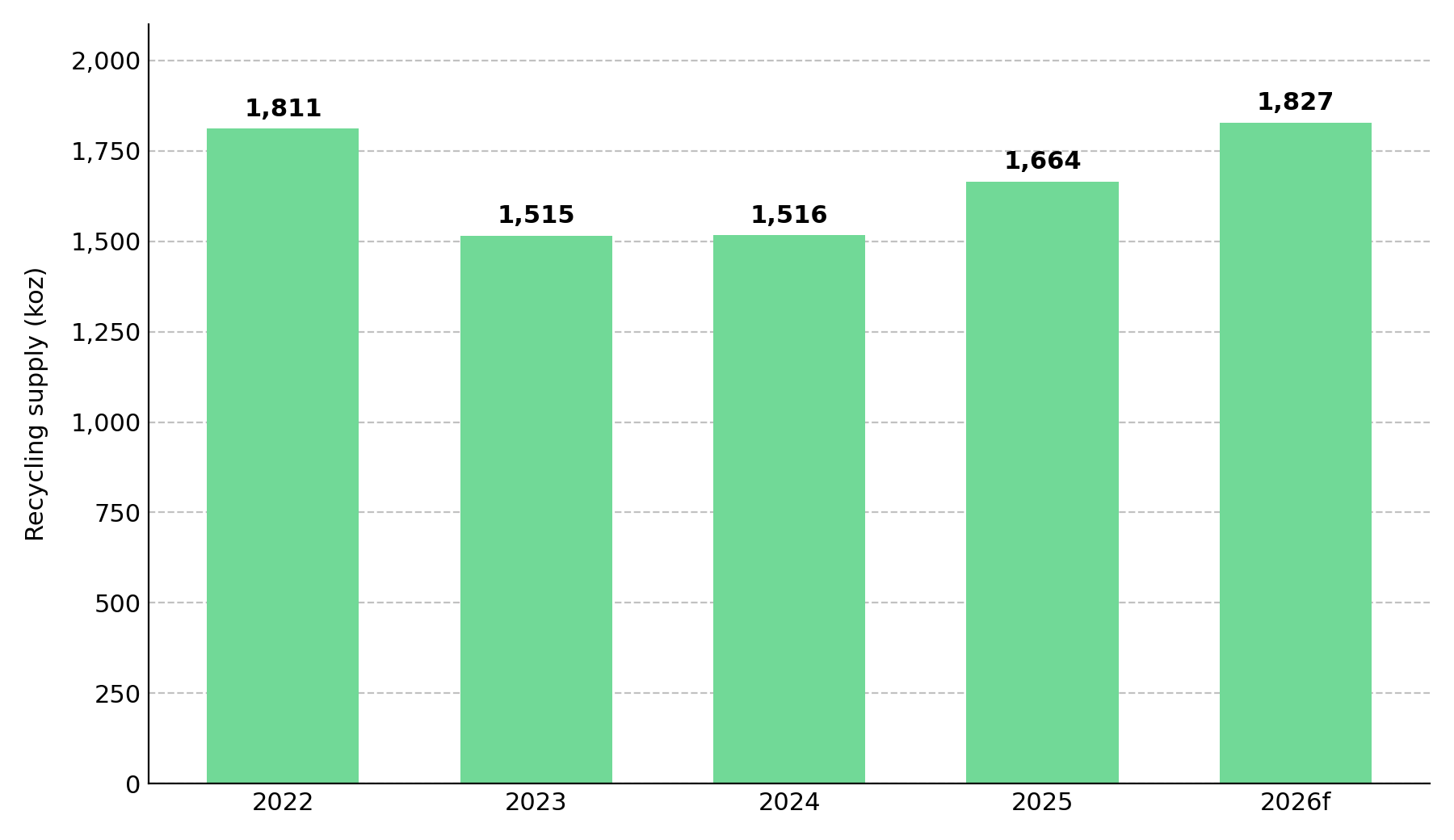
- Russian first-half 2026 platinum output fell 16% year over year to 281,000 ounces, while palladium output fell 14% to 1,199,000 ounces, with recovery not anticipated until 2028.
- Peer disclosures identify only five listed platinum group metals (PGM) development projects globally, concentrating the potential supply response to the 2027 to 2030 shortfall within assets that must still secure funding and complete studies, permitting, and construction.
- Exploration-stage valuations depend on funding, economic studies, and permitting progress because resource estimates alone do not establish whether a project can reach construction before the 2027 to 2030 shortfall.
Inventory Liquidation Could Create a 2026 Surplus Before Platinum Deficits Return
WPIC stated that combined year-to-date ETF outflows and New York Mercantile Exchange (NYMEX) stock reductions totaled approximately 750,000 ounces as of August 7, 2026, and could push the platinum market into a modest surplus in 2026, compared with its previous forecast for a 297,000-ounce deficit. Because any surplus would result from inventory liquidation rather than new mine supply, it would not rebuild above-ground stocks before WPIC’s forecast deficits averaging 339,000 ounces per year, or 4% of demand, from 2027 through 2030.
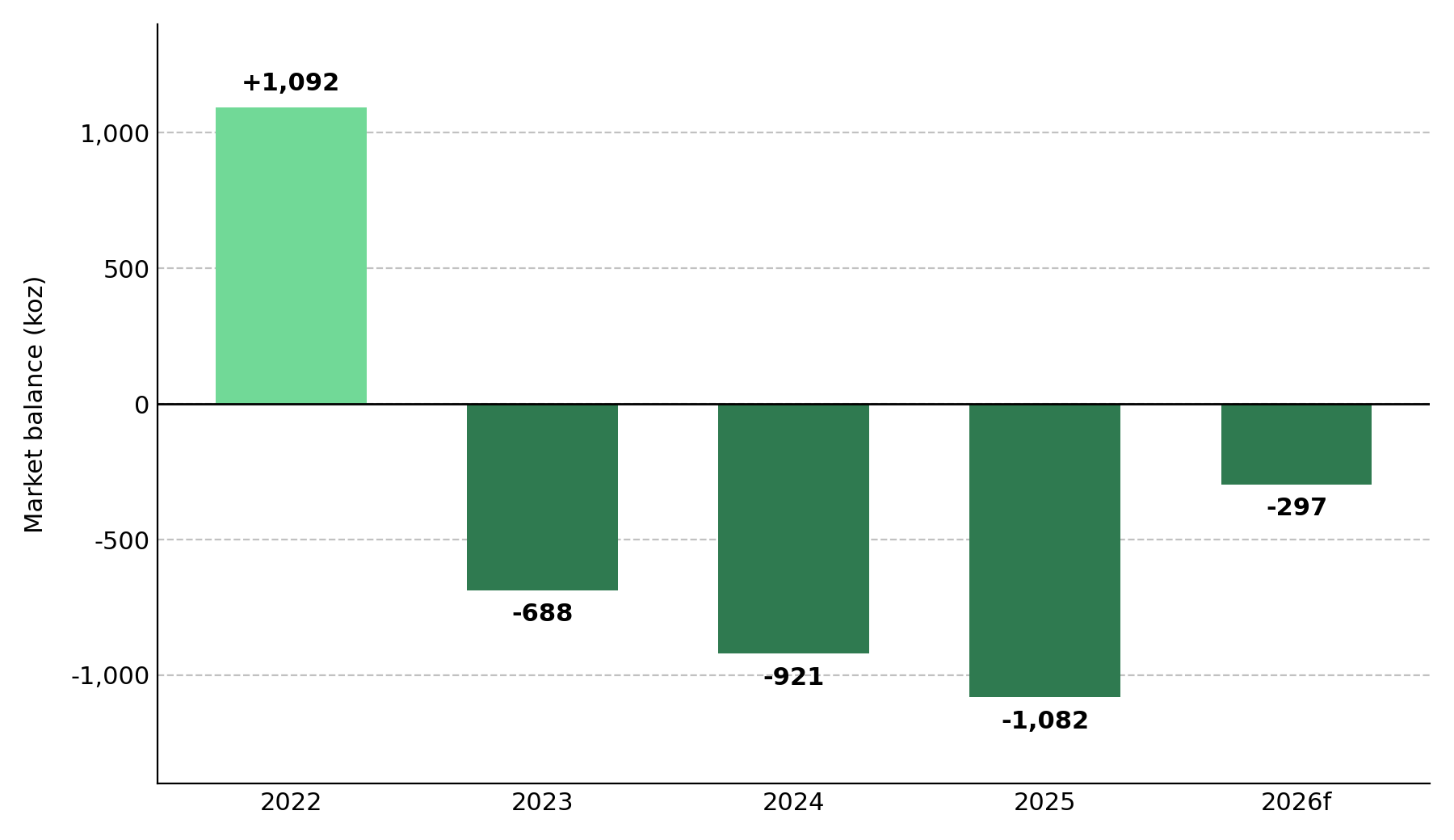
Spot platinum settled at $1,875.50 per ounce on August 26, 2026, up 40.12% year over year, even as inventory liquidation could leave the 2026 market near balance. Forecast deficits begin in 2027 and continue through 2030, while permitting, financing, and constructing a new platinum mine typically take most of a decade. Projects that have not started economic studies are therefore unlikely to add supply within the deficit window, concentrating the potential response among existing development assets.
Regional Production Constraints Limit PGM Supply Recovery Before 2027 Deficits Return
Nornickel reported first-half platinum and palladium output declines of 16% and 14%, respectively, with recovery not anticipated until 2028, limiting supply from a producer responsible for roughly 40% of global primary palladium. Valterra Platinum also lowered 2026 PGM guidance at Unki, while outstanding Zimbabwean export proceeds constrain reinvestment in a region that, with South Africa, supplies 60% of global mined PGMs. Northam Platinum’s unsolicited approach and subsequent competitive process suggest established producers may favor acquiring existing production over building new mines.
Heraeus reported that South African PGM mine supply rose approximately 12% year over year in the first half of 2026, while metal yield increased only 1.5%, indicating that the rebound reflects recovery from the flood-disrupted 2025 comparison period rather than additional annual capacity. Year-over-year growth could slow in the second half as this comparison effect fades, while scheduled maintenance could leave third-quarter refined supply below the mine-production trend.
South African Mine Development Costs Limit Platinum Supply Growth Despite a 40% Price Gain
Higher PGM prices have not produced new mines because elevated borrowing costs increase the required returns for capital-intensive projects. The South African Reserve Bank (SARB) held its policy rate at 7.00% in July after a 25-basis-point increase in May, while consumer price index (CPI) inflation reached 5.0%, the highest level since June 2024 and above the 3% target, limiting room for near-term rate cuts. South African 10-year government bonds yielded 8.605% on August 26, 2026, raising the discount rate applied to long-dated mine cash flows.
Greenfield platinum projects require years of permitting and construction before generating revenue, making their net present value (NPV) and internal rate of return (IRR) more sensitive to higher discount rates than those of producing assets. PGM producers earn revenue in US dollars but pay wages, electricity, reagents, and consumables in rand, so elevated domestic financing costs reduce how much additional cash from higher PGM prices can fund replacement mines.
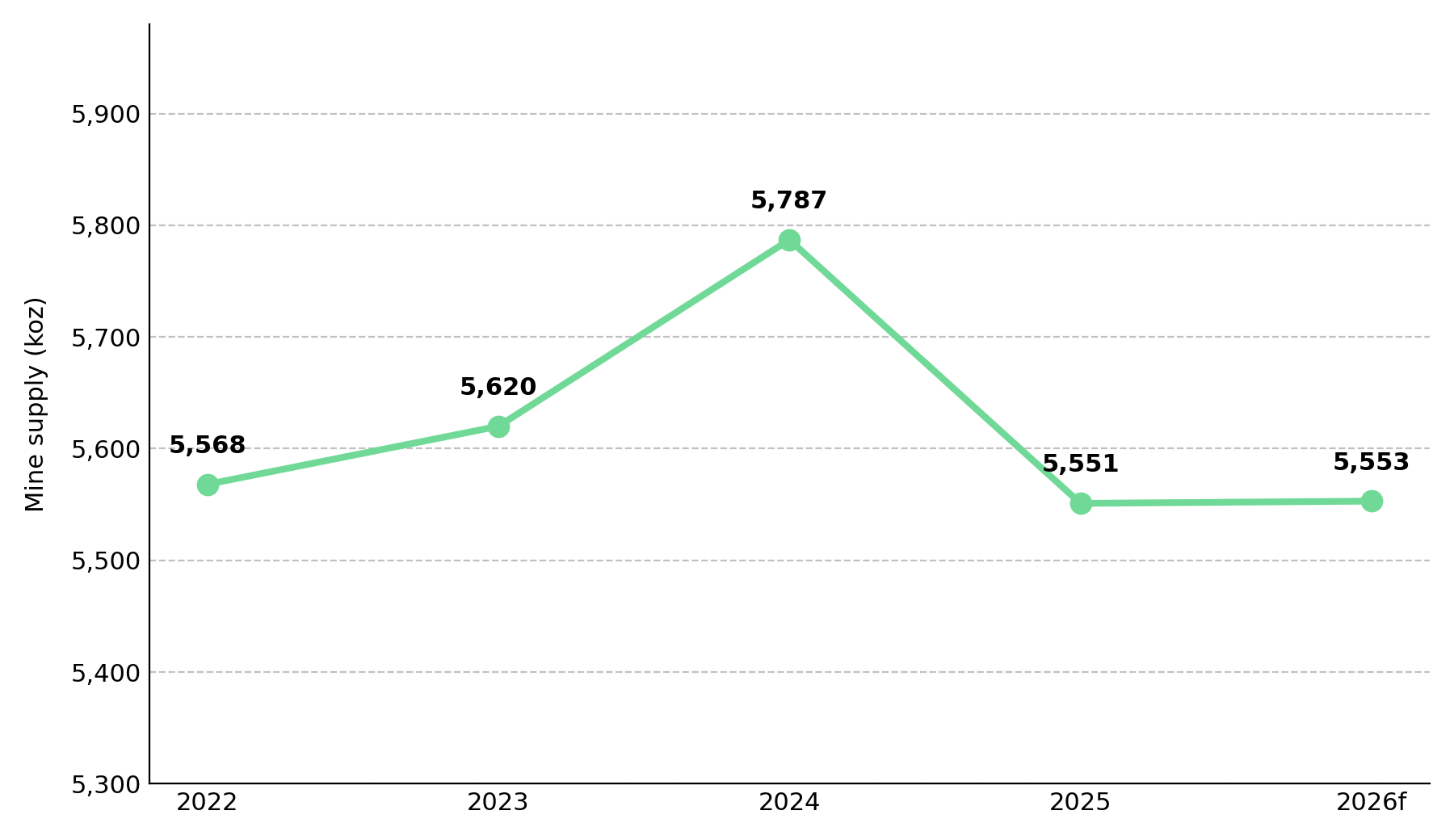
Approximately 90% of global PGM reserves are in South Africa, where several major platinum operations have closed or been suspended since 2016 and the remaining Bushveld Complex mines are predominantly deep underground, requiring costly development and high electricity use before production. These geological and operating constraints help explain why a 40.12% year-over-year platinum price gain has not increased mine supply, limiting the industry’s ability to close forecast deficits from 2027 through 2030.
Limited Mine Expansion Increases Reliance on PGM Projects Advancing Toward Production
With expansion at existing operations limited and Russian output declining, closing the 2027 to 2030 shortfall depends increasingly on projects not yet in production. Peer disclosures identify only five listed PGM development projects globally, with only two major greenfield PGM mines targeting near-term production. This limited pipeline concentrates potential new supply among a small group of pre-production assets, making economic studies, funding, permitting, and construction progress central to their market valuations.
ValOre Metals is advancing its 100%-owned Pedra Branca PGM project in Brazil toward a preliminary economic assessment in the fourth quarter of 2026, supported by ongoing metallurgical and engineering studies. The project hosts a 2.2-million-ounce inferred palladium, platinum and gold resource across seven near-surface zones, while five zones drilled in 2023 remain outside the 2022 estimate. The assessment is the key near-term catalyst because it would provide the project’s first economic framework and establish a clearer basis for market valuation within a limited global pipeline of PGM development assets.
Nick Smart, Chief Executive Officer of ValOre Metals, explains platinum’s supply decline amid continued demand growth:
“You’ve got real supply constraints in a space of continued demand. Primary mine production of platinum has been in decline in the last five years. That’s in the context of a metal price which has doubled over the course of the last year which tells you something about the inelasticity of supply and the difficulty of bringing new metals into the market.”
PGM Supply Concentration Drives US Efforts to Diversify Future Production
Presidential Proclamation 11001, issued January 14, 2026, directed negotiations over processed critical-mineral imports without imposing tariffs, while the US critical minerals list includes platinum, palladium, rhodium, ruthenium, and iridium. These measures add no near-term production but increase the policy relevance of PGM assets outside South Africa and Russia by aligning them with US efforts to diversify concentrated supply.
WPIC links precious metals pricing since 2025 to trade policy, technology, and commodity-security priorities, while PGM inclusion on national critical-minerals lists reflects concentrated supply and high industrial value. A platinum-to-gold correlation of 0.95 since the start of 2025 and a beta of 1.3 times indicate that platinum has closely tracked gold while recording larger price movements. Near-term platinum prices therefore reflect macro precious-metals flows, while long-term project valuations depend on whether assets can add supply during the 2027 to 2030 deficit window.
The Investment Thesis for Platinum Group Metals
- Forecast platinum deficits averaging 339,000 ounces per year from 2027 through 2030 fall within a window too short for newly discovered projects to complete studies, secure financing, obtain permits, and build a mine, concentrating the potential supply response among assets already in development.
- A potential 2026 surplus driven by roughly 750,000 ounces of ETF outflows and exchange stock reductions would redistribute existing inventory rather than add mine supply, leaving insufficient time to rebuild depleted above-ground stocks before forecast deficits resume in 2027.
- Russian first-half 2026 platinum output fell 16% year over year, while palladium output declined 14%, with recovery not anticipated until 2028, limiting a major source of additional PGM supply as forecast platinum deficits resume in 2027.
- South Africa’s 7.00% policy rate and 8.605% 10-year government bond yield raise discount rates for capital-intensive greenfield projects, helping explain why a 40% year-over-year increase in platinum prices has not increased mine supply.
- With only five listed PGM development projects globally and roughly 90% of reserves concentrated in South Africa, funded pre-production assets elsewhere provide one of the few potential routes to diversify future supply, making study completion, permitting, and construction progress central to valuation.
- A completed PEA can provide initial NPV, IRR, and AISC estimates for an exploration-stage project, while insufficient funding increases the risk of dilution, delays, and total capital loss before construction.
A modest platinum surplus in 2026 would not resolve the supply shortfall because roughly 750,000 ounces of ETF outflows and exchange stock reductions would move existing metal into the market without adding mine production. WPIC forecasts deficits averaging 339,000 ounces per year from 2027 through 2030, while Russian output recovery is not anticipated until 2028, high financing costs and deep geology limit new South African supply, and processing maintenance can reduce refined output. A 40% year-over-year platinum price gain has therefore not produced new mines, leaving only five listed PGM development projects as potential sources of additional supply. US critical-mineral policy increases the importance of projects outside South Africa and Russia because they could diversify future production. Producing assets offer current cash flow, while pre-production valuations depend on completed economic studies, secured funding, permitting progress, and a construction schedule capable of adding supply before 2030.
TL;DR
Platinum could record a modest surplus in 2026 as roughly 750,000 ounces move out of ETFs and exchange stocks, but this would redistribute existing metal rather than add mine supply. WPIC forecasts deficits averaging 339,000 ounces per year from 2027 through 2030. Russian recovery is not anticipated until 2028, while high South African financing costs, deep mines, and processing maintenance limit supply growth. A 40% platinum price gain has not produced new mines, leaving development timelines longer than the deficit window. Producing assets offer current cash flow, while pre-production valuations depend on economic studies, funding, permitting, and construction readiness.
FAQs (AI-Generated)
Analyst's Notes





Subscribe to Our Channel











Stay Informed


