




Quiulacocha Tailings: Cerro de Pasco Resources ESG & De-Risking Advantage


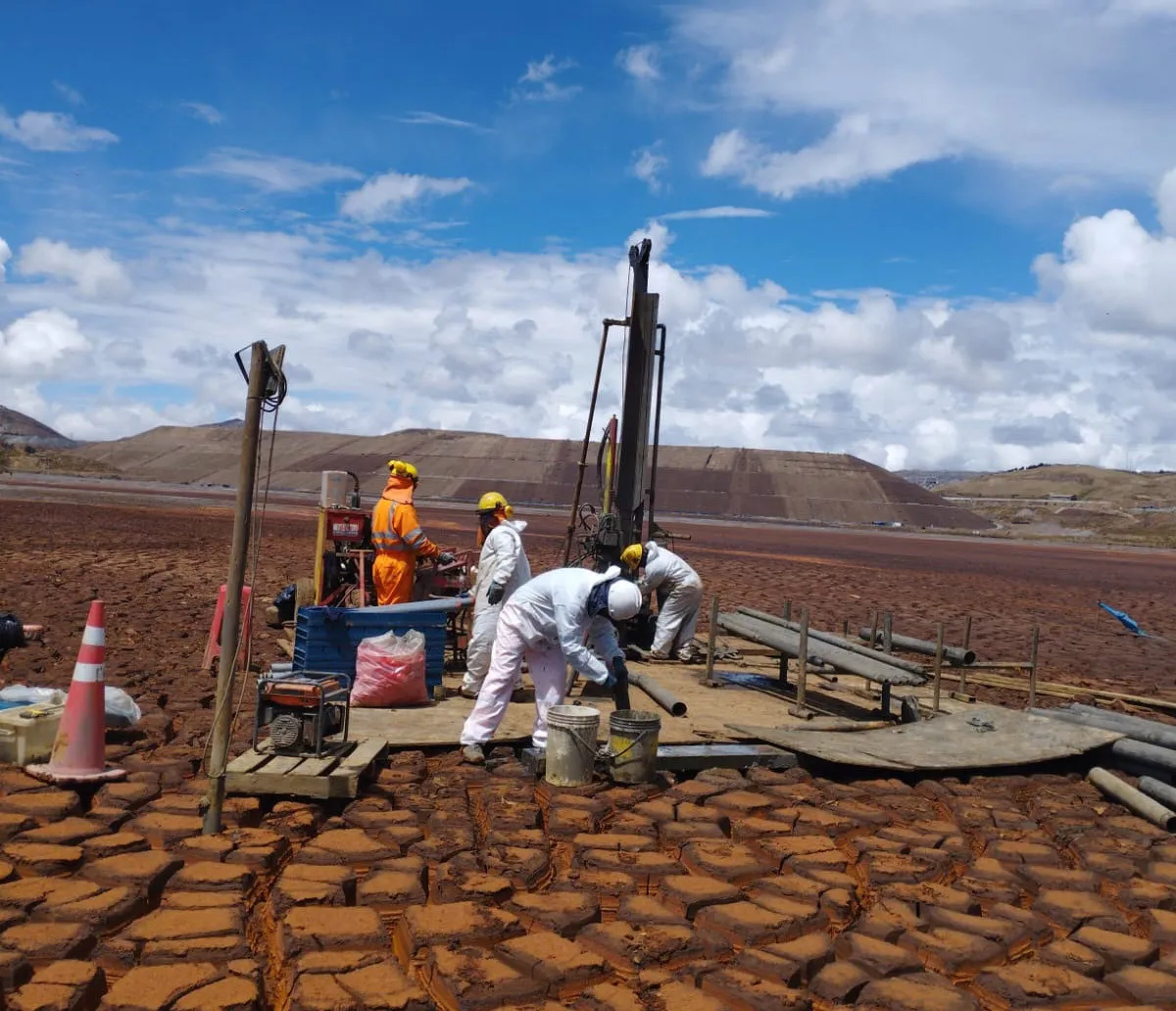
Cerro de Pasco Resources reprocesses 423Moz of Quiulacocha tailings, using low-capex pump-and-barge extraction, ESG remediation, and critical-minerals optionality.
- Reprocessing 423 million ounces of historic silver-equivalent tailings at Quiulacocha shifts Cerro de Pasco Resources away from conventional mining risk toward a low-capex, infrastructure-led development model.
- Electrically powered pump-and-barge extraction eliminates drilling, blasting, and heavy haulage, lowering mining costs to approximately $1 per tonne and modeling total operating expenditure at $10 per tonne.
- Regulatory progress includes a Supreme Resolution granting access to the El Metalurgista concession, with surface rights acquisition remaining as the primary outstanding permitting milestone.
- Metallurgical validation, Phase 2 drilling, and NI 43-101 resource compliance are the key technical milestones supporting potential re-rating and valuation growth.
- ESG remediation of acid-generating tailings and gallium/indium credits introduce environmental, social, and governance (ESG) and critical-minerals optionality alongside silver-polymetallic cash-flow potential.
Brownfield Tailings Reprocessing Reframes Development Risk
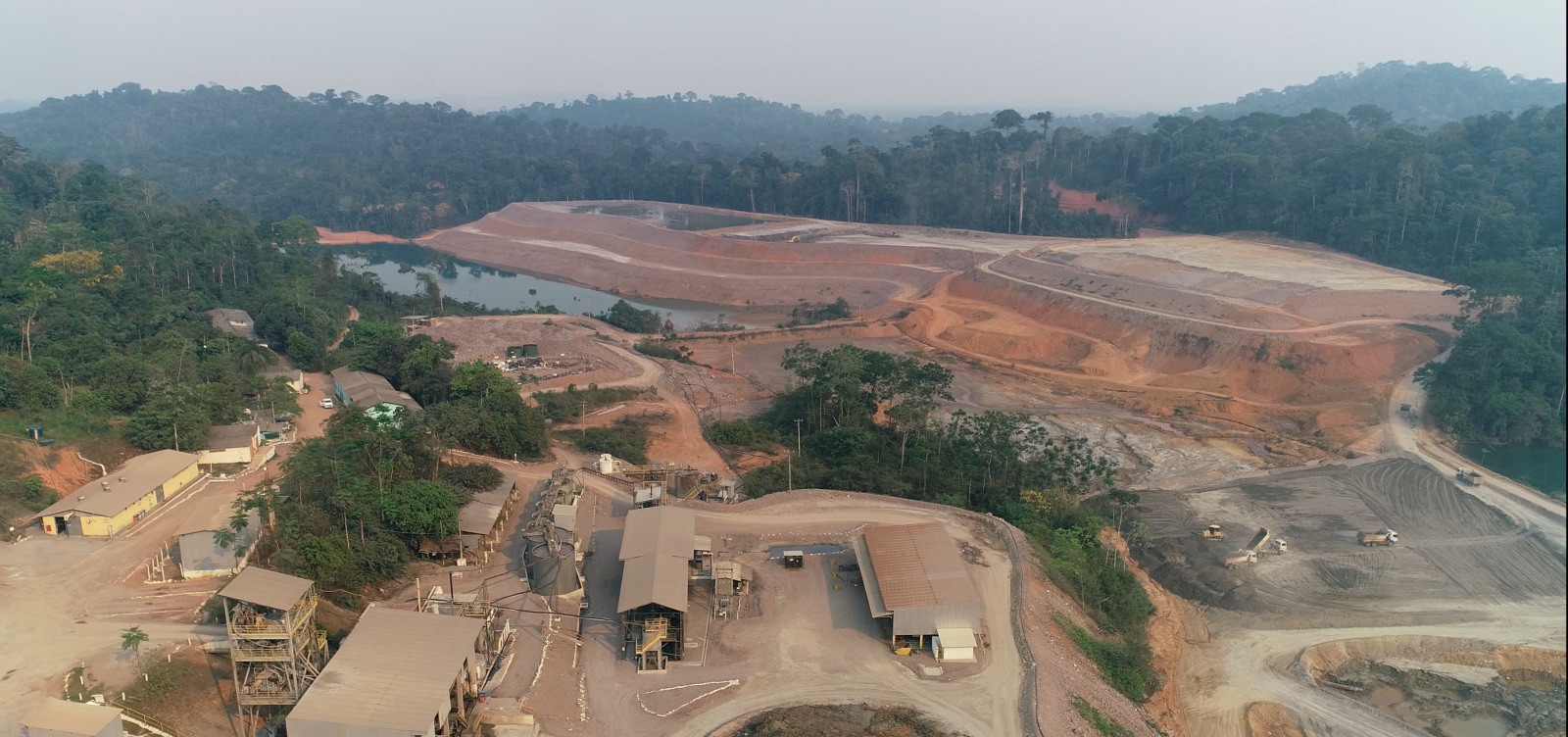
Early-stage mining equities typically trade at discounts reflecting permitting uncertainty, unproven metallurgy, financing gaps, and execution risk. However, at Cerro de Pasco Resources,, the Quiulacocha sulphide tailings facility in Cerro de Pasco, Peru, contains an estimated 423 million ounces (Moz) of silver equivalent above ground based on production records from 1906 to 1992. The material has already been mined and deposited, which removes geological discovery risk and lowers capital intensity compared with greenfield underground or open-pit mining, shifting investor focus to metallurgical recoveries, regulatory access, and operating cost validation required to convert a historical estimate into a feasibility-backed development case. The project’s acid-generating legacy tailings create an environmental obligation that the company’s reprocessing model positions as both a permitting advantage and a revenue driver through remediation-led urban mining that supports alignment with local communities and government stakeholders and may improve access to environmental, social, and governance (ESG) capital.
As Chief Executive Officer of Cerro de Pasco Resources, Guy Goulet, stated:
“We’re going to clean up the potential production of acid water, which is from the stockpile and these tailings. It’s a project we’re proud to do, it’s pro-social, pro-environmental, and we are very welcome in the community of Cerro de Pasco.”
Historical Risk Baseline at Quiulacocha
The Quiulacocha tailings facility reflects legacy constraints from decades of industrial mining, including acid water generation that historically represented an environmental liability and cost center, low-grade zinc, lead, and silver sulphide material with variable historical recoveries averaging 60% across metals, with zinc reaching 75%, a variability that introduced processing uncertainty, and partial location outside the El Metalurgista concession requiring government easements and surface rights that extended permitting timelines. Conventional mining methods in comparable settings carried extraction costs of $2 to $200 per tonne due to drilling, blasting, and haulage, limiting economic viability at scale. The company’s reprocessing model reframes these risks by targeting remediation-led value extraction using a low-impact slurry system that removes the need for blasting and trucking, aligning operational design with environmental mitigation.
In contrast to historical extraction methods and the company's reprocessing approach, Goulet noted:
“Let’s recall that mine was operated over the years very aggressively. There was dynamite, there was trucking, there was dust, and there was noise 24 hours a day. We’re going to eliminate all that.”
Technical & Regulatory De-Risking Progress
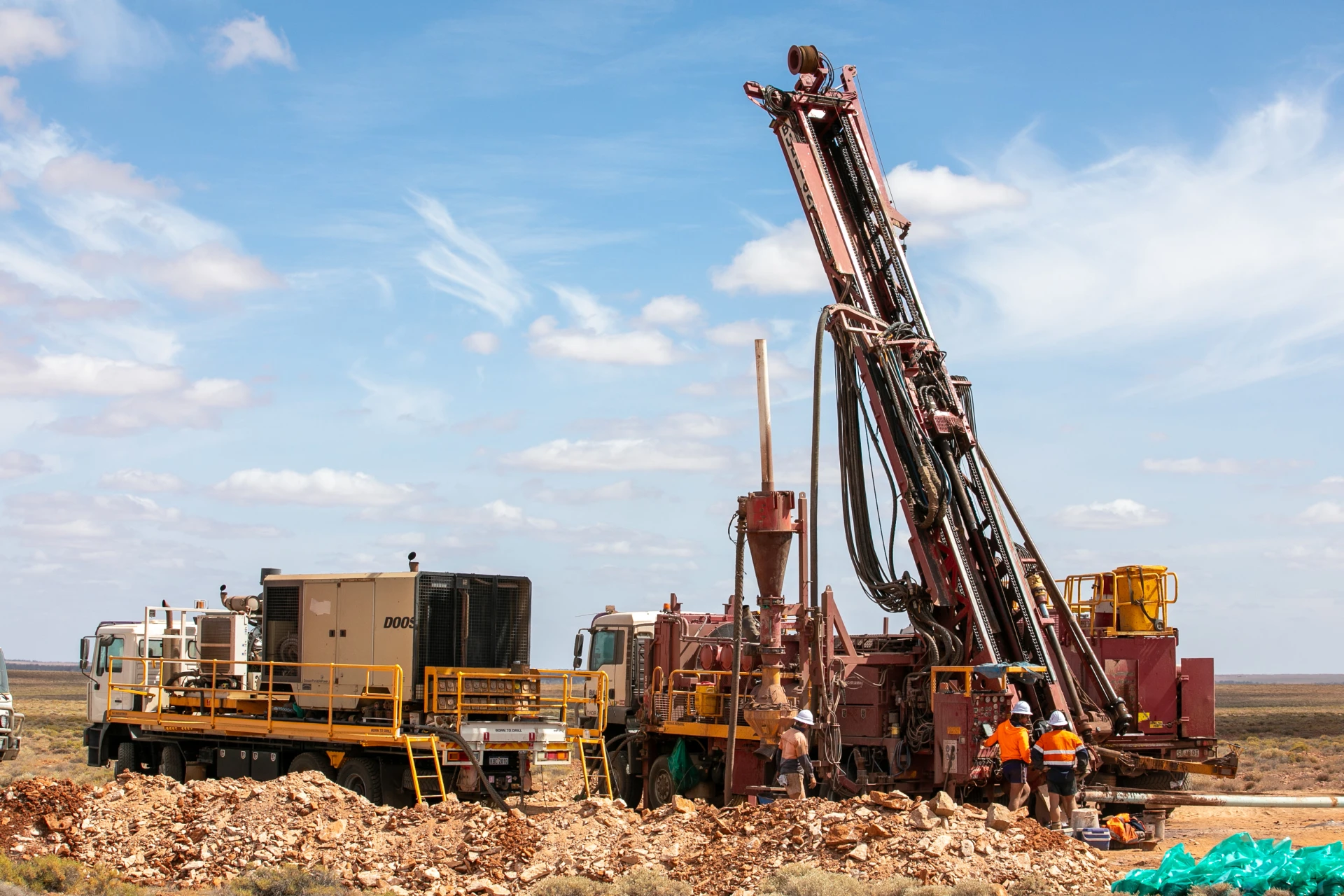
The company has advanced technical validation through compilation of monthly production records, followed by a Phase 1 program of 40 drilled and assayed holes confirming continuous mineralization with silver-equivalent grades of 5.5 oz per tonne and no gaps. Phase 1 drilling also identified polymetallic credits, including gallium averaging 53.2g per tonne with highs of 86g per tonne and indium averaging 19.9g per tonne. The shift to electrically powered pump-and-barge extraction removes drilling, blasting, and haulage, reducing mining cost to approximately $1 per tonne and supporting a modeled operating expenditure of $10 per tonne using adjacent third-party plants.
Regulatory risk has also reduced following the May 2024 Supreme Resolution granting drilling access to the El Metalurgista concession and completion of required National Bank payments, transitioning the project to legally sanctioned activity. Full development remains contingent on acquiring government-owned surface rights, the primary outstanding permitting milestone influencing schedule and capital planning, within a historic mining district where employment has declined from approximately 7,000 historically to about 400 today and where remediation-led development supports local economic alignment.
On community relations and the project's local economic impact, Goulet noted:
“We have a very good relationship with the community of Cerro de Pasco. We are welcome to create wealth back in Cerro de Pasco.”
Financial Structure & Low-Capex Deployment
The company leverages a low-capital expenditure (capex) model through pump-based extraction, eliminating stripping ratios and underground development costs. Base-case annual profit is estimated at $151 million over a 20-year mine life, totaling $3.2 billion, assuming 40% metallurgical recovery using adjacent processing plants at a silver price of $30 per ounce, while an upside scenario with a new dedicated facility and 70% recovery models $650 million per year, or $6.8 billion over the mine life. The base case assumes a processing rate of 3.6 million tonnes per annum, while the upside scenario models 7.2 million tonnes per annum.
The balance sheet supports ongoing development, with 607.6 million shares outstanding and a market capitalization of approximately $400 million. Following a $15 million financing last year, the company is deploying approximately $250,000 every two weeks toward the feasibility study while maintaining higher cash levels than post-financing. Operational design choices such as pump extraction, ESG remediation, and infrastructure reuse mitigate execution risk, lower the project's global silver-equivalent cost curves, and reduce community impact relative to conventional mining.
On the scale and strategic value of the asset underpinning this financial framework, Goulet emphasized:
“We own the mineral rights on what we expect to be the largest above-ground mineral resource on the planet. These tailings are the richest in the world.”
Remaining Technical & Regulatory Risks
Despite significant de-risking, Cerro de Pasco Resources faces several outstanding technical and regulatory milestones that affect execution and valuation. A modern NI 43-101 compliant resource is required to validate the current 423 Moz silver-equivalent estimate derived from historic production records, as institutional investors apply discounts to net present value (NPV) and internal rate of return (IRR) without verified reporting. Additional metallurgical test work is needed to confirm base-case 40% and upside 70% recovery rates across the polymetallic system, with samples preserved via immediate freezing to maintain original material integrity. Full-scale development also depends on acquiring government-owned surface rights, the primary remaining regulatory risk following the May 2024 Supreme Resolution. The transition from pilot extraction to 10,000 tonnes per day using third-party processing infrastructure, with an upside scenario of 20,000 tonnes per day contingent on the construction of a new dedicated facility, represents the primary execution risk at scale.
Tailings reprocessing projects benefit from known metallurgy, existing infrastructure, and defined material volumes, which generally lowers risk relative to greenfield mining. Investor valuation typically improves as projects progress from historic data to compliant resource estimates and feasibility studies, reducing discount rates on cash-flow models. Additionally, remediation-driven operations like Quiulacocha can accelerate permitting timelines by converting legacy environmental liabilities into ESG-aligned development advantages, generating governmental and community support not as readily available to conventional mining projects.
Near-Term Catalysts & Validation Milestones
The company has a series of near-term catalysts aimed at progressively reducing the discount on its historical resource base. Key milestones include a Phase 2 drilling program planned for 2026 targeting copper-silver-gold tailings zones to refine resource understanding and potentially expand valuation; formalization of additional government-owned tailings claims subject to surface rights approvals; and progression toward a feasibility study that would convert conceptual economics into an NI 43-101-compliant NPV and IRR framework, enabling institutional investors to apply standard valuation metrics.
The Investment Thesis for Cerro de Pasco Resources
- Above-ground tailings eliminate geological discovery risk and materially reduce capital intensity compared with conventional open-pit or underground mining, shifting investor focus to metallurgical recoveries, regulatory access, and operating cost validation.
- Pump-and-barge slurry extraction delivers a structurally low operating cost model, with total operating expenditure modeled at approximately $10 per tonne under base-case assumptions.
- ESG remediation converts legacy acid-generating tailings into a permitting and revenue advantage, supporting community alignment and potential access to ESG-focused institutional capital.
- Polymetallic credits, including gallium averaging 53.2 grams per tonne and indium averaging 19.9 grams per tonne, provide critical-minerals optionality and strategic supply potential, attracting government and institutional interest.
- Regulatory progress has materially reduced uncertainty, with a Supreme Resolution granting drilling access in May 2024 and surface rights acquisition as the final outstanding approval milestone.
- Feasibility study advancement, metallurgical validation, and Phase 2 drilling represent the next valuation inflection points, enabling conversion of historic estimates into a compliant NI 43-101 resource and standard NPV/IRR frameworks for institutional investors.
Cerro de Pasco Resources combines a low-capex, low-risk development model with ESG-aligned remediation, critical-metal optionality, and strong regulatory progress, positioning the Quiulacocha tailings project as a structurally advantaged investment in silver and polymetallic urban mining.
TL;DR
Cerro de Pasco Resources is advancing the Quiulacocha tailings project in Peru, converting 423 Moz of historic silver-equivalent material into a low-capex, pump-and-barge extraction operation that eliminates drilling, blasting, and haulage. Technical validation, including Phase 1 drilling and polymetallic recovery studies, combined with ESG-focused remediation, positions the project for regulatory support, community alignment, and critical-minerals optionality from gallium and indium credits. With a Supreme Resolution secured for El Metalurgista and surface rights as the remaining permitting milestone, near-term catalysts, including Phase 2 drilling and feasibility study progression, represent the primary milestones for institutional valuation re-rating, positioning Quiulacocha as a differentiated urban mining development case within the silver and polymetallic reprocessing segment.
FAQs (AI-Generated)
The Quiulacocha project in Cerro de Pasco, Peru, involves reprocessing 423 million ounces of historic silver-equivalent tailings from 1906-1992, turning legacy environmental liabilities into revenue while mitigating mining risk.
The company uses electrically powered pump-and-barge extraction, eliminating drilling, blasting, and heavy haulage, lowering mining costs to about $1 per tonne and total operating expenditure to $10 per tonne.
Primary milestones include metallurgical validation of base-case 40% and upside 70% recovery rates, Phase 2 drilling targeting copper-silver-gold zones, and NI 43-101 resource compliance to support institutional valuation.
Reprocessing acid-generating tailings addresses environmental obligations, aligns with community interests, and may improve access to ESG-focused institutional capital while accelerating permitting timelines.
The project has a Supreme Resolution granting drilling access to the El Metalurgista concession. Full development depends on acquiring government-owned surface rights, the primary remaining permitting milestone.
Analyst's Notes





Subscribe to Our Channel




Stay Informed






















