




Resource Nationalism Is Repricing Battery Metals


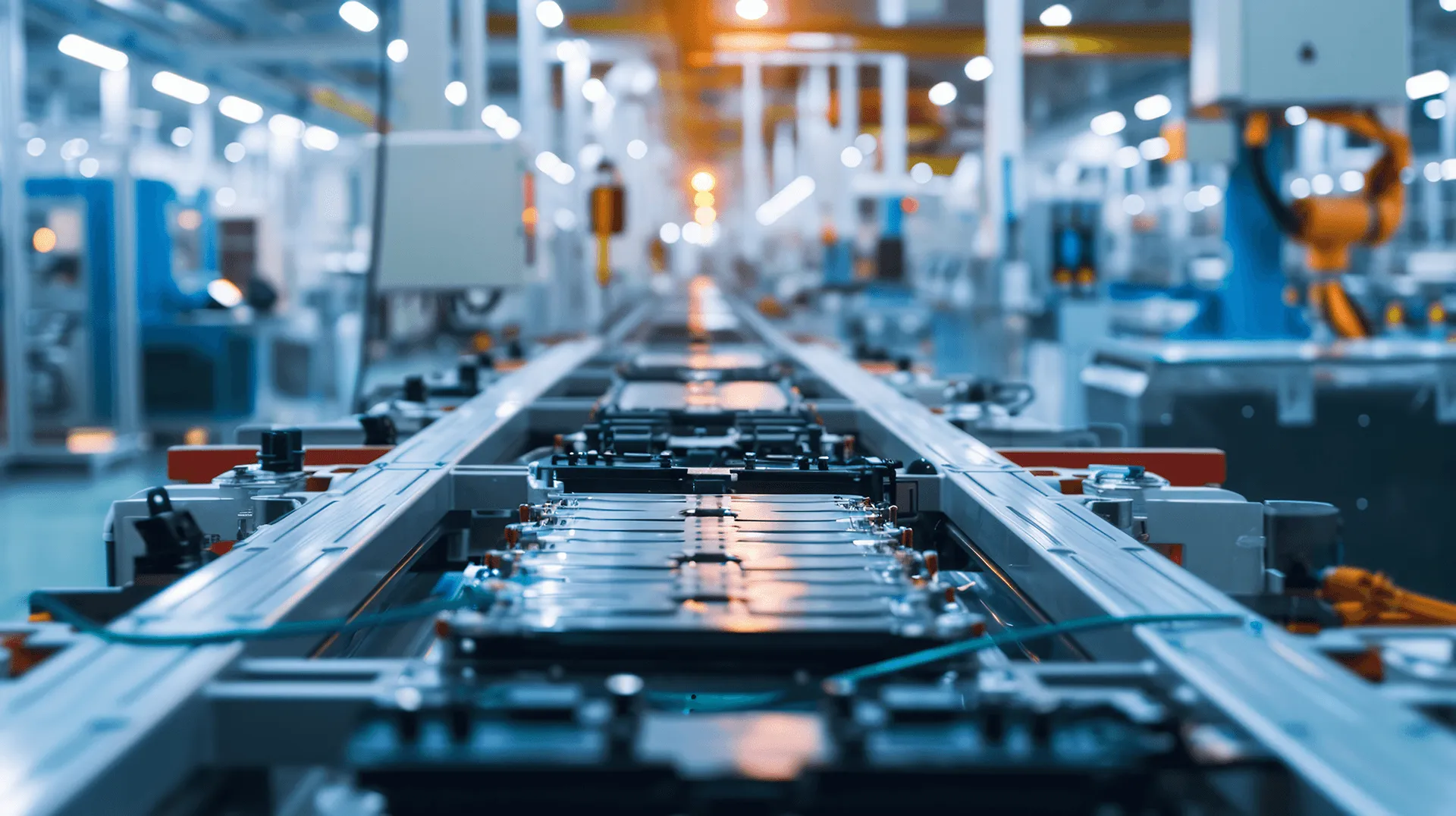
Resource nationalism is tightening battery metals supply chains, shifting investor focus toward geopolitics, cost curves, and processing capacity.
- Government intervention may change battery metals markets, with export bans, quotas, and industrial policy increasingly influencing lithium, nickel, cobalt, graphite, and rare earth supply.
- Zimbabwe's lithium export ban and Indonesian nickel quotas illustrate a growing trend of resource nationalism, tightening supply chains and introducing volatility across global battery materials markets.
- Western governments are responding with coordinated financing, strategic stockpiles, and friend-shoring policies, mobilizing over $30 billion in financing commitments to secure allied supply chains.
- Advanced-stage developers aligned with policy-driven supply chains illustrate how geopolitics is shaping project economics and capital flows across the battery metals sector.
Resource Nationalism Is Reshaping Battery Metals Supply Chains
Over the past decade, battery metals markets were primarily driven by technology adoption curves, particularly electric vehicle growth. Increasingly, however, the defining factor is policy intervention. Governments controlling mineral supply are shifting from volume maximization toward value capture and domestic industrialization, and export bans, quotas, and downstream processing requirements are now common across lithium, cobalt, nickel, and rare earth supply chains.
Zimbabwe's recent suspension of lithium concentrate exports, representing roughly 10% of global lithium mine supply, is a clear example. The policy aims to force investment into domestic refining capacity rather than exporting unprocessed material. This mirrors moves by the Democratic Republic of Congo, which implemented cobalt export quotas to stabilize prices, and Indonesia, which continues to enforce nickel ore export restrictions while tightening mining quotas.
These interventions represent a shift in commodity pricing frameworks, where political decisions increasingly determine supply availability and direct capital flows. The implications extend across the entire battery metals ecosystem, from lithium carbonate markets to downstream graphite anodes and rare earth magnets.
Lithium Export Controls & Supply Chain Fragmentation
Lithium markets have experienced sharp price volatility in recent months, reflecting the tension between structural demand growth and supply chain disruptions. Zimbabwe's export ban triggered a 5.4% spike in lithium carbonate futures, highlighting how sensitive battery supply chains remain to geopolitical decisions even when global supply appears adequate on paper.
While lithium supply expanded rapidly between 2022 and 2024, the new policy cycle suggests that future supply growth may increasingly depend on domestic processing mandates. Countries rich in critical minerals are seeking to capture more value domestically through midstream refining and battery material production. Export restrictions designed to promote domestic processing, government enforcement against illicit mining and smuggling, and strategic investments in national battery supply chains are converging to tighten available supply.
These policy decisions introduce supply elasticity constraints, particularly when combined with long project development timelines. A new lithium mine typically requires seven to ten years from discovery to production, meaning policy shocks can have prolonged market impacts. This reinforces the importance of jurisdictional diversification and project readiness when evaluating battery metals exposure.
Nickel Markets Enter a Policy-Managed Supply Environment
Nickel provides a parallel example of how government decisions are reshaping commodity market structure. Indonesia, which now accounts for over 60% of global nickel supply, has introduced stricter mining quotas and regulatory controls designed to stabilize prices and capture downstream value. The result is an emerging policy-managed price corridor, where governments aim to balance fiscal revenue with global market share.
Nickel prices have recently stabilized within the $16,750 to $18,750 per tonne range, reflecting expectations of tighter supply discipline. The geopolitical concentration of Indonesian supply has prompted Western governments to prioritize sulphide deposits in allied jurisdictions, which typically produce battery-grade Class 1 nickel with lower emissions intensity than laterite-derived nickel pig iron.
Canada Nickel is advancing the Crawford Nickel Sulphide Project in Ontario, Canada. With over 1.7 billion tonnes of proven and probable reserves, Crawford ranks among the largest undeveloped nickel resources globally. Engineering studies indicate an after-tax net present value (NPV) of approximately $2.8 billion, an internal rate of return (IRR) of roughly 17.6%, and C1 cash costs near $0.39 per pound, placing the project in the first quartile of the global cost curve.
Mark Selby, Chief Executive Officer of Canada Nickel, frames the shift in market dynamics directly:
“We've seen a real fundamental shift in Indonesia moving from a big overhang on the market to becoming supportive, in terms of maximizing value as opposed to maximizing volume.”
Western Governments Mobilize Capital to Secure Critical Minerals
While producer countries tighten supply, consuming economies are responding with coordinated industrial policy and financing support. The 2026 Critical Minerals Ministerial, attended by representatives from 54 countries, represents one of the most coordinated multilateral efforts yet to diversify global mineral supply chains. Policy tools now shaping mining investment include export credit agency financing, strategic mineral stockpiles, domestic processing subsidies, and bilateral mineral supply agreements. The United States alone has mobilized more than $30 billion in financing commitments across the critical minerals sector.
For developers, government alignment can materially improve project bankability. Export credit agencies and development finance institutions increasingly provide anchor financing, reducing reliance on equity capital markets and compressing the effective cost of capital for qualifying projects. This creates a meaningful valuation differential between projects that are policy-aligned and those that are not.
Policy-Aligned Nickel Projects Attract Strategic Capital
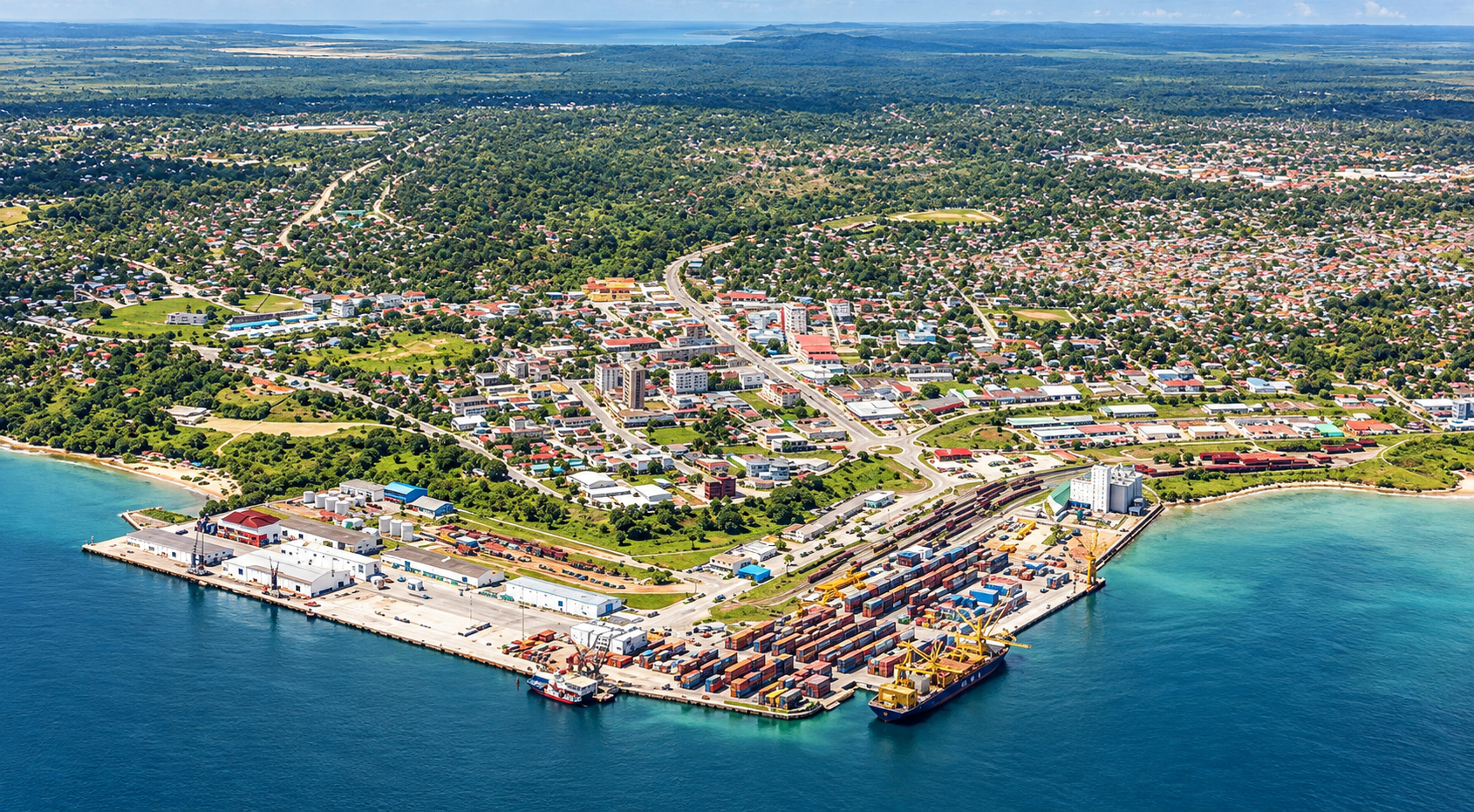
Lifezone Metals is advancing the Kabanga nickel deposit in Tanzania, widely regarded as one of the highest-grade undeveloped nickel assets in the world. The project's feasibility study indicates an all-in sustaining cost (AISC) of approximately $3.36 per pound net of byproduct credits and an IRR of roughly 23%. Infrastructure improvements in Tanzania, including improved rail connectivity and grid power access, have materially reduced historic development risks.
Ingo Hofmaier, Chief Financial Officer of Lifezone Metals, frames the supply context:
"Nickel is considered a very critical material for the US in the energy space, and also from a supply chain criticality perspective. If the development continues in Indonesia, you could see 75 to 80% of global production concentrated there."
Processing Infrastructure & the Real Supply Bottleneck in Rare Earths
While upstream mining projects attract significant capital attention, the true constraint in many critical minerals markets lies downstream. Rare earth elements illustrate this dynamic clearly. China currently controls roughly 70% of global rare earth mining, more than 90% of processing capacity, and nearly all magnet manufacturing supply chains. Building new separation facilities outside China is technically complex and heavily regulated, with permitting timelines that can extend five to ten years, particularly when radioactive materials such as monazite are involved.
Existing facilities capable of processing rare earth feedstock therefore command a significant strategic premium. Energy Fuels operates the White Mesa Mill in Utah, the only facility in the United States currently capable of processing monazite into separated rare earth oxides.
Integrated Rare Earth Processing Creating Strategic Value
Expansion plans aim to produce neodymium-praseodymium (NdPr), dysprosium, and terbium, heavy rare earths essential for high-performance permanent magnets used in electric vehicles, wind turbines, and defense technologies.
Mark Chalmers, Chief Executive Officer of Energy Fuels, articulates the integration rationale:
“To really compete with China, you have to have all those steps. You can’t be missing a step in the middle of it. So we’ve been very focused on integration, at least through alloys.”
Processing infrastructure, rather than raw mineral supply, may ultimately determine pricing power within the rare earth market. Speed of development, proven processing capability, and regulatory authorization are factors that cannot be replicated quickly, creating durable competitive advantages for facilities already in operation.
Multi-Commodity Projects & Cost Curve Positioning
Beyond lithium and nickel, other battery materials are subject to supply chain concentration risks that are beginning to attract institutional attention. Natural graphite remains essential to all lithium-ion battery chemistries, including lithium iron phosphate formulations. China currently processes around 75% of global graphite supply, creating strategic vulnerability for Western battery manufacturers seeking to qualify non-Chinese material for production lines.
Multi-commodity deposits can mitigate concentration risk by diversifying revenue streams and improving project economics through byproduct credits. Sovereign Metals is advancing the Kasiya Rutile-Graphite Project in Malawi, which hosts the largest known rutile resource globally and ranks as the second largest natural graphite deposit. Pre-feasibility study estimates indicate a pre-tax NPV of approximately $2.3 billion, an IRR of around 27%, and average annual production of roughly 222,000 tonnes of rutile and 233,000 tonnes of graphite.
Ben Stoikovich, Chairman of Sovereign Metals, highlights the cost positioning:
“Our incremental cost to produce a ton of graphite as a byproduct from the Kasiya project will only be $241 per ton. When you look at the industry cost curve, we’re at the very bottom.”
Saprolite-hosted mineralization allows free-dig mining methods, reducing operating costs relative to hard-rock deposits. Rio Tinto holds a 19.9% strategic stake in Sovereign Metals, providing a meaningful signal of institutional validation. Projects combining multiple strategic commodities may attract stronger interest from Western industrial offtakers and government-backed financing programs precisely because they reduce single-metal dependency across battery supply chains.
The Investment Thesis for Battery Metals
- Exposure to deglobalization and supply chain restructuring is creating sustained demand for politically stable, allied-jurisdiction mining assets, as Western economies reduce reliance on Chinese-controlled processing and resource-nationalist producer governments.
- Jurisdictions offering regulatory stability, permitting transparency, and government financing support, including Canada, the United States, Australia, and select African nations with bilateral agreements, are attracting disproportionate institutional capital relative to their share of global reserves.
- Favorable cost structures in the first quartile of global cost curves provide margin durability within policy-managed price environments, where producer governments are increasingly coordinating supply to maintain price floors.
- Development timelines aligned with the 2026 to 2030 battery supply ramp are particularly relevant, as projects entering production within that window stand to benefit from demand growth driven by electric vehicle penetration and grid storage deployment.
- Processing infrastructure scarcity in rare earths and graphite creates strategic valuation premiums for existing facilities, which cannot be replicated quickly due to technical complexity, permitting timelines, and regulatory requirements.
- Multi-commodity projects with byproduct economics provide revenue diversification that reduces single-metal exposure risk, improving project resilience across commodity price cycles.
- Advanced-stage developers with completed feasibility studies, defined permitting pathways, and visible financing structures are likely to attract institutional capital ahead of production, as capital markets increasingly price execution certainty over resource scale alone.
Battery metals markets are entering a phase where policy decisions shape supply availability and investment flows as directly as ore grade or production costs. Export bans, quota systems, and industrial policy are transforming minerals from purely economic commodities into strategic geopolitical assets, and the analytical framework investors apply must reflect that reality.
Commodity cycles alone no longer determine project success. The key differentiators increasingly include jurisdictional stability, supply chain alignment with allied economies, downstream processing capability, and access to government-backed financing. Projects capable of navigating all four dimensions are likely to define the next generation of battery metals supply.
Understanding the geology, policy, and capital markets may therefore represent the most durable analytical edge available in the critical minerals sector over the coming decade. The structural shift underway is not cyclical, it is a reconfiguration of how mineral supply chains are owned, financed, and managed at the level of sovereign strategy.
TL;DR
Battery metals markets are shifting from purely demand-driven cycles to policy-driven supply chains. Governments controlling key minerals are using export bans, quotas, and industrial policy to capture more value domestically, while Western economies are responding with financing programs and strategic supply chain partnerships. This dynamic is tightening supply, increasing volatility, and reshaping how investors evaluate mining projects. Assets in stable jurisdictions with first-quartile costs, policy alignment, and downstream processing capability are increasingly attracting institutional capital, while projects tied to geopolitically concentrated supply chains face higher risk. The critical question is no longer just resource size, but whether a project sits at the intersection of geology, geopolitics, and financing visibility.
FAQs (AI generated)
Resource nationalism refers to governments restricting exports or imposing quotas to capture more value from their mineral resources. Examples include Zimbabwe banning lithium concentrate exports and Indonesia limiting nickel supply. These policies tighten global supply chains and shift pricing power toward producing countries. For investors, this means commodity markets are increasingly influenced by political decisions rather than just supply-demand fundamentals, creating both risks and opportunities.
Lithium and nickel markets are being affected by both rapid demand growth from electric vehicles and government intervention in supply chains. Export bans, mining quotas, and domestic processing mandates restrict supply flexibility, which can cause sharp price moves even when global production appears sufficient. Because new mines typically take 7-10 years to develop, these policy changes can have long-lasting effects on pricing and investment cycles.
Countries such as the United States, Canada, and Australia are responding with coordinated industrial policy. This includes financing through export credit agencies, subsidies for processing infrastructure, and strategic partnerships with allied nations. More than $30 billion in financing commitments have already been mobilized. These policies are designed to reduce reliance on Chinese-controlled supply chains and support the development of new projects in politically stable jurisdictions.
In many critical mineral markets, the challenge is not mining but processing capacity. Rare earths are a clear example: China controls the vast majority of separation and magnet manufacturing infrastructure. Building new processing facilities outside China can take five to ten years due to regulatory and technical challenges. As a result, existing facilities capable of refining critical minerals often command strategic premiums and may capture disproportionate value in the supply chain.
Investors are increasingly prioritizing projects with first-quartile cost structures, stable jurisdictions, and strong financing pathways. Assets that align with Western supply chain policies or offer multi-commodity exposure can also attract stronger institutional capital. Rather than focusing solely on resource size, investors are evaluating whether a project can realistically reach production within the 2026-2030 battery demand window and integrate into evolving geopolitical supply chains.
Analyst's Notes





Subscribe to Our Channel










.png)


Stay Informed



