Santacruz Silver Targets Strong Comeback as Bolivar Recovery Gains Momentum


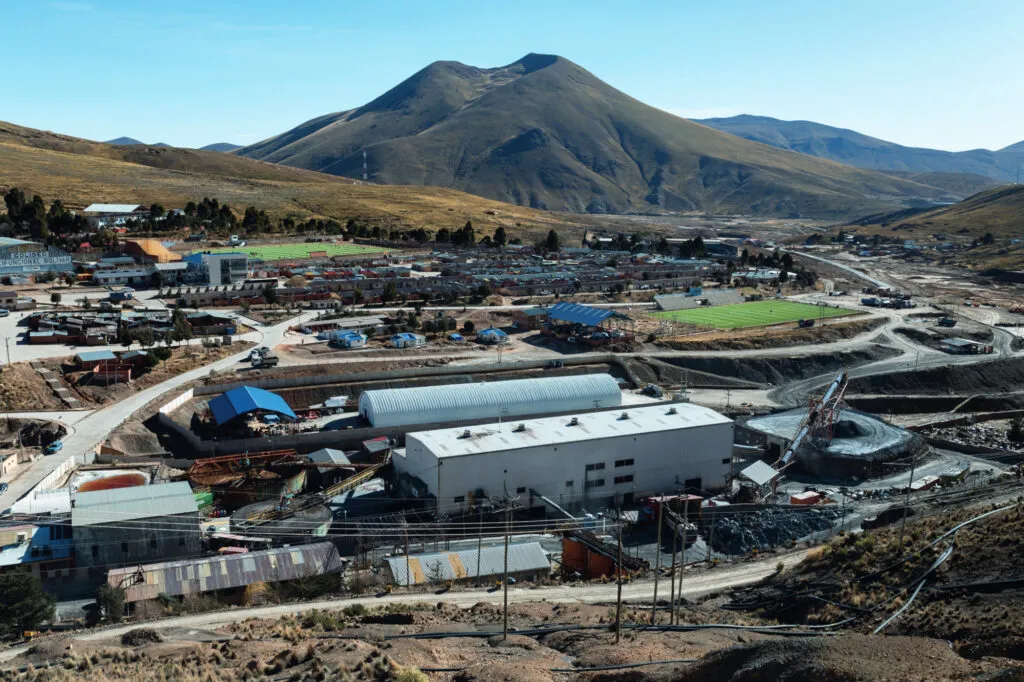
Santacruz Silver is recovering Bolivar output, advancing Soracaya, and deploying cash via TSX uplisting and buybacks - all against a structurally supply-deficit silver market.
- Santacruz Silver reported Q1 2026 production of approximately 2.3 million silver equivalent ounces, including 1.3 million ounces of pure silver, 21,000 tonnes of zinc, and smaller quantities of lead and copper, with strong revenue growth driven by higher silver prices and improving operations.
- The dewatering program at the Bolivar mine in Bolivia is the company's most critical near-term operational priority, with management targeting a full return to budgeted silver output by Q4 2026 as the Pomabamba and Nane veins are progressively brought back online.
- Bolivia has experienced 36+ days of political unrest linked to tensions between President Arce and former President Evo Morales, but Santacruz reports no interruptions to its operations, citing pre-positioned consumable inventories and a rail-based concentrate export system (80–85% of shipments) as key buffers.
- The company plans to graduate from the TSXV to the TSX main board within weeks, followed by a share buyback program, reflecting management's view that the current share price materially undervalues the company's fundamentals.
- Soracaya, a brownfield development asset in Bolivia with approximately 75% silver production profile, is advancing through permitting and represents the company's primary medium-term growth vehicle alongside Bolivar's recovery.
Santacruz Silver Mining (TSXV:SCZ) is a mid-tier precious and base metals producer operating mining assets across Mexico and Bolivia, with an integrated ore-sourcing and trading business known as San Lucas. In a recent interview, CEO and Executive Chairman Arturo Prestamo outlined Q1 2026 results, operational strategy, balance sheet deployment, and a forward-looking picture of what the company may look like by 2027. For investors seeking silver exposure with diversified revenue streams, the discussion offered meaningful insight into how management thinks about growth, risk management, and capital allocation.
Q1 2026 Production: Solid Foundation, Improving Trajectory
Santacruz reported Q1 2026 production of approximately 2.3 million silver equivalent ounces, comprising roughly 1.3 million ounces of pure silver, approximately 21,000 tonnes of zinc, and smaller contributions from lead and copper. Management described the quarter as "very strong financially" and indicated that silver production increased quarter-over-quarter from Q4 2025, with a further increase expected in Q2 2026.
The improvement is being driven primarily by the ongoing dewatering campaign at the Bolivar mine in Bolivia, where accumulated water in the Pomabamba and Nena vein areas has constrained silver output. As those areas are progressively drained, budgeted silver volumes are beginning to flow through.
Bolivar: The Most Consequential Near-Term Variable
Bolivar is Santacruz's largest producing asset in Bolivia and the single most important operational variable in the near term. Management is targeting a full return to budgeted production levels - approximately 50,000 silver ounces per month from the Pomabamba and Nena veins alone - by Q4 2026. The dewatering process is being monitored on a daily basis, and Prestamo made clear that cost reduction at Bolivar is directly tied to resolving the water situation, which has elevated per-tonne mining costs relative to what the asset should generate.
Prestamo was direct on the centrality of this effort:
"The dewatering process is very important. It is costing us more to mine at Bolivar."
Bolivia's Political Environment: Operational Disruption Remains Limited
Bolivia has experienced more than five weeks of civil unrest stemming from a confrontation between current President Luis Arce and former President Evo Morales. The unrest has been concentrated in La Paz and has led to road closures and logistical disruptions in parts of the country.
Santacruz's operations are based in Potosí and Oruro, regions that have remained largely unaffected. Management has pre-positioned consumables inventories across its producing assets and routes approximately 80–85% of concentrate shipments by rail rather than road, providing a degree of insulation against surface transport interruptions. The company reports that operations have remained on budget throughout the period.
Importantly, management confirmed that no changes have been made to Santacruz's joint venture agreements with COMIBOL, Bolivia's state mining company, which underpin its operating licences at both Bolivar and Porco. The unrest is characterised as a political dispute between rival factions rather than a policy or regulatory threat to foreign mining operations.
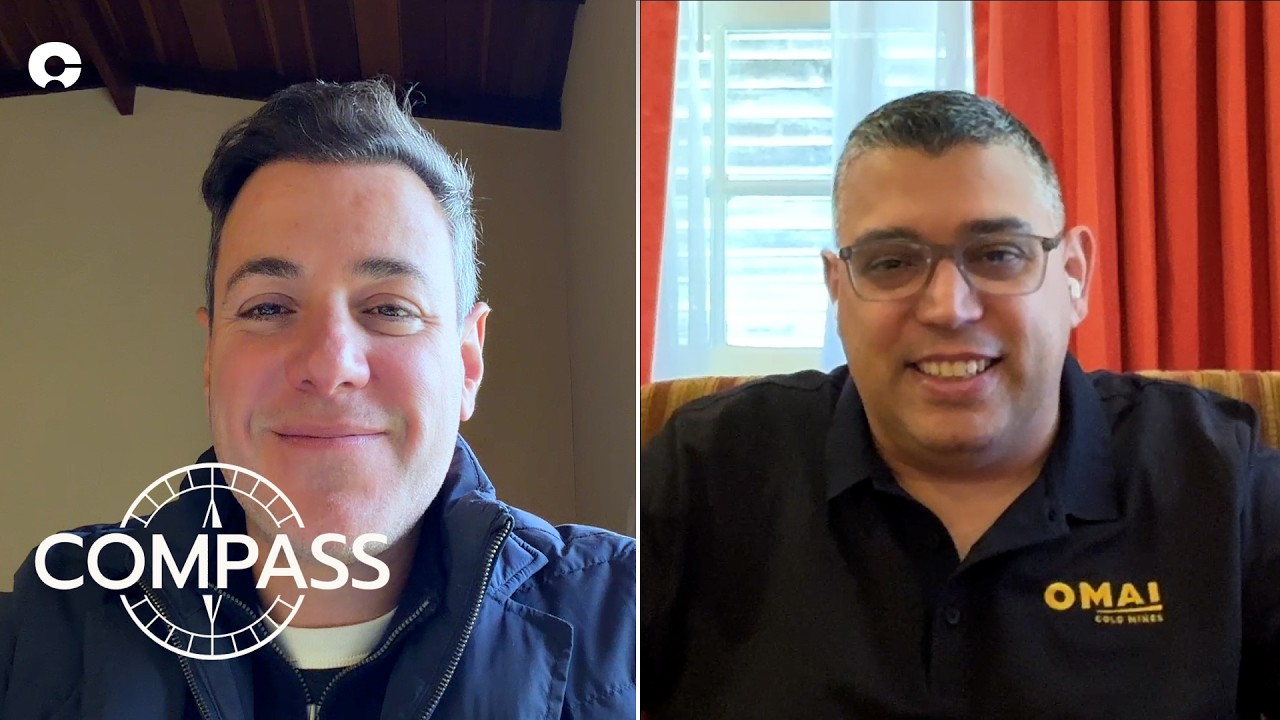
Interview with Arturo Préstamo Elizondo, Executive Chairman & CEO of Santacruz Silver Mining
Business Model: Mining Operations Plus an Ore-Trading Business
Santacruz operates two distinct business lines that require different analytical frameworks. The first is its conventional underground mining operations, measured by standard industry metrics including tonnes mined, cost per tonne, all-in sustaining costs, and silver equivalent production. The second is San Lucas, a vertically integrated ore-sourcing and trading company that aggregates ore from third-party producers in Bolivia and Mexico and sells the resulting concentrates.
Prestamo emphasised that San Lucas should be evaluated primarily on the basis of the margin it generates, rather than on production volumes.
"The trading company should be measured on an EBITDA basis, but more important is the margin that company generates - and that's the performance you should follow."
This distinction matters for investors accustomed to applying uniform per-ounce cost metrics across all business segments.
Capital Allocation: TSX Listing, Buybacks, and Soracaya Development
Santacruz enters the second half of 2026 with a clean balance sheet, having discharged its Glencore obligations and paid a substantial tax liability. Management described the company's approach to capital deployment as guided by what is most accretive to long-term shareholders.
Three near-term priorities were identified. First, a graduation from the TSXV to the TSX main board, expected within weeks, which management believes will broaden the investor base and improve market liquidity. Second, a share buyback programme, reflecting management's view that the current share price does not reflect the quality or earnings power of the business. Third, continued investment in developing the Soracaya brownfield asset, which has a silver production profile of approximately 75% and is advancing through the permitting process toward production.
Management Philosophy and Market Positioning
Prestamo described the company's approach to investor relations and operations as rooted in transparency and conservative financial management. The company recently won recognition in Bolivia as the best company to work for, an accolade conferred by the Bolivian Congress, and successfully placed a 70 million Boliviano promissory note that was fully subscribed within minutes of issuance - an indicator of the company's standing in the local capital markets.
When asked how investors should think about Santacruz's valuation, Prestamo focused on free cash flow and earnings per share rather than EBITDA, noting that in a capital-intensive industry with significant depreciation, EBITDA can obscure the true cash-generating capacity of an asset.
The Investment Thesis for Santacruz Silver
- Silver leverage with downside protection: Dual revenue streams from silver/zinc mining and the San Lucas trading business provide both commodity upside and margin stability
- Bolivar recovery optionality: Successful dewatering by Q4 2026 could materially increase silver production and reduce per-unit costs at the company's flagship Bolivian asset
- Soracaya development pipeline: A 75%-silver brownfield asset advancing through permitting represents significant production growth without greenfield exploration risk
- Clean balance sheet: Elimination of Glencore debt obligations and a growing cash position provide capital for growth and shareholder returns simultaneously
- TSX uplisting catalyst: Graduation to the main board expected imminently, likely broadening the institutional investor base and improving share liquidity
- Share buyback programme: Management's view that shares are materially undervalued, combined with a buyback mandate, creates a near-term price support mechanism
- Conservative operating culture: Rail-based logistics, pre-positioned inventories, and a disciplined risk management framework have shielded operations from Bolivia's political disruption
- Local institutional confidence: The rapid subscription of a 70 million Boliviano promissory note and national recognition as Bolivia's best employer signal strong in-country credibility
Macro Thematic Analysis
Silver's investment case has strengthened considerably over the past several years, underpinned by a persistent and widening gap between mine supply and total demand. Industrial consumption - spanning solar panels, electric vehicles, electronics, and medical devices - has grown as a share of total silver demand, reducing the metal's historical dependence on investment and jewellery cycles. According to Santacruz management, 2026 will mark the sixth consecutive year in which silver demand has exceeded supply, a deficit dynamic that has historically supported price appreciation over time.
Silver prices remain volatile in the short term, as demonstrated by the sharp moves experienced in the week prior to this interview, but the structural backdrop continues to favour producers with growing output profiles and low-cost operations. For Santacruz specifically, the combination of a recovering Bolivar mine and the development of the silver-dominant Soracaya asset positions the company to increase its silver output precisely as the deficit deepens.
As Prestamo summarised:
"It will be the sixth year where we have a deficit in silver production when compared to supply and demand - I think it has fundamentals to keep strong."
TL;DR
Santacruz Silver is an operationally improving silver and zinc producer with a near-term production catalyst at Bolivar, a brownfield growth asset in Soracaya, and a clean balance sheet being deployed via a TSX uplisting and share buyback. The company is navigating Bolivia's political environment without operational interruption, underpinned by rail logistics and pre-positioned inventory. Management expects Q4 2026 to mark the full recovery of Bolivar's silver output, with Soracaya representing the next leg of production growth in a structurally supply-deficit silver market.
FAQs (AI Generated)
Analyst's Notes





Subscribe to Our Channel






Stay Informed