




Uncertain Fed Policy and Geopolitical Tensions Drive Silver's 36% Drop Despite Persistent Supply Deficits



Silver fell 36% from $121.64/oz to $77.43/oz in early 2026 as geopolitical risk unwound and Fed policy stayed restrictive, despite multi-year supply deficits.
- Silver's decline from $121.64/oz on January 29, 2026 to $77.43/oz by March 18, 2026 reflects a compression of geopolitically driven demand, oil-linked inflation expectations, and speculative derivatives positioning rather than a deterioration of underlying supply-demand fundamentals.
- Demand driven by Middle East conflict risk remains conditional; a ceasefire or reduction in direct US-Iran-Israel confrontation would remove the conflict-driven price component currently embedded in silver.
- J.P. Morgan has noted multi-year physical supply deficits in the silver market, a structural condition supported by declining ore grades, constrained greenfield development, and long permitting timelines.
- Industrial demand from solar photovoltaics and electronics provides structural support, but elevated prices introduce substitution risk that could limit upside in sustained high-price scenarios.
- The 2026 price volatility signals a reallocation opportunity toward low-cost producers, capital-efficient developers, and alternative extraction models, provided asset selection is anchored in cost discipline and resource quality.
Silver's 1Q 2026 Trend
Silver reached an all-time intraday high of $121.64/oz on January 29, 2026, fell toward $64 on February 6, and stabilized near $77.43/oz by March 18, a drawdown of approximately 36% from peak in under eight weeks.
This is not a commodity cycle driven primarily by physical supply-demand imbalances. Silver is responding to four competing macro pressures simultaneously: geopolitical risk in the Middle East, inflation expectations tied to energy markets, Federal Reserve policy ambiguity, and shifting liquidity conditions. Each contributed to the January rally and each partially reversed through the correction.
Interpreting the price move correctly requires separating the transient drivers from the structural ones.
Price Range: The Conditions Behind the Price Movement
Conflict-driven demand priced in sustained Middle East escalation. Inflation hedging tied to oil price disruption supported real yield compression. Speculative positioning through derivatives markets amplified the directional move. As markets reassessed the probability of sustained escalation, each of these factors partially reversed and silver retraced sharply.
The US Dollar Index held near 99.4 as of March 12, 2026, limiting upside momentum in dollar-denominated commodities. As of March 18, markets were pricing only one Federal Reserve rate cut in 2026, maintaining restrictive monetary conditions and raising the opportunity cost of holding non-yielding assets. The result is a direct tension: inflation remains elevated, but monetary policy remains tight.
Unlike gold, which responds primarily to monetary and safe-haven demand, silver's price reflects risk-off sentiment and industrial growth expectations simultaneously. That dual sensitivity produces wider price swings relative to gold and makes directional positioning more dependent on correctly weighting whichever driver is dominant at a given point in the cycle.
Physical Market Structure: Supply Deficits & Demand Conditions
J.P. Morgan has noted multi-year physical supply deficits in the silver market, a structural condition driven by declining ore grades at mature operations, constrained greenfield development activity, and permitting timelines that limit the speed at which new supply can reach the market.
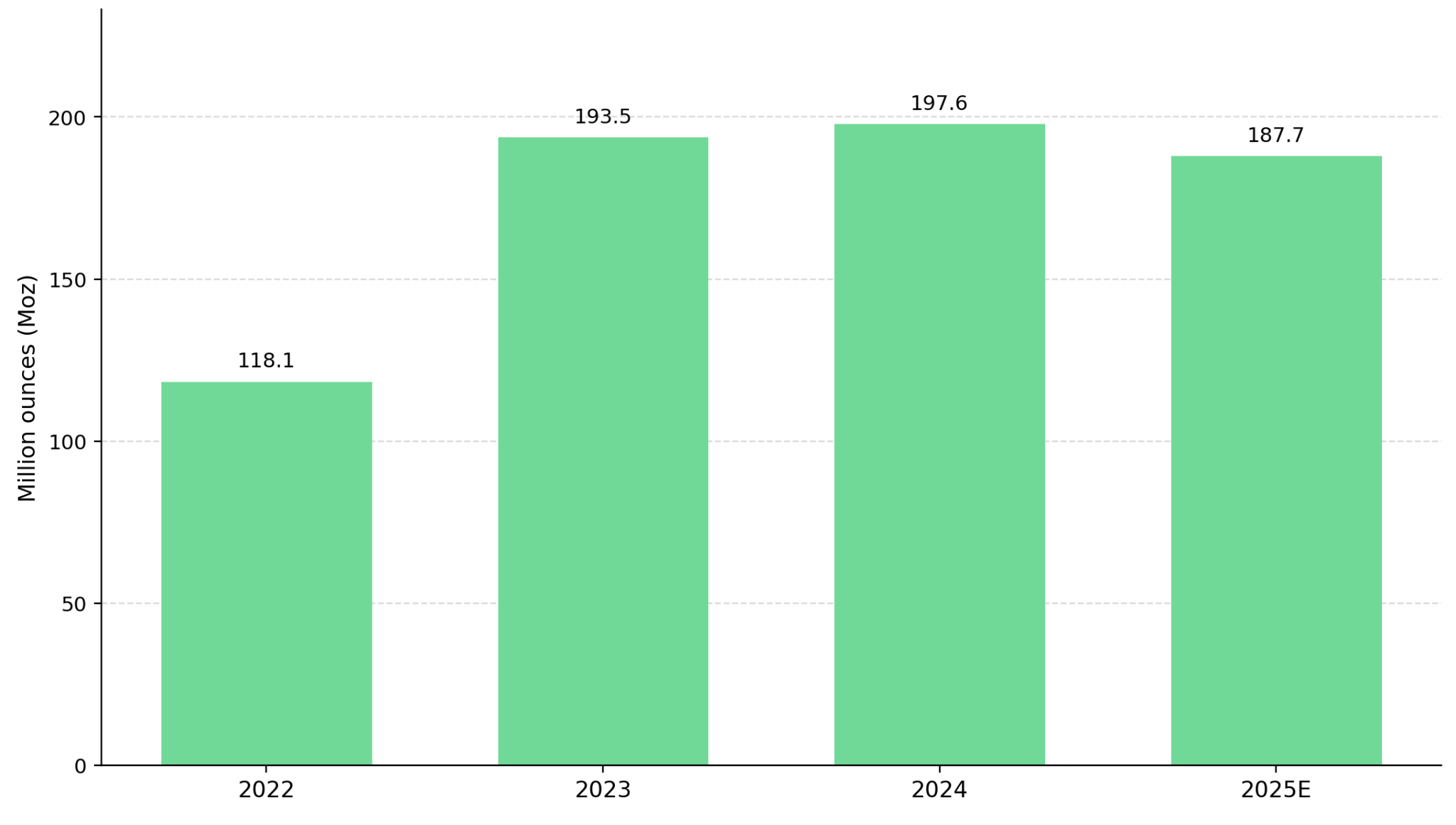
Industrial demand from solar photovoltaic cells and electronics manufacturing has sustained aggregate consumption growth, but elevated prices introduce a countervailing risk. Reduced silver loadings per solar panel, accelerated thrifting programs, and potential substitution toward alternative conductive materials represent demand-side responses that could limit the degree to which supply tightness translates into sustained price appreciation.
The interaction between persistent deficits and demand elasticity at high prices defines the operating range for sector positioning. Operations at the low end of the cost curve, and developers with high-grade resources and capital efficiency, maintain margin integrity across a wide range of price scenarios.
Federal Reserve Policy & Liquidity Conditions
Inflation remains elevated, driven in part by energy price volatility that falls outside the direct influence of domestic monetary policy. Weakening growth indicators simultaneously constrain the Fed's ability to tighten further without increasing recession risk. Markets pricing one rate cut in 2026 maintain real yields at restrictive levels relative to historical norms.
For silver, this environment is neither fully constructive nor fully adverse. Restrictive policy limits upside by strengthening the dollar and raising the cost of holding non-yielding assets, but the inflationary backdrop prevents the kind of sustained real yield increase that would materially pressure prices lower.
Institutional flows into silver under these conditions are increasingly driven by portfolio mechanics, including ETF positioning, futures roll dynamics, and macro hedge allocations, rather than fundamental conviction. That dynamic can disconnect price from physical market conditions for extended periods, creating entry risk and entry opportunity in equal measure.
Asset Quality & Cost Structure Across the Silver Sector
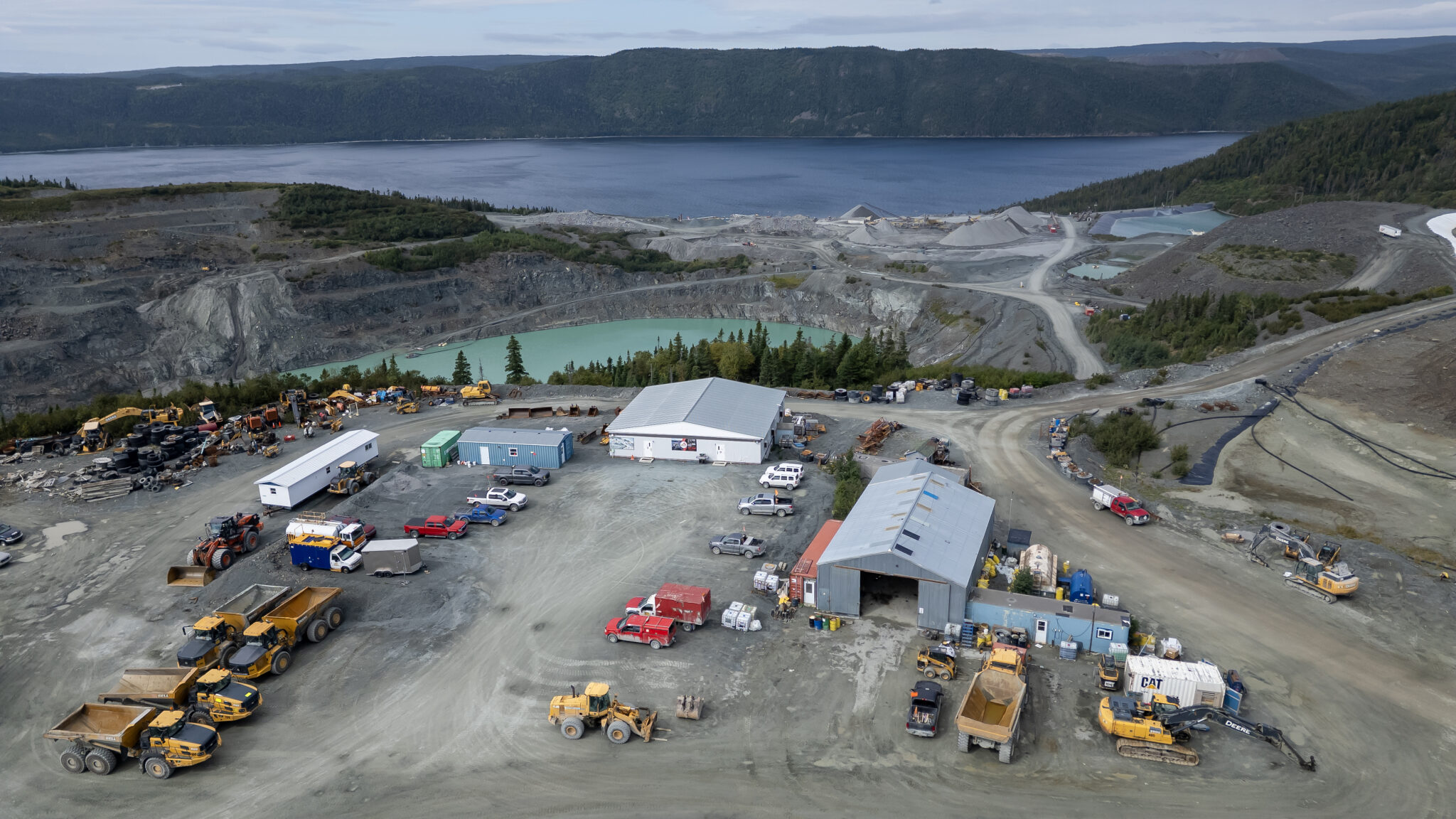
Americas Gold & Silver operates the Galena Complex in Idaho, ranked third globally among active primary silver mines at 490 g/t Ag. Shaft upgrades, improved hoist motor capacity, and mill enhancements are expected to reduce cost per tonne. Oliver Turner, Chief Executive Officer of Americas Gold & Silver, describes the asset's longevity:
"One of the things that's quite true about Galena is that this mine has been producing those kinds of intercepts for well over a hundred years. It's an operation that has continuously delivered high grades."
The company is targeting a return to five million ounces of annual silver production, a level last achieved in 2002, supported by shaft upgrades, improved hoist motor capacity, and mill enhancements that are expected to reduce cost per tonne as throughput increases. Turner addresses the current funding position:
"Everything I've talked about with our path to get back to that five million year mark is fully funded. We have over $130 million in cash on the balance sheet and $50 million undrawn on that debt facility."
Resource Economics & Development-Stage Positioning
For developers, the relevant metrics in a volatile price environment shift from margin analysis toward resource quality, discovery cost efficiency, and the timeline to a preliminary economic assessment that quantifies net present value and internal rate of return sensitivity to price.
GR Silver Mining is advancing a combined 134 million ounce silver equivalent resource base, comprising 68 million ounces at San Marcial and 66 million ounces at Plomosas within the Rosario Mining District of Sinaloa, Mexico, based on a 2023 NI 43-101 mineral resource estimate. The company holds a five-year drill permit granted in September 2025 covering both areas. Daniel Shea, Vice President of Corporate Development, quantifies capital deployment returns:
"Our discovery cost per ounce of silver is 17 cents, so for every investor that is investing in GR Silver, when we put a dollar in the ground we get about five ounces of silver out of that."
Alternative Extraction & Cost Differentiation
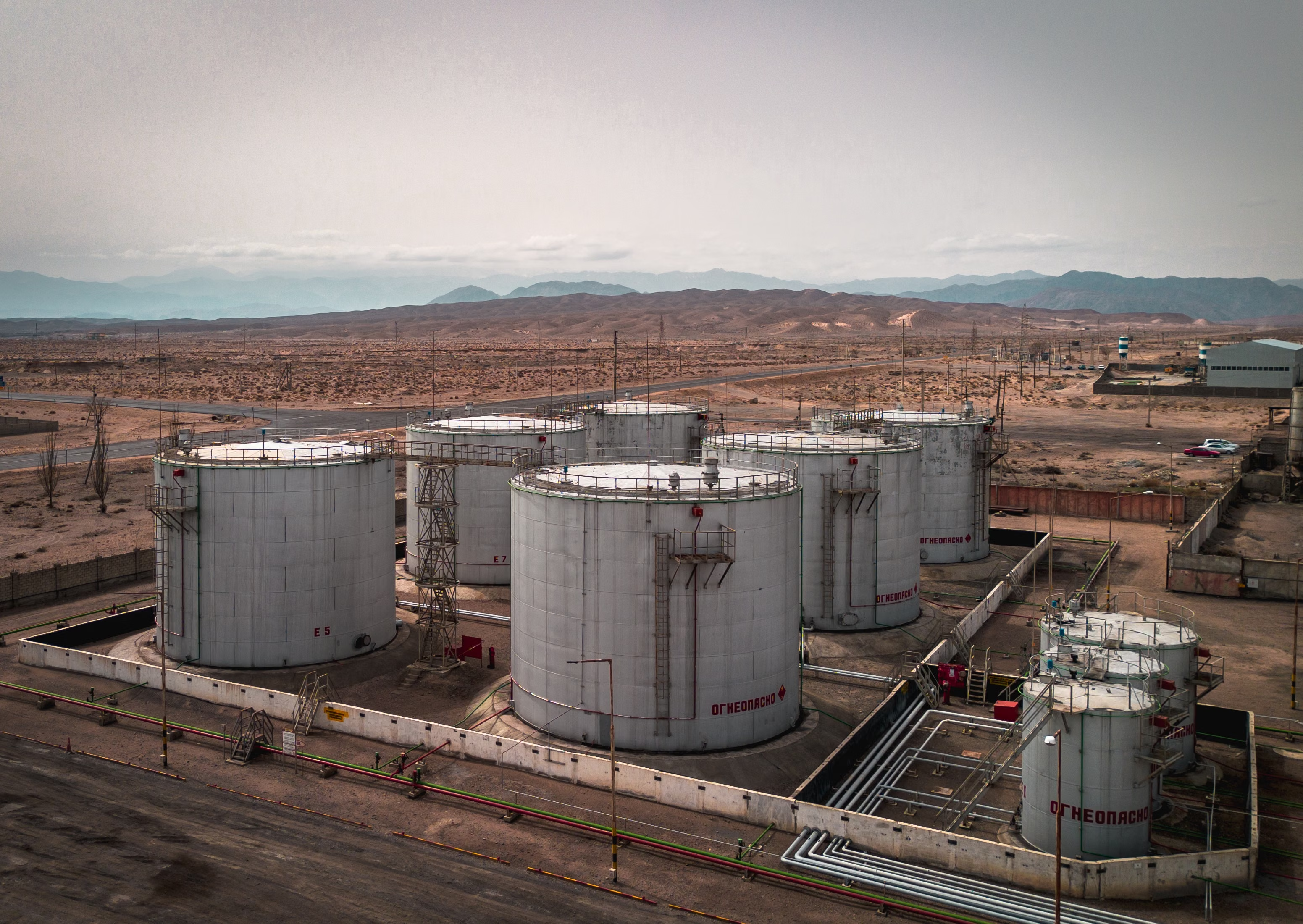
Cerro de Pasco Resources offers a differentiated development model through a proposed tailings reprocessing operation in Peru. The project remains in the pre-development phase, with 2026 milestones targeting delivery of metallurgical results and advancement toward feasibility. The company's estimate of 423 million ounces of silver equivalent, derived from historical metallurgical balances, indicates the potential scale of the deposit. Management projects extraction costs in the range of $1 to $2 per tonne based on internal estimates, reflecting a process that relies on excavation, wet tailings pumping, and hauling rather than conventional drilling and blasting. The company frames its model around environmental restoration of legacy tailings contamination, which underpins its ESG positioning.
The Investment Thesis for Silver
- J.P. Morgan's acknowledgment of multi-year physical supply deficits provides institutional support for the long-term price thesis, independent of near-term macro volatility driven by geopolitical or monetary factors.
- Silver retains macro optionality across both inflationary environments, where it functions as a monetary hedge, and industrial demand growth cycles driven by solar photovoltaics and electronics manufacturing.
- High-grade, low-cost producers such as Americas Gold & Silver offer direct margin leverage to silver prices, with a fully funded balance sheet that supports production growth without equity dilution risk across the development timeline.
- Development-stage companies such as GR Silver Mining provide resource growth torque through capital-efficient exploration, with secured permits and a preliminary economic assessment serving as near-term re-rating catalysts.
- Pre-development reprocessing models such as Cerro de Pasco Resources offer a structurally differentiated cost profile and ESG alignment through tailings remediation, subject to feasibility confirmation.
- Price dislocations driven by macro repricing rather than fundamental deterioration create time-bounded entry opportunities for investors with defined cost and quality criteria.
Silver entered 2026 pulled in three directions at once: a physical market running a multi-year supply deficit, a geopolitical conflict driving oil-linked inflation, and a Federal Reserve holding rates at restrictive levels.
The practical question is straightforward: which of these conditions is likely to persist, and which assets are built to hold value if one or more of them reverses. When geopolitical and monetary factors recede, the structural supply deficit becomes the primary support for silver prices, and that support holds across a wide range of price scenarios.
TL;DR
Silver's sharp 36% decline from its January 2026 all-time high reflects a reversal of geopolitical risk premiums, speculative derivatives positioning, and oil-linked inflation expectations rather than any deterioration in physical market fundamentals. J.P. Morgan has flagged multi-year supply deficits driven by declining ore grades and constrained new mine development, while industrial demand from solar and electronics continues to grow. The Federal Reserve holding rates at restrictive levels and the US Dollar Index near 99.4 limit near-term upside, but the structural supply-demand imbalance remains intact. For investors, the price dislocation creates a time-bounded entry opportunity concentrated in low-cost producers, capital-efficient developers, and alternative extraction models with confirmed resource quality.
FAQs (AI-Generated)
Silver's decline from $121.64/oz to $77.43/oz reflected the partial reversal of three overlapping factors that drove the January rally: geopolitical risk pricing tied to Middle East conflict, inflation expectations linked to oil price disruption, and speculative derivatives positioning. As markets reassessed the probability of sustained escalation, each of these components unwound. The US Dollar Index holding near 99.4 and markets pricing only one Federal Reserve rate cut in 2026 added further pressure by raising the opportunity cost of holding non-yielding assets.
Yes. J.P. Morgan has identified multi-year physical supply deficits in silver driven by declining ore grades at mature operations, limited greenfield development, and long permitting timelines. Price volatility driven by macro and geopolitical factors can temporarily disconnect from physical market fundamentals, but the structural deficit remains the primary long-term price support. When geopolitical and monetary pressures recede, supply-demand imbalances typically reassert themselves as the dominant pricing driver.
Restrictive monetary policy strengthens the US dollar and raises real yields, increasing the opportunity cost of holding non-yielding assets like silver. With markets pricing only one rate cut in 2026, real yields remain elevated relative to historical norms. However, persistently high inflation prevents the sustained real yield increases that would materially pressure prices lower, creating a range-bound tension where neither a sharp rally nor a sustained breakdown is clearly supported by monetary conditions alone.
Solar photovoltaics and electronics manufacturing provide structural demand growth for silver. However, at elevated prices, manufacturers have incentive to reduce silver loadings per solar panel, accelerate thrifting programs, and explore alternative conductive materials. This substitution risk means sustained high prices can erode the demand base that underpins them, limiting the degree to which supply tightness translates into indefinite price appreciation. Demand elasticity at high prices is a key variable in projecting the sector's operating range.
Low-cost primary producers with high-grade resources offer direct margin leverage while maintaining profitability across a wide price range. Development-stage companies with capital-efficient exploration, secured permits, and near-term economic assessments provide resource growth torque and re-rating potential. Alternative extraction models, such as tailings reprocessing operations with structurally lower costs per tonne, offer differentiated exposure. In each case, cost discipline and resource quality are the primary selection criteria when macro volatility drives price dislocations away from underlying fundamentals.
Analyst's Notes





Subscribe to Our Channel







Stay Informed






