




Updated PEA & New M&A Strategy Position ValOre for Accelerated Production



ValOre Metals Pivots to Multi-Asset Producer Strategy as PGM Markets Tighten
- ValOre Metals is transforming from a single-asset platinum-palladium explorer into an integrated precious metals producer across Brazil, with CEO Nick Smart who brings 21 years of experience designing, building and commissioning operations, pursuing strategic acquisitions of advanced-stage projects whilst advancing the flagship Pedra Branca project towards a preliminary economic assessment by end-2026.
- The platinum-palladium market has shifted from anticipated decline to structural deficit, as hybrid vehicles (now a larger automotive segment than pure EVs) require higher PGM loadings in autocatalysts due to smaller engines operating at lower temperatures, creating steady demand whilst South Africa's ageing deep-level mines face mounting operational challenges and years of low prices have discouraged new supply investment.
- Pedra Branca's surface mineralisation enables low-cost open-pit mining rather than the expensive 600-800 metre deep underground operations that characterise traditional PGM production, with the project's 2.2 million ounce inferred resource at 1.08 g/t positioned in stable Brazilian jurisdiction with excellent infrastructure, supportive government policies, and access to the accelerated trial mining licensing pathway that allows demonstration-scale operations at one-tenth of full capacity.
- ValOre targets H2 2028 production from Pedra Branca's initial phase following an 18-month construction period after licensing approval, with the trial mining approach reducing capital intensity, enabling operational refinement at smaller scale, and generating cash flow to support subsequent expansion to the targeted 150,000 ounces per annum at full capacity.
- The company's transformational M&A strategy actively pursues Brazilian precious metal projects (particularly gold assets) that have completed trial mining but require capital for full production, leveraging Discovery Group backing and North American capital access to provide financing that Brazilian-domiciled companies struggled to secure.
ValOre Metals is embarking on an ambitious transformation from a single-asset platinum-palladium explorer into an integrated precious metals producer operating across Brazil. In a comprehensive discussion, CEO Nick Smart revealed plans to accelerate the company's timeline to production through strategic acquisitions whilst advancing the flagship Pedra Branca project towards a preliminary economic assessment by year-end 2026.
The strategy represents a significant departure from the company's historical focus and reflects both Smart's operational expertise and a conviction that market conditions have fundamentally shifted in favour of platinum-palladium producers. With South Africa holding 90% of global PGM resources but facing mounting operational challenges, and Russia representing the only other significant jurisdiction, projects in stable mining regions with superior economics are increasingly valuable.
Operational Pedigree Meets Market Opportunity
Smart brings substantial credentials to ValOre's development ambitions. A chemical engineer by training from the University of Cape Town, he spent many years with Anglo American building and commissioning operations globally. His experience spans the Skorpion Zinc project in Namibia, where he developed new processing technology through pilot plant to full-scale production, six years working across Anglo Platinum and base metals operations in Brazil, and leading the construction of a chemical vapour deposition lab-grown diamond facility in Portland, Oregon for De Beers.
His introduction to ValOre came through metallurgical test work at his alma mater, the University of Cape Town, where the company has been conducting extensive process development studies. Since assuming the chief executive role in October 2025, Smart has redirected the company's trajectory towards near-term production.
This operational background proves particularly relevant given ValOre's stated intention to pursue acquisitions of advanced-stage projects. The company is specifically targeting assets that have completed Brazil's trial mining phase - demonstration-scale operations that prove technical and commercial viability - but require capital to reach full production capacity.
Pedra Branca's Compelling Economics
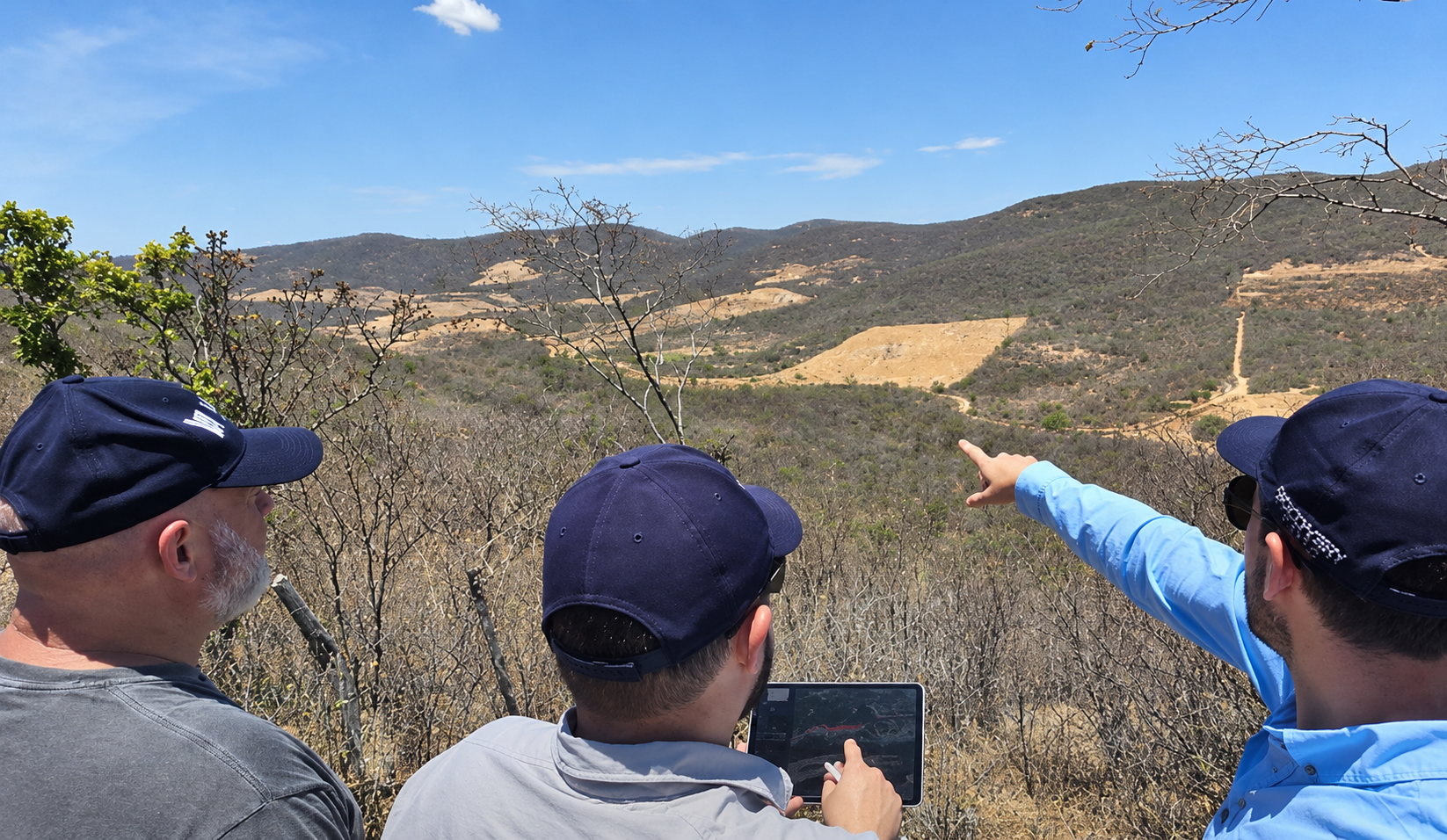
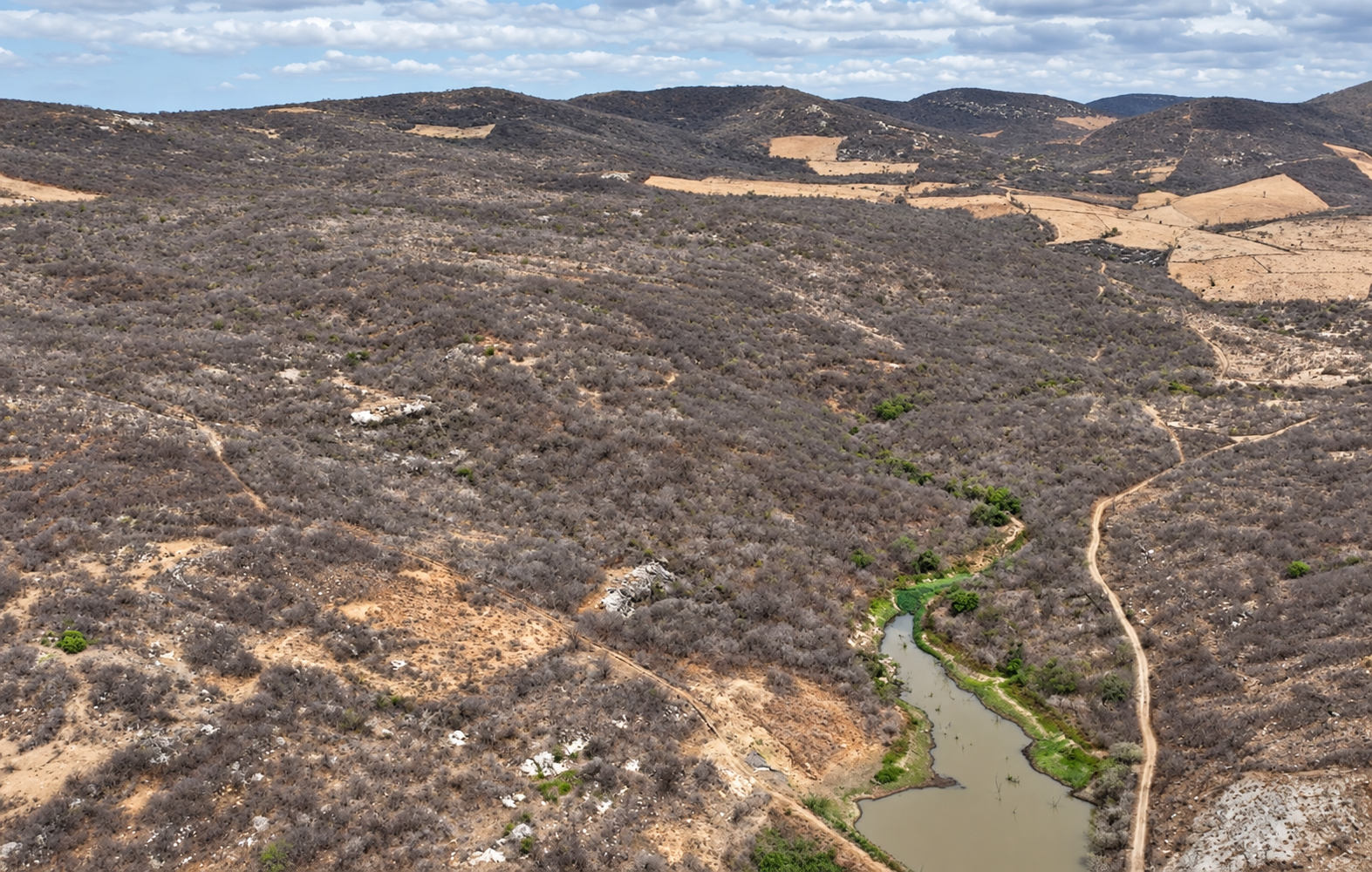
ValOre's Pedra Branca project in Ceará State, Brazil, offers a markedly different development proposition compared to traditional PGM operations. The deposit's geology provides immediate advantages that should position it favourably on the global cost curve. Most significantly, mineralisation at Pedra Branca extends to surface, enabling open-pit mining rather than the deep-level underground operations that characterise South African PGM production.
"Mineralization when you're going down is typically 600/700/800 metres underground, which is a huge investment in terms of underground infrastructure that you've got to get there and it takes a long time," Smart explained. "For us at Pedra Branca, we've got mineralization that goes right up to surface which is a huge advantage. We're looking at open-cast mining which is cheaper, it's quicker to get into."
The asset has seen substantial exploration investment spanning multiple ownership periods. Originally held by Anglo Platinum before acquisition by Brazilian entity Jangada, ValOre acquired the property in 2019. Since then, the company has completed approximately 20,000 metres of drilling and doubled the resource to 2.2 million ounces of inferred resource at an average grade of 1.08 grams per tonne (g/t). The higher-grade ore sits near surface, providing additional advantages for early production economics.
The project spans 50,000 hectares with mineralisation extending over 80 kilometres, suggesting significant potential for resource expansion. Current work focuses on comprehensive metallurgical testing at the University of Cape Town, with phase two larger-scale column testing for heap leach processing about to commence. Smart plans to attend these tests personally, underlining their importance to the project's technical pathway.
"Stable jurisdiction, fantastic infrastructure, good access to electricity and a supportive government in terms of permitting and bringing that forward - that's a huge advantage for us," Smart noted.
These factors collectively should enable ValOre to position Pedra Branca as a low-cost producer, providing protection against future price volatility.
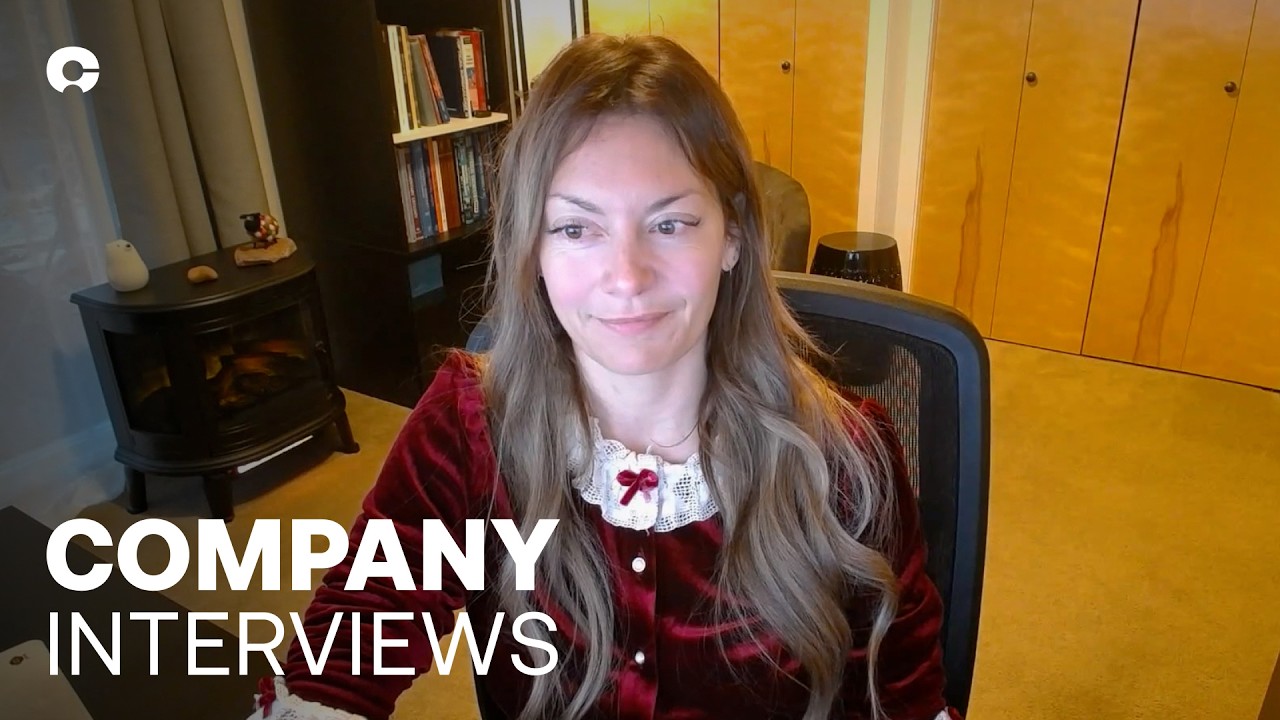
Interview with Nick Smart, CEO of ValOre Metals
The Platinum-Palladium Market Rebalances
Understanding ValOre's strategic timing requires appreciating the dramatic shift in platinum-palladium market dynamics. A decade ago, industry consensus predicted structural decline for PGM demand as electric vehicles displaced internal combustion engines. Platinum, historically trading at a premium to gold reflecting its industrial utility and relative scarcity, fell out of favour as investors anticipated the automotive transition would eliminate the primary demand driver for autocatalysts.
Market reality has proven markedly different. Electric vehicle adoption, whilst growing, has proceeded at rates well below earlier forecasts. More importantly, hybrid vehicles - which now represent a larger percentage of the automotive mix than pure battery electric vehicles in many markets - actually require higher loadings of platinum and palladium in their autocatalysts due to smaller engines operating at lower temperatures.
"Instead of this declining picture, you've had a steady level of demand, but the last few years with prices as low as they have been has not incentivized as new supply to come on," Smart noted. "As a result, you've got the situation of steady demand, declining supply, so older mines particularly in South Africa which become more and more challenging to operate, more costly to operate, and you have a drop off in terms of supply and that leads to that deficit situation that we're seeing today."
Beyond automotive applications, industrial catalysts represent a growing demand source. The chemical and physical properties that make PGMs effective in autocatalysts apply equally to broader industrial processes. Additionally, jewellery demand for platinum has increased as gold prices reach historic highs, with consumers opting for platinum wedding bands and other applications where the white metal serves as an attractive substitute.
The supply-demand imbalance appears structural rather than cyclical. Global platinum production approximates 6 million ounces annually - a fraction of gold's 120 million ounce output.
"You don't need a lot of switching to be able to drive a big demand growth for platinum," Smart observed.
With South Africa's deep-level underground operations becoming increasingly costly and difficult to maintain, and relatively few development-stage projects globally, new supply capable of addressing the deficit remains scarce.
Brazil's Trial Mining Pathway Accelerates Timeline
A key element of ValOre's development strategy involves leveraging Brazil's trial mining licensing programme, which allows companies to establish demonstration-scale operations at approximately one-tenth of planned full production capacity. This regulatory framework, introduced several years ago and now successfully utilized by several companies, provides a faster route to production whilst demonstrating technical and commercial viability.
For Pedra Branca, the preliminary economic assessment targeted for completion by end-2026 will support both the project's economic case and the trial mining licence application.
"The studies that we're doing both from the environmental and the engineering side support both the economics but also helps us to do the licensing step of the project," Smart explained.
Targeting eventual production of 150,000 ounces annually at full scale and following successful licensing - typically an 18-month construction period - ValOre expects Pedra Branca to reach operational status in H2 2028 for this initial phase, with subsequent expansion to full capacity. This phased approach reduces capital intensity, allows operational refinement at smaller scale, and generates cash flow to support expansion; a particularly attractive development pathway given capital market conditions for junior mining companies.
Transformational M&A Strategy
The most significant revelation from Smart's discussion involves ValOre's pivot towards becoming an integrated precious metals producer through strategic acquisitions. This represents a fundamental expansion of the company's mandate beyond the single-asset Pedra Branca development.
ValOre is actively evaluating advanced-stage projects in Brazil's precious metals sector, particularly gold assets that have completed the trial mining phase but require capital to reach full production.
"What they need now is capex to take it up to full operation," Smart noted. "So we've been looking hard particularly in the precious metal space and the gold space at opportunities within that sector."
The strategy leverages several competitive advantages. As a Discovery Group–backed entity with North American capital markets access, ValOre believes it can provide financing that Brazilian-domiciled companies may struggle to secure. "Through our positioning with ValOre and being backed by Discovery Group, access to capital from North America and Canada in particular is a big advantage," Smart explained.
Additionally, acquiring projects with existing operational teams, completed engineering work, and functioning demonstration plants accelerates ValOre's path to production whilst building internal capability. Rather than hiring an entirely new development team, the company would gain experienced personnel who have already navigated Brazil's regulatory environment and proven their project's technical viability at scale.
"It would give us production already in 2026. So what's interesting is you make the acquisition, you've got production going from 2026 and ramp that up through the course of 2027 and 2028 as these projects come on," Smart outlined.
This two-pronged strategy - acquiring near-term production whilst developing Pedra Branca - aims to transform ValOre's profile from explorer to producer within an accelerated timeframe, establishing diversified precious metals production across multiple Brazilian operations under unified management.
Jurisdictional Advantages & Local Expertise
Smart's familiarity with Brazil extends beyond the current role. His six years working for Anglo American in the country provided direct experience with local operating conditions, regulatory frameworks, and talent pools. A two-and-a-half-week trip encompassed time in Belo Horizonte (where he previously resided), São Paulo's financial centre, the Pedra Branca site in Ceará, and visits to prospective acquisition targets.
Community engagement at Pedra Branca has been extensive, with Smart noting,
"One of the things that has been really gratifying to see the level of of work that the team has done there in terms of engaging the community and getting that that baseline support."
This social licence foundation proves critical for development success, particularly in emerging mining jurisdictions where community relationships can determine project viability. The quality of Brazil's mining talent pool represents another attraction.
"The sheer level of talent that exists within Brazil for particularly on the mining side - really great geologists, mining engineers, metallurgists, project execution teams - that is something that has got us really excited," Smart observed.
Brazil's mining sector has seen substantial development in recent years, with multiple projects advancing through trial mining towards full production. This growing activity demonstrates the jurisdiction's capacity to support mining investment whilst creating a cohort of experienced teams and proven regulatory pathways that companies like ValOre can leverage.
Capital Requirements & Funding Strategy
ValOre maintains adequate funding for current study requirements leading to the Pedra Branca preliminary economic assessment. However, the dual strategy of advancing Pedra Branca whilst pursuing acquisitions will clearly require additional capital.
Smart acknowledged that equity raises will form part of the funding solution, though he views the M&A strategy itself as a capital access advantage. By acquiring projects with existing infrastructure and operational teams at the demonstration phase, ValOre can potentially secure project-level financing or streaming arrangements based on near-term production rather than relying exclusively on equity markets to fund greenfield development.
The trial mining pathway also moderates capital intensity. Rather than requiring full project capex upfront, the phased approach allows production to commence at one-tenth scale with proportionally lower capital requirements, generating cash flow to support subsequent expansion.
For prospective acquisition targets requiring capital to scale from demonstration to full production, ValOre's positioning as a Canadian-listed entity with institutional backing provides a potential solution to their funding constraints whilst giving ValOre access to operational assets, experienced teams, and near-term production.
Market Positioning & Competitive Dynamics
Maintaining low-cost producer status represents ValOre's primary competitive protection.
"The number one driver for us is to ensure that our project sits at a very attractive point on the cost curve," Smart emphasised. "If and when others come in who are incentivized to come into that space, you still maintain your competitive position."
The scarcity of development-stage PGM projects globally provides structural advantage. Combined with the extended timeline for new supply - even once projects secure financing -- the current supply deficit appears likely to persist.
"There are relatively few development stage projects for platinum and palladium. It's not easy to find a deposit which is workable and economic, and bringing those into production generally takes a long time," Smart noted.
For investors concerned about potential supply responses flooding the market, Smart pointed to both the technical and economic barriers to new PGM production. Deep-level underground operations require massive capital investment and extended development timelines. Projects lacking geological advantages or jurisdictional benefits struggle to compete, particularly given years of low prices that discouraged investment and exploration.
Pedra Branca's combination of surface mineralization, open-pit mining, stable jurisdiction, excellent infrastructure, and supportive regulatory environment should position it favourably against most potential competing supply sources. The focus on achieving low-cost production from the outset provides protection against future price movements.
The Investment Thesis for ValOre Metals
- Operational Leadership: Nick Smart brings proven experience designing, building and commissioning mining operations for Anglo American, Anglo Platinum and De Beers across multiple commodities and jurisdictions. His chemical engineering background and specific familiarity with Brazilian operations position ValOre to execute complex development and M&A integration.
- Structural PGM Market Deficit: Sustained demand from autocatalysts (particularly hybrid vehicles requiring higher PGM loadings), industrial applications and jewellery substitution faces constrained supply as South African deep-level mines age and few new projects advance. With platinum production at 6 million ounces annually versus gold's 120 million, modest demand shifts drive significant price impacts.
- Compelling Project Economics: Pedra Branca's surface mineralisation enables low-cost open-pit mining versus traditional 600-800 metre deep underground PGM operations. The 2.2 million ounce inferred resource at 1.08 g/t sits in excellent infrastructure with supportive government policies and access to Brazil's accelerated trial mining licensing pathway.
- Accelerated Production Timeline: Trial mining licensing allows demonstration-scale operations at one-tenth of full capacity, moderating capital requirements whilst proving commercial viability. ValOre targets H2 2028 production from Pedra Branca's phase one, with pathway to full-scale expansion once cash flow commences.
- Transformational M&A Strategy: Active pursuit of advanced-stage Brazilian precious metal projects that have completed trial mining but require capital for full production provides near-term production as early as 2026. This dual-track approach - acquiring operating assets whilst developing Pedra Branca - accelerates transformation from explorer to diversified producer.
- Jurisdictional Advantages: Brazil offers stable mining jurisdiction with established regulatory frameworks, excellent talent pool of geologists and mining engineers, and proven pathways from exploration through trial mining to full production. Multiple projects advancing through this system demonstrate pathway viability.
- Discovery Group Backing: Institutional support and North American capital access provide competitive advantage in acquiring Brazilian assets where local companies face funding constraints. This positions ValOre as consolidator in fragmented market of advanced-stage projects requiring capital.
- Portfolio Diversification: Evolution from single-asset PGM developer to integrated precious metals producer across multiple Brazilian operations reduces risk whilst maintaining leverage to PGM market recovery. Gold acquisition targets provide portfolio balance and potentially smoother cash flow profile.
Macro Thematic Analysis: The PGM Supply Deficit and Hybrid Vehicle Dynamics
The platinum-palladium market presents a compelling case study in how technological transition narratives can disconnect from fundamental supply-demand realities. A decade of bearish sentiment based on electric vehicle displacement assumptions created an extended period of underinvestment precisely as market fundamentals were shifting in the opposite direction.
The critical insight centres on hybrid vehicles rather than pure battery electric vehicles. Hybrids now represent a larger and faster-growing segment than EVs in many major markets, driven by infrastructure limitations, range anxiety, and total cost considerations. These vehicles require higher PGM loadings in autocatalysts due to smaller engines operating at lower temperatures—a technical requirement that undermines the original thesis for PGM demand destruction.
This dynamic has created steady demand against declining supply, as years of low prices discouraged exploration and development whilst South Africa's ageing deep-level operations face mounting operational challenges. With 90% of global PGM resources concentrated in South Africa and Russia - both jurisdictions facing various constraints - projects in stable mining regions with superior economics command increasing strategic value.
For investors, the thematic represents a potential inflection point where a decade of bearish positioning meets structural deficit realities. Projects capable of reaching production within realistic timeframes, particularly those with geological and jurisdictional advantages enabling low-cost production, should benefit disproportionately from any sustained price recovery.
TL;DR
ValOre Metals is executing a dual-track strategy to become a diversified precious metals producer in Brazil. CEO Nick Smart, an Anglo American veteran with 21 years of operational experience, is advancing the flagship Pedra Branca platinum-palladium project (2.2 million ounce inferred resource with surface mineralisation enabling low-cost open-pit mining) towards a preliminary economic assessment by end-2026 and H2 2028 production via Brazil's accelerated trial mining pathway. Simultaneously, ValOre is actively pursuing acquisitions of advanced-stage Brazilian gold and precious metal projects that have completed demonstration-scale operations but require capital for full production, targeting acquisitions in early 2026 that would provide production that same year. This strategy leverages Discovery Group backing and North American capital access to consolidate projects in a jurisdiction with excellent infrastructure, supportive regulations, and strong mining talent pool. The timing capitalises on structural PGM market deficit driven by hybrid vehicle demand (requiring higher PGM loadings than standard internal combustion engines) meeting constrained supply from South Africa's ageing deep-level operations, with relatively few development-stage projects globally capable of addressing the supply gap. Pedra Branca's surface mineralisation, stable jurisdiction, and trial mining pathway position it favourably on the global cost curve, whilst the M&A strategy accelerates transformation from explorer to producer within compressed timeframe across multiple Brazilian operations.
Frequently Asked Questions (FAQs) AI-Generated
Pedra Branca's mineralisation extends to surface, enabling open-pit mining rather than the deep-level underground operations (typically 600-800 metres depth) that characterise South African PGM production. This provides significant cost advantages—open-pit mining is cheaper and quicker to develop than underground operations requiring massive shaft infrastructure investment. The 2.2 million ounce inferred resource at 1.08 g/t sits in Brazilian jurisdiction with excellent infrastructure, stable regulatory environment, and access to Brazil's trial mining licensing pathway. Higher-grade ore sits near surface, providing additional advantages for early production economics. The project spans 50,000 hectares with mineralisation extending over 80 kilometres, suggesting expansion potential beyond current resources.
Brazil's trial mining licensing programme allows companies to establish demonstration-scale operations at approximately one-tenth of planned full production capacity. For Pedra Branca, targeting eventual production of 150,000 ounces annually at full scale, the trial mining phase would operate at approximately 15,000 ounces per annum. The preliminary economic assessment targeted for end-2026 supports both the project's economic case and the trial mining licence application. Following successful licensing and an 18-month construction period, ValOre expects Pedra Branca operational in H2 2028 for this initial phase. This phased approach reduces capital intensity compared to building full-scale operations upfront, allows operational refinement at smaller scale, demonstrates commercial viability, and generates cash flow to support subsequent expansion—particularly attractive given capital market conditions for junior mining companies.
A decade ago, industry consensus predicted structural PGM demand decline as electric vehicles displaced internal combustion engines. Market reality proved different—EV adoption has proceeded well below earlier forecasts, whilst hybrid vehicles now represent a larger automotive segment than pure EVs in many markets. Critically, hybrids require higher PGM loadings in autocatalysts due to smaller engines operating at lower temperatures. This created steady demand whilst years of low prices discouraged exploration and new supply investment. South Africa's deep-level operations (representing 90% of global PGM resources) face mounting operational challenges and costs, whilst relatively few development-stage projects exist globally. Beyond automotive applications, industrial catalysts and jewellery demand (as platinum substitutes for record-priced gold) provide additional support. With platinum production at 6 million ounces annually versus gold's 120 million, modest demand shifts drive significant price impacts.
ValOre is actively pursuing advanced-stage Brazilian precious metal projects (particularly gold assets) that have completed trial mining phases—demonstration-scale operations proving technical and commercial viability—but require capital to reach full production. The company targets acquisitions in early 2026 that would provide production that same year, ramping through 2027-2028 as Pedra Branca advances in parallel. As a Discovery Group-backed entity with North American capital access, ValOre believes it can provide financing that Brazilian-domiciled companies struggle to secure. Acquiring projects with existing operational teams, completed engineering work, and functioning demonstration plants accelerates production whilst building internal capability. CEO Nick Smart brings 21 years of experience building and commissioning operations for Anglo American (including six years in Brazil), Anglo Platinum and De Beers, positioning ValOre to execute complex development and integration. The strategy aims to transform the company from single-asset explorer to diversified precious metals producer across multiple Brazilian operations.
Primary risks include execution on both the Pedra Branca development and the M&A strategy within stated timelines, commodity price volatility for platinum-palladium and gold, metallurgical performance at scale, capital requirements exceeding current resources, permitting and licensing delays, community relations challenges, integration difficulties with acquired operations, and general capital market conditions affecting junior mining companies. ValOre's mitigation strategies focus on achieving low-cost producer status (providing protection against price volatility), leveraging Brazil's proven trial mining pathway (reducing regulatory risk), acquiring projects with demonstrated technical viability at pilot scale (reducing technology risk), accessing Discovery Group backing and North American capital markets (addressing funding constraints), and building experienced operational teams through acquisitions rather than hiring entirely new personnel. CEO Smart's operational background building projects for major companies provides relevant experience, though translating this to junior company environments with constrained capital represents different challenges. The dual-track strategy of near-term production via M&A alongside Pedra Branca development diversifies execution risk across multiple assets and timelines.
Analyst's Notes





Subscribe to Our Channel

.png)


.jpg)

Stay Informed


