IsoEnergy's Hurricane South Trend Drilling: 6 Things Investors Need to Know


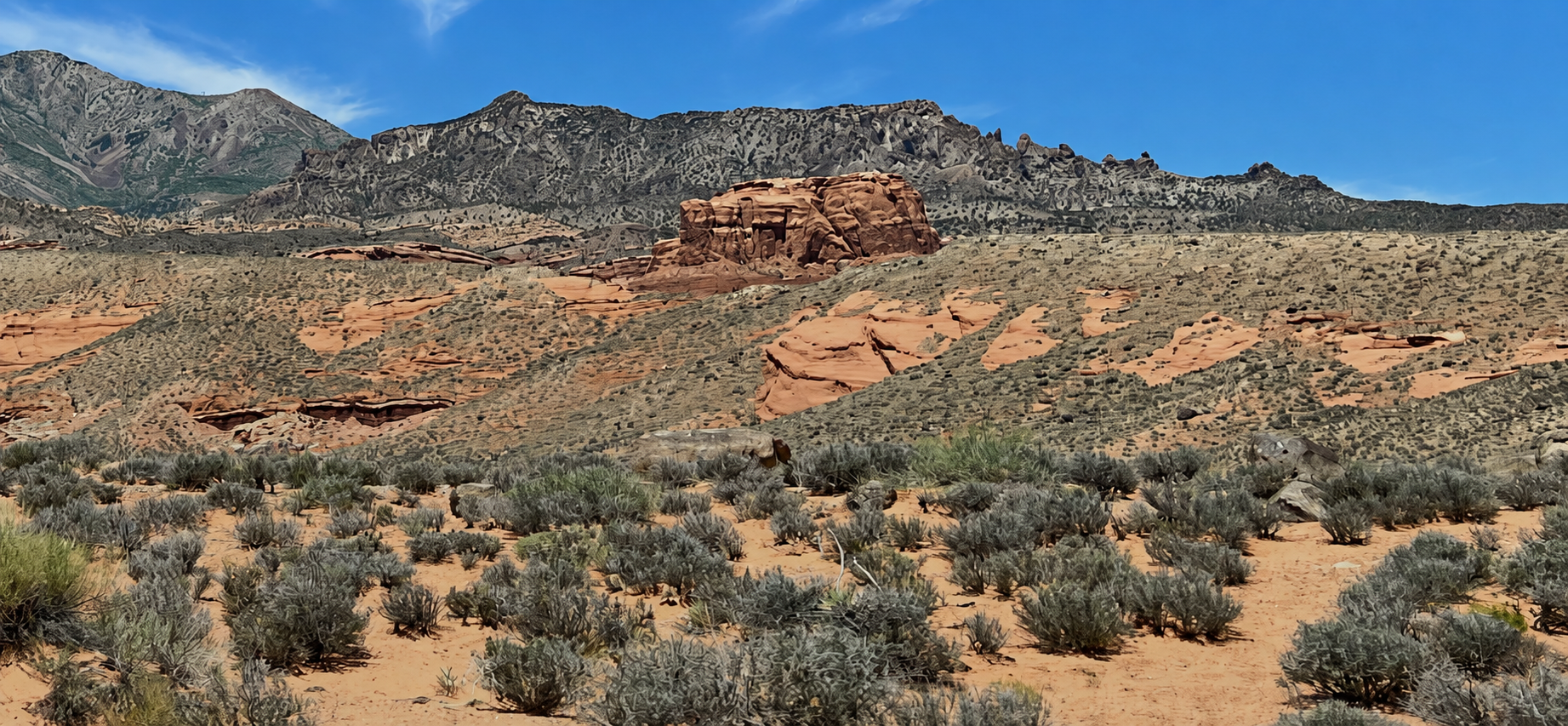
IsoEnergy's summer drilling returns Hurricane South Trend's strongest radioactivity yet, extending mineralization beyond the resource footprint; assays pending.
Project Overview
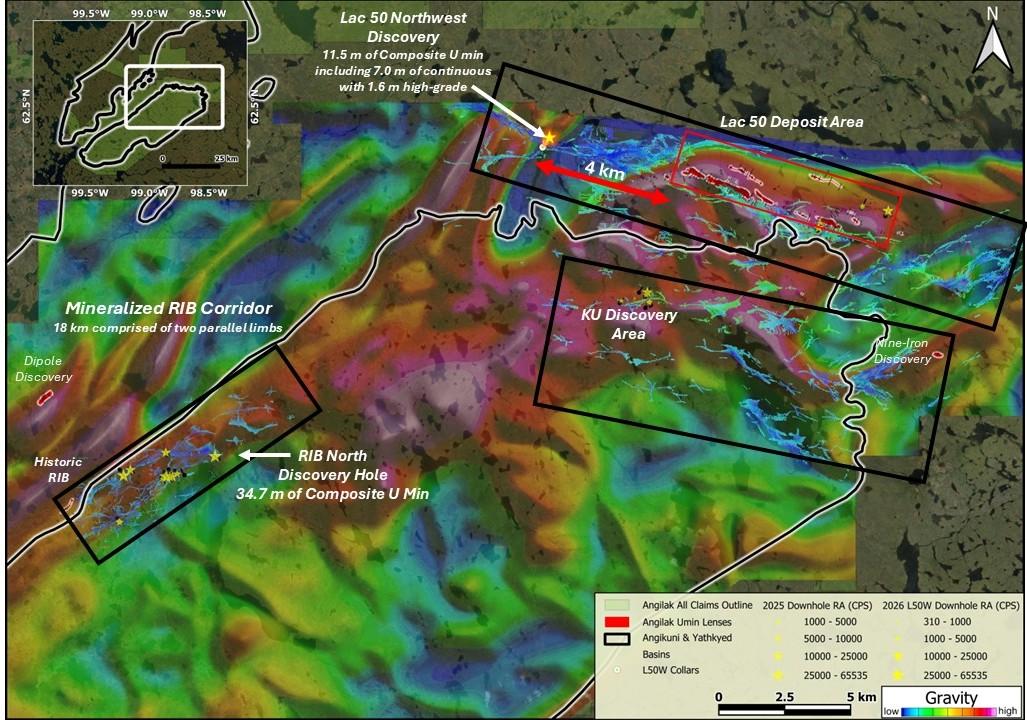
IsoEnergy (NYSE American: ISOU; TSX: ISO) is advancing the Larocque East project in Canada's Athabasca basin, home to the Hurricane deposit, which the company describes as hosting the world's highest-grade indicated uranium mineral resource. Hurricane's current mineral resource stands at 48.6 million pounds of uranium oxide at 34.5% uranium oxide Indicated and 2.7 million pounds of uranium oxide at 2.2% uranium oxide Inferred. The project lies approximately 40 kilometers northwest of the McClean Lake mill, with mineralization beginning at a depth of approximately 325 meters. This summer's program totaled 10,159 meters across 26 holes, expanded from an original 8,000-meter, 20-hole plan, bringing the 2026 year-to-date total to 16,963 meters in 43 holes and targeting the Hurricane South Trend, comprising the J, K, and L faults. All samples from the summer program have been submitted to SRC Geoanalytical Laboratories, with results still pending.
1. Strong Results Justified Program Expansion
The company expanded the summer program from 20 to 26 holes to follow up on encouraging winter and early summer results. 18 of the 26 summer holes returned intervals at or above the 350 counts per second cut-off over 0.5 meters, and 13 hit 1,000 counts per second or greater.
2. The South Trend Has Now Returned its Strongest Radioactivity to Date
3 summer holes exceeded 35,000 counts per second, the highest radioactivity drilled to date on the South Trend, over a strike length of 600 meters, indicating widespread, strongly elevated radioactivity. Radioactivity readings are total gamma counts measured directly on drill core with an RS-125 handheld spectrometer and indicate the presence of uranium but may not correlate with uranium chemical assays; confirmed grade and thickness depend on the pending laboratory assays.
3. Two Intercepts Extend Mineralization Beyond the Current Resource Footprint
A hole drilled 75 meters east of a previously reported winter intercept, 4.21% uranium oxide over 3.5 meters, including up to 11.6% uranium oxide over 1.0 meter, returned 11,075 counts per second over 3.5 meters, including 43,160 counts per second over 0.5 meters, and sits outside the existing Hurricane footprint. A second hole, drilled 11 meters west of that same winter intercept and within the footprint, returned 14,135 counts per second over 3.0 meters, including 36,292 counts per second over 1.0 meter; this second hole was drilled in an area previously interpreted as within the low-grade shell, and the company states that interpretation will be revisited once uranium geochemistry results are available.
4. A Zone 510 Meters East of the Deposit also Returned Strong Readings
A hole drilled 28 meters west of a previously reported winter intercept, 1.00% uranium oxide over 1.5 meters, including up to 2.75% uranium oxide over 0.5 meters, returned 10,110 counts per second over 2.0 meters, including 35,900 counts per second over 0.5 meters, on the interpreted L fault zone, 510 meters east of the existing Hurricane footprint.
5. Not Every Fault Target Produced Elevated Radioactivity
Several holes testing the J and K fault targets did not intersect significant radioactivity, with the company noting that these holes intersected the unconformity 4 to 6 meters off the optimal target position. Three holes were abandoned in sandstone before reaching the target. Eighteen of the 26 summer holes returned intervals at or above the 350 counts per second cut-off.
6. The Next Catalyst is Geochemical Confirmation
This release reports radiometric results only. Management has said the pending assays, together with the geological observations from drill core, will shape how the company defines its 2027 drill targets.
Key Takeaways for Investors
The summer program's strongest South Trend radioactivity to date, together with two step-outs extending elevated readings outside or well beyond the current Hurricane footprint across a 600-meter strike length, is a radiometric signal only; it indicates the presence of uranium but does not confirm grade.
The program's hit rate adds useful context alongside the standout intercepts: 18 of the 26 summer holes returned intervals at or above the 350 counts per second cut-off, and 13 hit 1,000 counts per second or greater, while several holes testing the J and K fault targets did not intersect significant radioactivity and three holes were abandoned in sandstone before reaching target. Investors should weigh this fuller hit-rate picture, alongside the pending assays, before treating the South Trend results as confirmed resource growth rather than encouraging radiometric evidence.
Analyst's Notes





Subscribe to Our Channel











Stay Informed