




US Permitting Reform Cuts Lawsuit Risk for Mine Developers on Government Land


Senate permitting deal caps mine lawsuits at 150 days while review deadlines change little. US federal-land developers gain most if lame-duck cloture clears.
- The US Senate's Bipartisan American Affordability and Jobs Act, unveiled on 30 September 2026, faces no vote before the 3 November midterms and needs 60 votes to pass.
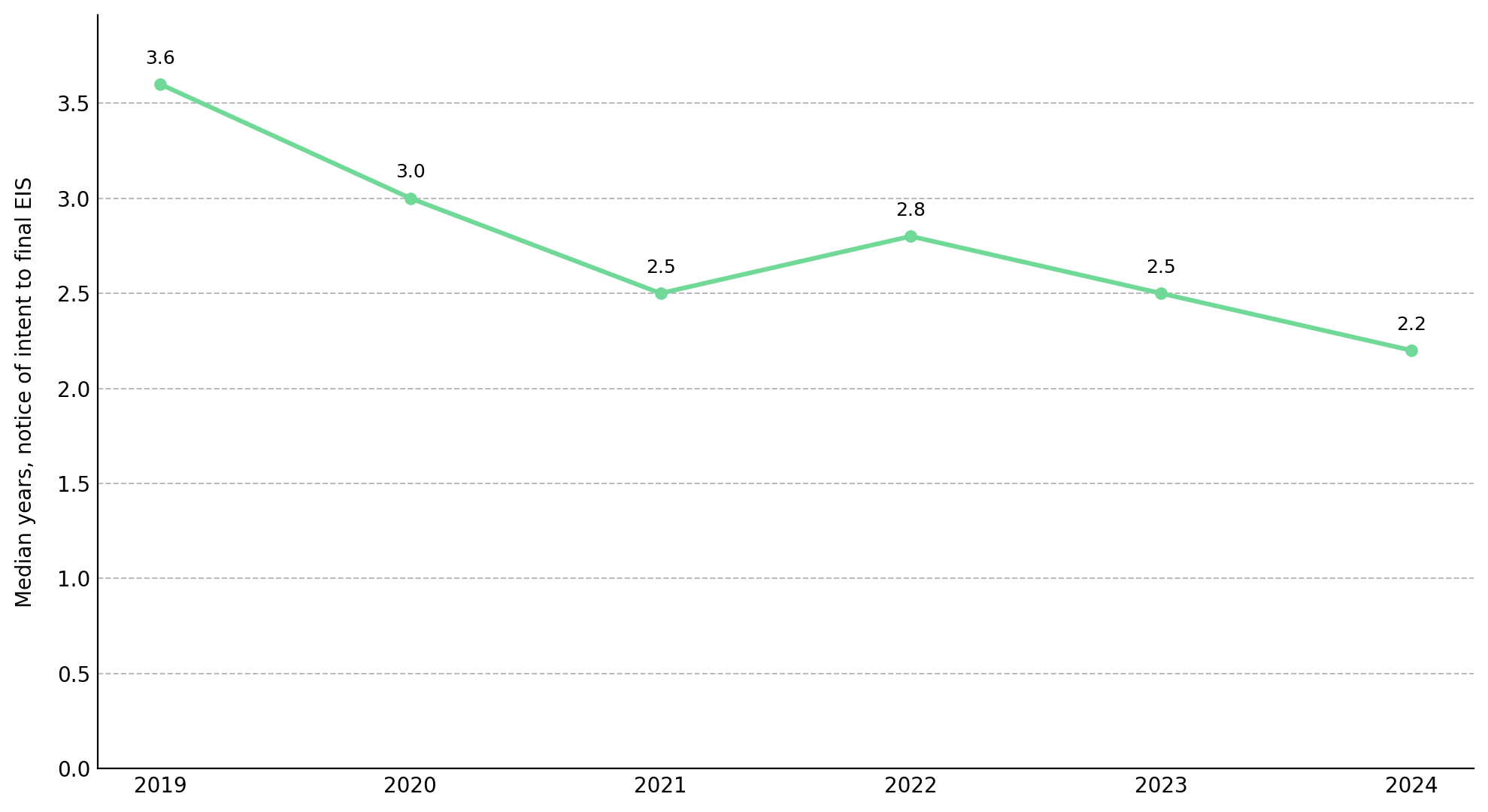
- The two-year review deadline adds little: a 2023 law already set it, and the 2024 median federal review ran 2.2 years, per Council on Environmental Quality data.
- Mine value sits in a 150-day lawsuit window, remand instead of permit vacatur, revocation protection for issued permits and a waste-rock mill-site fix.
- TSX- and ASX-listed developers on US federal land gain most, yet nothing changes in law before signature, so premiums paid pre-vote carry full downside.
- A Senate cloture tally below 60 ayes, or no vote before 3 January 2027, kills the text and returns litigation risk to today's baseline.
Senate Permitting Deal Defers Vote Past Midterms, Leaving US Mine Timelines Unchanged
US senators from both parties unveiled the Bipartisan American Affordability and Jobs Act on 30 September 2026, a permitting overhaul covering transmission, energy projects and mines, Reuters reported. The text sets one-year and two-year deadlines for federal environmental reviews, narrows court challenges and makes issued permits harder to overturn. No vote occurs before the 3 November midterms. The National Mining Association backed the deal the same day; environmental groups opposed it.
The stake for mining is pipeline length. S&P Global's June 2024 study for the National Mining Association puts average US discovery-to-production time at 29 years, second only to Zambia, assuming non-operating US projects start by 2030. Ten US projects still in development hold US$1.04 trillion of in-situ metal at S&P nominal prices, stranded until their permits survive court.
Senate Bill Targets Mine Litigation as Two-Year Review Limit Nears Reality
The headline deadline adds less than it suggests. The Fiscal Responsibility Act of 2023 already set a two-year Environmental Impact Statement (EIS) limit under the National Environmental Policy Act (NEPA), and Council on Environmental Quality data released on 13 January 2025 put the 2024 median review at 2.2 years, down from 3.6 years in 2019. US mines lose time after the decision: none of the three commissioned since 2002 sits on federal land, where litigation risk is highest, per S&P Global.
Challenges under NEPA, the Endangered Species Act, Clean Water Act and National Historic Preservation Act must be filed within 150 days, by parties who commented during review, according to Senator Martin Heinrich's fact sheet. Courts remand flawed reviews instead of vacating permits. Permits in effect from 16 September 2026 are shielded from revocation, and a mill-site section answers the 2023 Ninth Circuit Rosemont ruling restricting waste rock on unpatented claims.
Lame-Duck Cloture Vote Decides Whether Litigation Limits Reach Mine Valuations
Enactment shortens the lawsuit window, not almost 12 years of discovery, exploration and studies inside S&P Global's 15.7-year global average. The cohort carrying the outcome is TSX- and ASX-listed developers with hardrock projects on US federal land before a Record of Decision. The industry names uncertainty as the cost. Rich Nolan, President and Chief Executive Officer, National Mining Association, said in a press release:
"Standing in our way is a permitting process mired in duplication, endless litigation and uncertainty."
First, the Senate clears 60-vote cloture in the lame-duck session and the House accepts text Senator Shelley Moore Capito, Chair of the Environment and Public Works Committee, says borrows House language, giving federal-land developers a 150-day litigation horizon. Second, wind and solar assurances Senator Sheldon Whitehouse called unresolved stall the vote past the 119th Congress, killing the bill and leaving litigation risk unchanged into 2027.
The horizon is the lame-duck window ending 3 January 2027, decided by the Senate cloture roll call in the Congressional Record. The reversal trigger is a tally below 60 ayes, stripping the litigation limits from every federal-land developer valuation priced for enactment.
Permit Durability Rules Move Value Toward Federal-Land Mine Developers
Federal-land developers between plan of operations and Record of Decision gain most: the 150-day window and remand rule raise the odds of reaching construction. Producers and private-land projects gain little, since their permits rarely face federal-court vacatur. Projects storing waste rock on unpatented claims gain from the mill-site section.
The flexibility test is whether a project can phase its federal-land exposure. Hudbay Minerals' Copper World in Arizona runs Phase I on private land under state permits, all received by January 2025, with Phase II expanding onto federal land under federal permits, according to the company's 2026 Form 6-K. Enactment moves Phase II value, not Phase I. Projects without a private-land phase carry the full binary.
No public whip count confirms 60 votes, and the House has passed no matching text. A retail holder buying a federal-land junior pre-vote pays for an outcome without legal effect until signed, and thinly traded developers can lose the full premium in one session if cloture fails. Released summaries omit treatment of suits already filed. Position size, not vote timing, is the variable a retail holder controls.
What Reprices US Permitting Risk for Federal-Land Mine Developers
US mine development risk is a litigation problem more than a review-clock problem, and the Senate deal, agreed by the Republican and Democratic leaders of both permitting committees, addresses the litigation side directly.
Federal-land developers now carry a permitting discount with a defined legal mechanism behind it, placing enactment odds inside valuation models rather than risk footnotes. Exploration budgets, which S&P Global found ran 81% higher in Canada than the US over 15 years to 2023, have the most room to return to US ground.
The long-horizon value sits with deposits markets wrote off: projects stalled for decades on federal land hold the largest in-situ value, and two decades of deterred capital leave few US developers competing for financing and offtake once permits hold.
Analyst's Notes





Subscribe to Our Channel
%20(1)%20(1).jpg)
.jpg)
Stay Informed


