




50% US Tariff Hits Canadian Salt During Bid Season: Will Winter Prices Rise?


A 50% US tariff on Canadian salt hits during bid season, raising winter pricing risk as buyers test pass-through and regional supply options.
- On August 22, 2026, the US applied a 50% Section 338 duty to Canadian-origin salt under HTS heading 2501.00.00, immediately raising the landed cost of Canadian supply entering the US.
- The duty took effect during the 2026-27 municipal de-icing bid season, with USMCA certification providing no relief and allowing the additional cost to feed directly into winter contract pricing.
- Compass Minerals raised full-year highway salt volume guidance to 8.6 million to 8.8 million tons after its August 5 fiscal third-quarter results, while K+S raised 2026 EBITDA guidance to €680 million to €760 million from €680 million to €730 million on August 12, citing de-icing salt demand.
- Atlas Salt is advancing its Newfoundland and Labrador project with more than C$300 million of non-binding financing interest as of September 1, positioning the project to supply a North American de-icing market that relies on 8 million to 10 million tons of annual imports.
50% US Tariff Raises Canadian Salt Costs & Resets Import Competition
On July 20, 2026, the US invoked Section 338 of the Tariff Act of 1930 to impose a 50% duty on a defined list of Canadian goods effective August 22. US Customs and Border Protection guidance confirms that Canadian salt and pure sodium chloride are subject to the 50% duty.
The Section 338 proclamations provide no relief for USMCA-certified goods, leaving covered Canadian salt subject to the 50% duty despite its previous duty-free treatment. Canadian rock salt that previously entered the US duty-free under USMCA, including supply from Ontario's Goderich mine, is therefore now subject to the 50% duty when imported into the US.
Bid-Season Timing Puts the 50% Tariff Directly Into Winter Pricing
US state and municipal de-icing salt contracts are generally finalized before winter delivery, making the summer bid season the period when winter pricing is set. The August 22 effective date fell inside the 2026-27 bid window, allowing the 50% duty to affect contract prices that had not yet been finalized. Final municipal bid awards will provide the first direct evidence of whether producers passed some or all of the 50% duty through to 2026-27 contract prices, ahead of a full quarter of financial results.
50% Tariff & Import Reliance Increase the Need for New Regional Salt Supply
Atlas Salt's market materials estimate North American de-icing salt demand at 28.5 million to 36 million tons annually, including 8 million to 10 million tons supplied through imports, leaving tariff-driven increases in Canadian supply costs relevant to a market already reliant on imported salt. The same materials report 67.5 million tons of US imports from Egypt, Chile, the Caribbean, and Mexico between 2020 and 2023.
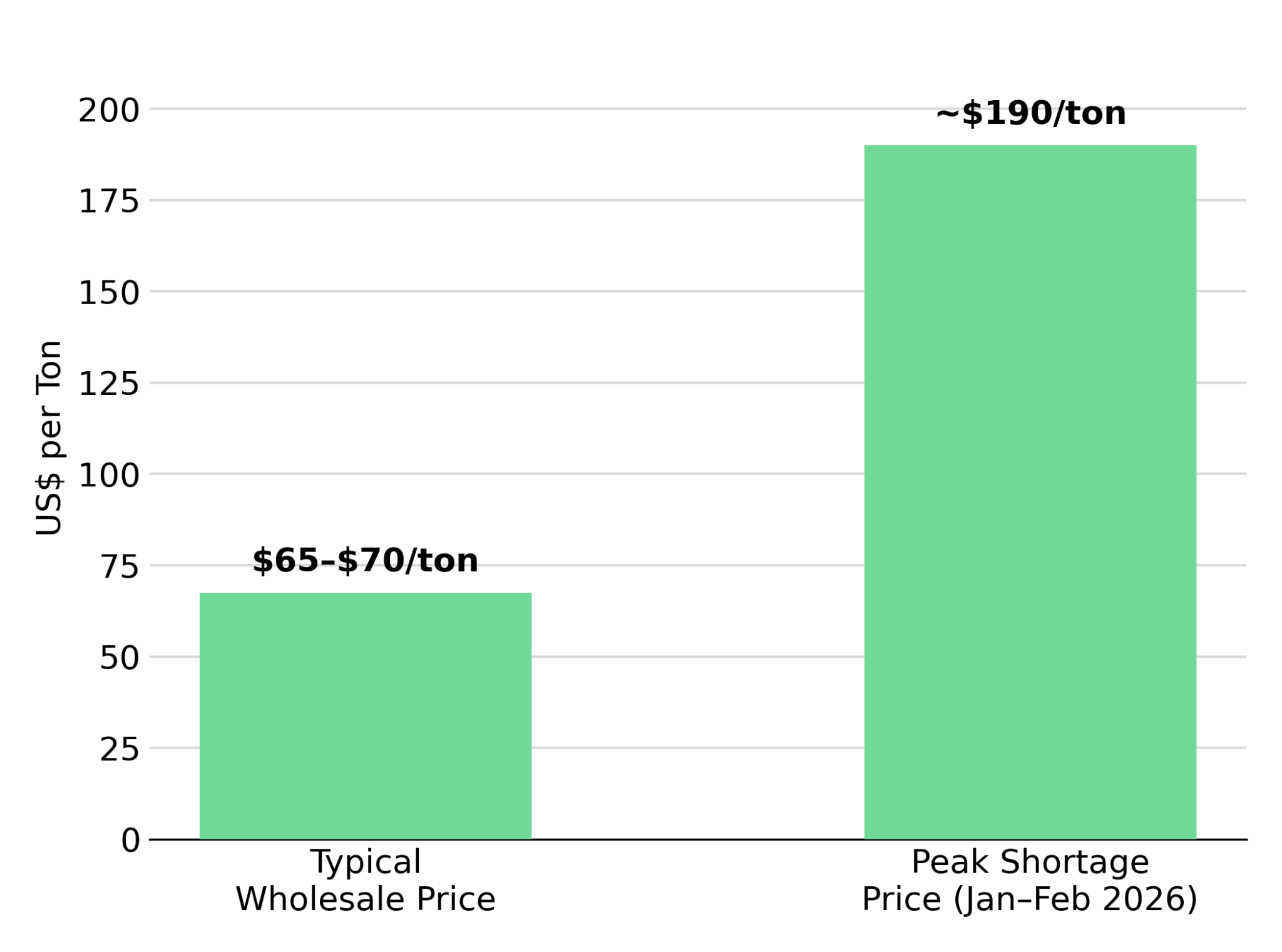
Ontario municipalities reported road salt shortages in January and February 2026, while wholesale prices rose from roughly $65 to $70 per ton to nearly $190 per ton. New York also declined to enforce a "Buy American" salt preference in its most recent contract, a decision attributed in part to shortages during the prior winter. Both developments predate the Section 338 duty, showing that shortages and higher prices were already present before the tariff added another cost to Canadian supply.
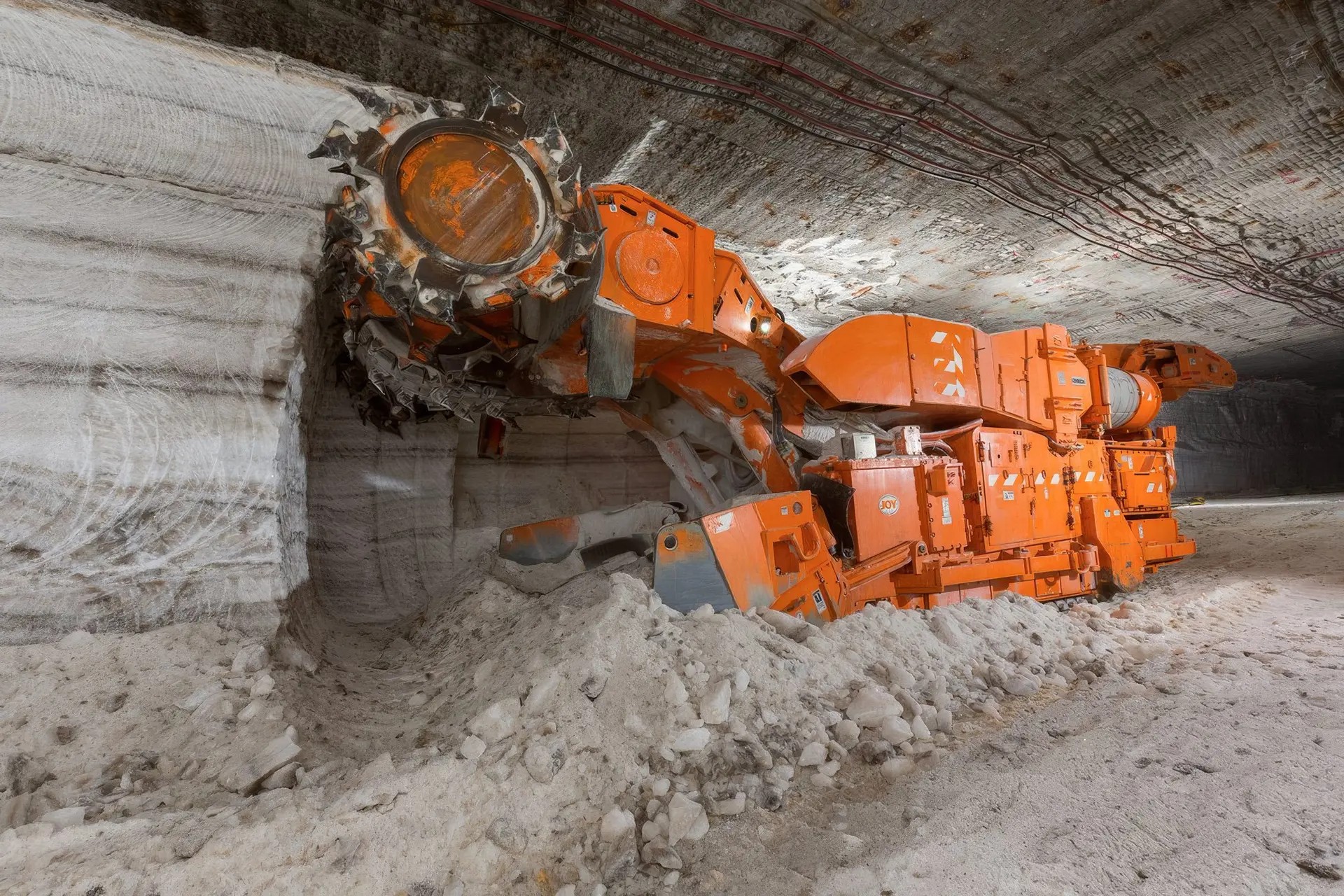
Atlas Salt is advancing the Great Atlantic Salt Project in Newfoundland and Labrador as a potential new source of North American de-icing salt supply. The project's updated feasibility study targets steady-state production of 4.0 million metric tons per year over a 25-year mine life.
As of September 1, 2026, Atlas Salt had received more than C$300 million of non-binding financing interest, equivalent to more than 75% of its targeted C$350 million to C$400 million senior secured debt package. The letters include up to C$150 million from Export Development Canada, approximately C$79 million of equipment financing from Sandvik, and up to C$75 million from an export credit agency, with Endeavour Financial advising on the debt package.
Nolan Peterson, President and Chief Executive Officer of Atlas Salt, frames the project's positioning against that same import-reliant market:
“We're developing the Great Atlantic Salt Project on the west coast of Newfoundland, aiming to supply de-icing road salt to critically underserved markets in the northeast US, eastern Canada, and the Atlantic provinces. We have over a year of work already approved to advance, and that lines up with our next phase of permits.”
50% Tariff & Shorter Transit Strengthen Northeast Salt Competitiveness
The project's distribution plan runs through the Port of Turf Point, roughly 2 kilometers from the mine portal, with an approximate three-day marine transit to Boston compared with more than 14 days for competing salt imports from Egypt or Chile. The shorter transit becomes more relevant after Section 338 because competing Canadian rock salt now carries a 50% duty when entering the US, adding a new cost disadvantage to Atlas Salt's existing proximity to Northeast markets.
Financing Costs Shape How Quickly New Salt Supply Reaches the Market
The Fed's target range has remained at 3.50% to 3.75% since March 2026, while the September 15–16 Federal Open Market Committee (FOMC) meeting will include an updated Summary of Economic Projections and dot plot. The August payrolls report is scheduled for September 4, with economists surveyed by Reuters forecasting roughly 56,000 additional jobs, providing another labor-market input ahead of the September meeting.
Atlas Salt is targeting a C$350 million to C$400 million senior secured debt package to fund project development, making its financing cost directly sensitive to prevailing interest rates. Lower borrowing costs would reduce financing expenses for capital-intensive salt projects, while higher borrowing costs could delay financing decisions and extend the time required for new supply to reach the market.
50% Tariff Reshapes North American Salt Supply Competition
The 50% duty raises the landed cost of Canadian salt entering the US at a time when North American de-icing demand already relies heavily on imported supply. That increases the importance of where salt is produced, how far it must travel, and whether suppliers are exposed to the tariff when competing for municipal and commercial contracts.
The immediate investment implication is therefore regional rather than global. US producers and non-Canadian suppliers may gain a relative pricing advantage where Canadian imports become more expensive, while Canadian projects targeting US customers must account for the tariff in their delivered-cost economics. For buyers, finalized 2026-27 municipal contracts will provide the clearest evidence of whether higher import costs are being passed through into winter salt prices.
The Investment Thesis for Salt
- The 50% Section 338 duty raises the landed cost of covered Canadian salt entering the US, improving the relative competitiveness of domestic US and non-Canadian supply.
- The tariff took effect during the 2026-27 municipal bid season, making finalized contract awards the first direct test of how much of the additional cost is passed through into winter pricing.
- North American de-icing demand relies on 8 million to 10 million tons of annual imports, increasing the value of regional supply that can compete on delivered cost, transportation time, and tariff exposure.
- Producers with lower tariff exposure and shorter routes to major de-icing markets may gain a pricing advantage as Canadian imports become more expensive.
- Canadian-origin projects targeting US customers require separate analysis because proximity advantages must be weighed against the additional tariff cost on US-bound supply.
- The thesis weakens if tariffs are rolled back, exemptions are introduced, or municipal bid results show that suppliers are absorbing most of the additional cost rather than passing it through.
A 50% US tariff on covered Canadian salt took effect during the 2026-27 municipal bid season, changing the relative delivered cost of supply into an import-dependent North American market. The investment opportunity therefore depends less on salt prices broadly and more on where supply originates, transportation costs, tariff exposure, and whether producers can pass higher costs through to municipal buyers. Regional projects can benefit from proximity to major de-icing markets, but Canadian-origin supply targeting the US requires separate tariff analysis. Finalized municipal bids will provide the clearest near-term evidence of whether Section 338 is translating into higher contract prices. A tariff rollback, negotiated exemption, or evidence that producers are absorbing most of the duty would weaken the thesis.
TL;DR
A 50% US tariff on covered Canadian salt took effect during the 2026-27 municipal bid season, raising the landed cost of supply entering an import-dependent North American de-icing market. The tariff may improve the competitive position of US domestic and non-Canadian suppliers while forcing Canadian projects targeting US customers to account for the duty in delivered costs. North American demand relies on 8 million to 10 million tons of annual imports, increasing the importance of regional supply, transportation distance, and tariff exposure. Finalized municipal bid awards will provide the first direct evidence of how much of the additional cost is being passed through into winter salt prices.
FAQs (AI-Generated)
Analyst's Notes





Subscribe to Our Channel




.jpg)

Stay Informed


