




Drier Than Modeled: Atlas Salt's Ground Conditions De-Risk the Drift


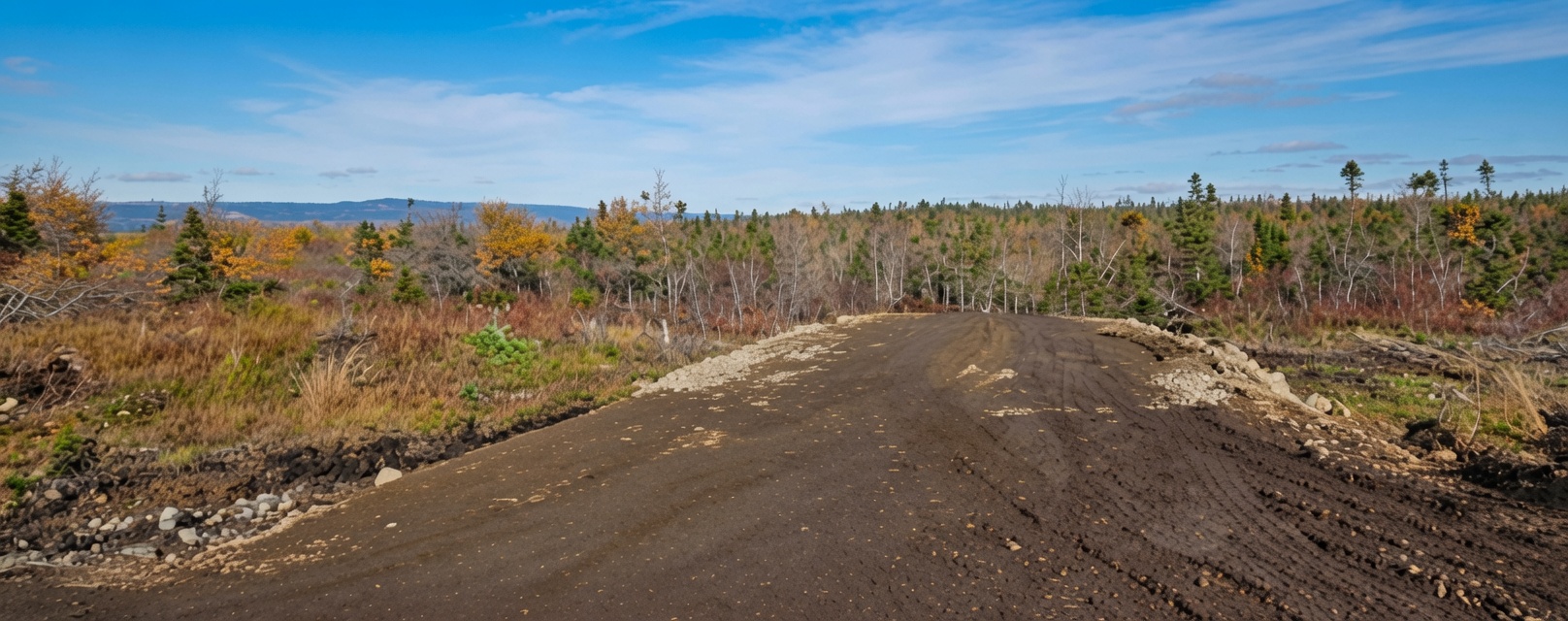
Drier ground conditions at Atlas Salt’s Great Atlantic project could reduce drift risks, while early works and engineering advance toward underground construction.
- Ground conditions at Great Atlantic Salt are de-risking the project's drift development: geotechnical results are coming in drier and more competent than the 2025 updated feasibility study (UFS) had assumed, after the UFS flagged less-competent ground as a risk to the underground design.
- More than a year of construction activity has already been approved, as Atlas Salt has been in active early works since February 2026, completing site clearing, overburden storage, and subgrade preparation.
- Current surface work is sequenced toward box-cut excavation, the next major milestone and the access point for the 1.5-kilometer drift.
- Atlas Salt is avoiding a compressed ramp-up by deliberately hiring and onboarding its site and engineering team now, ahead of the anticipated capital surge tied to project financing.
- Distribution costs are being addressed on a separate track: Atlas Salt is advancing a non-binding memorandum of understanding (MOU) with CN to evaluate rail logistics apart from its construction program.
What Has Happened
Atlas Salt Inc. (TSXV: SALT | OTCQX: SALQF | FSE: 9D00) crossed a threshold in February 2026: construction at the Great Atlantic Salt Project shifted from pre-development spending into capital drawn from the company's updated feasibility study (UFS). Working capital raised in the fall of 2025 carried the program through the second quarter of 2026, and subsequent financing has kept site activity advancing.
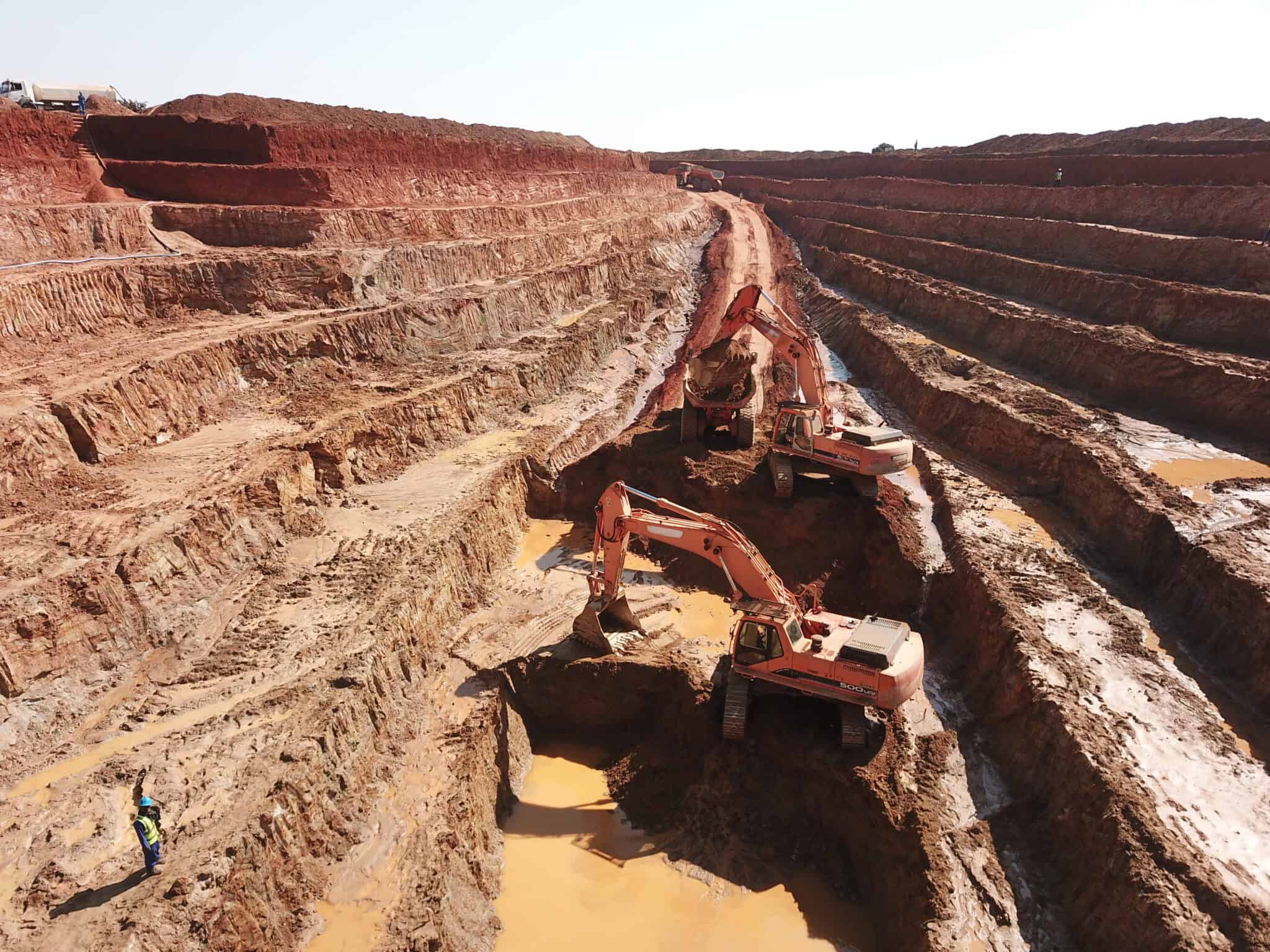
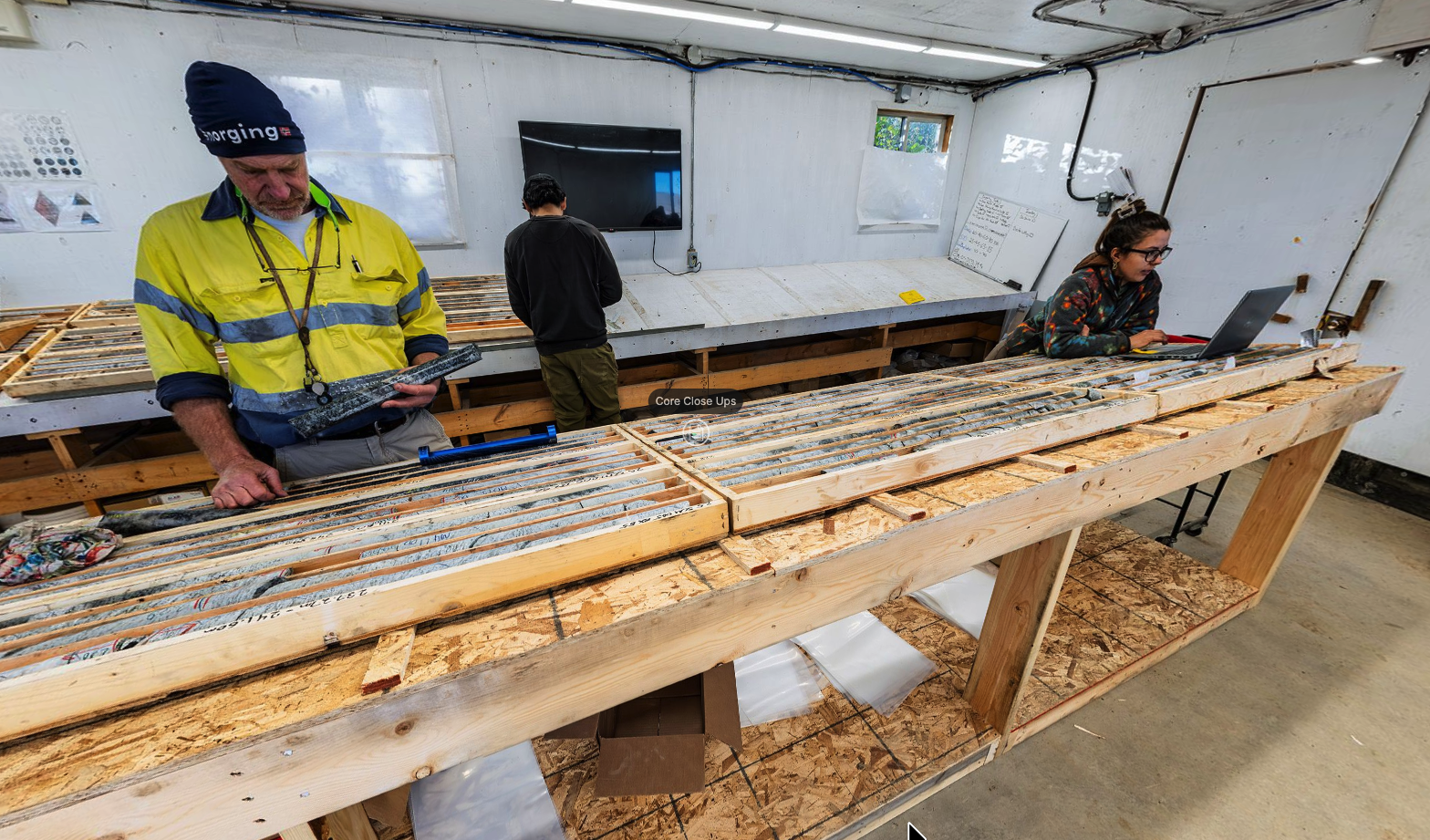
Crews have cleared the site, distributed the felled trees locally, and begun stripping and storing overburden for eventual closure. Subgrade work is underway, including cutting to bedrock, terracing, and installing ditch infrastructure for water retention, with roads, berms, and power infrastructure still to come. That work is now producing the geological and hydrogeological test results that are shaping the next phase: what they reveal about the ground itself.
Ground Conditions Are Coming In Better Than Modeled
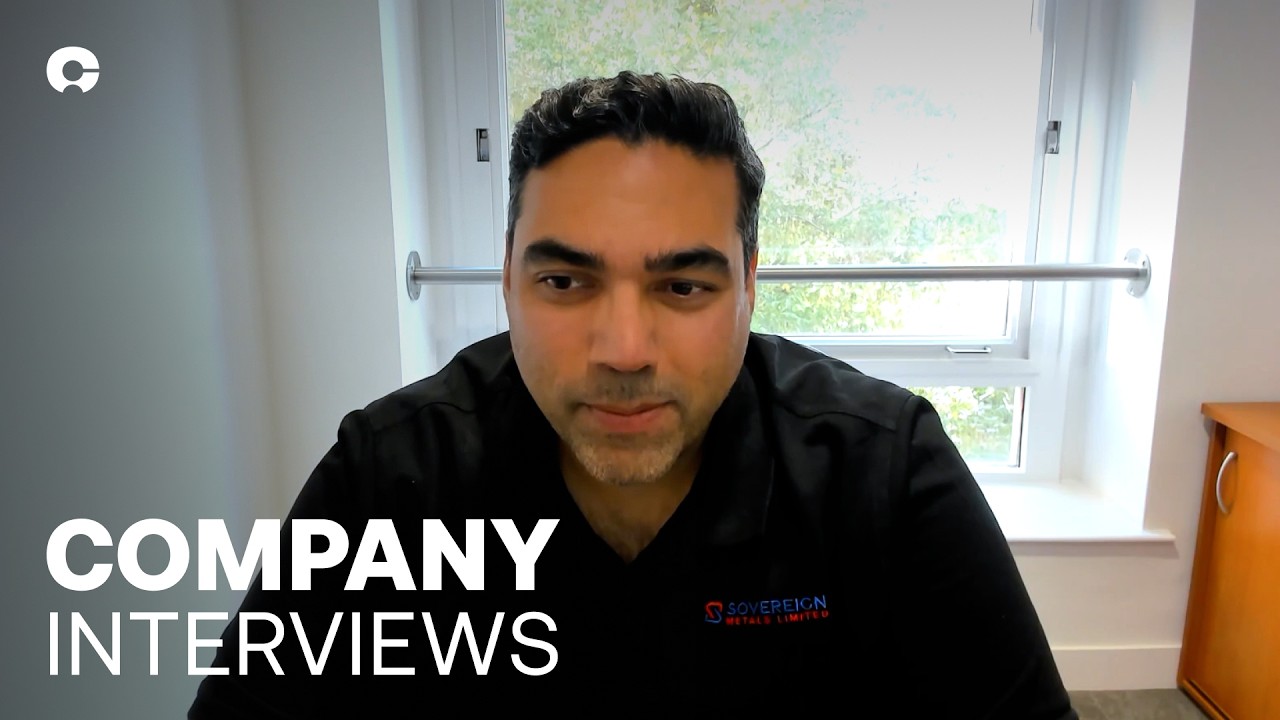
The 2025 UFS flagged the ground beneath Great Atlantic Salt as less competent than the original underground design had assumed, a risk the company built mitigations for into the updated plan. Chief Executive Officer and Director of Atlas Salt Inc., Nolan Peterson, described the geotechnical outlook emerging from current site work:
"Actually, my engineers are saying it's a lot better than expected. The ground is a lot drier than we initially anticipated. If that bears true going forward for the rest of the site, including the drift access, that could be a huge boon."
Ground stability and water saturation are the two variables the engineering team is tracking most closely before underground development begins. If the readings hold, they would cut both the time and capital needed to advance the drift.
Sequencing Toward the Box Cut & Drift Development
Atlas Salt already has more than a year of construction activity approved, and an early-works permit package covering over $150 million in capital, drawn from the UFS. That runway allows road construction, permanent site access, and power infrastructure to advance in parallel with the detailed design and engineering required by the main capital development permit for the drift itself.
The box cut, the excavation that will open physical access to the underground drift, remains many months out. Progress so far has closely tracked the UFS, Peterson said. The only field adjustments have been minor, such as routing a road slightly around an immovable rock, nothing with cost or schedule weight. Everything being built now is permanent, reusable infrastructure, funded from the same capital pool as the rest of the project, not treated as temporary works to be swapped out later.
UFS estimates stay estimates until a detailed engineered plan reaches contractors who can price and schedule the real scope of work, a step now running alongside the site program. Atlas Salt's logic is to surface any ground surprises early rather than late, since early visibility is what gives lenders and equity backers confidence in the schedule.
Building the Execution Team Ahead of the Capital Surge
Atlas Salt's site organization now runs on two staff engineers, a growing site team, and Hatch as integrated project delivery and lead engineering partner. Robert Booth, promoted to Chief Operating Officer in August 2026 after more than 30 years of construction experience at Vale, Hudbay, and Newmont, leads on-site activity alongside Andrew Smith, the company's Director of Project Strategy & Execution. Peterson explained why the buildup is happening now rather than later:
"Let's imagine that we got project financing at the end of this year and then we started the work that we are doing right now at the end of this year. That means that we are ramping up very quickly. We're hiring people rapidly. They're onboarding at the same time that they're required to do work, and they're spending tens of millions of dollars of construction capital. And so, that's not the best situation."
Broader Context
Great Atlantic Salt is targeting 4 million tonnes per annum of nameplate production, a post-tax net present value at an 8% discount rate (NPV8%) of $920 million, and a 4.2-year after-tax payback, per the 2025 UFS, inside a North American de-icing salt market still reliant on imports, where no new underground salt mine has been commissioned in roughly three decades.
Atlas Salt's non-binding memorandum of understanding (MOU) with CN, announced on August 20, 2026, evaluates multimodal rail logistics options to reduce delivered salt costs. That work sits on the distribution side of the project, running in parallel with, not as part of, the underground construction execution covered here.
What to Watch Next
Three clocks are running now. Continued geotechnical results, as subgrade work advances toward the box cut, will confirm whether ground conditions stay drier and more stable than the UFS's conservative assumptions, directly supporting the drift timeline. The main capital development permit required for drift construction is the next approval gate. And the debt financing process funding the larger Capital Works phase is the clock that ultimately sets the pace from early works into full underground development.
FAQs (AI-Generated)
Analyst's Notes





Subscribe to Our Channel


Stay Informed


