




Abitibi Metals Traded Option Flexibility for Ownership Certainty at B26


Abitibi Metals secured 80% of B26 ahead of schedule, signaling confidence in the deposit, disciplined capital allocation, and reduced risk for investors.
- Abitibi Metals Corp. completed the second phase of its option agreement with SOQUEM Inc. ahead of schedule, securing an 80% interest in the B26 Polymetallic Deposit in Quebec.
- The early exercise was supported by 52,000 metres of drilling since November 2023, driving a 124% increase in total resource tonnage between the 2024 and 2026 mineral resource estimate (MRE) updates.
- Consideration included the issuance of 3,793,864 common shares to SOQUEM, a contained dilution event against a fully diluted share count of 192.5 million.
- The 2026 MRE defines B26 at 25.3 million tonnes (Mt) at 2.1% copper equivalent, containing approximately 775 million pounds of copper, 471,000 ounces of gold, 16 million ounces of silver, and 376 million pounds of zinc.
- Abitibi holds approximately C$22 million in cash, is fully funded through the First Quarter of 2027, and has a 40,000-metre Phase 4 drill program currently underway.
The B26 Option
When Abitibi Metals Corp. (CSE: AMQ | OTCQB: AMQFF | FSE: FW0) completed the second phase of its option agreement with SOQUEM Inc. on March 12, 2026, locking in an 80% interest in the B26 Polymetallic Deposit in Quebec, the move was not simply a contractual milestone. Exercising ahead of schedule required committing capital and equity before the earn-in's original timeline demanded it, forgoing the optionality that staged agreements are specifically designed to preserve. The context for that decision: 52,000 metres of drilling across three phases since November 2023 drove a 124% increase in total resource tonnage between the 2024 and 2026 MRE updates, establishing the deposit scale that underpins the early exercise.
Why Early Exercise Matters for Investors
Staged earn-in agreements preserve flexibility at the cost of control. An earning party can exit if the geology disappoints, but cannot move decisively until each contractual threshold is cleared. Early exercise is a vote against that optionality: it signals that confidence in the asset has crossed a threshold where the cost of delaying full control exceeds the value of retaining the exit option. Completing the earn-in required Abitibi to issue 3,793,864 common shares to SOQUEM, a modest dilution event against a share count of 187.7 million shares issued and outstanding.
Early exercise required committing that consideration before the earn-in's original timeline demanded it. Three implications follow for investors: ownership certainty removes ambiguity around economic interest in future resource updates; operator status enables parallel technical workstreams, removing the sequential constraints of the earn-in phase; and the joint venture (JV) framework with SOQUEM, which retains a 20% participating interest, establishes a joint management committee with representatives from both parties overseeing exploration programs, technical studies, and project budgets.
What the Exercise Secured
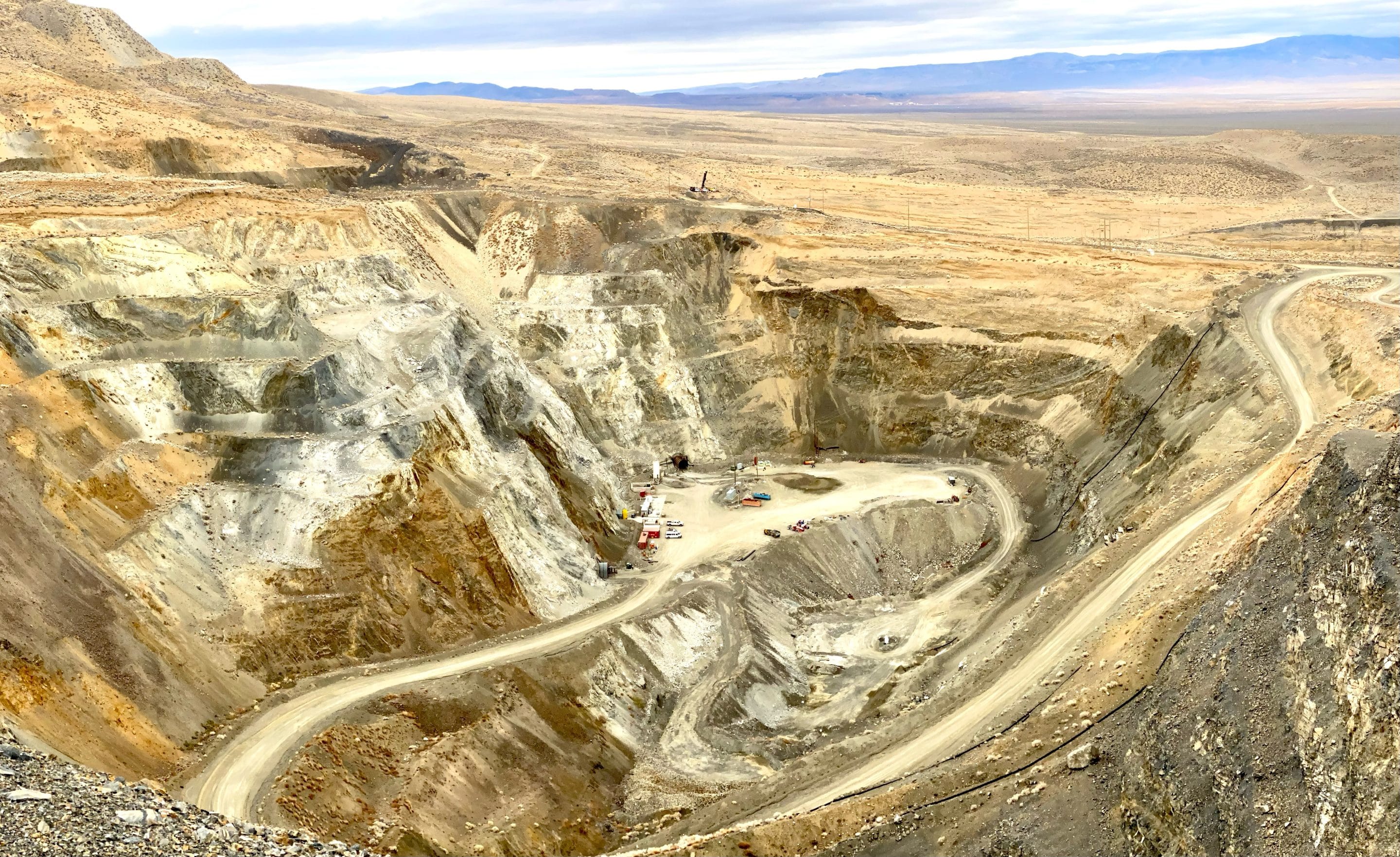
The B26 deposit, located in the Abitibi Greenstone Belt within Quebec's Selbaie Camp, hosts a 2026 MRE of 25.3 million tonnes (Mt) at 2.1% copper equivalent. The estimate comprises 13 Mt at 2.1% copper equivalent in the Indicated category and 12.4 Mt at 2.2% copper equivalent in the Inferred category, containing approximately 775 million pounds of copper, 471,000 ounces of gold, 16 million ounces of silver, and 376 million pounds of zinc.
That resource base did not exist in its current form when Abitibi entered the option in 2023. The 124% increase in total tonnage between the 2024 and 2026 MRE updates is the direct product of the 52,000-metre drill campaign executed under the earn-in, at a discovery cost of C$0.025 per copper equivalent pound and drilling costs maintained at C$250 to C$300 per metre.
Capital Allocation: What Was Paid & What Was Gained
The earn-in completion required exploration expenditures across Phases 1 through 3 and the issuance of 3,793,864 common shares, a contained dilution event against a fully diluted share count of 192.5 million with minimal warrant overhang of 0.6 million shares. What was gained is more consequential: Programme sequencing is no longer conditioned on earn-in thresholds. Abitibi's 80% economic interest in future resource updates is now fixed under the joint venture framework.
The company holds approximately C$22 million in cash, is fully funded through the First Quarter of 2027, and has raised C$44 million across four private placements. An industry-low general and administrative (G&A) burn rate has channeled a high proportion of that capital into the ground rather than overhead.
Project & Regional Context
The Abitibi Greenstone Belt is one of the most prolific base and precious metal mining districts in Canada, with a multi-decade history of volcanogenic massive sulfide (VMS) deposit discovery and production. B26's location within the Selbaie Camp places it within an established geological address.
The company also holds the Beschefer Property as a secondary asset within its Quebec-focused portfolio, alongside several grassroots exploration properties. The primary capital and technical focus is B26, and the Phase 4 program reflects that concentration: a fully funded 40,000-metre program targeting resource expansion, infill drilling, and regional exploration.
What to Watch Next
With majority ownership secured and Phase 4 underway, the most immediate observable is whether the 40,000-metre Phase 4 program, targeting resource expansion, infill drilling, and regional exploration, delivers results at a pace consistent with a fully funded, uninterrupted campaign. In parallel, Abitibi has indicated it will advance metallurgical optimization, geotechnical and hydrogeological studies, environmental baseline work, and preliminary mine planning.
FAQs (AI-Generated)
Abitibi exercised early to secure 80% ownership after strong drilling results increased resource confidence, making full control more valuable than retaining optionality.
It signals management confidence in the project’s scale and economics, as well as a disciplined capital allocation decision to accelerate development timelines.
The issuance of 3,793,864 shares represents modest dilution relative to 192.5 million fully diluted shares, suggesting a controlled cost for increased ownership.
The 2026 MRE defines B26 at 25.3 Mt at 2.1% copper equivalent, containing copper, gold, silver, and zinc across indicated and inferred categories.
Key catalysts include results from the 40,000m drill program, resource upgrades, and progress toward technical studies such as a Preliminary Economic Assessment (PEA).
Analyst's Notes





Subscribe to Our Channel



Stay Informed






















