




Antimony: A New Margin Driver for Americas Gold & Silver


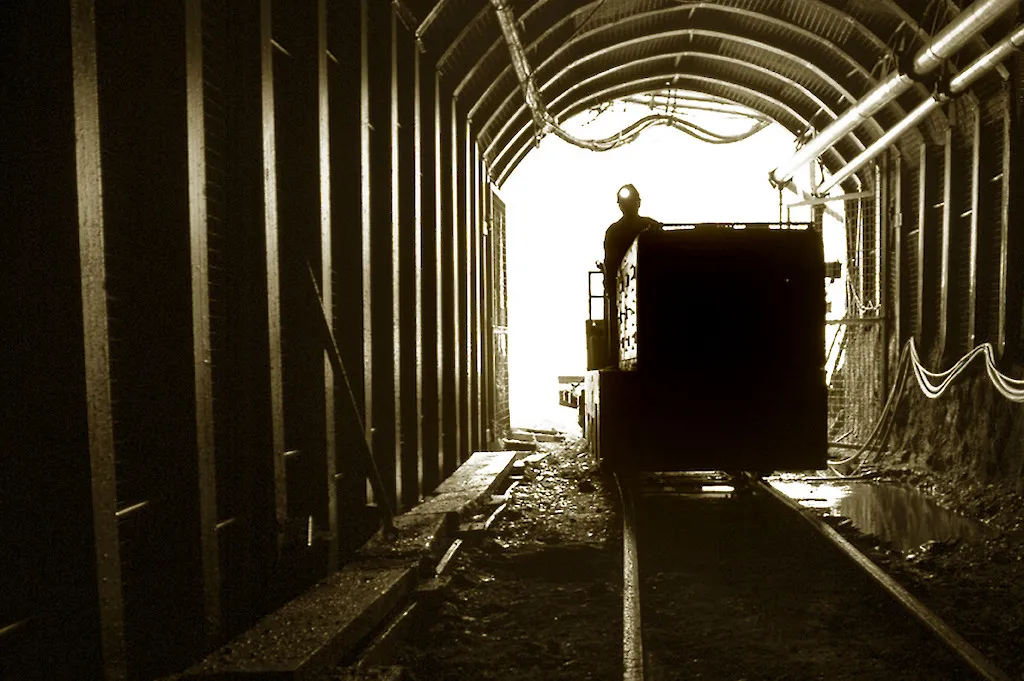
Americas Gold & Silver turns antimony into a strategic margin driver via a US mine-to-metal JV, leveraging policy-driven demand and low-cost by-product economics.
- US antimony supply chain gaps and federal stockpiling initiatives are driving non-cyclical demand and elevating the strategic value of domestic refining capacity.
- Americas Gold & Silver's 51/49 Joint Venture (JV) with United States Antimony establishes a vertically integrated, mine-to-metal pathway at the Galena Complex, fully capturing antimony value.
- Transitioning from by-product penalties in silver concentrate to market pricing plus 51% of downstream profits materially enhances antimony economics.
- Existing Department of Defense and Defense Logistics Agency agreements provide price protection and create contract-backed demand visibility.
- Low incremental production costs, with antimony mined as a by-product of silver, position the metal as a scalable margin lever rather than a primary operating cost.
Antimony’s Emergence as a Strategic Critical Mineral in US Supply Policy
Antimony’s formal classification as a US critical mineral reflects a policy shift toward securing domestic supply chains for defense and industrial applications, granting access to stockpiling programs, funding pathways, and preferential procurement channels that were previously unavailable. The absence of any new US antimony processing facility since 1942 has entrenched reliance on foreign refining, prompting federal acknowledgment that the country is playing catch-up with geopolitical competitors. Current policy focus has moved from managing import disruptions to building integrated domestic processing capacity, elevating the strategic value of new mine-to-metal infrastructure.
A federal initiative has allocated $12 billion to critical mineral stockpiles, with identified requirements of 50 million pounds of antimony for US consumption and a further 40 million pounds for allied nations, highlighting demand that extends beyond domestic needs. Existing direct sales of refined antimony to the Department of Defense indicate that policy priorities are already translating into procurement activity, introducing non-cyclical offtake potential and supporting domestic pricing frameworks that may operate independently of broader commodity cycles.
During White House engagement on domestic antimony requirements, Chairman and Chief Executive Officer of Americas Gold & Silver, Paul Andre Huet, relayed the framing provided by a senior official:
“We don't just need 50 million pounds for the US, but we can't ever forget our allies. We need to produce antimony for them as well. Therefore, we need 50 million pounds domestically, and we need another 40 million, 80% on top of that.”
Supply Constraints & Pricing Signals in the Antimony Market
Antimony’s market structure reflects prolonged constraints in US processing capacity, with reliance on foreign smelters historically suppressing realized prices through concentrate penalties and limiting the metal’s visibility as a standalone economic contributor. Current pricing sits around $15 per pound, with industry discussion of a potential approximately $20 per pound floor linked to strategic federal stockpiling and Department of Defense procurement, which together introduce a policy-driven demand base. This combination of structural supply tightness, a $12 billion federal allocation, and defense-linked offtake has the potential to support pricing in a way that diverges from typical cyclical industrial metal dynamics.
From By-Product Penalty to Value Capture: The Economics of Vertical Integration
The core economic transformation at Americas Gold & Silver centers on how antimony is priced and captured within the company's production process. The shift from concentrate-based penalty structures to full metal value realization constitutes the most material near-term change in the company's revenue profile.
Current Revenue Structure & Value Capture Constraints
Under the existing arrangement, Americas Gold & Silver receives only fractions of the market price for antimony contained in its silver concentrate due to smelter penalties and the absence of a domestic refining pathway, creating a persistent gap between spot pricing and realized revenue.
“We're starting to get paid for our antimony, but we're still not getting paid market value for antimony. This is where, as a management team, we were struggling. We said, ‘How do we take advantage of the current antimony prices?’”
JV-Driven Margin Expansion & By-Product Cost Advantage
The 51/49 Joint Venture (JV) with United States Antimony shifts feed sales to market terms and provides a 51% share of downstream refining profits, moving from concentrate discounting to full metal value realization while maintaining majority economic exposure. This margin uplift is supported by a structurally low-cost base, as antimony is produced as a by-product of silver mining at Galena, with mining and milling costs already allocated to silver, allowing Earnings Before Interest, Taxes, Depreciation, and Amortization (EBITDA) contribution to scale with price and refining capacity rather than additional operating expenditure.
The Galena Complex as a Domestic Mine-to-Metal Platform
With full ownership of the Galena Complex, Americas Gold & Silver will construct a new leaching and refining plant on permitted land adjacent to the existing mill, removing the need for new environmental approvals and reducing development risk while integrating the operation within an active site. Construction is expected to take approximately 18 months following budget approval, with engineering commencing immediately. The process will leach antimony from concentrate and convert it into finished metal bars meeting Department of Defense specifications, establishing a fully domestic mine-to-metal supply chain.
Partnering with United States Antimony: Technical Capability & Market Access
United States Antimony brings demonstrated refining expertise, including a comparable facility constructed in approximately six months, reducing execution risk and providing a proven technical framework for the Galena plant. The partnership is structured to address both build and commercialization risk, combining Americas’ feed supply and site control with US Antimony’s processing capability and established government-facing operations.
As Huet stated:
"The moment we went together, we provide all the raw material for the next 80 plus years. They provide the expertise in producing that metal bar that we need for the Department of Defense."
US Antimony’s existing Defense Logistics Agency agreements, valued at approximately $245 million and incorporating price protection and cost-plus elements, provide a pre-existing pathway for finished metal sales, with a commitment to purchase JV output at market terms subject to final agreements. Governance is managed through a six-member committee with equal representation, Americas holding the chair, and a buyout right at fair market value or 120% of capital contributions in defined deadlock scenarios, preserving majority control and strategic optionality.
Production Profile, Scalability, & Margin Leverage
The Galena Complex provides an immediate antimony feed stream, producing 561,000 pounds in 2025, establishing a baseline for the JV’s downstream processing, revenue projections, and EBITDA contribution from day one. The facility is designed with surplus capacity to process 4 to 5 potential third-party supply contracts from US and allied sources, creating toll-processing revenue optionality that scales returns without additional mining output.
By-product economics keep incremental operating costs low, as mining and milling are allocated to silver recovery, while full market pricing and a 51% share of downstream profits enhance margins. Federal alignment through existing US Antimony qualifications and Defense Logistics Agency agreements offers contract-backed demand, price protection, and funding eligibility, mitigating execution and market volatility risks and positioning antimony as a meaningful margin driver rather than a nominal by-product.
The Investment Thesis for Americas Gold & Silver
- US critical minerals policy and a $12 billion federal stockpiling mandate create structural, non-cyclical offtake potential that is largely independent of traditional commodity demand cycles.
- Vertical integration at the Galena Complex enables full metal value capture versus historical concentrate penalties, representing a direct and near-term improvement in per-pound revenue realization.
- The low incremental cost profile of by-product antimony production enhances EBITDA margins and reduces downside risk relative to primary antimony producers exposed to full mining cost structures.
- Access to defense-linked contracts through United States Antimony's existing Defense Logistics Agency agreements introduces pricing protection, revenue visibility, and government alignment that is uncommon in the junior mining sector.
- Third-party feed processing provides a scalable revenue stream beyond internal production, improving returns on the facility's fixed capital without requiring additional mine development.
- The governance structure preserves Americas Gold & Silver's strategic control through the chair position, majority economic interest, and buyout rights under defined deadlock scenarios.
The JV transforms antimony from a discounted by-product into a strategically priced, domestically refined metal. Policy alignment, defense-linked demand, and downstream margin participation introduce new valuation drivers beyond the Galena Complex's established silver economics. With existing production, permitted infrastructure, and a defined build timeline, the relevant analytical question for investors shifts from antimony price direction to execution of domestic refining capacity and conversion of policy-driven demand into contract-backed offtake.
TL;DR Summary
Americas Gold & Silver is transforming antimony from a discounted silver by-product into a full-value, domestically refined metal through a 51/49 JV with United States Antimony. Federal stockpiling programs, Department of Defense procurement, and vertical integration at the Galena Complex provide non-cyclical demand, price protection, and margin leverage. Low incremental production costs, surplus facility capacity, and third-party feed optionality position antimony as a meaningful EBITDA contributor and strategic margin driver.
FAQs (AI-Generated)
Antimony is classified as a US critical mineral due to its defense and industrial applications, limited domestic refining capacity, and reliance on foreign supply, prompting federal stockpiling programs.
The JV enables full metal value capture, provides a 51% share of downstream refining profits, reduces execution risk, and creates a vertically integrated, domestic mine-to-metal supply chain.
In 2025, the Galena Complex produced 561,000 pounds of contained antimony, providing a baseline feed stream for the JV and allowing immediate downstream processing without ramp-up delays.
US critical minerals policy and a $12 billion stockpiling initiative create structural, non-cyclical demand that may establish a price floor near $20 per pound, independent of cyclical commodity trends.
The refining facility has surplus capacity to process 4-5 potential third-party supply contracts, scaling revenue and returns on fixed capital without requiring additional Galena mining output.
Analyst's Notes





Subscribe to Our Channel

%20(1)%20(1).jpg)


Stay Informed






