ATHA Energy Grants Compensation Securities: Reinforcing Insider Alignment as Uranium Scarcity Tightens



ATHA Energy's Jan 2026 compensation grant aligns insiders with shareholders as uranium supply constraints tighten. 10M options at $0.61 signal management conviction.
- ATHA Energy's January 2, 2026 compensation securities grant underscores management confidence and insider alignment at a critical point in the uranium cycle.
- The grant comprises 10,150,000 incentive stock options at a $0.61 strike price and 1,300,000 restricted share units, structurally tying executive upside to meaningful share price re-rating rather than short-term volatility.
- This governance signal coincides with structural uranium supply constraints, limited greenfield discoveries, and renewed long-term contracting momentum.
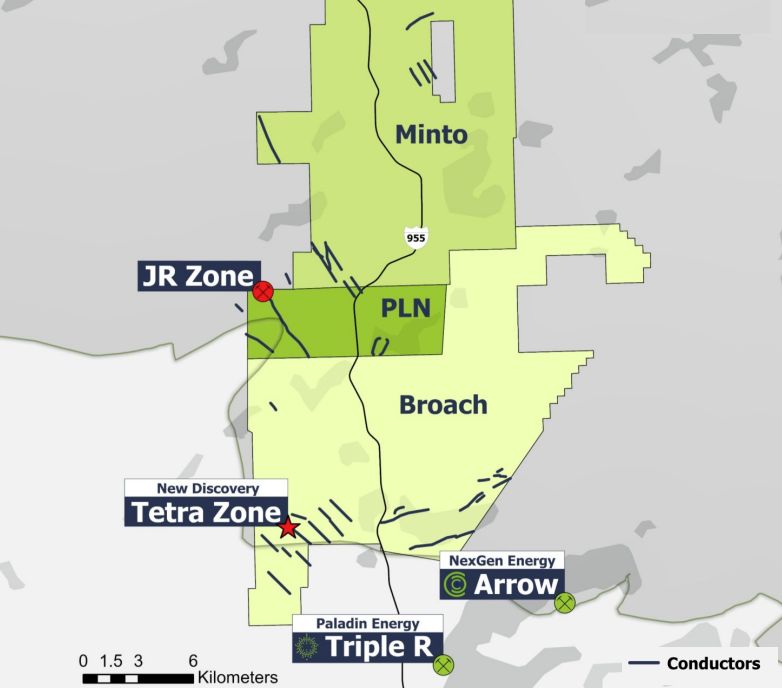
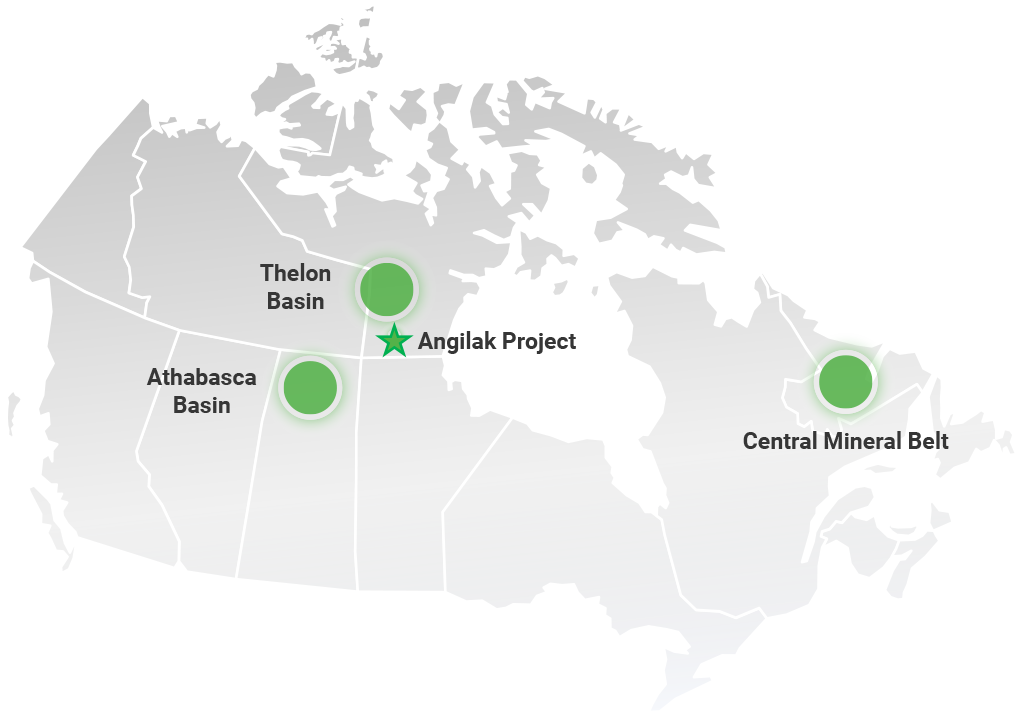
- ATHA's asset base offers exploration exposure at scale, combining post-discovery projects across more than 7 million acres and 10% carried interests in Athabasca Basin assets operated by NexGen Energy Ltd. and IsoEnergy Ltd.
- For investors, the compensation structure functions as a forward indicator of execution intent, capital discipline, and upside exposure to uranium price normalization.
Why Insider Alignment Matters in the Current Uranium Cycle
In capital-intensive commodity sectors, management compensation structures carry informational weight that extends beyond standard governance reporting. For uranium equities specifically, where development timelines stretch across multiple market cycles and regulatory complexity creates execution barriers, the alignment between executive incentives and shareholder outcomes warrants closer examination.
From Incentives to Signals
Compensation actions in long-cycle commodities function differently than in sectors with shorter capital return horizons. In uranium exploration and development, the gap between capital deployment and potential value realization can span five to fifteen years, making incentive structures a meaningful indicator of internal confidence in project trajectories.
The tension between equity dilution and value-accretive alignment represents a core governance consideration. Options issued at market prices require share price appreciation before executives realize value, creating structural alignment with shareholders seeking capital gains. Incentive grants also function as soft signals of internal expectations around project momentum and valuation inflection points.
Uranium's Structural Setup Raises the Stakes
The current uranium market configuration amplifies the significance of insider alignment signals. Global mine supply growth remains constrained by limited new project approvals, extended permitting timelines, and the capital intensity of greenfield development. Secondary supply sources have diminished following years of drawdown during the post-Fukushima oversupply period.
Multi-year permitting and development timelines create natural supply inelasticity. Even with elevated spot and term uranium prices, new production capacity cannot respond quickly to demand signals. Utility procurement behavior has shifted toward longer-dated contracts, reflecting concerns about supply security.
Troy Boisjoli, Chief Executive Officer of ATHA Energy, frames the current opportunity in structural terms:
"The macro environment in the uranium sector is unequivocally unlike any time I've seen in my career. The sentiment, the real demand that's being built up coupled with some of the supply side risk, is a setup, a structural setup like we have not seen."
ATHA Energy's Compensation Grant: Structure & Implications
The January 2, 2026 compensation securities grant provides a concrete example of alignment mechanisms in practice. Understanding the grant's structure and timing offers insight into management's expectations and governance philosophy.
Structure of the Grant
The compensation package comprises 10,150,000 incentive stock options and 1,300,000 restricted share units granted to directors, officers, and key employees. Options carry an exercise price of $0.61, set at market levels at the time of grant.
The vesting structure creates temporal alignment with sustained performance. For options, one-third vests on the date of issuance, one-third on the six-month anniversary, and one-third on the twelve-month anniversary. RSUs vest on the twelve-month anniversary, tying value realization to longer-term company performance rather than short-term price movements.
Incentive Discipline & Dilution Risk
The equity plan cap functions as a governance safeguard, with aggregate shares issuable under the plan not exceeding 10% of issued and outstanding common shares. This threshold protects minority shareholders from excessive dilution while enabling the company to attract and retain talent.
Why Timing Matters
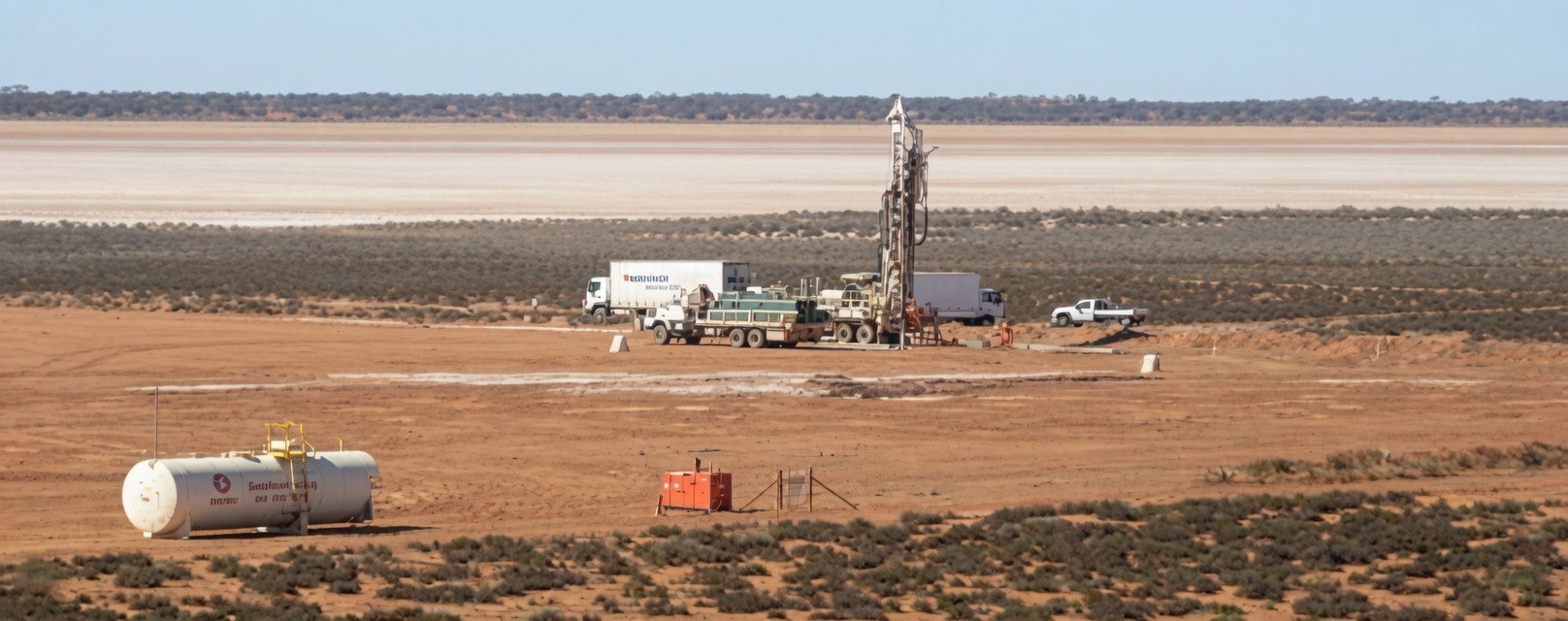
The grant's timing coincides with active drilling programs, post-discovery advancement, and sector-wide capital re-rating. ATHA's recent exploration at the Angilak Project delivered results across all 25 diamond drill holes in a 10,051-meter program, with each hole intersecting uranium mineralization.
Troy Boisjoli emphasizes the exploration-to-development progression underlying ATHA's strategy:
"The objective here is not exploration for the sake of exploration. It's exploration for discovery’s sake to move projects forward, to be extremely relevant in this cycle... For 2026, our intention is to move these projects forward in earnest, with an allocation of dollars between advancing deposits and exploration."
Uranium Supply Constraints & Capital Allocation Patterns
Understanding ATHA's positioning requires examining the broader supply and capital environment shaping uranium equity valuations.
Supply Dynamics & Contracting Behavior
Declining secondary supply has removed a buffer that previously dampened price volatility. Primary mine production now represents a larger proportion of total supply, increasing sensitivity to production disruptions and new project delays.
Limited new mine approvals reflect both the extended timelines required for uranium project permitting and the capital discipline exercised by major producers during the extended price downturn. Utilities have responded by shifting toward longer-dated contracts, securing supply commitments that extend five to ten years into the future.
Capital Selectivity in Current Markets
Despite favorable supply-demand fundamentals, capital allocation to uranium exploration and development remains selective. Institutional investors increasingly favor jurisdictional safety, project scalability, and discovery leverage without near-term capital expenditure intensity. Canadian assets benefit from perceived regulatory stability and permitting transparency.
Asset Scale as Strategic Positioning
ATHA's asset base spans multiple uranium basins with varying levels of exploration maturity, creating a portfolio structure that differs from single-project explorers.
Land Position & Replication Barriers
Control of large land positions in established uranium districts creates strategic value that extends beyond immediate exploration potential. ATHA controls more than 7 million acres across its portfolio, including sole control of the Angikuni and Yathkyed Basins.
Permitting relationships, Indigenous engagement agreements, and legacy geological data represent additional barriers to replication. These elements require years to develop and cannot be accelerated through capital deployment alone.
Troy Boisjoli describes ATHA's district-scale control:
"We're in sole control of an entire uraniferous basin here... I view it as being analogous to exploring in the northeast Athabasca basin circa 1965. The Rabbit Lake discovery was made in '68, so pre-major discoveries... At this stage in a market, being in control of a district like we're in has us in a very good position of strength."
Post-Discovery Assets & Exploration Efficiency
ATHA's portfolio includes both early-stage targets and assets where prior work has defined mineralized systems. Exploration to date has resulted in five discoveries, including the Mineralized RIB Corridor, which extends over 12 kilometers of strike length underpinned by advanced EM-defined drill targets.
Troy Boisjoli contextualizes the exploration results:
"We're seeing mineralization over 12 kilometers of strike length... I've not seen a project like this through my time in the uranium space. To think about holes that are drilled 1.5 kilometers away from the nearest closest hole and to hit 26 meters of mineralization in that hole is exceptional."
Carried Interests as Structural Optionality
Beyond wholly-owned assets, carried interests in partner-operated projects provide additional exposure mechanisms with distinct risk-return characteristics.
Capital Efficiency & Treasury Preservation
ATHA holds 10% carried interests in key Athabasca Basin exploration projects operated by NexGen Energy Ltd. and IsoEnergy Ltd. These arrangements provide exposure to exploration and development upside without proportional capital intensity, reducing shareholder dilution during capital-intensive exploration phases while maintaining optionality on successful outcomes.
Partner Quality & Operating Risk
Strategic value of carried interests depends partly on partner quality and operating capability. Arrangements alongside experienced operators transfer operating risk while maintaining exposure to geological success. The NexGen and IsoEnergy partnerships provide exposure to operations managed by teams with demonstrated uranium development expertise.
Management Capability & Execution Considerations
Uranium development presents specialized execution challenges that differentiate experienced teams from those entering the sector opportunistically.
Sector-Specific Complexity
Regulatory frameworks governing uranium exploration and development involve multiple agencies, extended review timelines, and technical requirements specific to radioactive materials handling. Teams without uranium-specific experience face learning curves that can delay project advancement.
Track Record & Continuity
Troy Boisjoli references the team's technical foundation:
"We have a highly experienced team working on this... Cliff Revering, our Vice President Exploration, is a guy that I consider one of the best in the business, formerly chief geologist at Cameco's Cigar Lake operation. We know uranium."
Key executives include Troy Boisjoli (Chief Executive Officer and Director), Ryan Gaffney (Senior Vice President, Business Development), Rhéal Assié (Chief Financial Officer), and Mike Castanho (Chairman).
Valuation Context: Optionality & Delivery Considerations
Enterprise value per pound of resource varies significantly across development stages, reflecting the probability-weighted value of reaching production. Post-discovery assets with indicated resources command premium multiples relative to inferred resources, reflecting reduced geological uncertainty.
Potential Re-Rating Catalysts
Several factors could drive valuation re-rating. Drill results converting inferred resources to indicated categories reduce geological risk. Demonstrated continuity and scale at discovery zones validate initial geological models. Strategic partnerships or acquisition interest from larger producers provide external validation of asset quality.
Risk Factors Under Consideration
Investors continue to price exploration risk, recognizing that not all discoveries advance to development. Commodity price volatility introduces revenue uncertainty affecting development economics. Permitting timelines remain difficult to predict, with regulatory delays capable of materially affecting project schedules.
The Investment Thesis for Uranium
The structural case for uranium exposure rests on several interconnected factors that create potential upside for appropriately positioned companies.
- Structural supply tightness supports sustained uranium price floors as secondary supply sources remain depleted and new mine development lags demand growth.
- Long permitting timelines favor existing landholders in established Canadian jurisdictions where competitive entry requires years of relationship building and regulatory engagement.
- Exploration-at-scale models offer upside potential with diversified risk, reducing binary exposure to single-target outcomes while maintaining discovery optionality.
- Insider alignment and disciplined incentive structures improve confidence in capital allocation decisions and signal management conviction about near-term value creation.
- Carried interests provide non-dilutive exposure to potential discoveries alongside experienced operators with demonstrated development capabilities.
Context for the Compensation Signal
Compensation grants represent corporate actions that warrant interpretation rather than passive reporting. For ATHA Energy, the January 2, 2026 grant coincides with active exploration momentum, a 10% equity plan cap protecting shareholders, and structural supply constraints that elevate the significance of insider conviction.
The combination of alignment mechanisms, asset scale exceeding 7 million acres, 10% carried interests in partner-operated Athabasca projects, and market timing creates a configuration that presents considerations for investor analysis. Governance signals function as inputs to investment analysis rather than conclusions, providing analytical value that complements fundamental evaluation of assets and market conditions.
TL;DR
ATHA Energy granted 10.15 million stock options at $0.61 and 1.3 million RSUs to executives on January 2, 2026, structurally aligning management incentives with shareholder returns during a pivotal uranium market. The grant coincides with constrained global uranium supply, depleted secondary inventories, and renewed utility contracting momentum. ATHA controls over 7 million acres across multiple uranium basins and holds 10% carried interests in Athabasca Basin projects operated by NexGen Energy and IsoEnergy. Recent drilling at Angilak delivered uranium mineralization across all 25 holes. The compensation structure, capped at 10% dilution, signals insider conviction in near-term value creation amid structural supply tightness.
FAQs (AI-Generated)
The January 2, 2026 grant comprises 10,150,000 incentive stock options with a $0.61 exercise price and 1,300,000 restricted share units. Options vest in thirds over 12 months, while RSUs vest fully at the 12-month anniversary, tying executive compensation to sustained performance.
Uranium projects require 5-15 year development timelines, making management incentives a meaningful indicator of internal confidence. Options issued at market prices require share price appreciation before executives realize value, creating structural alignment with shareholders seeking capital gains.
ATHA controls more than 7 million acres across multiple uranium basins, including sole control of the Angikuni and Yathkyed Basins. The company also holds 10% carried interests in Athabasca Basin exploration projects operated by NexGen Energy Ltd. and IsoEnergy Ltd.
Global uranium supply remains constrained by limited new project approvals, extended permitting timelines, and depleted secondary supply sources. Primary mine production now represents a larger share of total supply, increasing price sensitivity to disruptions and project delays.
ATHA's Angilak Project drilling delivered uranium mineralization across all 25 diamond drill holes in a 10,051-meter program. The Mineralized RIB Corridor extends over 12 kilometers of strike length with advanced electromagnetic-defined drill targets.
Analyst's Notes





Subscribe to Our Channel






Stay Informed