




2026 Outlook: Black Bear Advances Shafter JORC Conversion With Fully Funded 2026 Drill Program


Black Bear's high-grade Texas silver project offers infrastructure leverage and critical mineral exposure amid US supply deficits, with JORC conversion targeted H2 2026.
- Black Bear Minerals has repositioned from lithium exploration to become a focused North American precious metals developer, completing acquisition of the Shafter Silver Project in Texas for A$30 million alongside its advancing Independence Gold Project in Nevada, with A$17 million working capital allocated for exploration and development activities through 2026.
- The flagship Shafter Silver Project hosts 17.6 million ounces at 289 g/t in foreign resource estimates alongside US$150 million of existing infrastructure including underground workings and processing facilities operational until 2013, with CEO Dennis Lindgren emphasising the project ranks amongst the ASX's highest-grade silver resources in a top-five global mining jurisdiction offering 20% tax rates.
- Black Bear targets JORC-compliant resource conversion by second half 2026 through drilling campaigns focusing on near-surface extensions returning rock chip samples exceeding 3,000 g/t, whilst historical stockpile evaluation revealing grades averaging over 300 g/t creates potential supplementary feed sources and multicommodity sampling identifies zinc, lead, vanadium, and gold upside beyond historical silver-only operations.
- Silver's designation as a US critical mineral addresses America's dramatic supply deficit where domestic production of 30 million ounces meets only 15% of annual consumption exceeding 210 million ounces, with Lindgren noting five consecutive years of structural global deficits create strategic imperative for government support mechanisms incentivising domestic production alongside favourable commodity fundamentals.
- The Independence Gold Project provides portfolio diversification through Nevada exposure with dual-zone mineralisation comprising 419,000 ounces near-surface heap-leachable at 0.4 g/t and 980,000 ounces high-grade skarn at 6.67 g/t, with 5,000 metres completed drilling exceeding planned programmes and assay results expected early 2026 whilst partial permitting at Shafter and established community support reduce regulatory timeline risks.
Black Bear Minerals (ASX:BKB) has emerged from a significant corporate transformation, pivoting from lithium exploration in James Bay to become a focused precious metals developer with high-grade silver and gold assets across North America's premier mining jurisdictions. The company recently completed the acquisition of the Shafter Silver Project in Texas, coupled with its advancing Independence Gold Project in Nevada, positions Black Bear at the intersection of favorable commodity fundamentals, jurisdictional advantages, and infrastructure leverage that could accelerate development timelines considerably beyond typical grassroots exploration ventures.
Under the leadership of CEO Dennis Lindgren, who brings strategic experience from South32 and Alcoa focusing on critical mineral projects globally, Black Bear has secured one of the highest-grade silver resources on the ASX alongside existing infrastructure that provides potential pathways to near-term production. The company's repositioning coincides with silver's formal designation as a critical mineral in the United States, elevating the strategic importance of domestic supply sources as structural deficits persist for the fifth consecutive year.
The Shafter Silver Project: High-Grade Resource with Production Infrastructure
The Shafter Silver Project, located in Presidio County, Texas near the Mexican border, represents Black Bear's flagship asset following the recent acquisition. The project hosts a foreign mineral resource estimate of 17.6 million ounces at an impressive grade of 289 g/t silver, positioning it amongst the highest-grade silver resources listed on the Australian Securities Exchange. Lindgren emphasises the project's strategic positioning:
"It's one of the highest grade silver projects on the ASX. It comes with about 150 million in estimated infrastructure and that includes existing underground workings, existing core sheds as well as historical data that really allows for us to understand the site."
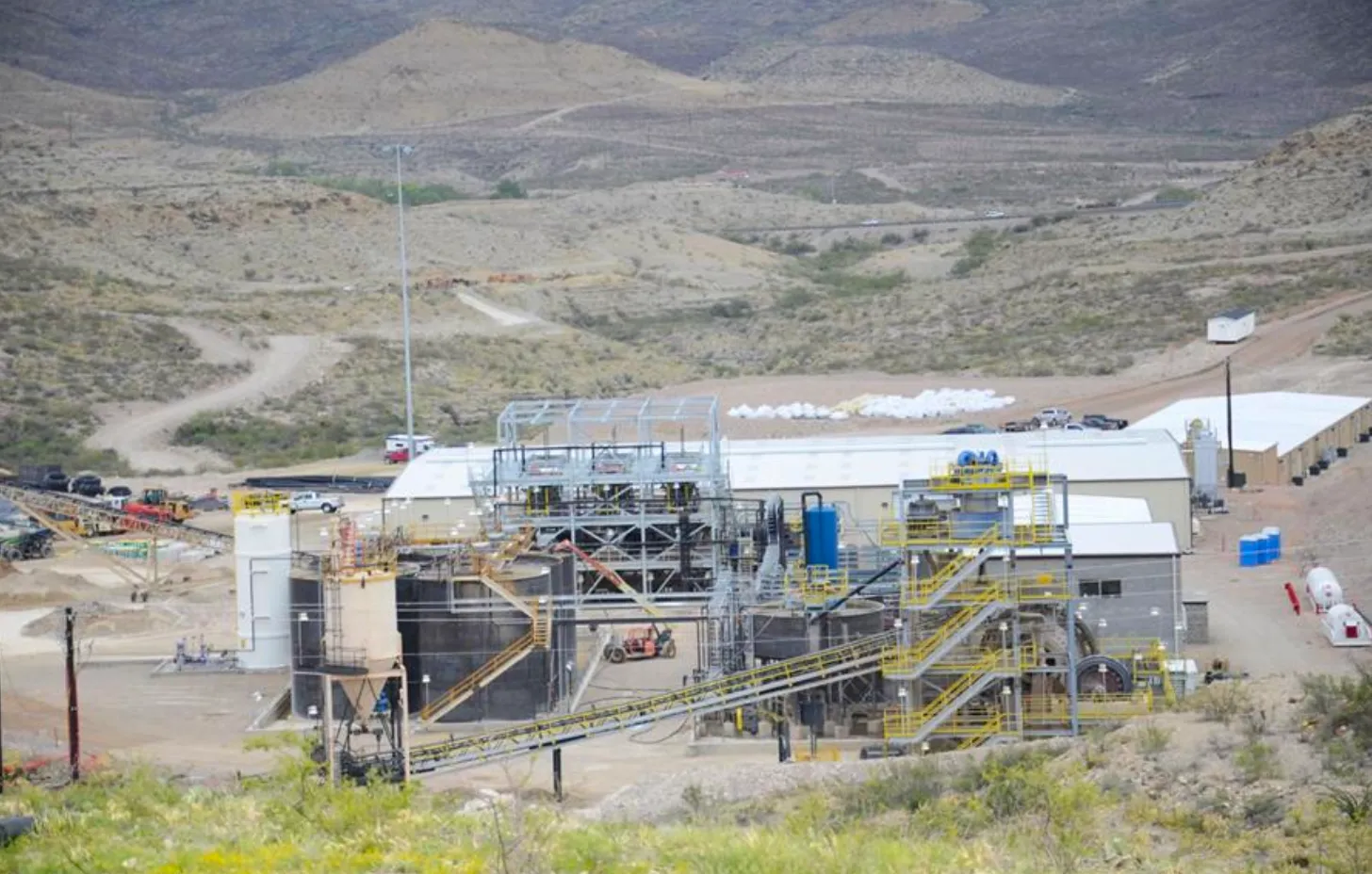
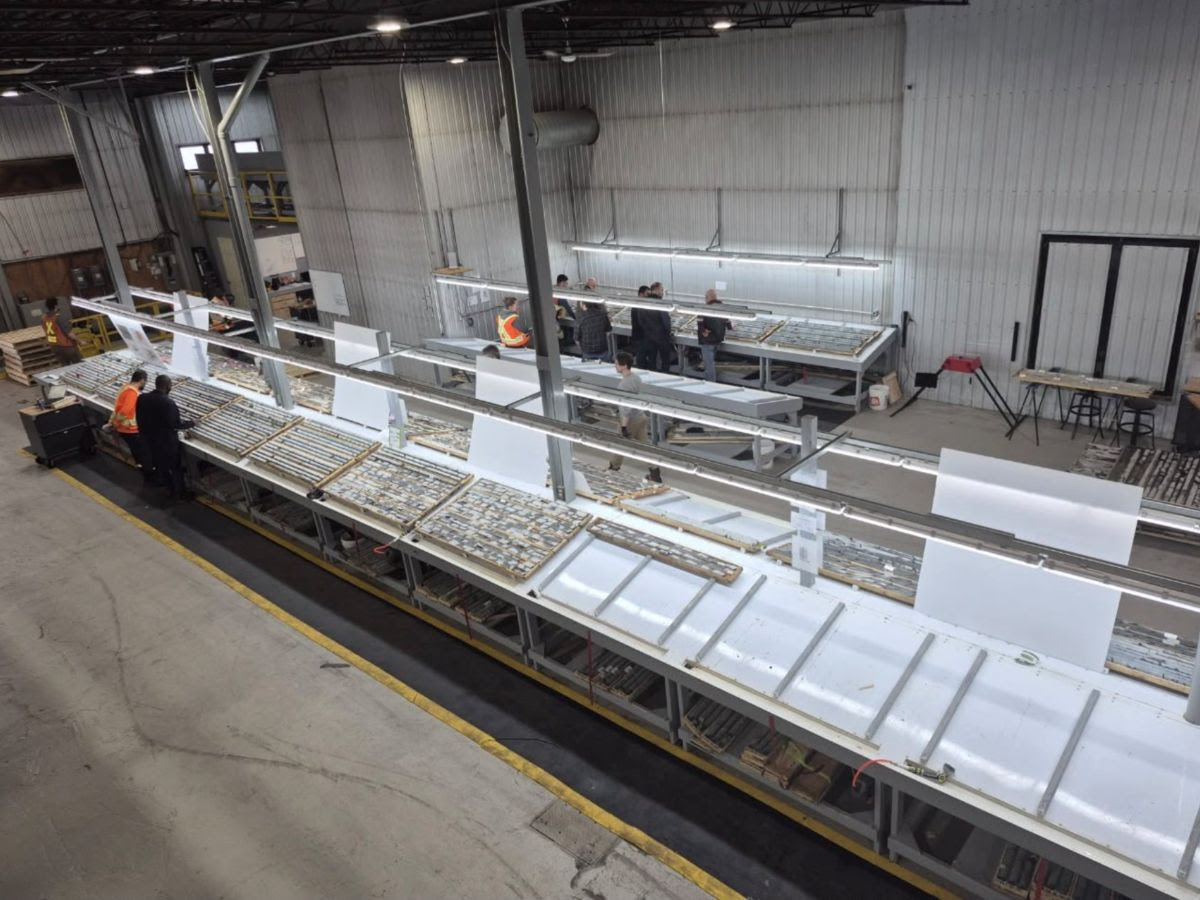
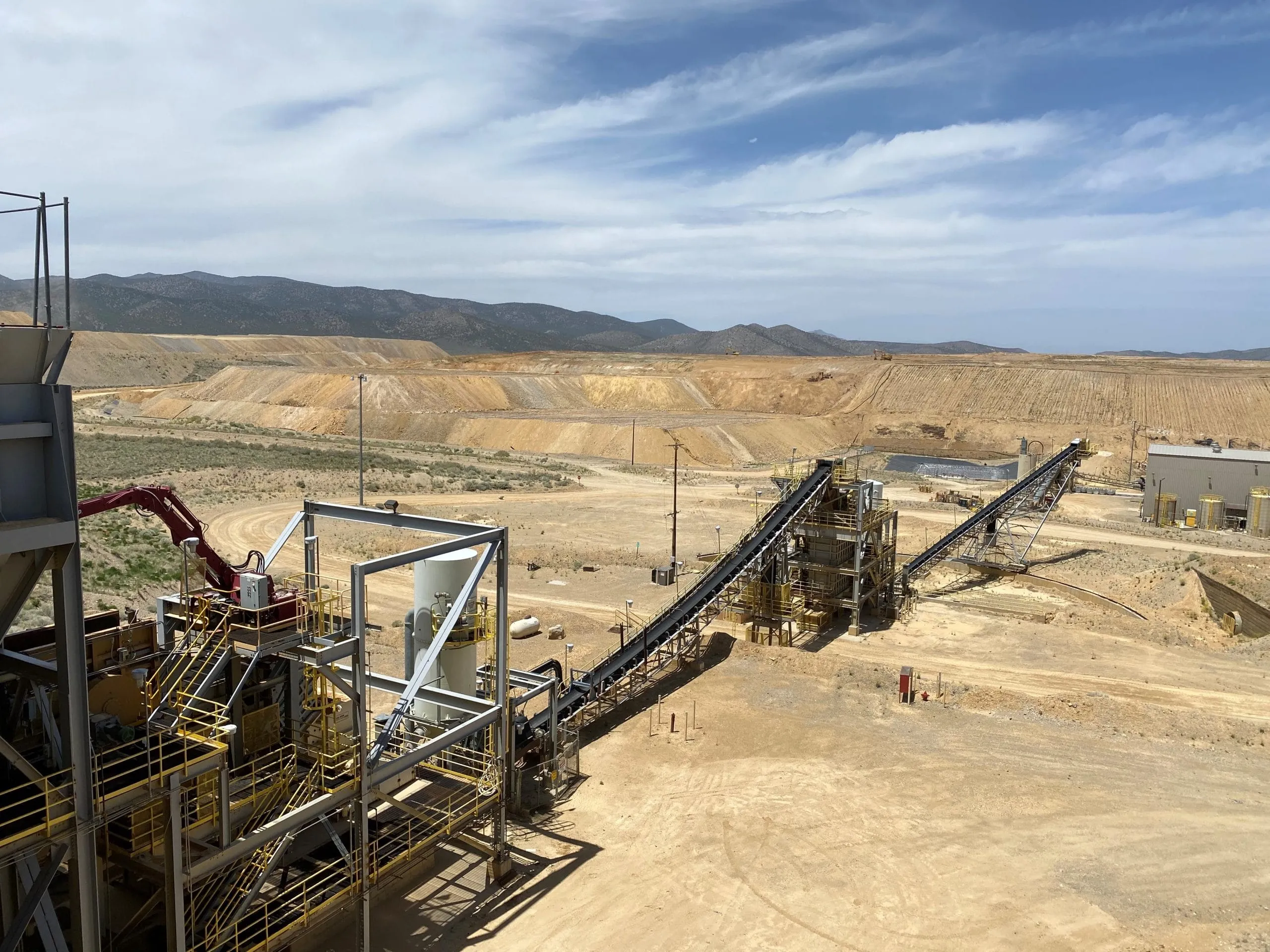
The project's existing infrastructure provides a substantial competitive advantage that differentiates Shafter from typical exploration-stage assets. The site includes underground workings, mill circuits, processing facilities, warehouses, and even the historical vault where silver was stored during previous operations that continued until 2013. This infrastructure, whilst requiring modernization and dilapidation studies, remains in relatively good condition and offers Black Bear the opportunity to potentially accelerate development timelines significantly compared to greenfield projects requiring complete infrastructure construction from scratch.
Black Bear's acquisition structure allocated approximately A$17 million toward transaction costs from the A$30 million capital raising, leaving A$17 million in treasury designated for exploration and development activities. Lindgren confirmed that 80% of the placement will go to expansion or exploration of both the Independence gold project but also the Shafter Silver project providing the company with substantial working capital to advance both assets through 2026 and beyond.
Resource Conversion and Exploration Upside
Black Bear's immediate priorities centre on converting the existing foreign mineral resource estimate to JORC compliance whilst demonstrating exploration upside beyond the current resource footprint. The company targets completion of a JORC-compliant resource by the second half of 2026, a relatively compressed timeframe enabled by the extensive historical drilling database and preserved core samples available for review and re-assaying.
Lindgren outlined the strategic approach:
"We would also incorporate and consider the twinning of certain holes that were done historically that allow for us to convert that mineral resource really easily. So they're all things as catalysts that we're incorporating to make sure that we can leverage the existing data that's available and bring our investors up to speed about what the potential is as soon as possible."
Beyond resource conversion, Black Bear's exploration programme will target several high-priority areas demonstrating significant upside potential. Recent rock chip sampling from historical open pit areas has returned exceptional grades, with Lindgren noting some of the rock chips got over that 3,000 g/t. The company's focus on near-surface mineralisation to the south of the existing resource footprint, coupled with systematic evaluation of historical waste stockpiles, could deliver rapid resource growth.
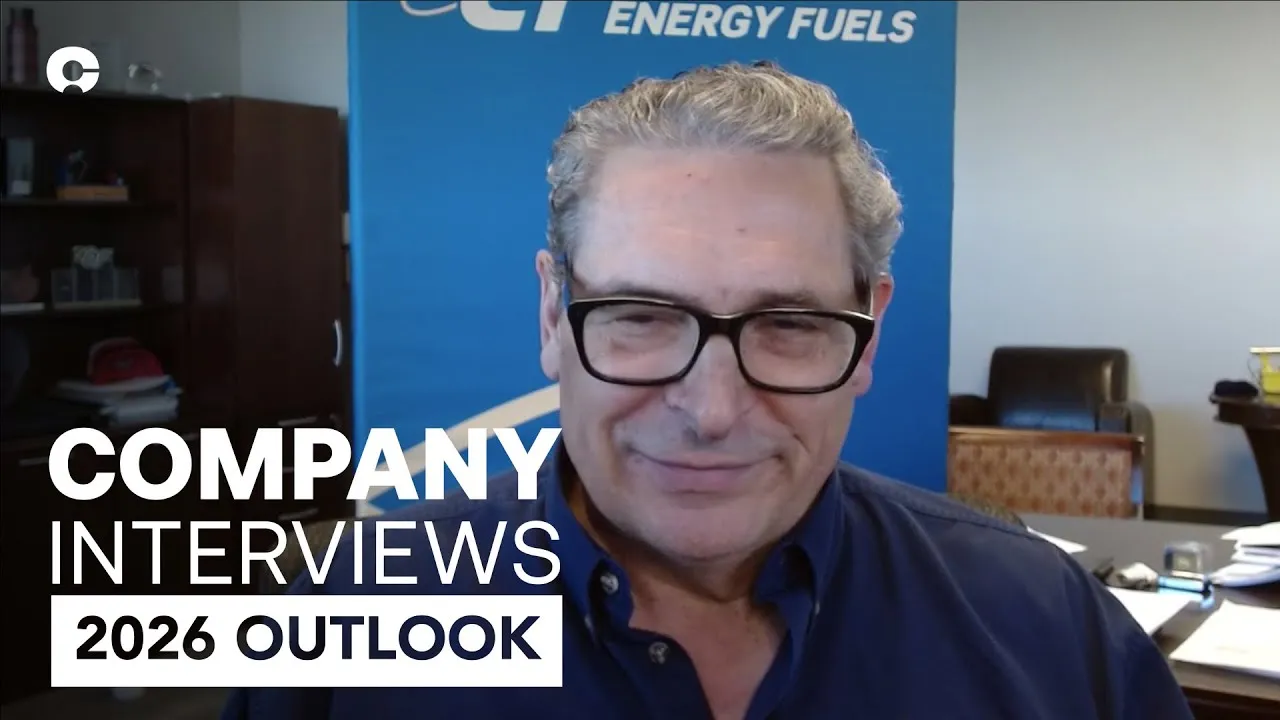
Interview with Dennis Lindgren, CEO of Black Bear Minerals
Multicommodity Potential: Beyond Silver-Only Focus
Black Bear's technical review has identified significant multi-commodity potential beyond the historical silver-focused exploration and production. The company's recent sampling programmes have identified elevated zinc, lead and gold values across various locations, suggesting that previous operators may have overlooked substantial value by concentrating exclusively on silver extraction and processing.
"Traditionally or historically, there's been more of a focus on silver," Lindgren acknowledged. "And so in some of the rock chip samples and the mineralization at surface and this is outside of the footprint of the existing foreign mineral resource estimate, we're picking up really good levels of zinc and lead that we would consider as targets to go forward with."
This multicommodity potential presents several strategic advantages for Black Bear. First, it provides additional exploration vectors that could expand the resource base substantially beyond current silver-equivalent calculations. Second, it offers potential metallurgical optimisation opportunities, as by-product credits from zinc, lead, or gold recovery could improve project economics considerably. Third, it validates the concept that historical operations may have underexploited the property's full mineralisation potential, supporting the thesis that modern exploration and processing approaches could unlock significantly greater value.
Infrastructure Leverage: Accelerating Development Timelines
The existing infrastructure at Shafter represents a critical competitive advantage that could substantially accelerate development timelines if Black Bear elects to pursue a production pathway. The site's partially permitted status, coupled with preservation of key processing infrastructure, eliminates many of the time-consuming and capital-intensive steps typically required for mine development.
Whilst the company has not yet completed comprehensive engineering assessments since acquiring the asset, the CEO emphasised that the historical infrastructure has the potential to be developed in the near term. The infrastructure component creates optionality for Black Bear that extends beyond traditional exploration funding models. Lindgren suggested potential interest from both Australian and American government entities given silver's critical mineral designation.
Lindgren addressed the infrastructure valuation directly:
"Historically there is a PEA, a preliminary economic assessment that evaluates the existing infrastructure that's on the site. That was completed in 2018."
"Having an asset that's near-term can leverage some existing infrastructure, can access a high-grade existing foreign mineral resource estimate and actually attract some capital from the US markets as well as US government to be able to support the development of an asset such as that."
However, the company maintains realistic expectations regarding infrastructure condition and modernisation requirements. Lindgren noted the opportunities to improve efficiency and incorporate modern processing technologies beyond historical operational standards:
"There's of course a period where you need to bring that up to modernization but also undertake your relevant dilapidation studies and make sure that it's operable in today's world."
Jurisdictional Advantages: Texas' Mining-Friendly Destination
Black Bear's assets are strategically positioned in two of North America's most favourable mining jurisdictions. The Shafter Silver Project in Texas and Independence Project in Nevada both rank within the top five mining jurisdictions globally, combining fiscal advantages with regulatory certainty and established mining cultures.
Lindgren highlighted Texas's competitive positioning:
"In particular we operate in two of the most friendly mining jurisdictions. So Nevada is quite often rated as number one. And Texas itself is rated within the top five particularly for tax. I think it's 20% tax applied to operate within Texas which is a really economically friendly area to mine within."
The Shafter Project's location in Presidio County, immediately adjacent to the Mexican border, provides practical advantages beyond tax considerations. The proximity to major Mexican silver mining operations ensures access to experienced workforce, established supply chains, and proven mining service providers familiar with underground silver operations.
"Access to capability, technology, resources and workforce is quite easy and that supports us being able to advance the asset pretty quickly," Lindgren noted.
Community support represents another critical jurisdictional advantage often overlooked in technical assessments. Lindgren's personal interactions with local stakeholders have been encouraging:
"Engaging with the local community within Presidio, it's been amazing to date. They're very welcoming of the asset supporting their community again and it's been great to see that their interest in actually wanting to develop an asset."
Silver's Strategic Importance
Silver's recent designation as a critical mineral in the United States fundamentally alters the strategic calculus surrounding domestic production projects. The designation reflects growing recognition that supply chain security extends beyond exotic materials to include traditional precious metals with expanding industrial applications, particularly in renewable energy infrastructure, electronics manufacturing, and defence applications.
Lindgren articulated the supply-demand imbalance facing American consumers:
"The US only produces about 30 million ounces currently of silver but uses about 210-220 million ounces a year, so really a net importer of silver. Having another US domestic asset that can actually supply into those markets we think is something that's very attractive particularly with it being critical now."
The critical minerals designation creates potential access to government support mechanisms designed to incentivise domestic production and reduce import dependence. Whilst Lindgren emphasised that such support is not necessary for project viability, he acknowledged its potential relevance:
"I don't think it's necessary that we wouldn't look to seek for financial support. I think some really interesting points is that silver is a critical mineral base within the US and a recognition that they're subject to some outer influence and that there is support that's required to be able to bring these assets on in the near term."
Independence Gold Project
Black Bear's portfolio diversification through the Independence Gold Project in Nevada provides exposure to North America's premier gold jurisdiction with dual-zone mineralisation offering both near-term and longer-term development options. The project hosts a near-surface heap-leachable gold resource of 419,000 ounces at 0.4 g/t alongside a high-grade skarn resource of 980,000 ounces at 6.67 g/t.
The company recently completed 5,000 metres of drilling, exceeding the planned 4,000-metre programme, with assay results expected in early 2026.
"That drilling targeted extensions of the existing resource in particular at the near surface," Lindgren explained. "The beauty of the near surface resource is that it's very consistent with some of the other practices that are being done in Nevada. It's heap leachable and something that can be readily accessed and infrastructure put in place with the appropriate permitting that allows for you to access and create value with that asset relatively quickly."
The Independence Project's development timeline likely extends beyond Shafter given the earlier exploration stage and permitting requirements for new operations, but the asset provides strategic portfolio balance and exposure to gold price movements alongside silver concentration at Shafter.
Capital Allocation and Development Strategy
Black Bear's capital allocation strategy reflects pragmatic balancing between pure exploration mandates expected by ASX-listed companies and the opportunistic infrastructure leverage available at Shafter. Lindgren articulated this positioning clearly:
"We are an ASX listed exploration company and so that has to be typically your primary focus when we're operating within the ASX. From our perspective the infrastructure that's on site, that's an opportunity that not just exists for us as operators of the site but it also exists for the local, the state, US domestic federal."
The company's immediate focus centres on resource definition, exploration success, and JORC compliance rather than rushing toward production decisions. However, the infrastructure optionality creates potential for accelerated development should commodity prices, government support, or strategic partnership opportunities materialise.
"We typically are very focused on that exploration mandate because that is what we have engaged with investors on," Lindgren confirmed. "The infrastructure component is something that is opportunistic for us to be able to make sure that it supports that resource as you go forward."
This measured approach appears appropriate given Black Bear's recent acquisition completion and the need to validate historical data through modern drilling programmes before committing substantial capital to infrastructure rehabilitation and production planning.
The Investment Thesis for Black Bear Minerals
- High-Grade Silver Resource with Infrastructure Leverage: Black Bear Minerals controls the Shafter Silver Project in Texas with a foreign mineral resource estimate of 17.6 million ounces at 289 g/t, positioning it amongst the highest-grade silver resources on the ASX, whilst existing infrastructure valued at US$150 million including underground workings, mill circuits, and processing facilities operational until 2013 potentially compresses development timelines by years compared to greenfield competitors requiring complete infrastructure construction from scratch.
- Near-Term JORC Conversion Catalyst: The company targets JORC-compliant resource conversion by the second half of 2026 through phased drilling campaigns designed to twin historical holes, demonstrate exploration upside beyond the current 17.6 million ounce footprint through near-surface extensions returning rock chip samples exceeding 3,000 g/t, and systematically evaluate historical stockpiles revealing grades averaging over 300 g/t silver that could provide supplementary feed sources for potential early production scenarios.
- Critical Mineral Designation Creates Government Support Pathway: Silver's designation as a US critical mineral, combined with America's dramatic supply deficit where domestic production of 30 million ounces falls catastrophically short of annual consumption exceeding 210 million ounces, creates potential access to government support mechanisms designed to incentivise domestic production whilst five consecutive years of structural global deficits support sustained elevated prices that improve project economics.
- Premier North American Jurisdictions with Tax and Permitting Advantages: The Shafter Project operates in Texas (top-five global mining jurisdiction, 20% tax rate) with partial permitting already in place, community support from Presidio County stakeholders, and access to experienced workforce and established supply chains from proximity to major Mexican silver mining operations, whilst the Independence Gold Project in Nevada provides portfolio diversification in North America's premier gold jurisdiction.
- Multicommodity Upside and Metallurgical Optimisation Potential: Recent sampling has identified elevated zinc, lead, vanadium, and gold values across multiple locations outside the current resource footprint, suggesting historical silver-only operations underexploited the property's full mineralisation potential, whilst modern metallurgical testwork targeting improvements beyond historical 85% recoveries combined with potential by-product credits could materially enhance project economics.
- Portfolio Balance Through Advanced Nevada Gold Asset: The Independence Gold Project hosts 419,000 ounces of near-surface heap-leachable gold at 0.4 g/t and 980,000 ounces of high-grade skarn mineralisation at 6.67 g/t, with 5,000 metres of completed drilling targeting resource extensions delivering assay results in early 2026 to provide newsflow and gold price exposure complementing the silver-focused Shafter flagship whilst maintained James Bay lithium assets offer optionality in battery metals.
- Adequate Capital and Experienced Leadership: A$17 million working capital following the A$30 million acquisition provides sufficient runway for comprehensive drilling programmes through 2026 without immediate dilution requirements, whilst CEO Dennis Lindgren's strategic experience with South32, Alcoa, and Wesfarmers focusing on critical mineral projects provides relevant expertise for navigating government engagement and strategic partnership development, though production pathway pursuit would require additional capital through strategic partnerships or equity markets access.
Macro Thematic Analysis: America's Critical Silver Supply Deficit
The United States faces a profound strategic vulnerability in silver supply chains that extends far beyond traditional precious metals investment narratives. With domestic production of approximately 30 million ounces annually falling catastrophically short of consumption exceeding 210 million ounces, America imports roughly 85% of its silver requirements despite the metal's designation as critical to national security and economic competitiveness. This dependence creates exposure to geopolitical disruption, trade policy changes, and supply concentration risks as global deficits persist for the fifth consecutive year.
Silver's critical mineral designation reflects expanding industrial applications that fundamentally distinguish current market dynamics from historical precious metals cycles. Renewable energy infrastructure, particularly solar photovoltaic manufacturing, consumes approximately 20% of annual silver production, with each solar panel requiring 20 grams of silver for electrical conductivity. Electronics manufacturing, defence systems, and emerging technologies including electric vehicles and advanced batteries create persistent industrial demand that competes with traditional investment and jewellery consumption.
The supply-demand imbalance intensifies as primary silver mine development has stagnated globally due to extended permitting timelines, capital intensity, and historically depressed prices discouraging exploration investment. Most silver production emerges as a by-product of base metal and gold mining, creating inflexible supply responses to price signals. Projects capable of delivering substantial primary silver production in politically stable jurisdictions with existing infrastructure represent increasingly scarce strategic assets.
As Black Bear Minerals' Dennis Lindgren articulated:
"Silver's at that turning point where effectively it is commercial currently but it is also being subject to increasing pressures. We've had deficits for the last 5 years of substantial amounts and that's due to the market starting to be influenced a little bit."
America's recognition of this vulnerability through critical minerals designation signals potential policy support for domestic production acceleration, creating investment framework changes that could materially benefit advanced-stage projects in favourable jurisdictions with near-term production potential.
TL;DR
Black Bear Minerals (ASX:BKB) has transformed from lithium explorer to North American precious metals developer through its A$30 million acquisition of the Shafter Silver Project in Texas, securing 17.6 million ounces at 289 g/t—one of the ASX's highest-grade silver resources—alongside US$150 million of existing infrastructure including underground workings and processing facilities operational until 2013. The company operates in premier jurisdictions (Texas top-five globally, 20% tax; Nevada number one) with A$17 million working capital funding JORC conversion targeted for H2 2026 and exploration campaigns demonstrating upside through rock chip samples exceeding 3,000 g/t. Silver's US critical mineral designation addresses America's supply deficit where 30 million ounce domestic production meets only 15% of 210+ million ounce consumption, creating government support pathways whilst five consecutive years of global deficits support elevated prices. Multicommodity potential including zinc, lead, vanadium, and gold suggests historical operations underexploited the property, whilst Independence Gold Project in Nevada (1.4M oz combined resources) provides portfolio balance with 5,000m completed drilling delivering assay results early 2026. Partial permitting, community support, and proximity to Mexican mining operations reduce development risks, though production pathway would require additional capital beyond current exploration mandate.
Frequently Asked Questions (FAQs) AI-Generated
Shafter combines three critical advantages rarely found together: exceptional grade (289 g/t versus industry averages typically below 100 g/t), substantial existing infrastructure valued at US$150 million including underground workings and processing facilities that operated until 2013, and location in a top-five global mining jurisdiction (Texas) with 20% tax rates and partial permitting already in place. This infrastructure leverage potentially compresses development timelines by years compared to greenfield projects requiring complete construction from scratch, whilst the high grade significantly improves project economics and reduces capital intensity per ounce produced. CEO Dennis Lindgren noted that recent rock chip sampling has returned values exceeding 3,000 g/t in near-surface areas outside the current resource footprint, suggesting substantial exploration upside beyond the existing 17.6 million ounce foreign resource estimate.
Silver's designation as a US critical mineral creates potential access to government support mechanisms designed to incentivise domestic production and reduce import dependence, addressing America's dramatic supply deficit where domestic production of 30 million ounces annually meets only 15% of consumption exceeding 210 million ounces. Lindgren explained: "Silver is a critical mineral base within the US and a recognition that they're subject to some outer influence and that there is support that's required to be able to bring these assets on in the near term." This designation elevates Shafter's strategic importance beyond traditional project economics, potentially attracting government co-investment, loan guarantees, or offtake agreements that could accelerate development and reduce financing costs. The combination of critical mineral status, high-grade domestic resource, and existing infrastructure positions Black Bear uniquely to benefit from policy support whilst five consecutive years of structural global deficits create favourable commodity fundamentals independent of government intervention.
Black Bear has outlined three primary catalysts for 2026: first, JORC-compliant resource conversion targeted for the second half of 2026, which will validate the foreign resource estimate of 17.6 million ounces at 289 g/t under Australian reporting standards and provide a foundation for economic studies; second, assay results from the 5,000-metre drilling programme completed at Independence Gold Project expected in early 2026, which targeted extensions to both the near-surface heap-leachable resource (419,000 oz at 0.4 g/t) and high-grade skarn zone (980,000 oz at 6.67 g/t); and third, drilling results from phased exploration campaigns at Shafter focusing on near-surface extensions to the south, multicommodity potential including zinc and lead, and historical stockpile evaluation. Additionally, investors should watch for infrastructure assessment studies evaluating rehabilitation requirements and potential production pathway economics, as management's approach to infrastructure leverage versus pure exploration focus will signal development strategy evolution. The company's A$17 million working capital provides runway through 2026 without immediate dilution requirements, though any acceleration toward production would necessitate additional capital raising or strategic partnerships.
The multicommodity potential represents both exploration upside and economic optimisation opportunity that previous operators appear to have overlooked by focusing exclusively on silver. Recent sampling has identified elevated zinc, lead, vanadium, and gold values across multiple locations outside the current resource footprint, with Lindgren noting: "We're picking up really good levels of zinc and lead that we would consider as targets to go forward with." This creates several strategic advantages: additional exploration vectors that could expand the resource base substantially beyond current silver-equivalent calculations; potential by-product credits that could improve project economics considerably through polymetallic processing circuits; and validation that modern exploration approaches with comprehensive assaying may unlock significantly greater value than historical operations achieved. Historical stockpiles averaging over 300 g/t silver suggest previous cutoff grades may have been inappropriately high for current metal prices, whilst the multicommodity potential indicates that even mined material may have been incompletely valued. This positions Black Bear to potentially re-evaluate the entire property through a modern lens incorporating metals that weren't priorities during previous operational periods.
Black Bear's current A$17 million working capital adequately funds the exploration and resource conversion mandate through 2026, with 80% allocated to drilling programmes at both Shafter and Independence projects. However, Lindgren clearly articulated that the company operates primarily as an ASX-listed exploration entity: "We are an ASX listed exploration company and so that has to be typically your primary focus." Any acceleration toward production would require substantial additional capital for infrastructure rehabilitation, metallurgical optimisation, permitting completion, and working capital, likely totalling tens of millions depending on production scale and processing approach. The existing US$150 million infrastructure valuation provides significant embedded value that should reduce capital intensity versus greenfield development, but comprehensive engineering assessments have not yet been completed since acquisition. Lindgren suggested potential pathways including strategic partnerships or government co-investment given silver's critical mineral status, which could provide more favourable financing terms than traditional equity dilution. Investors should anticipate that JORC conversion and initial drilling success would likely precede any detailed production pathway announcements, with capital raising requirements becoming clearer following completion of infrastructure assessment studies and economic scoping work expected during 2026.
Analyst's Notes





Subscribe to Our Channel




.jpg)

Stay Informed






















