




Cabral Gold Closes $20 Million Bought Deal Before Q4 2026 Production: 7 Things to Know



Cabral Gold closes a C$20 million bought deal to fund district exploration as Phase 1 construction advances, LP granted, and record drill grade returns.
- Cabral Gold Inc. closed a C$20,002,250 bought deal financing, issuing 21,055,000 common shares at C$0.95 per share, with net proceeds intended to be used toward exploration and development of its mineral properties and general working capital.
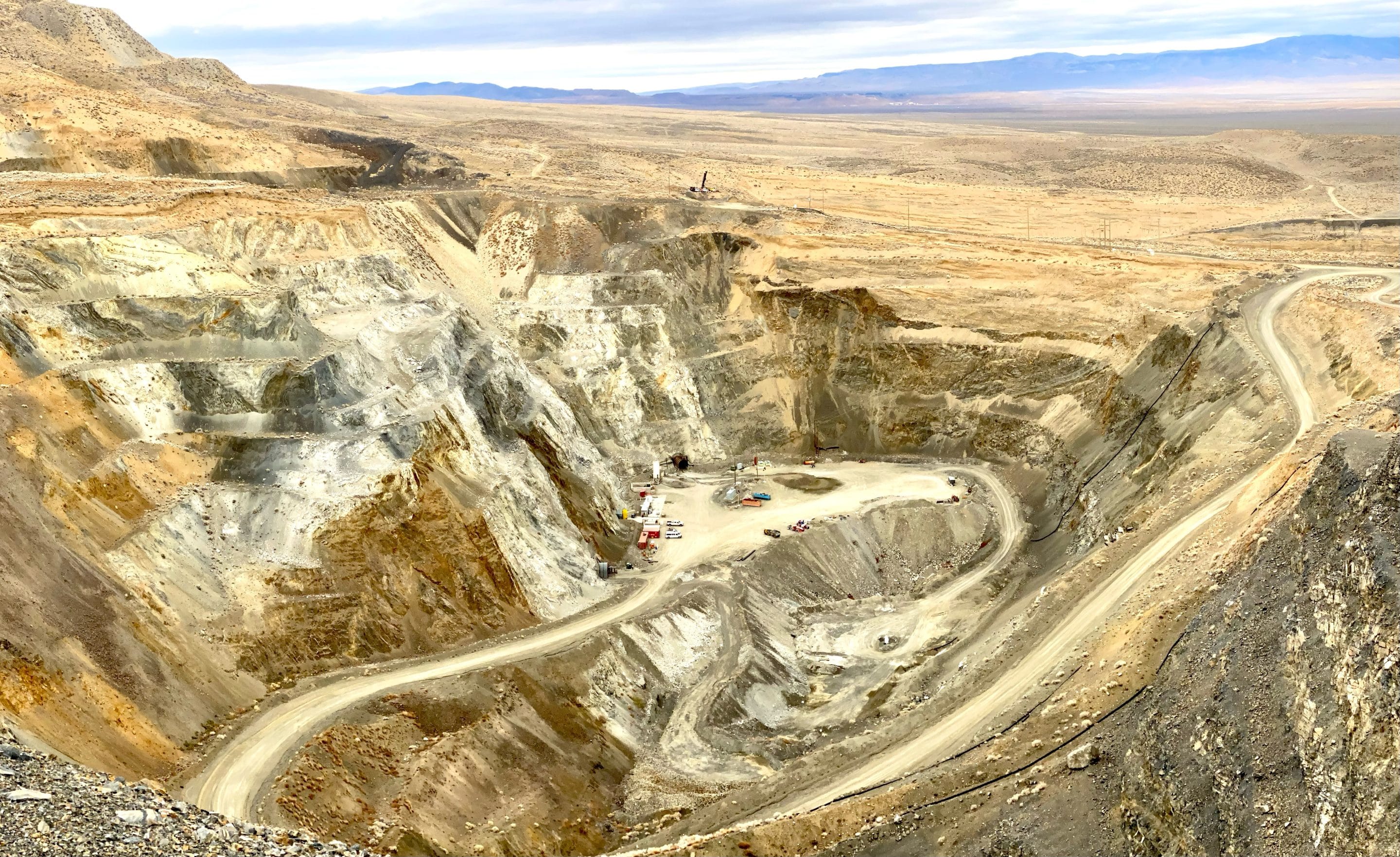
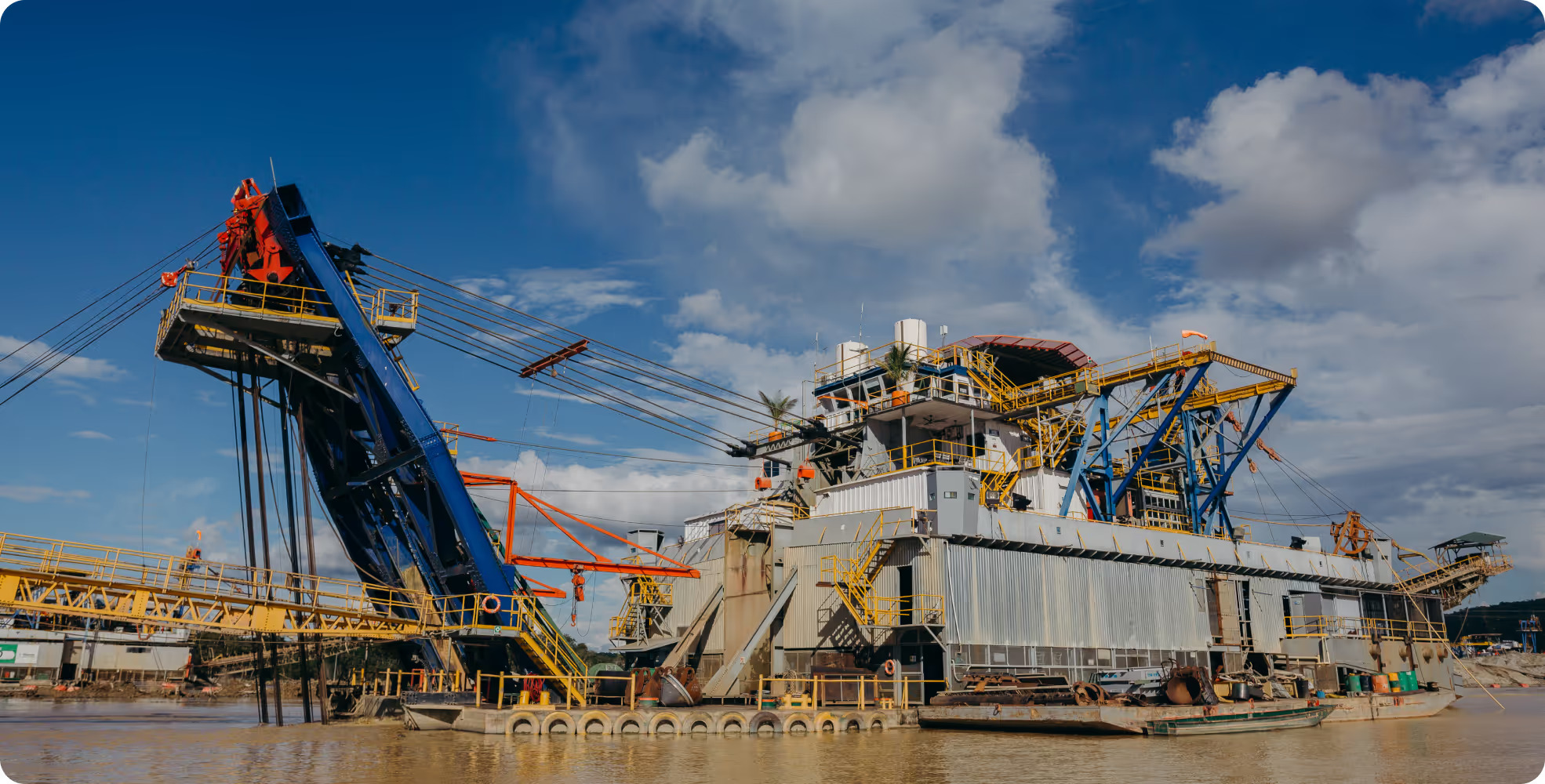
- Phase 1 heap leach construction at the Cuiú Cuiú gold district in northern Brazil is 54% complete, with 71% of project costs committed under contract, and remains on budget and on schedule for plant commissioning in the third quarter of 2026 and commercial production in the fourth quarter of 2026.
- Phase 1 is backed by a US$45 million gold loan facility closed in November 2025, which funds the construction of the starter operation independently of the equity raise.
- A Licença Prévia (LP) for the full mining licence was granted in March 2026, covering both the Phase 1 oxide expansion and the larger Phase 2 hard rock development at the Cuiú Cuiú district.
- Drilling at Jerimum Cima returned 9.5m at 87.4 grams per tonne (g/t) gold, the highest-grade intercept in the history of the Cuiú Cuiú project, with the high-grade zone remaining open along strike and at depth.
A Financing Timed to a Pivotal Moment
Cabral Gold’s C$20,002,250 bought deal, led by Stifel Nicolaus Canada Inc. with Paradigm Capital Inc. as co-underwriter, supports the company’s transition from developer to near-term producer. With Phase 1 heap leach construction past the halfway mark, the recently granted Licença Prévia (LP) establishes the regulatory pathway for both Phase 1 expansion and the larger Phase 2 hard rock development, while Jerimum Cima continues to deliver record-grade drill results.
1. The Equity Raise Is Exploration Capital, Not Construction Funding
The C$20,002,250 bought deal is not directed at Phase 1 construction. The mine is already fully funded through a separate facility.
Phase 1 construction is financed by a US$45 million gold loan closed with Precious Metals Yield Fund in November 2025. The July 2025 updated prefeasibility study (PFS) established a capital cost of US$37.7 million for the 3,000 tonne-per-day facility.. The company's stated use of the C$20,002,250 proceeds is exploration and development of its mineral properties and general working capital.
The equity raise introduces dilution, 21,055,000 new common shares, but does not alter the funding structure underpinning Phase 1. While the company previously indicated a goal to fund exploration via Phase 1 cash flow, this raise accelerates exploration ahead of first cash flow.
2. Construction Is on Track
Phase 1 construction progress and cost commitment levels indicate the project is executing in line with its approved schedule and budget.
54% of physical construction was complete and 71% of project costs had been committed under contract. Commissioning is targeted for the third quarter of 2026, with commercial production expected in the fourth quarter of 2026. The facility will process 1,000,000 tonnes per year of gold-in-oxide material through heap leaching. With 71% of costs locked in under contract, the exposure to further cost escalation on the remaining scope is narrowed relative to earlier stages of construction.
3. Phase 1 Economics
The starter operation delivers a 78% after-tax internal rate of return (IRR) and a 10-month payback at the PFS base case gold price of US$2,500 per ounce.
The Phase 1 operation targets initial production of 25,000 ounces per year, with all-in sustaining costs (AISC) of US$1,210 per ounce. At the base case, the after-tax net present value at a 5% discount rate (NPV5%) is US$74 million.
Heap leaching of weathered oxide material requires no drilling or blasting, which is a factor in the low-complexity and cost profile of Phase 1.
4. The LP Permitting Milestone Covers Both Phase 1 & Phase 2
The granting of the Licença Prévia (LP) in March 2026 completes the most complex stage of the Brazilian permitting process, establishing the regulatory pathway for both development phases.
Cabral announced the granting of the LP for the full mining licence at Cuiú Cuiú, following a process that began in 2018. The LP does not represent final approval for all future construction, but it supports the planned expansion of Phase 1 to 1 million tonnes per annum Mt/yr and for the eventual development of the hard rock resource beneath the oxide zone.
5. Jerimum Cima Returns the Highest-Grade Hole in Project History
A drill hole in Jerimum Cima returned 9.5 metres (m) at 87.4 grams per tonne (g/t) gold, the highest-grade hole drilled at Cuiú Cuiú, with the interval still open along strike and at depth.
Cabral reported results from the drill hole, located approximately 3 kilometres east-northeast of the Central gold deposit. The hole intersected 9.5m at 87.4 g/t gold from 173.8m depth, including 2.9m at 285.5 g/t gold from 178.7m depth. Context from earlier holes at the target, which returned 45.6m at 4.5 g/t gold and 9.5m at 5.74 g/t gold, suggesting the presence of a high-grade zone at a structural intersection which may form the core of the mineralized system at Jerimum Cima. Additional results from the current program are pending.
6. The Raise Funds a District Drilling Program Across More Than 50 Targets
The C$20,002,250 million pre-finances exploration across the Cuiú Cuiú district, with the company targeting resource growth toward more than 2 million ounces across both hard rock and oxide material.
Jerimum Cima is one of four new hard rock discoveries made since the 2022 resource estimate, alongside Pau de Merenda (PDM), Machichie Main, and Machichie NE. Three drill rigs are currently operating across the district. The company's broader exploration objective is to expand the global resource base toward more than 2 million ounces, which would support a Phase 2 preliminary economic assessment (PEA) on the larger hard rock resource planned for 2027.
The longer-term strategy is for Phase 1 cash flow to fund an aggressive exploration program to test the numerous targets in the Cuiú Cuiú district and grow the larger global hard rock resource base. Maiden resource estimates for PDM and Machichie, along with an updated resource for the MG deposit, are expected in the second half of 2026. The Cuiú Cuiú district contains more than 50 identified peripheral targets with gold.
7. Capital Structure
The bought deal adds 21,055,000 common shares at C$0.95 per share, with an unexercised over-allotment option remaining open for up to 30 days following the April 2026 closing.
Prior to the bought deal, Cabral reported 278,272,191 basic shares outstanding and a fully diluted share count of 343,017,658, inclusive of 2,486,593 restricted share units, 21,260,000 stock options and 40,998,874 warrants. The gold loan facility also involved the issuance of 10,000,000 warrants priced at C$0.71, to be issued at financial close. As of February 2026, the company held a cash position of C$41.4 million.
The over-allotment option had not been exercised as of the closing date and may be exercised, in whole or in part, within 30 days. The company's chief executive officer is the largest individual shareholder, having personally invested C$1.95 million across multiple financing rounds dating to 2018. Institutional shareholders include Phoenix Gold Fund, Arbiter Partners, Myrmikan, J. Zechner Associates, Eric Sprott, Aegis, EMA, and Konwave, collectively representing approximately 57% of the register.
What This Update Changes
The C$20,002,250 bought deal, LP permit approval, and Jerimum Cima drill results collectively reset Cabral’s risk profile. The permitting pathway for both Phase 1 expansion and Phase 2 development is now established, removing the most time-intensive regulatory hurdle and shifting the primary near-term focus to construction execution. Longer term, the key swing factor is the pace of resource definition across the four new discoveries and whether maiden estimates support the scale assumptions underpinning a Phase 2 PEA.
Near-term milestones include first gold in the fourth quarter of 2026, maiden and updated resource estimates across PDM, Machichie, and MG in the second half of 2026, and a Phase 2 PEA targeted for 2027.
FAQs (AI-Generated)
Phase 1 construction is financed through a separate US$45 million gold loan closed in November 2025. The C$20,002,250 bought deal is directed toward exploration and development of the company's mineral properties, specifically the district-scale drilling program across the Cuiú Cuiú targets, and general working capital.
Phase 1 is a gold-in-oxide heap leach starter operation processing 1,000,000 tonnes per year of weathered oxide material. It carries a capital cost of US$37.7M, targets initial annual production of 25,000 ounces per year, and carries an all-in sustaining cost of US$1,210 per ounce. At the PFS base case gold price of US$2,500 per ounce, the after-tax IRR is 78% and the after-tax NPV5% is US$74 million.
The Licença Prévia (LP) is a key stage in Brazil's mining permitting process. For Cabral, the LP granted in March 2026 covers both the expansion of Phase 1 to the full 1 Mt/yr PFS scale and the development of the larger Phase 2 hard rock resources at Cuiú Cuiú.
Jerimum Cima is one of four new hard rock discoveries at the Cuiú Cuiú district, located approximately 3 km east-northeast of the Central deposit. Drilling returned 9.5m at 87.4 g/t gold. The high-grade zone remains open along strike and at depth.
Phase 2 will involve the development of the hard rock resources at Cuiú Cuiú. Phase 1 cash flow is intended to fund continued exploration and resource definition across the district. A PEA on the Phase 2 hard rock resource is planned for 2027.
Analyst's Notes





Subscribe to Our Channel



Stay Informed






















