




Cabral Gold's Fully Funded Heap Leach Development Advances Cuiú Cuiú Toward Q4 2026 Production & Establishes Self-Funding Growth Platform


Cabral Gold secured US$45.1M gold loan for Cuiú Cuiú heap leach project, advancing toward Q4 2026 production with 78% IRR and self-funding exploration growth.
- Cabral Gold closed a US$45.1M Gold Loan facility with Precious Metals Yield Fund on November 26, 2025, receiving the full principal amount and advancing construction of its 1Mtpa heap leach starter project at Cuiú Cuiú toward commissioning planned for Q3 2026 and first gold pour scheduled for Q4 2026.
- The financing structure locks in gold prices for debt servicing obligations equivalent to 345 kilograms of gold, provides first-ranking security across Cabral and its subsidiaries, and allows the company to retain full upside exposure to unallocated resources beyond the repayment obligation.
- Updated PFS economics released in July 2025 highlight a 78% after-tax IRR and US$74M NPV5 at US$2,500 per ounce gold, with a 10-month payback period and life-of-mine average AISC of US$1,210 per ounce. At spot pricing scenarios of US$3,340 per ounce, the after-tax IRR expands to 139%, demonstrating substantial leverage to elevated gold prices.
- Construction transitioned into full execution mode following early works investment of approximately US$6M, with 141 personnel and contractors on site as of November 26, 2025, and approximately C$66M in treasury following receipt of the loan proceeds to fund the US$37.7M estimated initial capital expenditure.
- With three drill rigs advancing exploration across four new hard-rock discoveries since the 2022 resource estimate and +50 additional peripheral targets identified across the district, Cabral's transition to production establishes a self-funding pathway to unlock Stage 2 hard-rock development potential.
Why This Financing Event Matters for Mining Investors
Capital scarcity has become a defining constraint for junior gold developers navigating elevated interest rates and tighter lending standards. The traditional pathway from feasibility study to construction financing has lengthened considerably, with many developers facing extended timelines or dilutive equity raises to bridge funding gaps. Cabral Gold's successful closure of a US$45.1M gold-backed loan represents a departure from industry norms, securing full construction funding without equity dilution and advancing into the production pipeline ahead of many peers.
Securing construction financing fundamentally derisks development-stage companies by removing the largest source of execution uncertainty: capital availability. For equity investors, this provides clarity on development timelines, eliminates overhang from potential future dilution, and establishes a pathway to near-term cash flow generation. Cabral's financing structure differentiates the company by structuring repayment around physical gold delivery equivalent to 345 kilograms, mitigating commodity price risk on debt obligations while preserving full upside exposure to unallocated resources.
With approximately C$66M in treasury following receipt of the principal amount, Cabral transitioned from early works into full construction mode. The company reports 141 employees and contractors on site as of November 26, 2025, excluding the exploration team. Chief Executive Officer Alan Carter, who invested C$1.95M and is the largest individual shareholder, frames the financial progress:
"We have a fully funded stage one starter operation that is under construction and is expected to produce gold for the first time in the fourth quarter of 2026"
Funding Constraints & Rising Gold Prices Redefine Development Priorities
Central bank tightening cycles through 2023 and 2024 increased benchmark rates, compressing liquidity for speculative-stage projects. Traditional lenders have become increasingly selective, prioritizing projects with shorter payback periods and lower all-in sustaining costs. Cabral's gold-backed loan through Precious Metals Yield Fund bypassed the equity dilution pathway that has characterized junior developer financings. The US$45.1M facility provides first-ranking security from Cabral Gold Inc., the borrower, and Cabral Gold B.C. Inc., a wholly owned subsidiary.
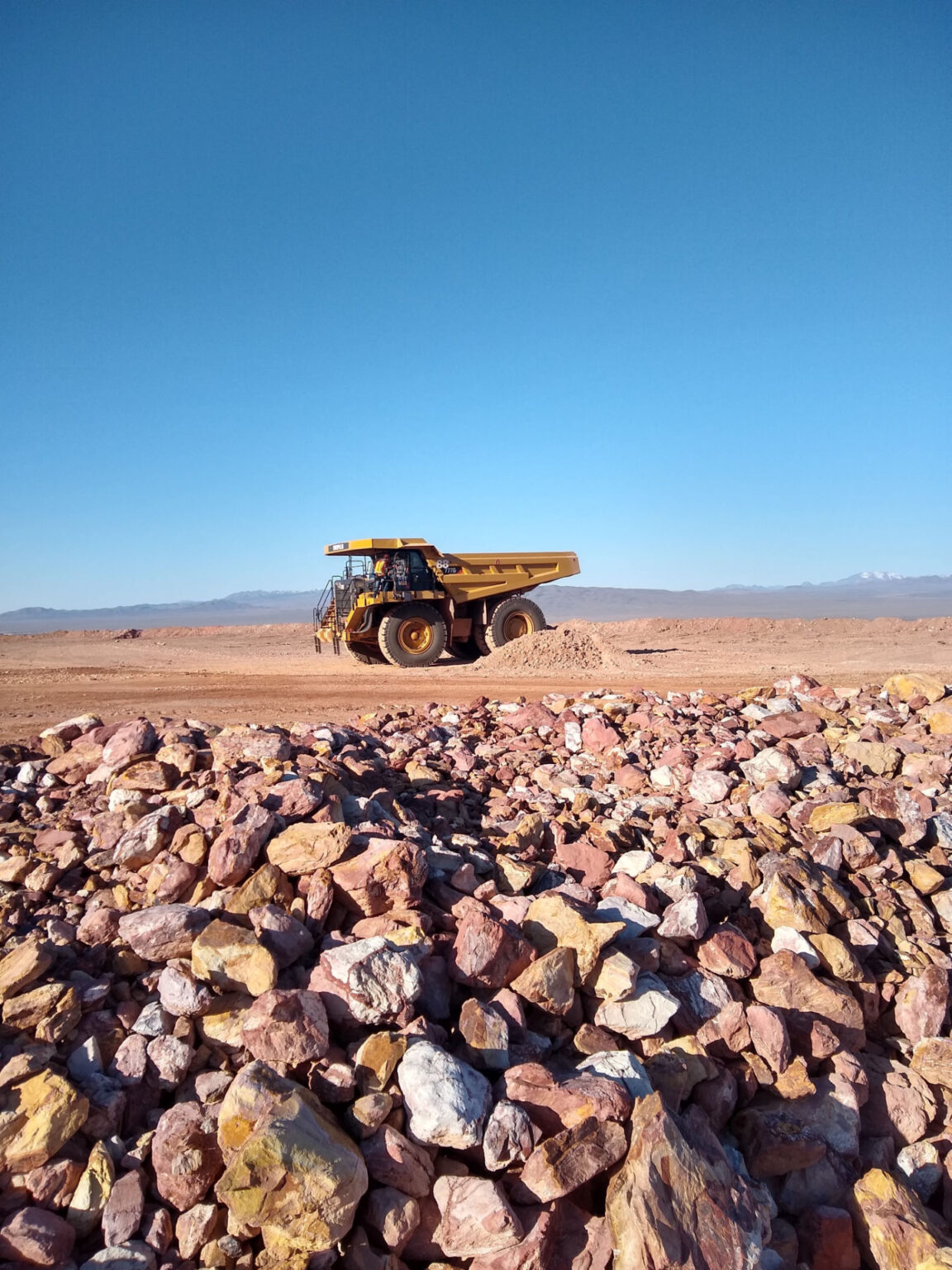
Gold's sustained strength through 2024 and early 2025 has amplified investor focus on oxide heap-leach projects capable of delivering rapid cash flow at low capital intensity. Cabral's Cuiú Cuiú project exemplifies this investment thesis. The oxide blanket extends up to 60 meters in thickness, requires no crushing or grinding, and delivers heap leach metallurgical test recoveries of 92% to 93%, though the PFS conservatively assumes 88% average gold recovery. At the base case gold price of US$2,500 per ounce, the project generates a 78% after-tax IRR. At US$3,340 per ounce, the after-tax IRR expands to 139%. At US$3,500 per ounce, the IRR reaches 151%.
Carter emphasizes the strategic timing:
"The initial stage is to mine this surface material, it's weathered rock called saprolite that will give us a significant amount of cash in the near term."
How the US$45.1M Gold Loan Transforms Cabral Gold's Risk Profile
Cabral Gold announced completion of all transaction documents and binding transaction agreements, including all necessary Finance Agreements and Intercreditor Agreements, on November 26, 2025. The company received the entire principal amount following issuance of a drawdown notice to the lender. The loan amount of US$45,121,732 equates to 345 kilograms of gold, with the structure locking in gold prices for all debt service obligations. This eliminates commodity price risk that typically accompanies traditional debt facilities where repayment capacity fluctuates with realized metal prices.
Following receipt of the principal amount, Cabral holds approximately C$66M in treasury. The heap leach starter operation requires US$37.7M in total initial capital expenditure as outlined in the July 2025 PFS, which includes a project contingency of US$6.28M. Approximately US$6M has been invested in early works activities. The capital allocation framework reflects strategic prioritization: immediate deployment toward construction completion to achieve first gold pour in Q4 2026, followed by systematic reinvestment of operating cash flow into exploration drilling across four new hard-rock discoveries and +50 additional peripheral targets.
Carter describes the strategy:
"The idea is to generate some cash here and then feed a significant amount of that cash back into drilling the remaining targets within the district."
Project Execution: Construction Acceleration & Development Milestones Through 2026
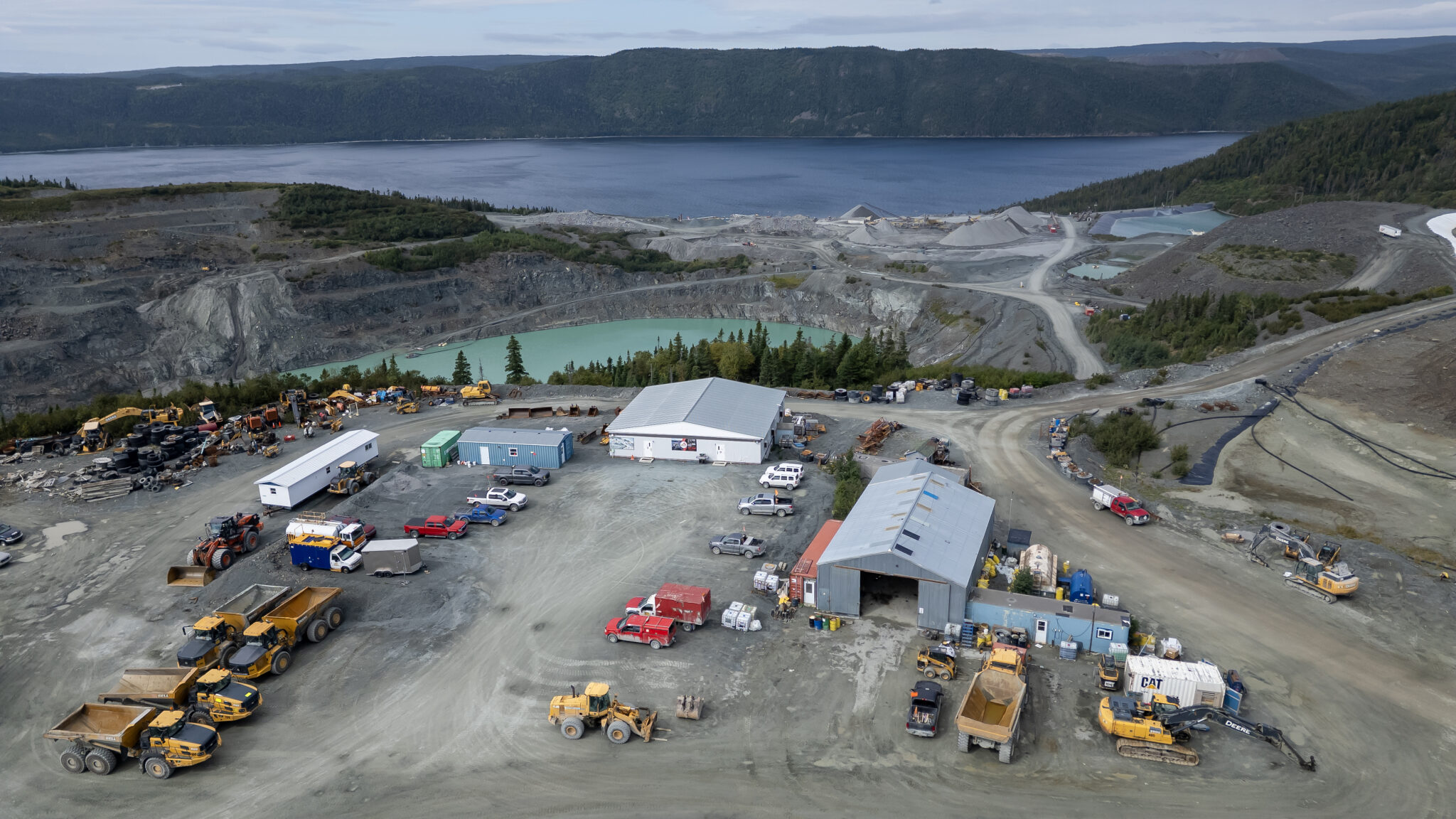
Cabral transitioned from early works to full construction mode following the November 26, 2025 financing closure, reporting 141 employees and contractors on site for construction and support roles, excluding the exploration team. The company pre-emptively accelerated its early works program into full construction execution, with detailed engineering on project design and supplier engagement in progress.
Commissioning is planned for Q3 2026, with first gold pour scheduled for Q4 2026. The project is designed for 1 million tonnes per annum heap leach throughput over a 6.2-year mine life. Average annual production is 18,500 ounces over the mine life, with initial production of 25,000 ounces per year during the first two years. All-in sustaining costs average US$1,210 per ounce over the life of mine, with cash costs of US$950 per ounce during the initial two years.
Carter quantifies the production profile:
"Operation should be producing around 20,000 ounces a year at an all-in cash cost of $1,200 an ounce from the fourth quarter of next year, 2026."
The project's location adjacent to G Mining's Tocantinzinho operation, commissioned in September 2024 and the third-largest gold mine in Brazil according to the ANM (Agência Nacional de Mineração), provides access to established regional contractors and experienced mining personnel, supporting schedule adherence.
Economic Profile: High-Margin Oxide Development With Rapid Payback
The July 2025 PFS demonstrates robust project economics driven by low capital intensity and substantial leverage to gold price appreciation. At US$2,500 per ounce gold, the project generates a 78% after-tax IRR, US$74M NPV5 at a 5% discount rate, and achieves full capital payback within 10 months. At US$3,340 per ounce, the after-tax IRR expands to 139% and NPV5 increases to US$138M. At US$3,500 per ounce, the after-tax IRR reaches 151%.
The oxide material's metallurgical characteristics translate directly to simplified operations. Heap leach metallurgical tests returned 92% to 93% gold recoveries, though the PFS conservatively assumes 88% average recovery. The simple processing route requires no crushing or grinding, eliminating infrastructure that typically represents 30% to 40% of capital expenditure in conventional gold processing facilities. The near-surface gold-in-oxide resources are up to 60 meters in thickness, characterized as free digging with no drilling and blasting required.
Resource Pipeline & Stage 2 Expansion , Positioning for District-Scale Growth
Cabral's existing resource inventory totals approximately 1.2 million ounces, supported by a 2022 NI 43-101 compliant resource estimate. The resource base comprises 450,200 ounces indicated primary resources at 1.14 grams per tonne gold in fresh basement material, 216,182 ounces indicated oxide resources at 0.50 grams per tonne gold, and 455,100 ounces inferred primary resources at 1.04 grams per tonne gold in fresh basement material.
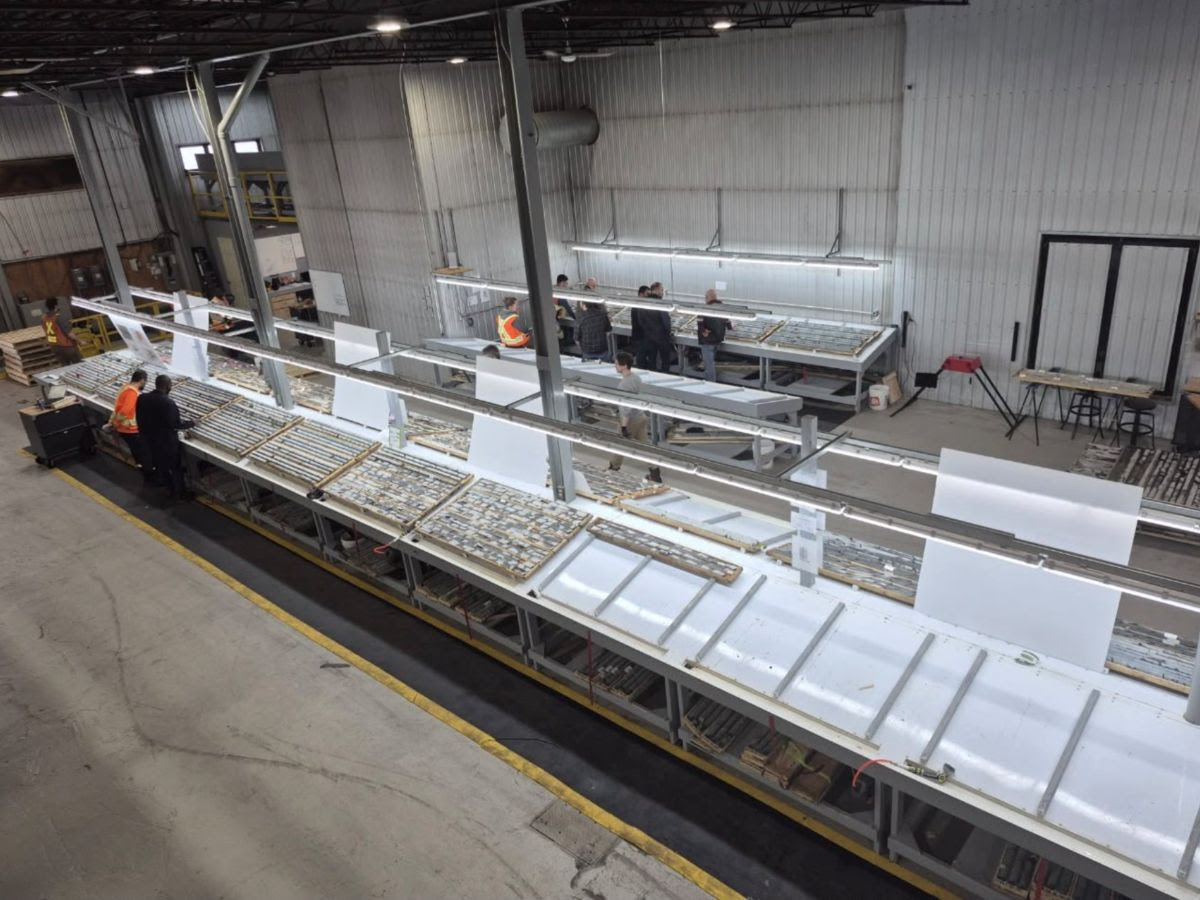
The 2022 resource estimate predates four subsequent hard-rock discoveries: PDM, Machichie Main, Machichie NE, and J Cima. Recent drilling at Machichie NE returned high-grade intercepts including 11 meters at 33 grams per tonne gold and 12 meters at 27.7 grams per tonne gold. Maiden resources on the new discoveries are expected in 2025. The exploration team is focused on growing the global resource via drilling, with three rigs currently operating. The financial flexibility provided by the Gold Loan allows the company to continue executing its exploration drilling program during construction. The project encompasses over 50 peripheral targets in various stages of evaluation.
Carter describes the exploration opportunity:
"We've had some really good drilling results including 11 meters at 33 grams and 12 meters at 27 grams… The objective is to update the resource estimate towards the end of 2026."
Stage 2 development envisions a much larger operation based on the hard-rock resource base, with plans to complete a Preliminary Economic Assessment supported by cash flow generated from Stage 1 oxide operations.
Strategic & Jurisdictional Positioning in the Tapajós Gold Province
The Tapajós Gold Province produced an estimated 30 to 50 million ounces of placer gold between 1978 and 1995, according to the ANM. The Cuiú Cuiú area produced an estimated 2 million ounces of placer gold historically,10 times the amount that Tocantinzinho produced, according to the ANM.
Carter emphasizes the district-scale geological context:
"Cuiú Cuiú historically produced 10 times more placer gold from the streams than Tocantinzinho."
Both Cabral's Cuiú Cuiú project and G Mining's Tocantinzinho deposit sit on the same northwest-trending regional structure. Management brings extensive Brazil exploration experience, credited with five grassroots gold discoveries including the Tocantinzinho open pit gold mine and the Coringa underground mine.
The Investment Thesis for Cabaral Gold
- Construction financing secured through non-dilutive gold-backed loan facility addresses capital requirements based on current cost estimates, reducing funding uncertainty. The 78% after-tax IRR at US$2,500 gold and 10-month payback period demonstrate robust project economics, while sensitivity to elevated gold price scenarios, 139% IRR at US$3,340 per ounce, 151% at US$3,500 per ounce, creates substantial leverage to commodity price strength.
- Accelerated path to cash flow with construction in full execution mode positions Cabral for commissioning planned for Q3 2026 and first gold pour scheduled for Q4 2026. District-scale exploration optionality through three-rig drilling programs provides pathways for value creation beyond Stage 1 oxide operations, with the 1.2 million ounce existing resource predating four recent hard-rock discoveries and +50 identified peripheral targets.
- Strategic jurisdiction within Brazil's Tapajós Province provides geological prospectivity validated by 30 to 50 million ounces of historical placer production, improving infrastructure through proximity to operating mines including Tocantinzinho, and established permitting pathways.
- Proven management team with track record of grassroots discoveries in Brazil provides operational credibility, while direct capital investment of C$1.95M by the Chief Executive Officer establishes financial alignment with shareholders.
A Financed Shift From Optionality to Execution
Cabral Gold has advanced to construction stage with secured financing for its oxide starter operation, establishing near-term production visibility. The combination of non-dilutive financing, simplified oxide metallurgy, and rapid payback economics positions Cuiú Cuiú within the near-term production pipeline, while ongoing drilling programs and district-scale exploration potential provide pathways for value creation beyond Stage 1. The next 18 months through Q4 2026 will define Cabral's transition into production and establish the foundation for self-funded exploration across the district's hard-rock potential. For investors, the November 26, 2025 financing closure marks a shift from uncertainty to execution.
TL;DR
Cabral Gold closed a fully funded US$45.1M gold-backed loan on November 26, 2025, eliminating equity dilution and advancing its 1Mtpa Cuiú Cuiú heap leach project toward Q4 2026 first gold pour. The project delivers 78% after-tax IRR at US$2,500/oz gold with 10-month payback, expanding to 139% IRR at US$3,340/oz. With C$66M in treasury and 141 personnel on site, construction is underway for commissioning in Q3 2026. Average annual production of 18,500 ounces at US$1,210/oz AISC establishes cash flow to fund exploration across four new hard-rock discoveries and 50+ district targets, positioning Stage 2 hard-rock expansion.
FAQs (AI-Generated)
First gold pour is scheduled for Q4 2026, with commissioning planned for Q3 2026. The project will produce approximately 20,000 ounces annually.
The company secured a US$45.1M gold-backed loan from Precious Metals Yield Fund, structured around physical gold delivery equivalent to 345 kilograms, avoiding equity dilution.
At US$2,500/oz gold, the project generates 78% after-tax IRR with 10-month payback. At US$3,340/oz, IRR expands to 139%.
Cabral has 1.2 million ounces in existing resources, four new hard-rock discoveries since 2022, and 50+ additional targets. Three drill rigs are advancing district exploration.
Life-of-mine average AISC is US$1,210/oz, with cash costs of US$950/oz during the initial two years of production.
Analyst's Notes





Subscribe to Our Channel



.jpg)
Stay Informed






















