




Atlas Salt Targets Nepheline Value at Black Bay


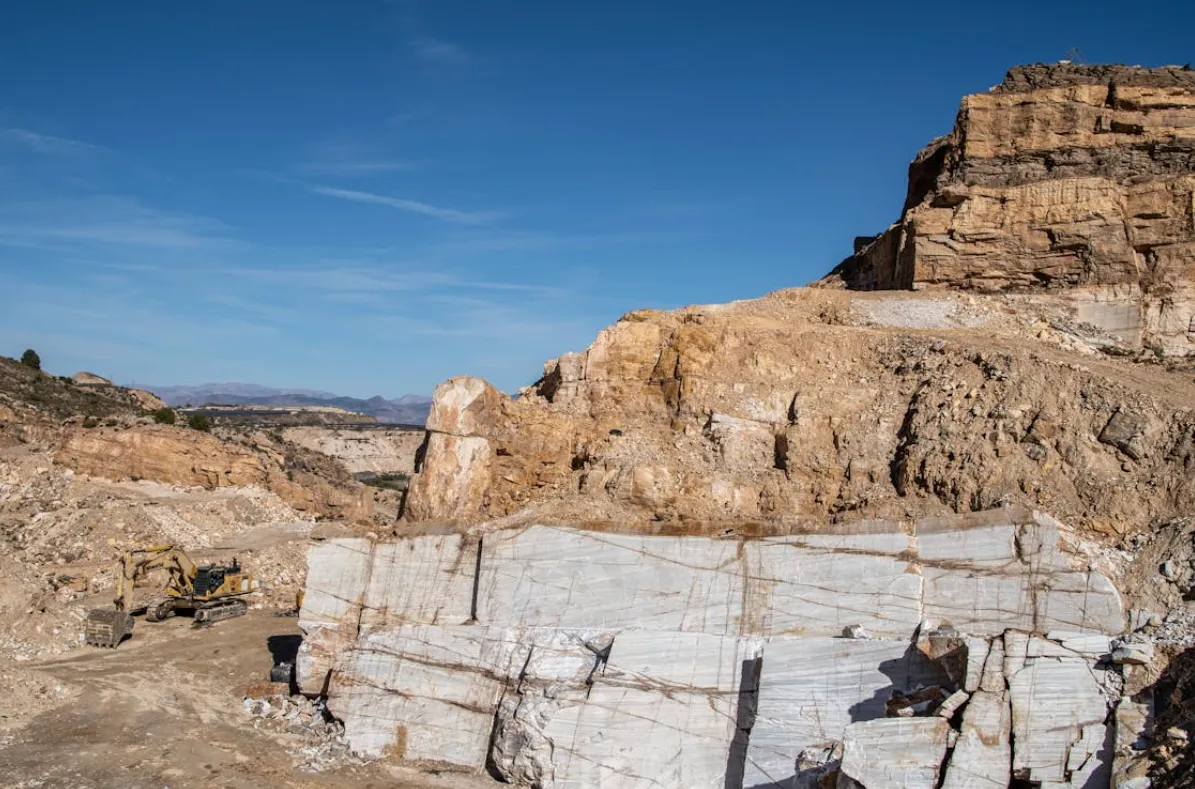
Atlas Salt raises $1.25M via flow-through shares to fund maiden drilling at Black Bay, targeting nepheline value without disrupting its core salt project focus.
- Atlas Salt has arranged a $1.25 million non-brokered private placement of 961,539 flow-through common shares at $1.30 per share to fund maiden drilling at its Black Bay nepheline syenite discovery in Southern Labrador.
- Nepheline is a scarce industrial mineral with only 1 producing mine in North America, the Blue Mountain operation in Ontario, and is used in glass, ceramics, and industrial fillers, where it is generally preferred over the more common substitute, feldspar, due to its higher concentrations of potassium and sodium.
- SGS Lakefield's analysis of a bulk sample collected from Black Bay in 2017 indicated that the mineral content is comparable to that of commercial nepheline deposits and that initial beneficiation results were positive toward meeting industrial standards.
- The Province of Newfoundland and Labrador has approved Atlas Salt for funding under its Junior Exploration Assistance (JEA) 2026 program, providing non-dilutive government support for Black Bay exploration activities alongside the flow-through financing.
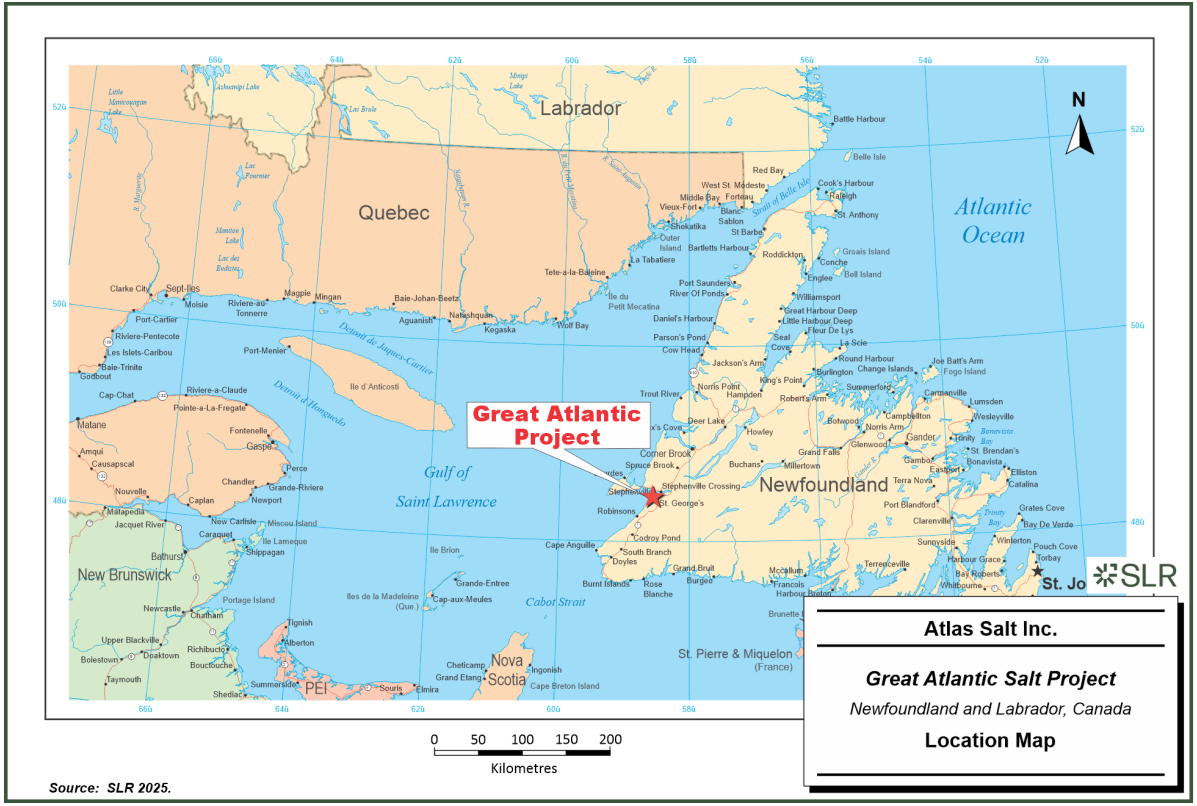
- Atlas Salt has framed Black Bay as a non-core optionality asset that could eventually be monetised, while primary corporate focus remains on securing project financing for the Great Atlantic Salt Project, which carries an after-tax net present value of $920 million at an 8% discount rate (NPV8%) per the 2025 Updated Feasibility Study (UFS).
What Has Happened
Atlas Salt (TSXV: SALT) announced a $1.25 million non-brokered private placement of 961,539 flow-through common shares at $1.30 per share. The gross proceeds are earmarked exclusively for Canadian exploration expenses at the Black Bay Property in Southern Labrador, where the company holds an undeveloped nepheline syenite occurrence first staked in July 2016. The offering is expected to close on or about May 20, 2026, subject to approval by the TSX Venture Exchange (TSXV).
Alongside the financing, Atlas Salt disclosed approval for funding under the Province of Newfoundland and Labrador's Junior Exploration Assistance (JEA) 2026 program, a government grant that partially offsets exploration costs at Black Bay without additional share issuance. The dual funding approach is designed to advance maiden drilling at the property while minimising the capital drawn from the company's core focus on the Great Atlantic Salt Project, which carries an after-tax net present value of $920 million at an 8% discount rate (NPV8%) per the 2025 Updated Feasibility Study (UFS).
Why Flow-Through Shares & Why Now
The offering will see gross proceeds used to incur eligible Canadian exploration expenses that qualify as "flow-through mining expenditures" under the Income Tax Act to advance exploration at Black Bay. Atlas Salt's primary objective is to secure a project financing package for the Great Atlantic Salt Project, which has $589 million in pre-production capital expenditure (capex) requirements per the 2025 UFS. By using flow-through capital for Black Bay, Atlas Salt funds the exploration program without detracting from its core focus on advancing the Great Atlantic Salt Project.
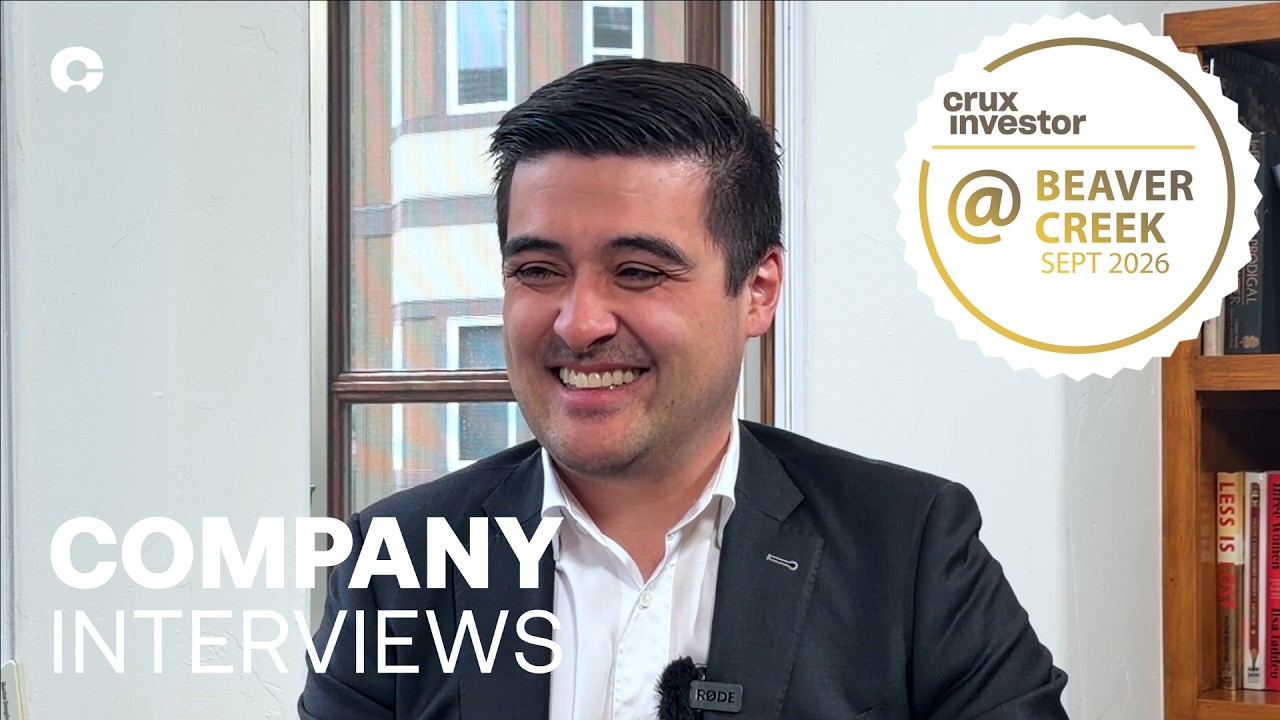
Chief Executive Officer of Atlas Salt, Nolan Peterson, described the rationale, noting that the flagship asset carries a fundamentally lower risk profile than conventional mining developments:
“We have to get the market to understand the unique risk profile of the Great Atlantic salt project, it's significantly less risky than traditional resource sector plays and other mining projects, and then help the market understand the discounted value not only to the NAV basis but also to the other alternative metrics.”
Because these major risks have been retired at the flagship asset, the company can simultaneously use this offering as a low-cost opportunity to uncover value at Black Bay. The Province of Newfoundland & Labrador has also approved Atlas Salt for the JEA 2026 program, which provides non-dilutive funding to support exploration activities at Black Bay and complements the flow-through financing. Endeavour Financial has been engaged as financial advisor for the Great Atlantic Salt Project's financing process, underscoring that the two programs are advancing through structurally distinct funding channels.
What Nepheline Is & Why Supply Scarcity Matters
Nepheline is an industrial mineral used primarily in the manufacture of glass, ceramics, extenders, and fillers. It is generally preferred over feldspar because of its higher potassium and sodium content, which results in significant energy savings in industrial applications. Limited supply has historically constrained its use, leaving feldspar as the default substitute in many applications despite nepheline's technical advantages.
Commercial nepheline deposits are rare, with only 1 mine in production in North America at Blue Mountain in Ontario. The scarcity of commercial deposits highlights the potential value of new occurrences with favourable logistics. Black Bay sits 6 kilometres from tidewater and is accessible via a paved road, with the Blanc-Sablon, Quebec, airport approximately 90 minutes from the property.
Atlas Salt's history at Black Bay began with staking in July 2016. The company obtained more than 3 tonnes of surface channel samples in 2017. Analysis by SGS Lakefield indicated that the rock's contents are comparable to those of commercial deposits and that initial beneficiation tests were positive toward meeting industrial standards. The upcoming drilling program is designed to further quantify the deposit's mineralogical characteristics and evaluate its tonnage potential, building on earlier efforts to assess its economic viability.
The Portfolio Logic: A Second Value Lever, Not a Distraction
Management has consistently framed the Great Atlantic Salt Project as Atlas Salt’s primary value driver, with Black Bay positioned as a separate, low-cost optionality asset funded through flow-through exploration capital rather than the company’s core treasury. The capital allocation strategy is designed to advance maiden drilling at Black Bay without diverting funds from the Great Atlantic Salt Project financing process. If drilling confirms commercially comparable mineralogy at depth, Black Bay could ultimately be monetised through a sale, joint venture, or spin-out, creating a potential second source of value alongside a flagship project that carries an after-tax NPV8% of $920 million against Atlas Salt’s current enterprise value of approximately $138.5 million.
What to Watch Next
Key upcoming milestones include the commencement of maiden drilling at Black Bay and subsequent results that will define the depth, extent, and mineralogical consistency of the nepheline syenite. Results confirming depth continuity and commercially comparable mineralogy would establish the basis for evaluating the deposit’s scale and potential monetisation pathways for the non-core asset.
In parallel, the primary value inflexion point for Atlas Salt remains securing project financing for the Great Atlantic Salt Project. The 2 programs are advancing through distinct funding channels: flow-through shares and government grants for Black Bay, and project-level financing for the Great Atlantic Salt Project, allowing exploration activity to proceed without drawing on the capital being directed toward the flagship development.
FAQs (AI-Generated)
Analyst's Notes





Subscribe to Our Channel


.jpg)





Stay Informed


