




Clean Energy Uses Broaden PGM Demand Beyond Vehicle Catalysts


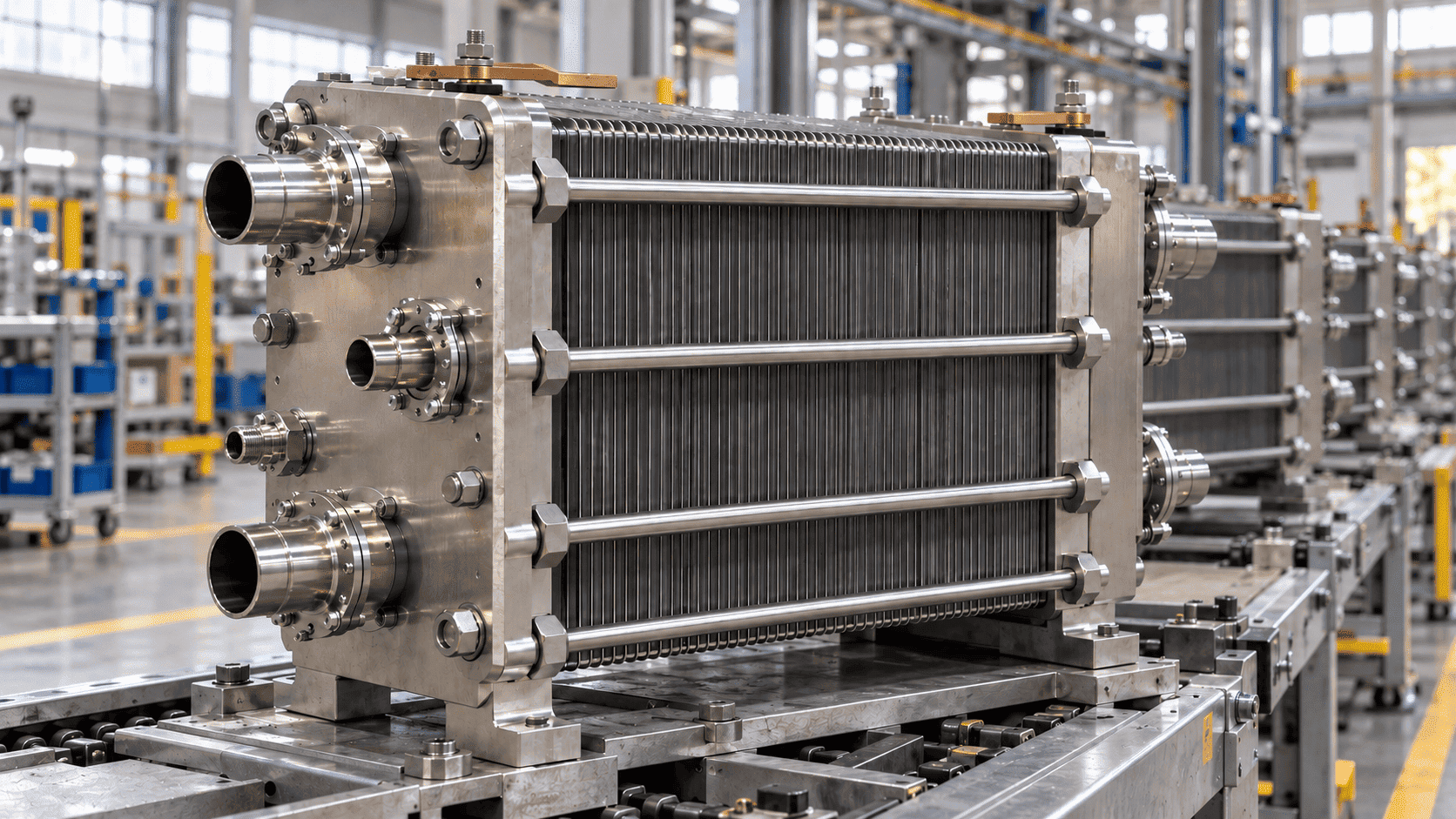
Hydrogen systems create new platinum and iridium demand channels, linking clean-energy deployment to the need for future PGM supply.
- Hydrogen electrolyzers and fuel cells create applications for selected platinum group metals (PGM) beyond vehicle exhaust catalysts.
- World Platinum Investment Council (WPIC) recorded 19,000 ounces of platinum demand in its “Hydrogen Stationary and Other” category in the second quarter of 2026, up 72% year over year, against 729,000 ounces of automotive demand.
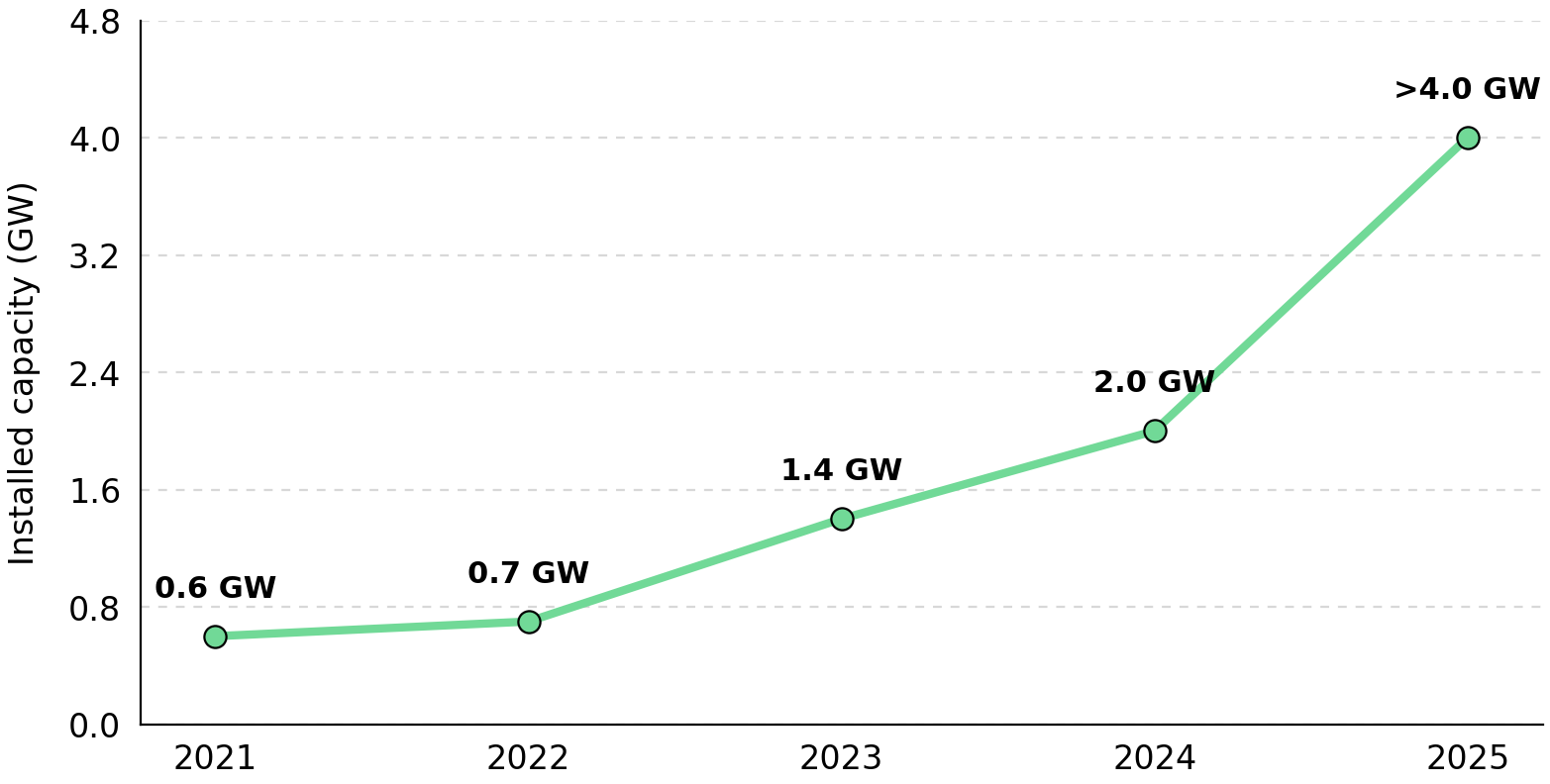
- International Energy Agency (IEA) reported that installed electrolysis capacity doubled to more than 4 gigawatts in 2025, while new hydrogen uses still accounted for a very small share of global hydrogen demand.
- In proton exchange membrane (PEM) electrolyzers, platinum serves at the cathode and iridium at the anode, while some fuel cells use platinum, so technology choice determines demand for each PGM.
- Resource definition, metal recovery studies, economic assessments, permitting, and financing provide exploration-stage PGM projects with a pathway toward production and future supply.
Hydrogen Technologies Add Platinum Demand Beyond Automotive Catalysts
Vehicle catalysts remain platinum’s largest reported demand category, so changes in vehicle powertrains continue to shape the metal’s demand base. Combustion engines use PGMs to control exhaust emissions, while battery electric vehicles do not require exhaust catalysts, removing that source of demand from fully electric models. Hydrogen technologies create a separate equipment market because certain electrolyzers use platinum and iridium to produce hydrogen, while some fuel cells use platinum to generate electricity. These applications broaden platinum demand through buyers and deployment schedules that differ from automotive production.
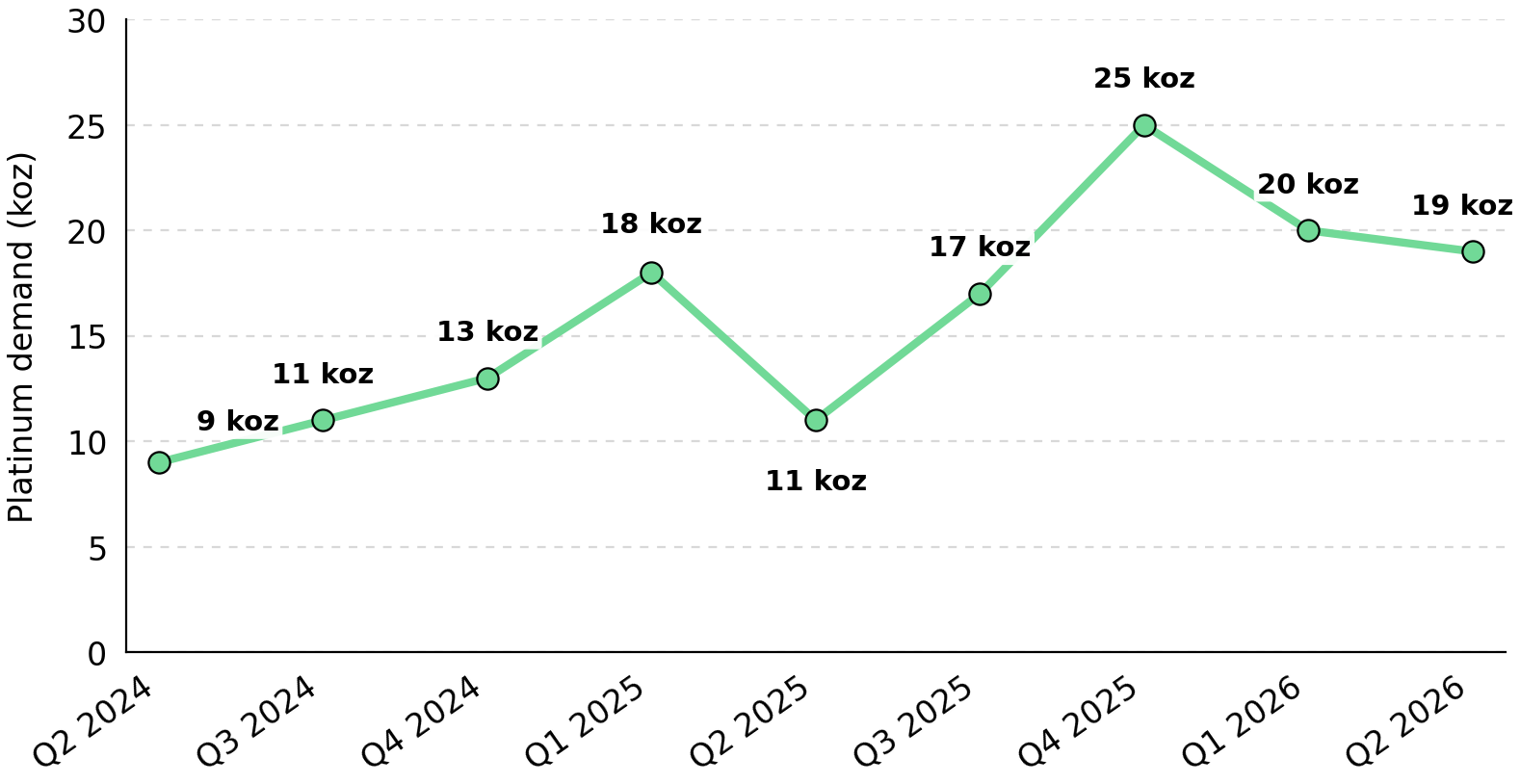
WPIC reported automotive platinum demand of 729,000 ounces in the second quarter, down 6% year over year, while industrial demand reached 600,000 ounces, up 6%. Demand from hydrogen, stationary power, and related applications rose 72% to 19,000 ounces, contributing to industrial growth alongside glass and electrical uses. Although this category remained far smaller than automotive demand, its growth broadens platinum’s end markets beyond vehicle catalysts.
Catalyst Choice Determines PGM Demand From Electrolysis Growth
Electrolyzers use electricity to split water into hydrogen and oxygen, creating catalyst demand when the installed technology uses PGMs. IEA’s Global Hydrogen Review 2026 reports that installed electrolysis capacity doubled in 2025 to more than 4 gigawatts after several large projects were commissioned, particularly in China. This capacity growth expands the installed equipment base, but PGM demand depends on the technology selected, the amount of catalyst used in each system, and the timing of equipment purchases.
Membrane Design Determines PGM Demand by Metal
PEM electrolyzers use PGM catalysts, with platinum at the cathode and iridium at the anode, so added capacity affects demand for each metal differently. The US Department of Energy (DOE) documents these electrode roles and research on platinum and iridium-based catalysts, providing a metal-specific basis for assessing electrolyzer demand.
DOE also documents PGM-based and PGM-free catalyst development for anion exchange membrane (AEM) electrolyzers, showing that AEM deployment can create different metal demand from PEM deployment. Because research activity does not establish commercial market share, total electrolysis capacity cannot be translated directly into platinum or iridium ounces. Projects with equal electrical capacity can use different catalyst materials, so PGM demand must be assessed by metal and electrolyzer technology rather than by total hydrogen spending.
Fuel-Cell Deployment Expands Platinum Demand
Fuel cells convert hydrogen into electricity at the point of use, with platinum and platinum-alloy catalysts supporting some systems used in transport and stationary power. Stationary and portable fuel cells can serve critical infrastructure, industrial, security, and defense applications where grid access, mobility, or reliability is constrained. Platinum consumption depends on fuel-cell chemistry and deployment volumes, making installations across these markets an additional demand indicator beyond vehicle sales.
WPIC reports that equipment deliveries and project commissioning can shift hydrogen-sector platinum purchases between quarters, with its hydrogen category falling 5% from the first to the second quarter of 2026. Platinum is purchased when catalyst components are manufactured, so recurring demand depends on the number of new systems produced and the metal required per system. Replacement cycles can create additional purchases, while recycling can reduce demand for newly mined metal. Completed projects and repeated equipment deliveries therefore provide stronger demand signals than a single quarter’s growth rate.
Firm Hydrogen Contracts Unlock Near-Term PGM-Bearing Equipment Demand
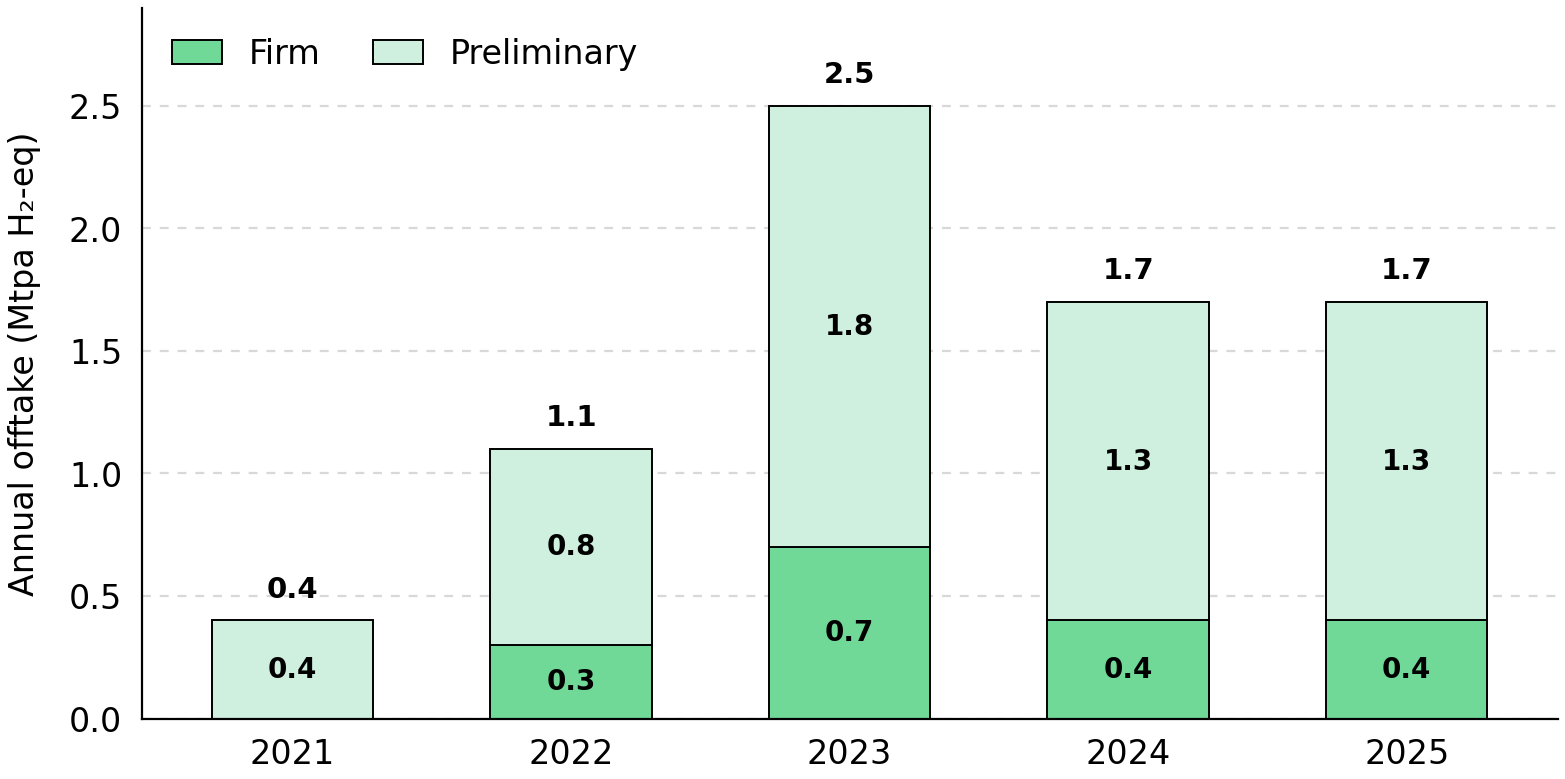
Global hydrogen demand surpassed 100 million tonnes in 2025, while industry and refining accounted for almost all consumption. Low-emissions hydrogen production rose 20% to nearly 1 million tonnes, leaving the segment small relative to the wider market. High costs and limited infrastructure can delay projects, while uncertain customer demand and complex regulations can restrict financing. New offtake agreements covered approximately 1.7 million tonnes per year in 2025, but firm commitments represented only about 20% of the newly signed volume. Demand for platinum and iridium emerges when financed projects select PGM-bearing technology and place equipment orders, so announced capacity alone does not establish metal purchases.
DOE research targets lower PGM content and longer catalyst life to reduce electrolyzer costs. Using less platinum or iridium reduces metal demand per unit of capacity, but lower equipment costs may support more installations. Total PGM consumption rises when deployment growth exceeds the reduction in metal required per system, while PGM-free designs remove that demand entirely. Installed PEM electrolyzers and platinum-bearing fuel cells therefore provide the clearest indicators of hydrogen-related PGM demand.
Concentrated PGM Supply Expands Brazil’s Exploration Opportunity
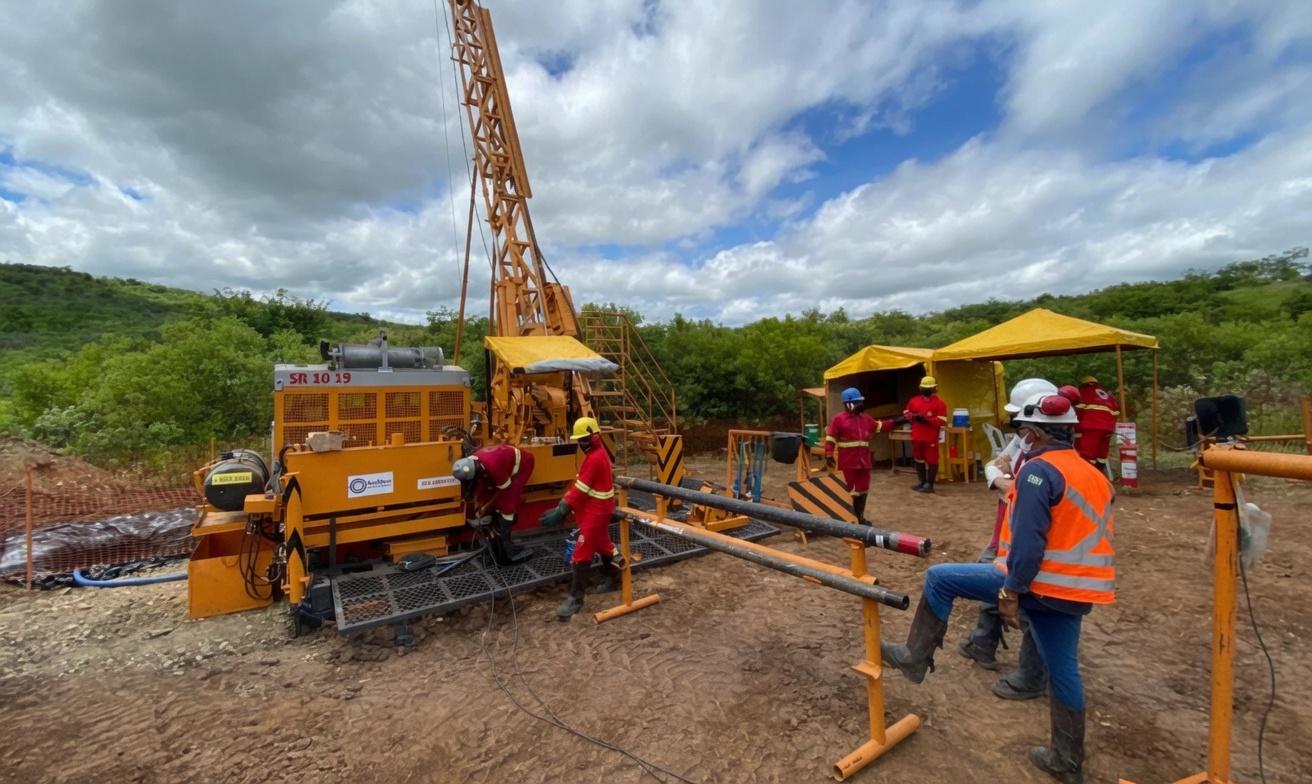
Clean-energy applications are broadening PGM uses, while Brazil’s PGM deposits offer a pipeline for future supply. The Geological Survey of Brazil (SGB) reports that the country has no operating PGM mines yet, identifies deposits at advanced exploration stages and notes their catalytic role in clean-energy technologies. This makes metallurgical work and economic assessments central to advancing these resources toward future supply.
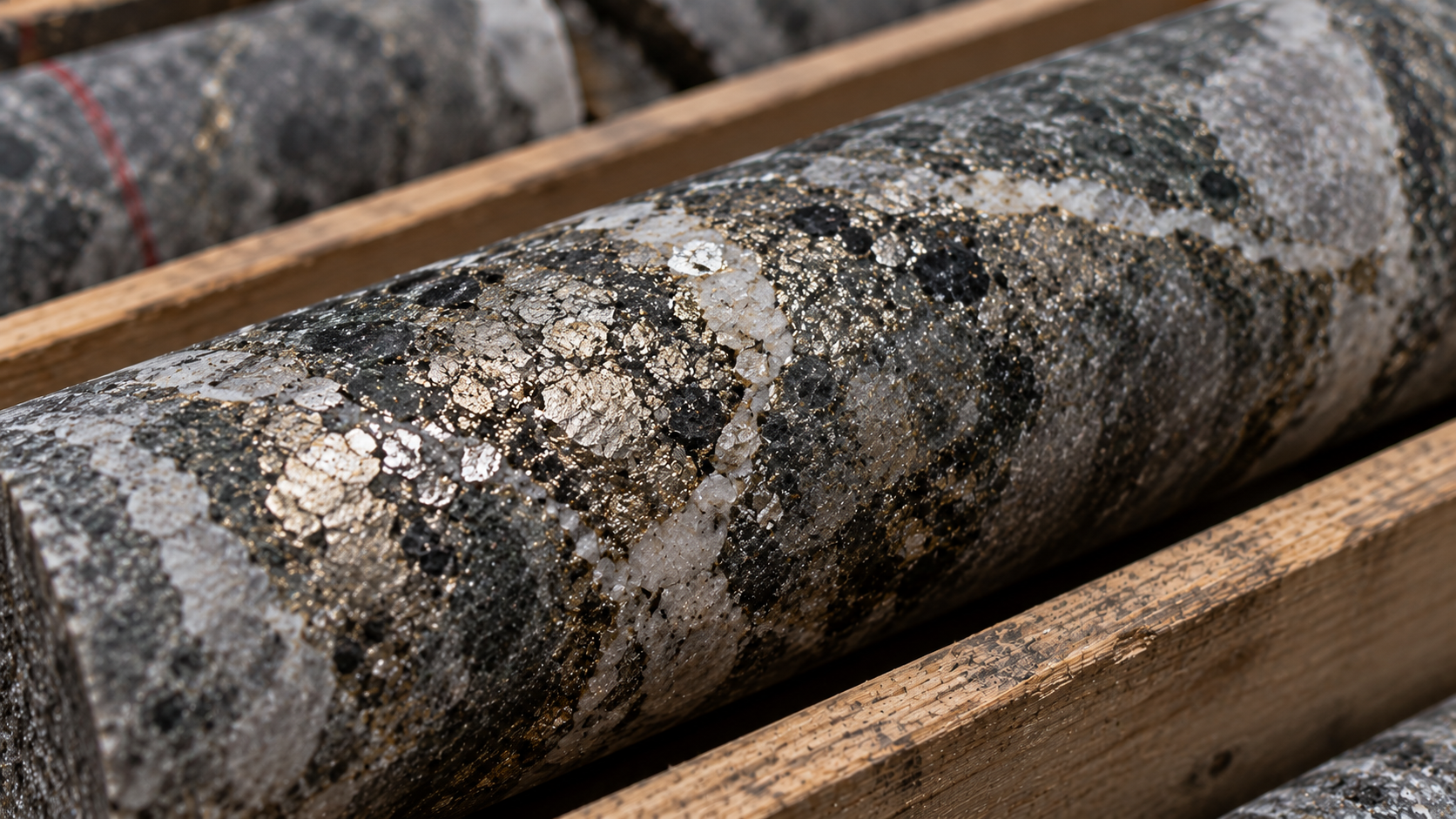
ValOre Metals is advancing flotation and leaching test work and engineering studies at Pedra Branca, with a preliminary economic assessment (PEA) targeted for the fourth quarter of 2026. Its inferred mineral resource estimate comprises 2.198 million ounces of platinum, palladium, and gold across 63.3 million tonnes grading 1.08 grams per tonne, providing a defined resource base for the assessment.
Thiago Diniz, Vice President of Exploration at ValOre Metals, connects regional PGM production concentration with exploration potential:
“Palladium and platinum is well known and produced only in certain regions of the globe. Being able to advance a project outside of that small space is actually an opportunity.”
Clean-Energy Project Delivery Determines Metal-Specific PGM Demand
WPIC’s reported hydrogen-related platinum consumption establishes an existing demand channel beyond vehicle catalysts. IEA data on installed capacity and firm offtake agreements show that expansion depends on commissioned projects and contracted customers, which support financing and equipment orders. DOE technology descriptions show that technology selection and catalyst loading determine whether those orders translate into platinum or iridium demand and how much metal each system requires.
Vehicle catalysts and hydrogen equipment create separate platinum demand channels, so changes in each market should be assessed independently. Iridium demand depends on electrolyzer technology and catalyst loading, which means installed capacity alone cannot measure metal consumption. Palladium remains tied to established end uses, so mixed-metal project assessments require separate demand assumptions for palladium and platinum. On the supply side, defined resources, metallurgical recoveries, engineering-based cost estimates, permitting progress, and financing access determine which projects can advance toward production.
The Investment Thesis for Platinum Group Metals
- Hydrogen-related platinum demand reached 19,000 ounces in the second quarter of 2026, compared with 729,000 ounces for automotive use, establishing a measurable demand channel beyond vehicle catalysts.
- Installed electrolyzer capacity confirms equipment deployment, while technology choice determines whether systems use platinum or iridium and catalyst loading determines the amount required per system.
- Firm hydrogen purchase contracts and commissioned projects turn clean-energy plans into equipment demand, expanding the long-term end market for PGMs contained in exploration-stage resources.
- Fuel-cell applications in stationary and portable power can support platinum use where reliable electricity without a grid connection has economic value.
- Exploration-stage PGM assets warrant attention when resource definition, recovery tests, and economic work show a credible path from contained metal to potential output.
- A mixed-metal resource must be assessed metal by metal because hydrogen technologies do not create the same demand case for every PGM.
Clean-energy equipment is adding platinum and iridium uses across hydrogen production, transport, stationary power, and critical infrastructure, broadening PGM demand beyond vehicle exhaust catalysts. Technology selection and catalyst loading will determine which metals gain demand as these systems are deployed. Firm hydrogen purchase contracts and commissioned projects support recurring equipment demand, while resource definition, metallurgical recovery work, and economic studies position exploration-stage PGM projects to contribute to long-term supply as end markets widen.
TL;DR
Hydrogen electrolyzers and fuel cells create demand channels for platinum and iridium beyond vehicle exhaust catalysts. The World Platinum Investment Council recorded 19,000 ounces of platinum demand from hydrogen, stationary power, and related uses in the second quarter of 2026, compared with 729,000 ounces from automotive uses. Installed electrolysis capacity exceeded 4 gigawatts in 2025, but metal demand depends on technology choice, catalyst loading, firm offtake, financing, and commissioned projects. Proton exchange membrane systems provide the clearest exposure because they can use platinum and iridium. As clean-energy end markets widen, exploration-stage PGM projects with defined resources, recovery testing, and economic studies provide a pathway toward future supply.
FAQs (AI-Generated)
Analyst's Notes





Subscribe to Our Channel









Stay Informed


