




Critical Mineral Investment Falls 9% Despite a Global Push for New Supply


Critical mineral investment is falling as processing concentration and financing costs raise the bar for projects that can add qualified supply.
- Critical mineral investment fell 9% in 2025, while exploration spending declined by more than 10%, reducing capital deployed toward future mineral supply.
- Demand for graphite and rare earth elements (REE) is projected to increase 50% to 90% by 2040, while China accounts for more than 90% of global refining supply for both, increasing the need for additional supply and processing capacity outside China.
- Public finance commitments for critical minerals in advanced economies reached about US$65 billion in 2025, more than 4 times the 2023 level, but commitments only expand supply when funding is disbursed and projects reach operation.
- Refining projects outside the dominant supplier face 20% to more than 150% higher capital costs and about 50% higher operating costs, raising the financing hurdle for diversified processing capacity.
- Multi-commodity developments can share infrastructure, while metallurgy, financing, permitting, and qualification determine whether each product reaches market.
9% Investment Drop Narrows Capital for New Supply
Critical mineral investment fell 9% in 2025, its first substantial decline since 2020, while exploration spending fell by more than 10%. The pullback occurred while mineral demand and government efforts to diversify supply continued, leaving new supply requirements to compete for more selectively deployed capital.
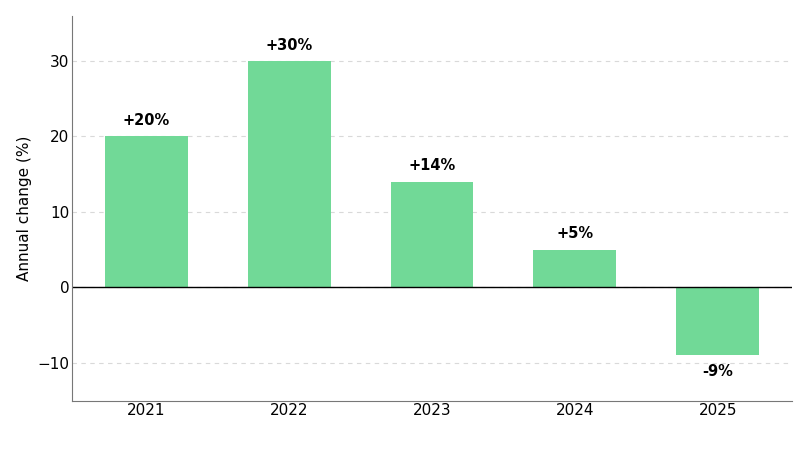
Battery-material companies cut investment by about 20%, with lithium specialists reducing spending by roughly 40%, while copper-focused companies increased investment by 8%. Merger and acquisition deal value also rose 20% in 2025, partly reflecting demand for high-quality copper assets. These differences show capital remained available for selected commodities and assets, increasing the importance of project economics, development readiness, and infrastructure requirements in funding decisions.
China Processing Concentration Raises Graphite & Rare Earth Supply Risk
Critical mineral demand almost doubles by 2040, while demand for graphite and rare earths rises by roughly 50% to 90%. Electric vehicles, battery storage, renewable generation, and electricity networks support this growth, while high-tech manufacturing, aerospace, robotics, and defense broaden demand beyond energy applications.
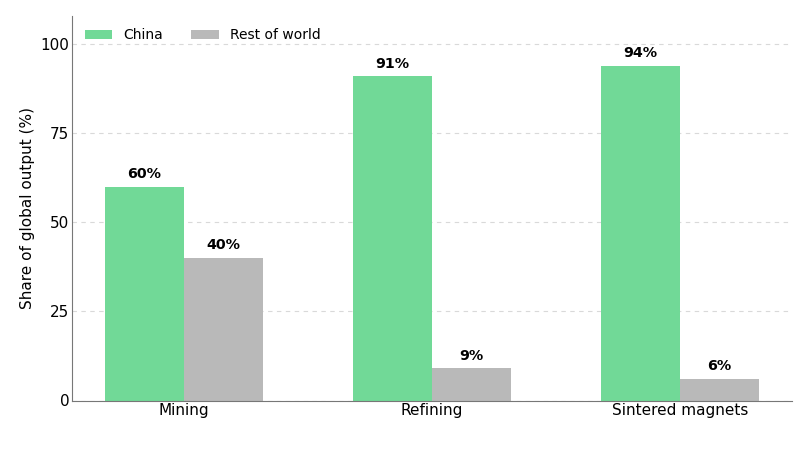
China accounts for more than 90% of global refining supply for graphite and rare earths, making processing concentration a larger supply-chain bottleneck than mine supply alone. For magnet rare earths, China supplied about 60% of mined production in 2024, 91% of refined output, and 94% of sintered permanent-magnet production. Alternative mine supply therefore still requires refining, separation, and downstream manufacturing capacity before it can reduce reliance on existing processing chains.
Almost all refined graphite supply growth in recent years came from China, leaving alternative supply exposed to concentrated processing. With graphite resources widely available, the commercial constraint is developing mine and processing capacity that meets customer specifications at costs competitive with existing supply.
US$65B Public Commitments Leave New Supply Dependent on Deployment
Public finance commitments for critical minerals in advanced economies reached approximately US$65 billion in 2025, more than 4 times their 2023 level, even as mining-company investment declined. However, commitments only expand diversified supply when funding is actually disbursed and projects advance into construction and operation.
G7 Financing & Price Support Target Project Bankability
In June 2026, the Group of Seven (G7) said 195 critical-mineral projects announced since the start of the year represented €64 billion of investment, including equity participation and offtake agreements. The G7 also identified guarantees, equity investment, and offtakes as tools to mobilize public and private capital into mining, processing, and recycling, helping address financing gaps across the supply chain.
The US-European Union Critical Minerals Action Plan is considering border-adjusted price floors to improve revenue visibility for alternative supply. The US Export-Import Bank (EXIM) has also approved up to US$10 billion for Project Vault, a critical-minerals reserve designed to maintain access to essential raw materials during supply disruptions. Price support and public financing can reduce revenue uncertainty and financing barriers for new supply.
Higher Refining Costs Raise Financing Hurdle for Diversification
Refining projects outside the dominant supplier face 20% to more than 150% higher capital costs and about 50% higher operating costs. This cost gap helps explain why stronger policy support can coexist with lower private investment, as alternative supply must still compete with established producers on economics.
Announced rare earth mining projects outside China could provide nearly 50,000 tonnes of capacity by 2035, while planned refining and separation capacity remains below 40,000 tonnes. Planned metal, alloy, and magnet capacity falls further to about 18,000 tonnes of rare earth content, showing that additional mine supply alone cannot diversify the value chain without corresponding downstream processing and manufacturing capacity.
Six multilateral development banks agreed in April 2026 to support critical-mineral value chains through project preparation, infrastructure, regulatory assistance, and private-capital mobilization. Such financing is most effective when projects have defined technical and commercial pathways, while developments that can add products using infrastructure already included in the mine plan may require less incremental capital than projects needing new processing routes or major redesign.
Shared Infrastructure Lowers the Cost of Adding Multiple Mineral Streams
In a market where capital is becoming more selective, projects that can add mineral streams through infrastructure already required for the primary development can present a stronger capital-efficiency case. Shared infrastructure can reduce incremental capital needs while broadening potential output, provided each product stream remains technically viable and commercially supported.
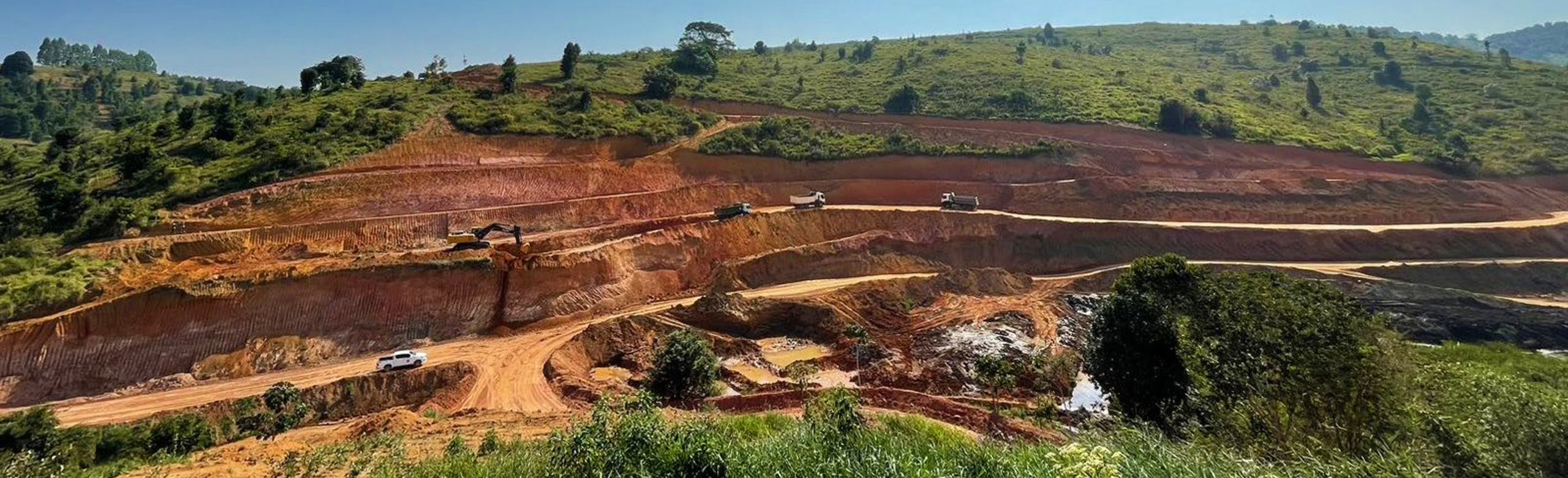
Sovereign Metals is advancing the Kasiya Critical Minerals Project in Malawi, where its September 2026 Scoping Study adds a potential rare earth stream to the planned rutile and graphite operation with no additional mining or front-end processing. The study estimates US$29 million of incremental capital to first rare earth production, giving Kasiya a capital-efficient route to broaden planned output across three mineral streams using shared infrastructure.
Ben Stokovich, Chairman of Sovereign Metals, explains how rutile supports low-cost graphite production:
“Our incremental cost to produce a ton of graphite as a byproduct from the Kasiya project will only be $241 US per ton. We'd be selling graphite at a 50% operating margin even if we only sold into the lower-value battery graphite market.”
With critical-mineral investment down, the advantage lies in whether additional products can use infrastructure already required for the primary development. Rutile and graphite can establish that platform, while a rare earth stream can illustrate how new supply may be added without financing a separate mining operation for each commodity.
Project Readiness Determines Which Critical Mineral Supply Reaches Market
Shared infrastructure improves capital efficiency only when the resulting products are commercially viable. Rare earth concentrates still require separation before reaching end markets, while graphite must meet target specifications. Offtake and processing agreements can reduce commercial risk by confirming customer demand and establishing downstream routes, which matters more when capital is selective.
The broader test is whether policy support converts into physical supply. Projects that keep additional capital needs low, meet buyer specifications, and secure agreements to process and sell their products have a better chance of reaching production.
The Investment Thesis for Critical Minerals
- The 9% decline in critical-mineral investment and more than 10% drop in exploration spending increase the importance of capital efficiency and development readiness in determining which projects can advance future supply.
- Developers that share infrastructure and processing across multiple mineral streams can reduce duplicated capital, but each added product still requires metallurgical and economic validation.
- Graphite and rare earth demand growth through 2040 supports the need for new supply, while concentrated processing means new mine output still requires competitive downstream routes to reach the market.
- Rutile, graphite, and rare earths can broaden exposure across multiple end markets, but that diversification only has commercial value when each product meets customer specifications.
- Government finance, guarantees, offtakes, and price support can improve project bankability, but these measures only expand supply when capital is deployed and projects reach operation.
- Developers with advanced studies, defined infrastructure, manageable capital needs, and customer qualification have fewer unresolved steps between mineral resources and market-ready supply.
For critical minerals, the question is shifting from whether resources exist to whether projects can finance, qualify, and deliver them. Shared infrastructure can strengthen that equation by allowing additional mineral streams to build on an existing development plan rather than requiring entirely separate capital. The projects that matter most will be those that pair this capital efficiency with credible processing routes and customers, turning diversification targets into supply that can actually reach the market.
TL;DR
Critical mineral investment and exploration spending declined even as demand growth and supply-chain diversification kept pressure on future supply. China remains dominant in graphite and rare earth processing, while alternative refining capacity can face materially higher capital and operating costs. Government financing, guarantees, offtakes, and price support can improve project bankability, but capital must still reach projects that can move into production. Multi-commodity developments can improve capital efficiency by sharing infrastructure across mineral streams, although each product still requires technical validation, downstream processing, customer qualification, and a credible route to market.
FAQs (AI-Generated)
Analyst's Notes





Subscribe to Our Channel







Stay Informed



