




Cobra Resources Pushes Forward on Copper Discovery & Rare Earth Resource in South Australia



Cobra Resources (LSE: COBR) advances copper drilling at Manna Hill and rare earth resource work at Boland in South Australia, with key results pending at both projects.
- Cobra Resources is advancing two separate critical minerals projects in South Australia, targeting copper-gold at Manna Hill and dysprosium-terbium at Boland.
- Drilling at the Blue Rose copper prospect has traced high-grade mineralisation across 1.6 kilometres of strike starting from near the surface, with results including 74 metres at over 1% copper.
- Diamond drilling of up to 1,800 metres is planned to test for a deeper bulk copper source beneath the shallow mineralisation already defined at Blue Rose.
- The Boland rare earth project uses a low-cost, low-impact extraction method and has produced a rare earth product that ranks among the highest-value in its peer group based on February 2026 pricing.
- Results from 58 drill holes at Boland are pending, with the company targeting a first resource estimate in the range of 200 million to 400 million tonnes at the project.
Cobra Resources (LSE: COBR), a British-listed mining company with projects in South Australia, is advancing on two fronts: a copper discovery that is growing with each new drill result, and a large-scale rare earth project that could position the company as a significant supplier of minerals critical to the global clean energy transition.
The company's latest update confirms that copper mineralisation at its Manna Hill project is wider, deeper, and higher grade than early drilling suggested - while at its Boland rare earth project, the results of a major drilling campaign are pending and a first resource estimate is being targeted.
Copper Drilling Keeps Delivering at Blue Rose
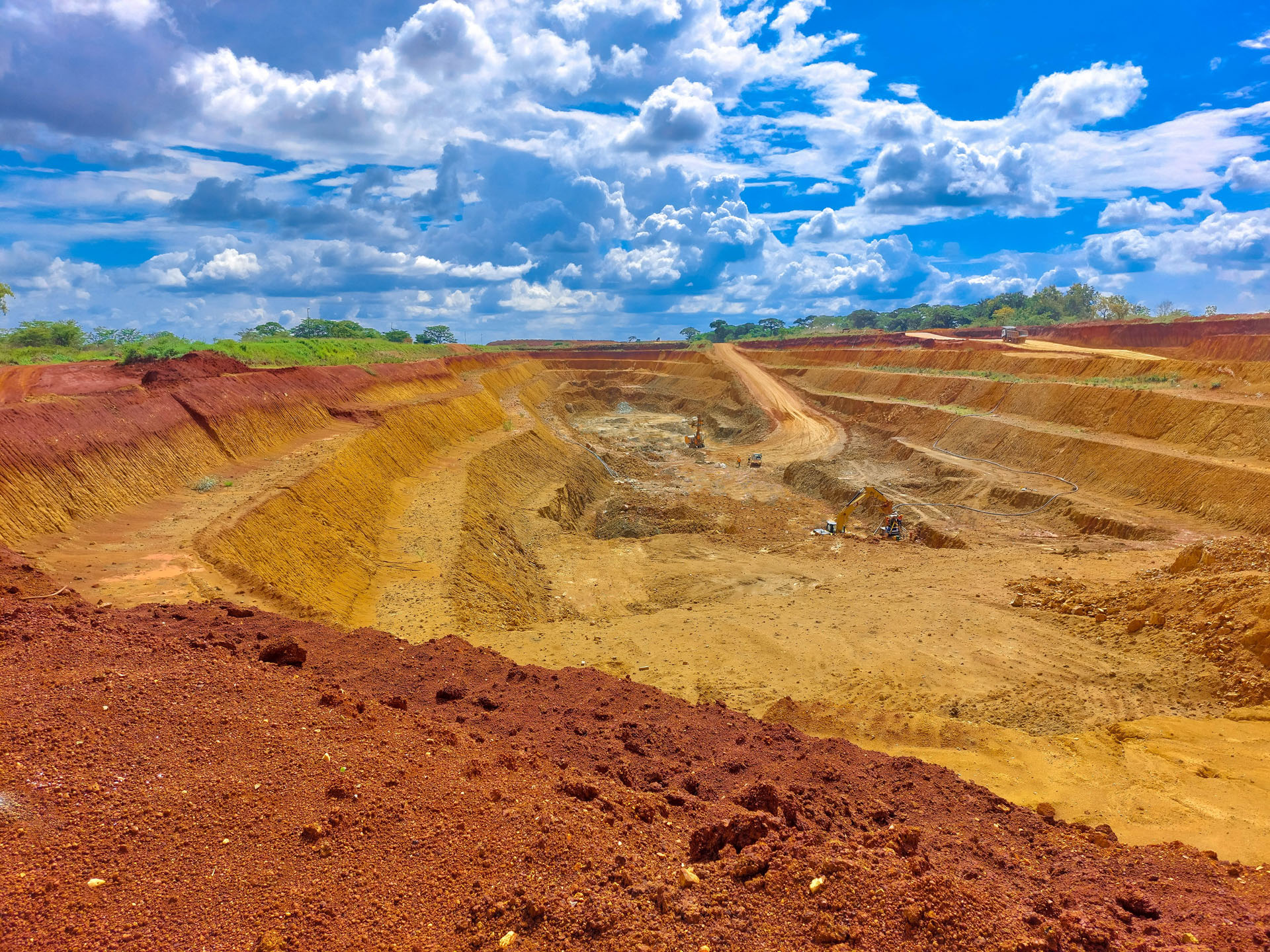
The Blue Rose prospect at Manna Hill is the most active part of Cobra's copper programme. Drilling has now traced copper mineralisation across 1.6 kilometres of continuous strike - roughly the length of 16 football pitches laid end to end - and the mineralisation starts close to the surface, which matters because shallow deposits are generally cheaper and faster to develop than deep ones.
The latest drill holes have returned wide intersections of copper and gold at grades that compare favourably with operating mines. One hole hit 74 metres of copper-gold mineralisation averaging just over 1% copper, with higher-grade pockets within that interval running above 2% copper. Another hole returned 86 metres at 0.60% copper from just 18 metres below the surface. A third hit 62 metres at 1.0% copper.
Critically, drilling directly beneath these high-grade zones has confirmed that the mineralisation continues at depth, not just along the surface. This continuity - meaning the deposit holds its grade and width as it goes deeper - is an important quality indicator for investors assessing whether a discovery can grow into something economically significant.
Drilling for the Source
The shallow copper at Blue Rose sits within a contact zone where ancient magma pushed up into surrounding rock, creating a chemically altered shell of copper-gold mineralisation near the surface. This type of deposit is typically found above a much larger, deeper copper-rich magmatic body - the primary source from which metals were originally driven upward. The world's biggest copper mines, including those in Chile and Peru, are rooted in exactly this kind of deep magmatic source.
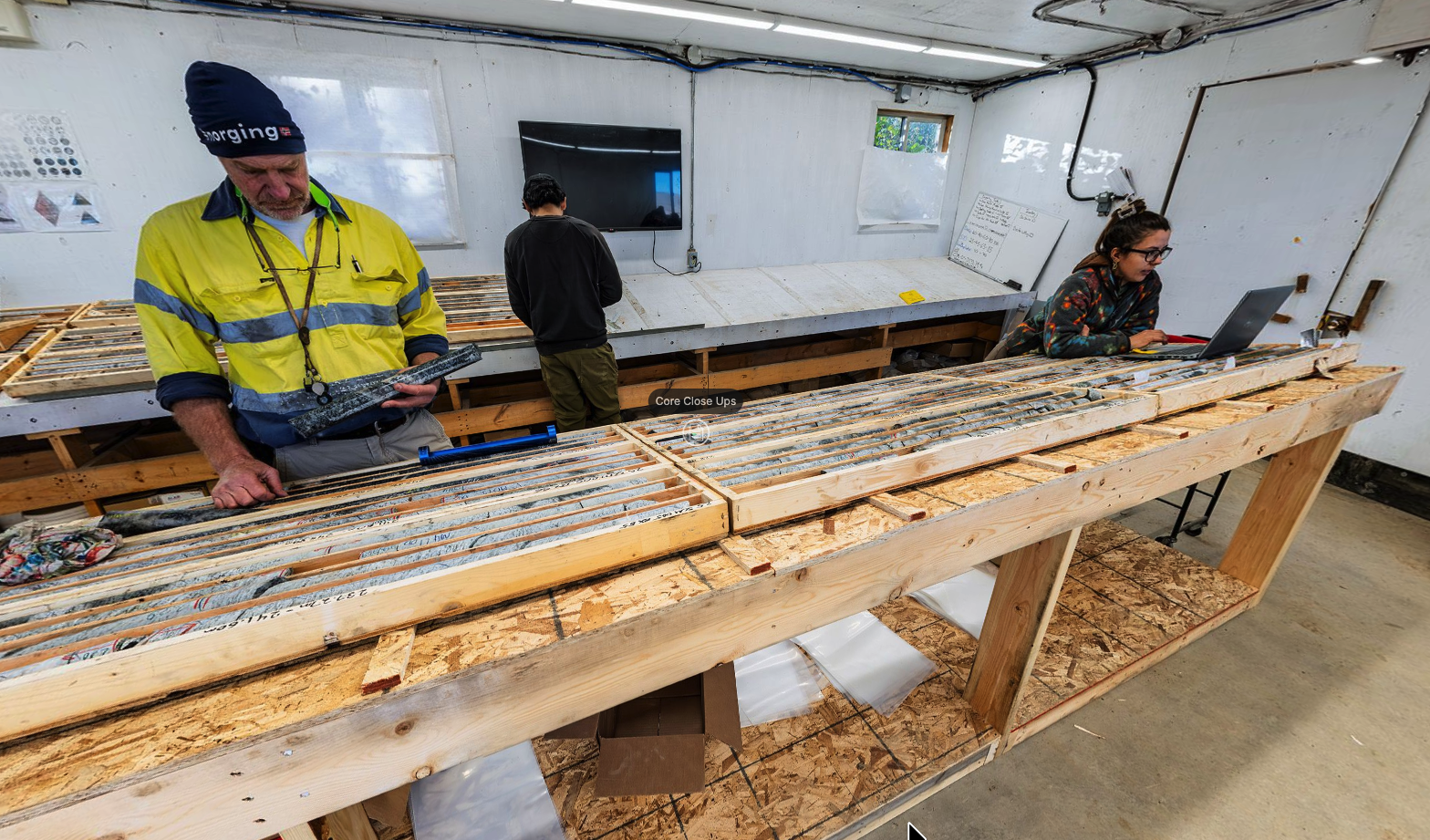
Cobra is now drilling to test whether that deeper source body exists beneath Blue Rose. Up to 1,800 metres of diamond drilling - a more precise and expensive method used to target deep geology - is planned to begin this month. The company has used geophysical surveys and geochemical analysis to identify what it believes is the buried source beneath the shallower copper zones, and this drilling campaign will test that interpretation directly.
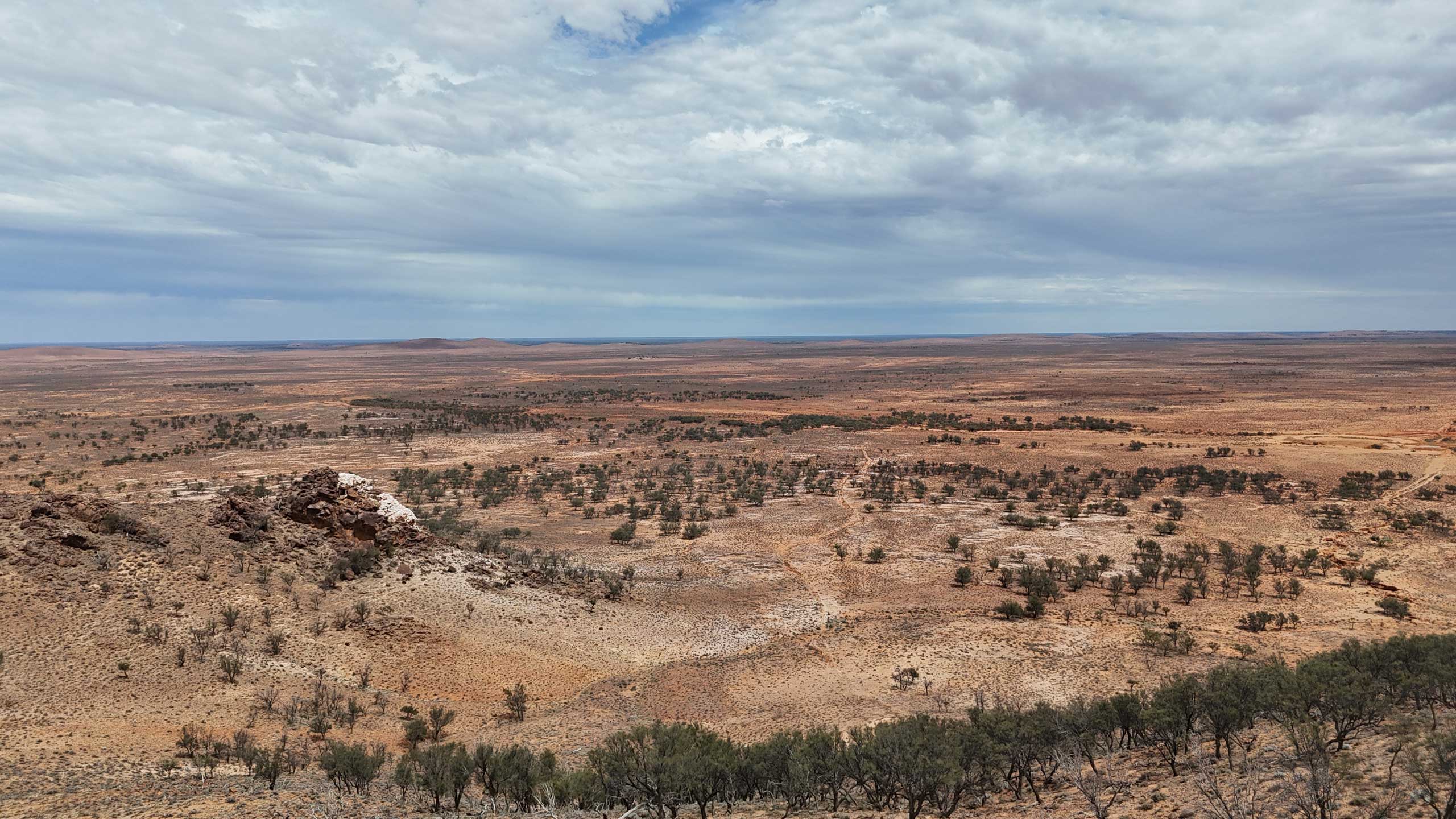
The Manna Hill tenure also includes two other known copper prospects - Netley Hill and Anabama - and a gold prospect called Golden Sophia. The company holds exploration licences covering nearly 1,900 square kilometres in total, most of which remains untested (Source: Company May 2026 Presentation).
A Different Kind of Rare Earth Project
Cobra's second project targets dysprosium and terbium, two heavy rare earth elements that are essential ingredients in the high-performance permanent magnets used in electric vehicle motors and wind turbines. Both are currently produced almost entirely in China, and Western governments and manufacturers are actively seeking alternative sources.
The Boland project sits within a large ancient river system in South Australia. Rare earth elements are dispersed through the sandy sediments of this channel and can be extracted without conventional mining. Instead of digging a pit or driving tunnels underground, Cobra plans to use a process called in-situ recovery (ISR), which involves pumping a mild acid solution into the ground through injection wells, dissolving the rare earth elements, and pumping the solution back to the surface for processing.
This method is low cost, has a small surface footprint, and produces limited waste compared to conventional mining.
What Makes Boland Different
The key advantage of the Boland project over Chinese rare earth operations is the geology. The mineralisation sits within a confined, sealed underground water layer - meaning the acid solution stays within a defined zone and cannot migrate into surrounding groundwater. Chinese operations use an open system where the solution can spread beyond the target zone, creating environmental risk. Cobra's geology removes that problem.
Laboratory and field tests have confirmed that the Boland underground layer is highly permeable, meaning the solution flows easily through the rock. Recovery rates in bench testing reached 66% of the target rare earth elements within 17 days, with low acid use. Those results have since been validated in field conditions.
The company has also developed a processing method that removes the less valuable rare earth elements from the final product, leaving a mix that is unusually rich in the heavy rare earths - dysprosium and terbium - that command the highest prices. Based on pricing data from February 2026, the Boland product carries a higher indicated value per kilogram than comparable products from most peer companies in the sector.
Resource Drilling Underway
Cobra has completed drilling across two priority areas within the Boland system. Results from 58 drill holes across both areas are pending. The company is targeting a maiden resource - its first official estimate of how much rare earth material is in the ground - in the range of 200 million to 400 million tonnes. Those two drilling areas together cover less than 5% of the company's total landholding, leaving the vast majority of the ancient river system still to be tested.
FAQs (AI-Generated)
Analyst's Notes





Subscribe to Our Channel







Stay Informed


