




Cobra Resources Targets Rare Earths Production to Undercut Industry by 50% Using ISR


Cobra advances rare earths ISR & copper projects in S. Australia, targeting $60/kg costs vs $120/kg industry. June resource definition, scoping study & drill results key 2026 catalysts.
- Cobra Resources is advancing two critical minerals projects in South Australia: the Boland rare earths (dysprosium/terbium) project using in-situ recovery, and the Manna Hill copper-molybdenum-gold-PGE project
- The company played a key role in AMEC's submission to Australia's Critical Minerals Strategic Reserve, advocating for production support mechanisms rather than floor prices to maintain market fairness
- In 2025, Cobra acquired 3,200 square kilometers of additional tenure, sold gold assets for non-dilutive capital, proven ISR processes, and developed proprietary acid production to eliminate cerium and enhance product value
- Management aims to become "the Kazatomprom of rare earths" by achieving lowest-cost production through ISR technology, targeting competitiveness at $60/kg versus $120/kg required by competitors
- Key 2026 milestones include defining a significant resource by June, completing a scoping study for rare earths, and delivering drill results showing scale potential at Manna Hill's copper-molybdenum system
As global supply chains for critical minerals face unprecedented scrutiny amid geopolitical tensions, junior explorers with strategic assets are gaining attention from both investors and governments. Cobra Resources (LSE:COBR), a South Australian-focused explorer, finds itself at the intersection of policy development and technical innovation in the rare earths and copper sectors. Managing Director Rupert Verco's recent discussion reveals how the company is not only advancing its projects but actively shaping the policy framework that could determine the sector's future.
Healping Shape Australia's Critical Minerals Strategic Reserve
Cobra Resources has taken an unusually active role in advising the Australian government on its Critical Minerals Strategic Reserve (CMSR) through the Association of Mining and Exploration Companies (AMEC), where Verco sits on the council. The company's involvement stems from concerns about how government intervention in commodity markets could impact competitive dynamics and taxpayer exposure.
The AMEC submission, which Verco helped develop, proposes a model based on Australia's Capacity Investment Scheme from the power sector rather than traditional stockpiling or floor price mechanisms.
"We didn't want to see a floor price because a floor price can be an unfair market advantage. For a company like Cobra which is still a little way away from production... We believe that in-situ recovery can be cost competitive with China, so we don't need $120 a kilo NdPr price... We think we can compete at $60 a kilo."
The proposed mechanism would see the government commit funds for offtake agreements where companies bid their break-even prices and commit specific production quantities. Critically, the government would only purchase product under certain market conditions, while companies would offset gains back to the government if prices exceed certain ceilings. This structure aims to protect companies from price lows while maintaining market exposure to upside potential, limiting taxpayer risk while ensuring supply security.
The Policy-Production Nexus
The policy framework focuses specifically on magnet rare earths (neodymium, praseodymium, terbium, dysprosium) and defense-critical metals like antimony, reflecting strategic value over commodity volume. However, a key uncertainty remains regarding the required level of downstream processing - whether mixed rare earth carbonate suffices or separated oxides are necessary. This distinction carries significant implications for capital intensity and project scope.
Cobra has positioned itself strategically by conducting early-stage separation work, achieving 48% heavy rare earth oxide content, while avoiding the complexity and capital requirements of full downstream processing. As Verco noted,
"We're miners. We're explorers. We're not chemists and metallurgists. I don't want to be treading into waters that we can't execute in."
Technical Achievements: Building the Foundation
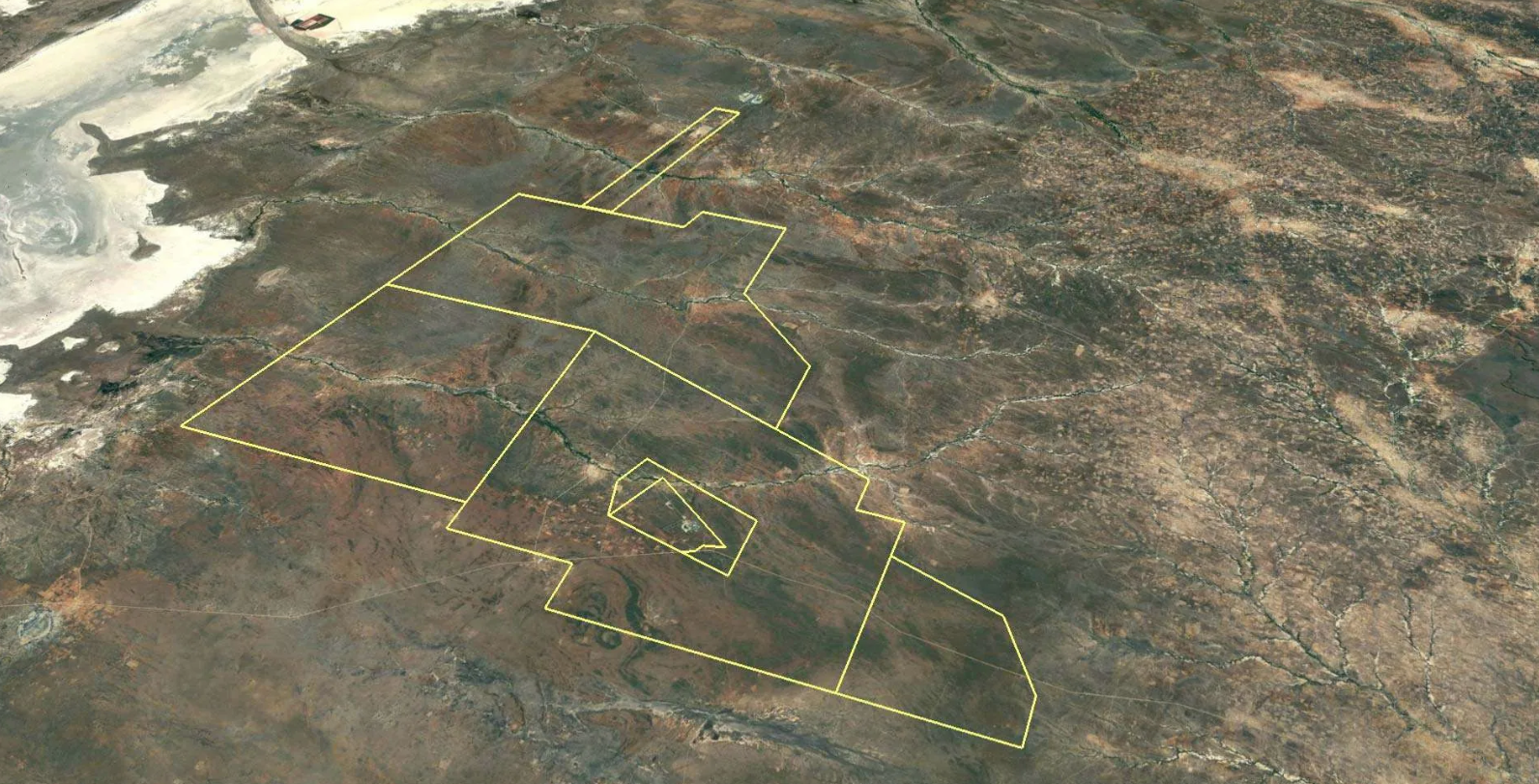
While engaging in policy development, Cobra executed several significant technical and corporate milestones in 2025 that position the company for 2026 advancement. The acquisition of three additional tenements added 3,200 square kilometers of prospective tenure with similar geology to Boland, dramatically expanding the company's resource potential. Recent announcements confirm metallurgy on the new ground matches Boland's favorable characteristics.
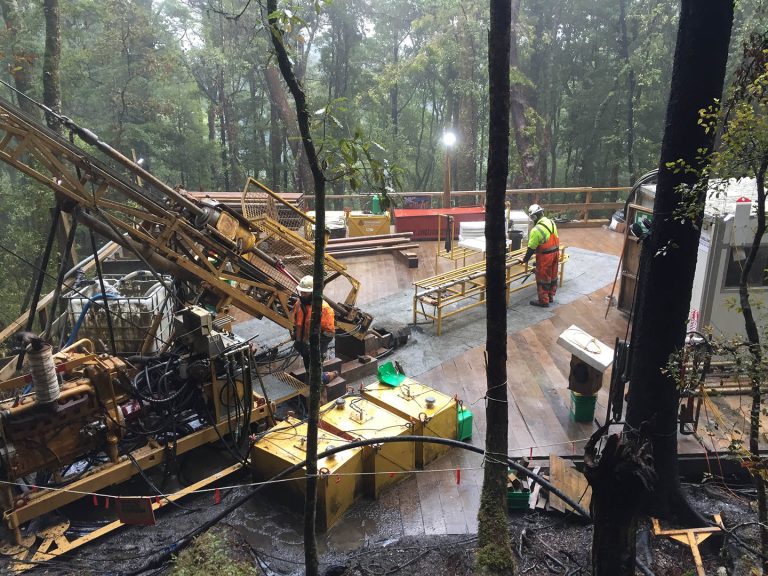
The company's in-situ recovery (ISR) approach represents the cornerstone of its competitive advantage. Through an installed wellfield, Cobra has proven the ISR process works for rare earths recovery. Additionally, the company developed a flowsheet featuring proprietary sulfuric acid production from waste products, addressing supply chain vulnerabilities while reducing operating costs. The metallurgical work achieved 100% cerium suppression - critical because cerium is a low-value rare earth whose removal increases the proportion and value of target elements.
The divestment of gold assets to Barton Gold brought non-dilutive capital while maintaining strategic exposure through a significant equity position. This transaction exemplifies management's capital efficiency focus and provides potential future funding optionality.
Interview with Rupert Verco, CEO of Cobra Resources PLC
The Kazatomprom Vision: Cost Competition as Strategic Value
Verco articulated an ambitious vision: positioning Cobra as "the Kazatomprom of the rare earth industry" by redefining floor production costs through ISR technology. Kazakhstan's uranium giant Kazatomprom dominates global uranium supply through lowest-cost ISR operations, creating strategic value beyond commodity pricing. Cobra aims to replicate this model in rare earths, targeting cost competitiveness at $60/kg NDPR versus $120/kg required by conventional mining operations.
This cost advantage could translate into strategic premium valuations, particularly as Western governments seek reliable supply alternatives to China.
"We have an asset that could have huge strategic value if we can drive down the cost of production but have reliability of supply. We think we can get that strategic premium."
Portfolio Strategy: Balancing Optionality and Focus
Cobra maintains parallel development of rare earths at Boland and copper-molybdenum-gold-PGE at Manna Hill, an approach that generates questions about capital allocation in junior companies. Management justifies this strategy through several lenses: exposure to two critical commodity markets amid policy uncertainty, efficient utilisation of technical capabilities while managing permitting timelines beyond company control, and commercial optionality as market conditions evolve.
The capital split currently runs approximately 60-40 between the projects, with rare earths receiving priority. For rare earths, the pathway includes defining a significant resource by June 2026, rapidly completing a scoping study (for which most inputs are prepared), then advancing toward pilot studies and production decisions. The copper asset at Manna Hill offers "company maker" potential through cost-effective definition of tier-one scale at shallow depths.
Cobra's balance sheet includes current cash, an active drill program, and approximately £5 million in in-the-money warrants expiring mid-to-late 2026. The Barton Gold equity position provides additional non-dilutive funding optionality. Management emphasises building long-term investor relationships capable of supporting future capital requirements while maintaining anti-dilutive approaches where possible.
The company remains open to strategic partnerships, particularly for rare earths, once technical risk reduction demonstrates project viability. Verco acknowledged ISR challenges, citing Boss Energy's production ramp-up difficulties, but emphasised current work addresses such risks proactively.
Manna Hill: The Undervalued Copper Upside
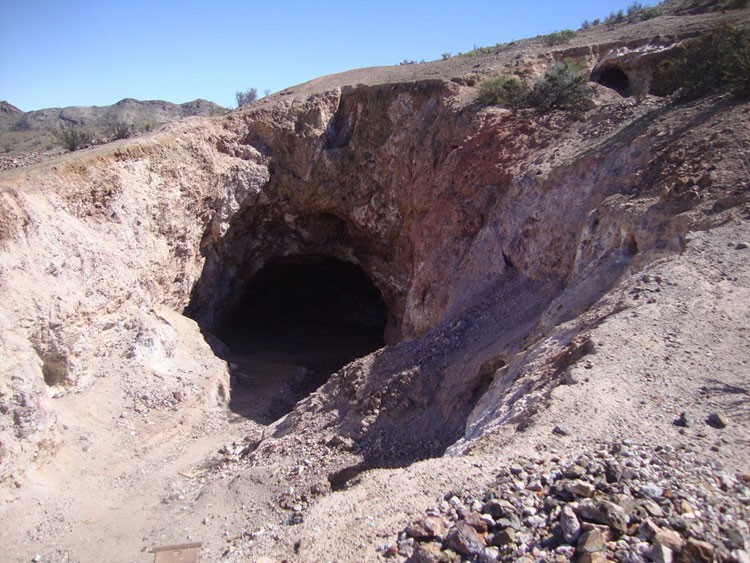
While rare earths dominate the Cobra narrative, Verco suggested the Manna Hill copper opportunity may be undervalued by the market. Historic drill results include 4-8 meter intersections grading 2% molybdenum at the Blue Rose prospect - exceptional grades in the current molybdenum price environment. The company conservatively awaits additional geological data to characterise the system's scale and continuity before aggressive marketing.
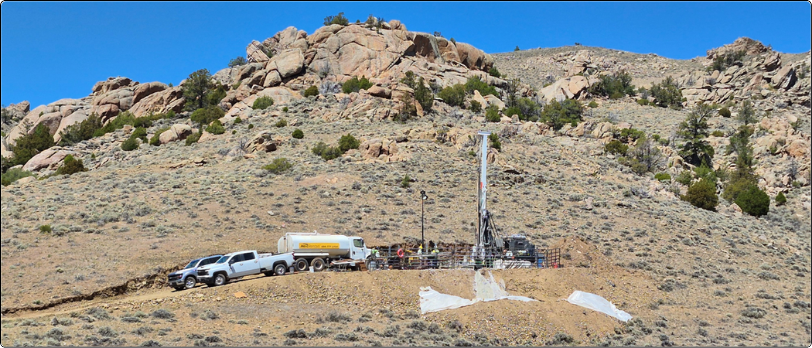
Current drilling aims to unravel the geology and demonstrate scale for copper mineralisation with polymetallic enrichment. Verco articulated a 2026 goal of delivering "50 meter plus 1% copper intersections that show porphyry provenance and scale" - results that could materially re-rate the asset.
The Investment Thesis for Cobra Resources
- Policy Positioning: Active engagement in Australia's CMSR development positions Cobra to benefit from government support mechanisms while advocating for fair market structures that advantage low-cost producers
- Technical Differentiation: Proven ISR rare earths recovery with proprietary acid production and cerium suppression creates potential cost leadership at $60/kg NdPr versus $120/kg industry requirements
- Strategic Value Premium: Low-cost, reliable Western rare earths supply addresses geopolitical supply chain vulnerabilities, potentially commanding valuations beyond commodity NAV metrics
- Scalability: 3,200 square kilometer tenure expansion with confirmed favorable metallurgy dramatically increases resource potential beyond initial Boland discovery
- Dual Commodity Exposure: Balanced critical minerals portfolio provides copper-molybdenum upside while rare earths advance, offering commercial optionality and risk diversification
- Near-Term Catalysts: June 2026 resource definition, scoping study completion, and Manna Hill copper-molybdenum drill results provide clear value inflection points
- Non-Dilutive Funding Options: £5 million in-the-money warrants, Barton Gold equity position, and potential government support reduce dilution risk during development
- Tier-One Copper Potential: Manna Hill's scale potential, historic high-grade molybdenum intercepts, and polymetallic enrichment offer "company maker" discovery upside
- Capital Efficiency: Asset divestments, focused metallurgical spend, and technical team optimisation demonstrate disciplined capital allocation in junior resource space
- Experienced Backing: Major shareholders with track records in uranium ISR and significant gold discoveries provide strategic guidance and market credibility
The global pivot away from Chinese dominance in critical minerals supply chains has elevated from corporate procurement concern to national security imperative. Western governments recognise rare earths and copper as foundational to defense systems, renewable energy infrastructure, and emerging technologies. However, translating policy objectives into commercial reality requires balancing market efficiency against supply security - a tension playing out in Australia's CMSR development.
Companies demonstrating cost competitiveness without subsidy dependence, like Cobra's targeted $60/kg NdPr production costs, position themselves as sustainable long-term suppliers rather than policy-dependent recipients. The strategic premium assigned to reliable Western supply, evidenced by recent U.S. government rare earths transactions, suggests traditional commodity valuation frameworks may undervalue assets offering both economic viability and geopolitical security. As Verco observed:
"When governments get involved in commodities, mate, it can be good, it can be horrible... when these deals are being done by the US government you can see that strategic value can have a huge premium."
TL;DR: Executive Summary
Cobra Resources is advancing two South Australian critical minerals projects - Boland rare earths (ISR, targeting $60/kg costs vs. $120/kg industry standard) and Manna Hill copper-molybdenum - while actively shaping Australia's Critical Minerals Strategic Reserve policy through AMEC to favor low-cost producers. Key 2026 catalysts include June resource definition, scoping study completion, and drill results demonstrating tier-one copper scale. Strategic value potential stems from Western supply chain security combined with technical cost leadership and 3,200km² tenure expansion with proven metallurgy.
FAQ's (AI Generated)
Floor prices create unfair advantages for higher-cost producers. Cobra believes its ISR technology can compete at $60/kg NdPr versus $120/kg required by conventional miners, so government-supported floor prices would disadvantage their competitive position while benefiting less efficient operations.
Management targets defining a significant rare earths resource by June 2026, followed rapidly by a scoping study. Most scoping study inputs are complete, requiring only the resource estimate to finalise. Pilot study and production decisions follow pending results.
Dual projects provide critical minerals exposure amid policy uncertainty, efficient technical team utilisation during uncontrollable permitting delays, and commercial optionality. The 60-40 capital split allows advancement of both assets while maintaining future strategic flexibility.
£5 million in-the-money warrants expiring 2026, Barton Gold equity providing non-dilutive capital optionality, and potential government support mechanisms reduce dilution. Management focuses on building long-term investor relationships for future capital requirements.
Early-stage separation achieves 48% heavy rare earth oxide content with 100% cerium suppression, increasing valuable element ratios and marketability. This balance avoids excessive downstream processing complexity while creating globally competitive differentiation.
Analyst's Notes





Subscribe to Our Channel






Stay Informed



