




Coda Minerals PFS Catalyst Lands Q1 2027, High Copper Recoveries with Silver Stream Option


Coda Minerals' chloride leach returns 95% copper and 96% silver recoveries as Elizabeth Creek PFS nears Q1 2027, with shares at roughly 3% of scoping study NPV.
- Coda Minerals trades at roughly 3% of its A$1.52 billion scoping study post-tax NPV, a discount which CEO Chris Stevens calls typical for a mid-PFS developer.
- The chloride leach base case is returning about 94-95% copper and 96% silver across around 130 tests, including 90% on difficult Windabout ore.
- Tests since the August 2025 scoping work also recovered about 40% of the cobalt in the leach, a stream excluded from all previous economics and an unpriced upside.
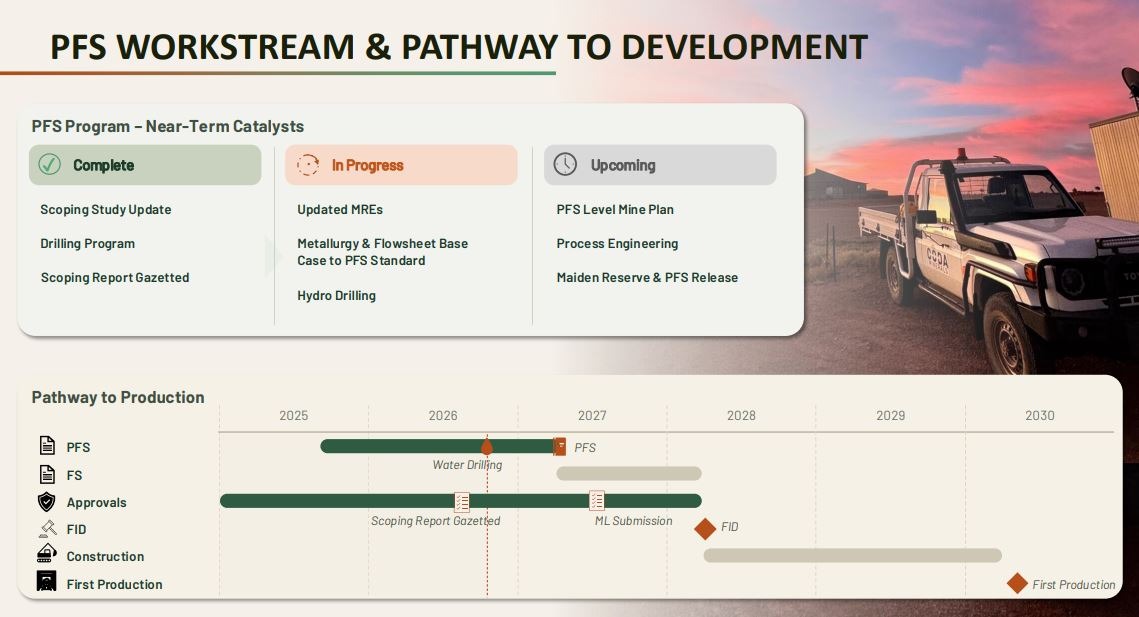
- METSIM modelling, locked cycle testing and the leach vs flotation decision lead into a Q1 2027 PFS.
- A 28Moz silver resource supports a possible streaming deal to fund part of the A$615 million capex.
Copper developers with advanced projects in stable jurisdictions are becoming harder to find. That scarcity is drawing attention back to the study phase, where junior valuations often stall before a pre-feasibility study (PFS) reprices the asset. Coda Minerals (ASX:COD) sits squarely in that window. The company is just over halfway through a PFS on its Elizabeth Creek copper-silver project in South Australia, with delivery targeted for the first quarter of 2027.
Elizabeth Creek hosts a Joint Ore Reserves Committee (JORC) resource of 65.5Mt at 1.6% copper equivalent (CuEq), containing more than 700,000t of copper and 28 million ounces of silver. The project sits about seven hours north of Adelaide, 40km west of BHP's Carrapateena mine and 16km from its Oak Dam West project. Coda's market capitalisation is around A$42 million. CEO and Executive Director Chris Stevens says that equates to roughly 3% of the project's scoping study post-tax net present value (NPV).
A Familiar Discount During the Study Phase
Stevens frames the gap between market value and study economics as a normal feature of the development cycle rather than a company-specific problem. He says companies at Coda's stage commonly trade between 2% and 5% of NPV while a PFS is under way. This is the stretch of the Lassonde Curve where speculative interest has faded and engineering certainty has not yet arrived.
He lists three things the market wants to see before that changes. The first is a final flowsheet selection. The second is a full suite of mine planning across the two open pits and the underground deposit. The third is a completed PFS carrying a defensible valuation that is a reasonable multiple of the capital cost.
The March 2026 scoping study update set out a base case pre-tax NPV at a 7% discount rate (NPV7) of A$2.25 billion and a pre-tax internal rate of return (IRR) of 56%. Post-tax figures were A$1.52 billion and 43%. Those numbers rest on US$10,500/t copper and US$60/oz silver, with capital expenditure of A$615 million over a 15.5-year mine life. Coda is working to an 18-month PFS schedule, well inside the typical two to three years.
Chloride Leach Recoveries
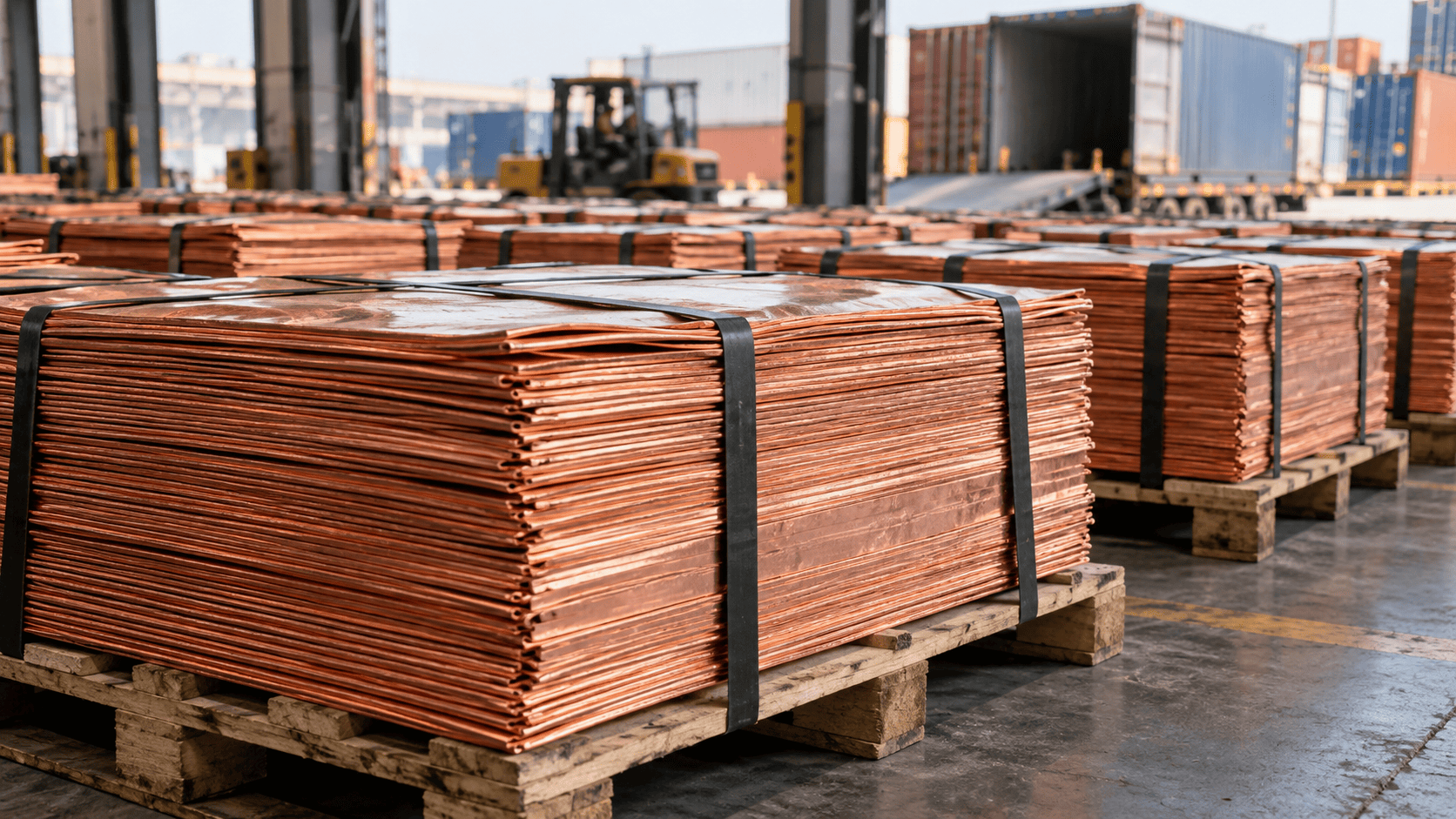
Metallurgy is the central technical question for Elizabeth Creek, and Stevens describes it openly as challenging. Coda has developed two flowsheets. The first is a conventional flotation route producing a concentrate that is then processed to final product. The second, and now the base case, is a whole-ore chloride leach that produces copper cathode and silver doré on site.
Flotation recoveries sit in the low 80% range. The chloride leach is returning about 94% to 95% copper and about 96% silver, with one recent sample recovering 99.8% of the silver. Coda has also lifted cobalt recovery in the leach to an average of about 40%. None of its previous economic studies included any cobalt revenue.
The more important development is the quality of the dataset. The August 2025 scoping-level results came from about three composites, tested in Perth tap water, with no open pit material. Since then Coda has run around 130 tests across a broader spread of the orebody. These include Windabout, historically the hardest pit to process, where flotation recovered only in the mid-70% range. Stevens admits the market's muted response to the latest results disappointed him.
"We went out and picked the nastiest, highest [chalcopyrite]-dominant, lowest grade sample we could find. We still got 90% recovery, which is very rare in leaching."
Leach Time, Capital Intensity & Reagent Recycling
Coda raised the leach solids ratio from 6% to 10%, which reduces plant size and capital cost. The leach curve flattens between eight and 12 hours, but results were reported at 24 hours because the laboratory could not assay intermediate points overnight. Stevens expects the final residence time to land closer to eight to 12 hours. He adds that leach tanks are a relatively small share of total project capital.
Reagent recycling is the next hurdle. Coda has begun METSIM process modelling, a roughly month-long desktop exercise covering reagent recycling, water requirements and equipment. Locked cycle testing follows, running the leach as an integrated circuit to confirm reagents recycle and nothing builds up in the system. Stevens says the reagents are not consumed, making recycling a mechanical question rather than a chemistry problem. The final leach versus flotation trade-off follows this work.
Interview with Chris Stevens, CEO of Coda Minerals
Mine Planning Across Two Pits and an Underground Deposit
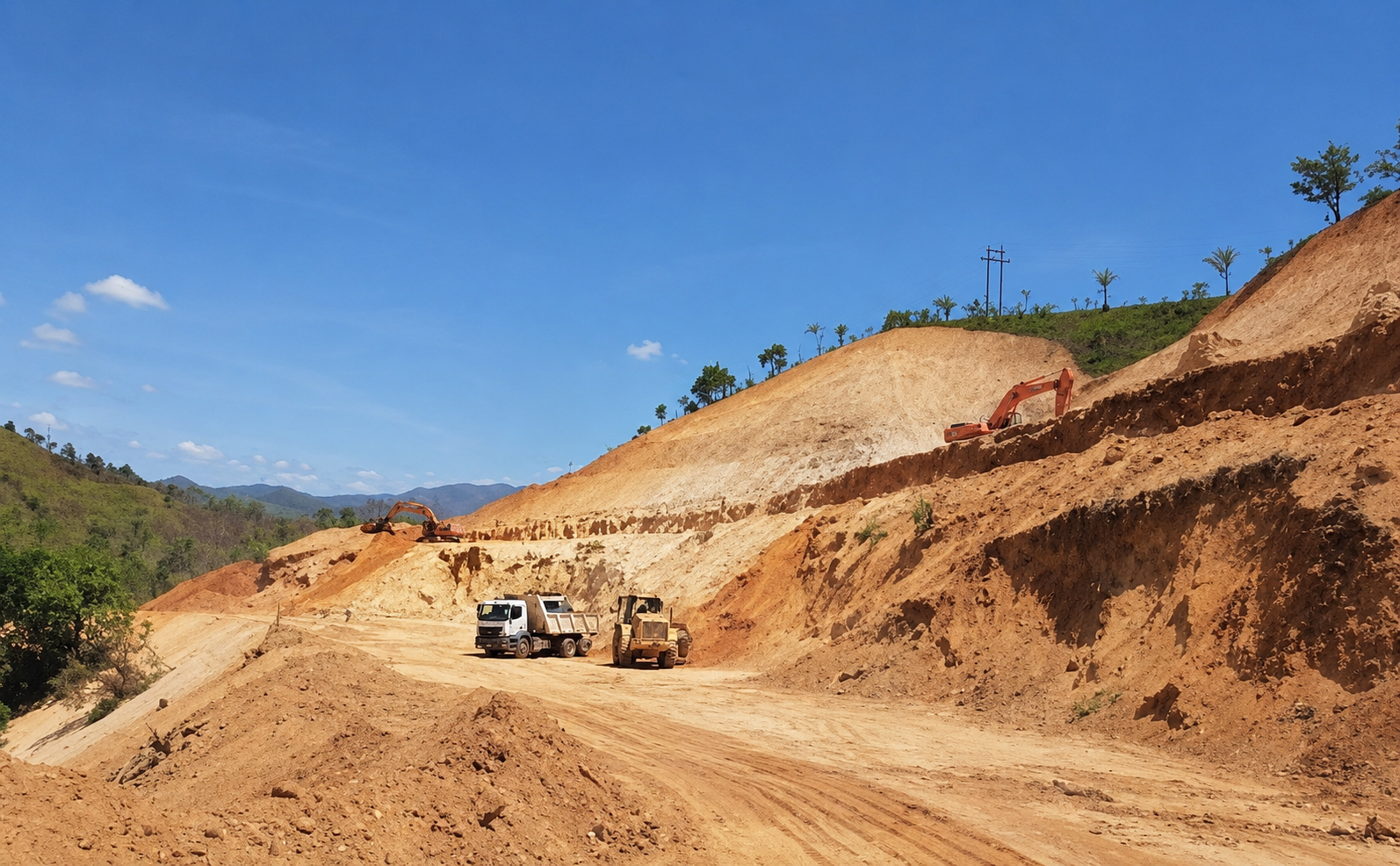
Open pit optimisation is being completed first. Coda last optimised the pits at US$7,800/t copper and US$16/oz silver, so re-optimisation at current pricing is expected to change the result. Windabout is a 17.7Mt indicated resource grading 0.8% copper and was previously optimised to a 6Mt production target. MG14 is smaller and higher grade. Stevens describes it as a good couple of years of plant feed. Together the two pits contain more than a quarter of a million tonnes of copper.
The pit results will set how much open pit feed is available and for how long. That in turn shapes the sizing of Emmie Bluff, the flagship underground deposit at about 400m depth. A plant fed at around 3Mt per annum could draw on a slower underground mining rate, supporting more selective mining of a narrow orebody. Coda is assessing mining methods, pillar recovery strategies, paste fill and controlled subsidence. Stevens notes the geology is unusual, with soft dolomitic shale ore beneath a highly competent sandstone hanging wall.
On reserve conversion, Stevens says almost all of the previous mine plan sat in the JORC Indicated category. That gives Coda a strong base for declaring a maiden reserve within the PFS without first committing to further drilling. The open pits also act as a hedge against a slow underground ramp-up. As Stevens puts it, the project would be far more challenging if it relied on the underground alone. Coda will also soon test the Oakden prospect, which Stevens hopes could become a third open pit.
Funding the Build: Silver Streaming in Focus
Capital costs are rising across the industry, but Stevens argues that copper prices are rising with them. He would not adopt the US$14,000 to US$15,000/t decks some peers now use, and regards long-term forecasts in the low US$11,000s as more sensible. Independent engineers have been appointed for process and non-process infrastructure capital estimates.
Stevens keeps a tracker of 143 potential partners and funders spanning industry groups, hedge funds, financiers and acquirers. He argues that serious counterparties want to see the flowsheet decision and a final mine plan, and he sees little merit in entertaining an opportunistic approach before then. He points to the precious metals stream KGL Resources agreed with Wheaton Precious Metals on its Jervois project as a model for lower-dilution funding.
"We've got 28 million in resource. Our previous mine plan had 20 million. So, again, our ability to fund a material part of this capex just from doing a 50% silver streaming deal is very real."
He adds that a streamer's central concern is how the metal will be delivered, which again depends on finalising the processing and mining plans.
Approvals, Water & Schedule Risk
The items outside Coda's direct control are mostly about time. Stevens cites weather, drill rig breakdowns, consultant availability and assay turnaround times that have stretched from about three days to four weeks.
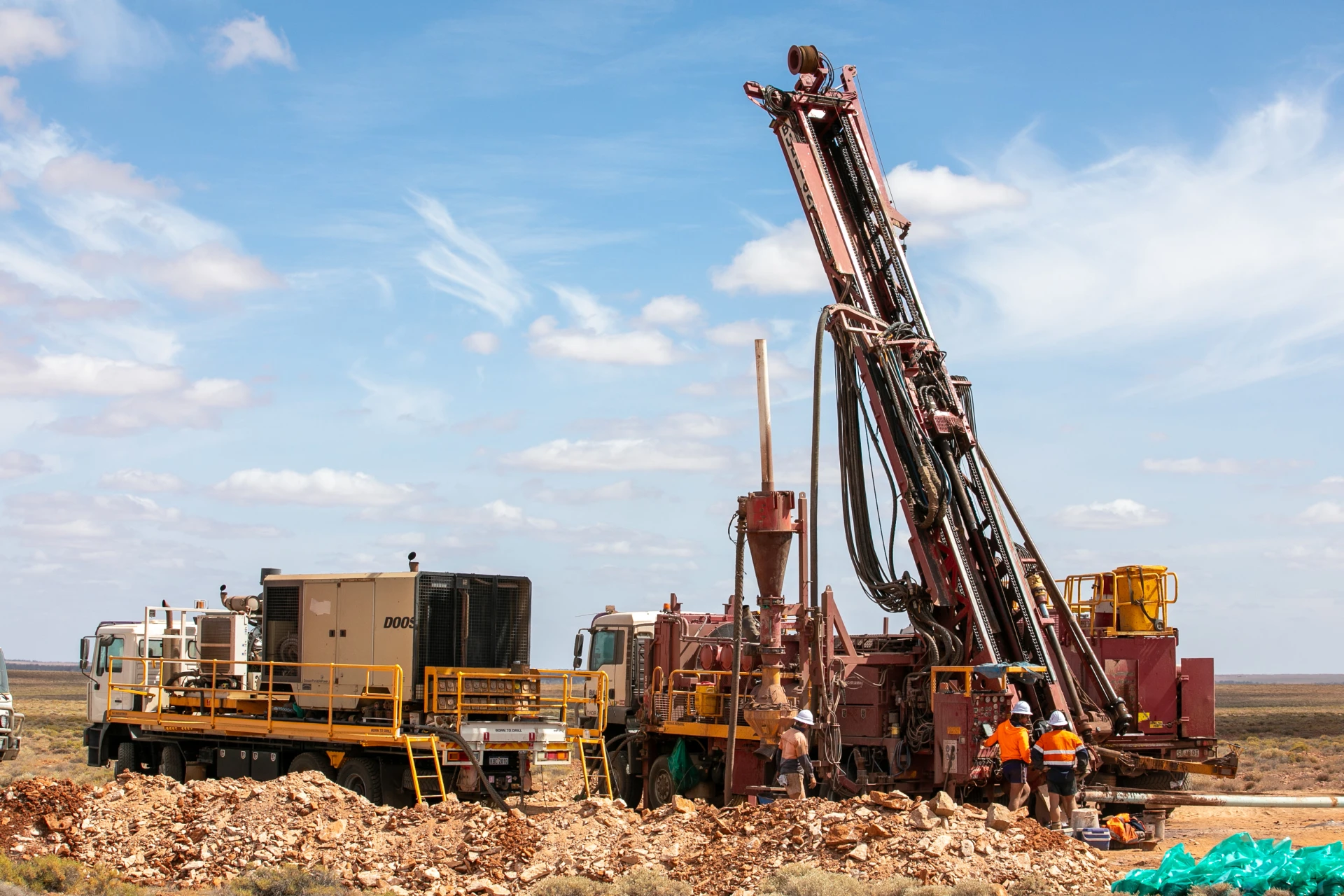
Approvals are progressing. South Australia's first approvals stage, also confusingly called a Scoping Report, was gazetted earlier this year. Stevens describes it as a legally binding document setting out every step of the approvals pathway. Coda is drilling water bores ahead of pump testing. Carrapateena sources most of its water from borefields close to Elizabeth Creek, which underpins Stevens' confidence in flow rates. Saline site water has also been tested in the leach and marginally improves its performance.
Investment Thesis for Coda Minerals
- Coda trades at roughly 3% of its scoping study post-tax NPV, at the low end of the 2% to 5% range Stevens says is typical for companies midway through a PFS.
- Chloride leach recoveries of about 94% to 95% copper and 96% silver are now backed by around 130 tests across a wider orebody spread, including difficult Windabout material.
- Cobalt recovery of about 40% in the leach represents potential upside, because no previous study included cobalt revenue.
- Almost all of the previous mine plan sat in the Indicated category, supporting maiden reserve conversion within the PFS without additional drilling.
- A 28 million ounce silver resource gives Coda a credible streaming option to fund part of the A$615 million scoping-stage capital cost.
- Watch the METSIM modelling results, locked cycle test outcomes and the leach versus flotation trade-off decision ahead of the Q1 2027 PFS.
Macro Thematic Analysis
The copper market is entering a phase where project scarcity, rather than demand alone, is shaping valuations. Discovery-to-production timelines in the industry average 13 to 15 years, according to Stevens, and the pipeline of advanced, development-ready copper assets is thin. That leaves producers, streamers and financiers competing for a small number of credible projects in low-risk jurisdictions.
Cost inflation is a real headwind, and it affects every developer equally. The differentiating factor is whether a project can carry those costs at realistic long-term prices. Stevens' preference for low US$11,000/t copper assumptions, below current spot, signals an intention to present PFS economics that financiers will treat as conservative.
"Costs are a major factor in the industry. They apply to every single one. But the copper prices are also increasing enormously. The availability of projects is decreasing enormously."
Jurisdiction adds to the scarcity premium. South Australia ranked fourth globally in the Fraser Institute's investment attractiveness rankings, according to Coda's presentation, and the state hosts major operating copper infrastructure. Elizabeth Creek's position near BHP's Carrapateena and Oak Dam West places it inside an established copper district rather than on a frontier.
Silver strengthens the case. Streaming has become a mainstream funding tool for base metals developers, letting by-product silver attract capital with less dilution than equity. Stevens cites Australian peers that re-rated sharply after completing studies and securing streaming or strategic backing.
TL;DR
Coda Minerals is just over halfway through a PFS on its Elizabeth Creek copper-silver project in South Australia, targeting delivery in Q1 2027. Its whole-ore chloride leach base case is returning about 94% to 95% copper and 96% silver recovery across around 130 tests, including 90% on difficult Windabout open pit material, plus about 40% cobalt that no prior study priced in. The company trades at roughly 3% of its A$1.52 billion post-tax scoping NPV. METSIM modelling, locked cycle testing and the flowsheet decision are the next catalysts. A 28 million ounce silver resource supports a potential streaming deal to fund part of the A$615 million capex.
FAQs (AI Generated)
Analyst's Notes





Subscribe to Our Channel





Stay Informed


