




Silver Deficit Exposes Mine Supply Lag as Americas Gold & Silver Adds Galena Capacity


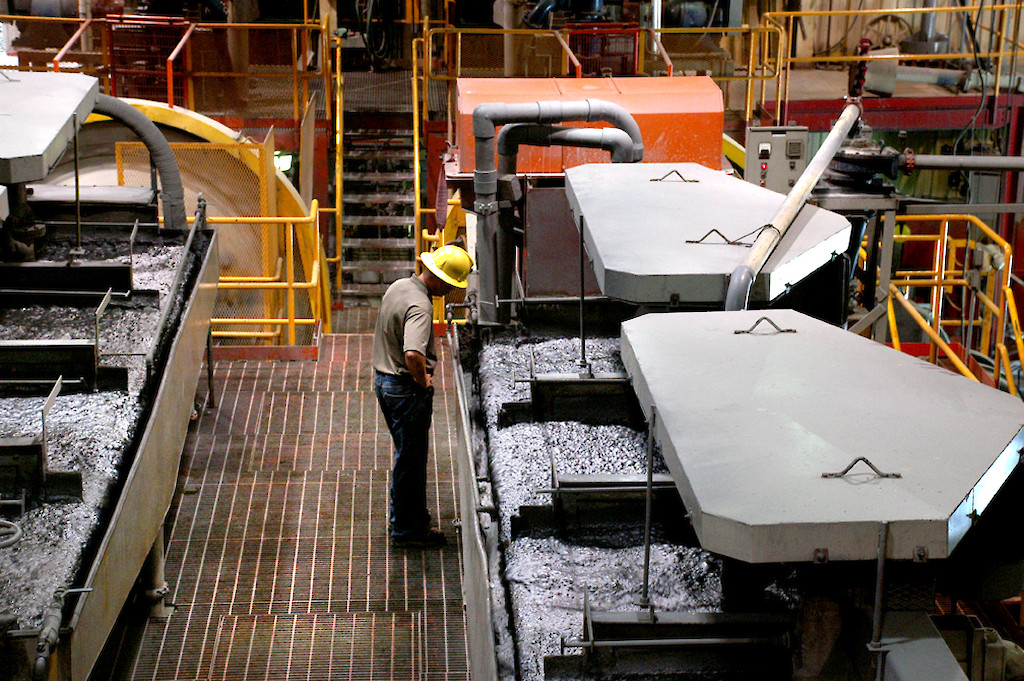
Americas Gold & Silver cites a 6-year silver deficit as demand outpaces mine supply; Galena's added capacity shows how long underground supply takes.
- Americas Gold & Silver management puts annual global silver consumption at 1.1 billion to 1.2 billion ounces against production of about 900 million ounces, a deficit it says has run for 6 years.
- Management says artificial intelligence has grown over the last 4 years in a way underground mines have not, and ties silver demand to semiconductors and electrification.
- Historically, Galena produced 5.2 million ounces of silver in 2002, and Americas attributes the halt in depth development to a lack of capital during a long silver bear market.
- Americas has doubled Galena's hoisting capacity and is targeting a mill capacity of 1,200 short tons per day, up from about 750.
- Consolidated silver production for the first half of 2026 was 1,451.8 thousand ounces against full-year guidance of 3.2 million to 3.6 million ounces.
Americas Gold & Silver (TSX: USA | NYSE American: USAS) mines silver at 2 producing operations, the Galena Complex in Idaho's Silver Valley and Cosalá Operations in Sinaloa, Mexico. Management describes a market that consumes about 1.1 billion to 1.2 billion ounces of silver a year and produces about 900 million ounces, a deficit it says has lasted 6 years in a row. It links that gap to electrification and to the artificial intelligence (AI) boom, and Galena's own schedule shows how long an underground producer needs to answer it: the equipment order for long hole stoping came on December 28, 2024, the No. 3 Shaft upgrades finished on June 25, 2026, and the mill expansion is planned across 2026.
AI & Electrification Demand Outruns New Mine Supply
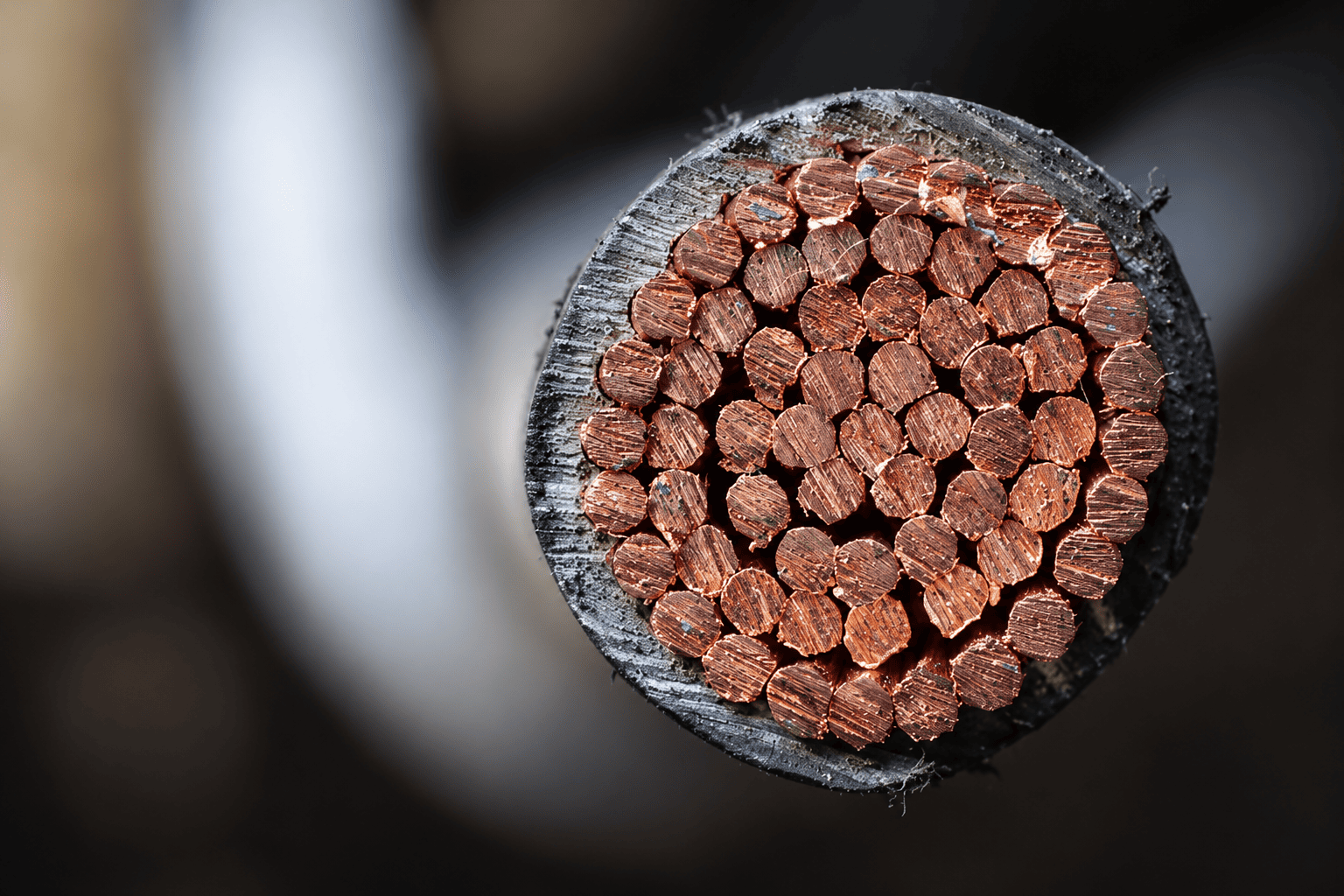
Management says silver conducts better than copper and goes into smaller components such as semiconductors, and it lists solar power and batteries among the electrification uses. The company says AI has grown over the last 4 years in a way underground mines have not, and management cites shortages across silver, copper and antimony, all 3 of which Americas produces. Management also says it was the only miner at an AI conference in Texas, where AI company chief executives spoke of shortages in semiconductors and raw materials.
Chairman and Chief Executive Officer of Americas Gold & Silver, Paul Andre Huet, described the mismatch:
"If you look at how AI has grown in the last 4 years, that's not happening the same way in underground mines or any mine, open pit mines."
Galena Pairs High Grade With Depth Potential
Galena's 2025 average silver head grade of 473 grams per tonne (g/t) ranks second among the 5 highest-grade silver mines in Americas' ranking, behind Hecla Mining's Keno Hill at 994 g/t and ahead of Buenaventura's Julcani at 458 g/t and Hecla Mining's Lucky Friday and Greens Creek at 446 g/t and 432 g/t. Historically, Galena produced 5.2 million ounces of silver in 2002 at an average grade of 729 g/t, the peak of its production record since 2000; during the low-price years, the operation focused on base metals in silver-lead ore.
Galena and the nearby Crescent Mine are among the shallowest mines in the Silver Valley, with significant depth potential remaining, and Lucky Friday, a neighbor in the district, reaches about twice Galena's depth. Americas attributes the halt in depth development to a lack of capital to drill during an extended silver bear market, not to faulting or other geologic structures, and says strong potential exists to extend the mines deeper as drilling targets areas below the current Mineral Resource.
Capacity Additions Run on Equipment Orders & Shaft Schedules
Americas ordered new equipment to improve productivity and enable long hole stoping at Galena on December 28, 2024. The Phase 1 and Phase 2 No. 3 Shaft hoisting upgrades, with Phase 2 completed on June 25, 2026, doubled hoisting capacity, and Americas is targeting 1,350 short tons per day, triple 2024 hoisting rates. Under long hole stoping, Americas reports up to about 200 tons per shift in 2026, up from about 50 tons per shift in 2024 under underhand cut and fill. Completed upgrades also include more than 12 new equipment units and fiber optics that enable automation and real-time tracking underground.
The Idaho mine has operated since the 1800s with little capital deployed, and the company has been changing the mining method, adding communications, and installing new equipment. The mill is next: capital investments planned across 2026 target a lift from about 750 to 1,200 short tons per day.
The Next Supply Test Is 2026 Production
Americas is targeting 3.2 million to 3.6 million ounces of silver in 2026, about 30% above 2025 production of 2.65 million ounces. Consolidated production for the first half of 2026 was 1,451.8 thousand ounces, with about 787,000 ounces in the first quarter and about 665,000 ounces in the second; third-quarter and fourth-quarter results have not been reported. Cosalá produced a record 1.2 million ounces of silver in 2025 while ramping EC120 to commercial production. The guidance assumes targeted mining rates and costs, availability of personnel, contractors, equipment and supplies, timely permits, and cash for capital investments.
Huet pointed to the supply question that follows from AI growth:
"When I look at the AI and how fast that's going, it just shocks me that people aren't really watching, well, where are we going to get the metal?"
He asks whether the metal will be produced domestically or sourced from elsewhere, and says the answer is to invest in domestic mines. For Americas, 2026 production is the measurable part of that answer: third-quarter and fourth-quarter consolidated production will show how close output comes to the 3.2 million to 3.6 million ounce guidance.
FAQs (AI-Generated)
Analyst's Notes





Subscribe to Our Channel



Stay Informed






