




US Tariff Threat Reprices Copper Without a Global Shortage


With 71% of exchange stocks in the US, regional premiums squeeze fabricator margins while potentially supporting valuations for non-US producers.
- Two unions at Chile's Centinela mine began striking on October 7, 2026, after government-mediated talks failed, while three-month London Metal Exchange (LME) copper rose 0.96% to $14,614.50 per tonne on October 8.
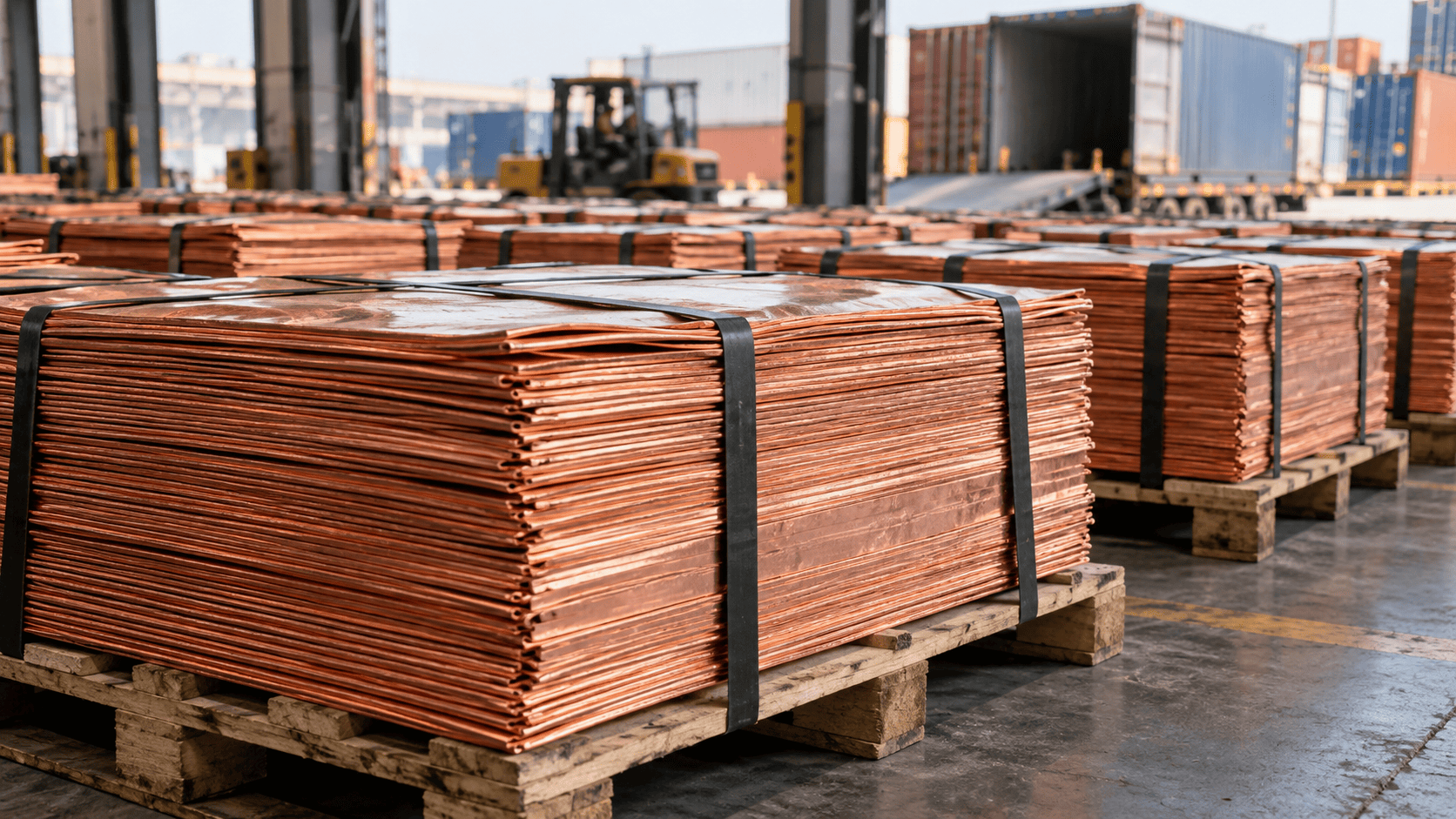
- As of October 2, 2026, COMEX held 706,047 tonnes of copper versus 248,650 tonnes on the LME, placing 71% of global exchange stocks in the US amid tariff uncertainty.
- International Copper Study Group (ICSG) reported a 5,000-tonne refined copper deficit from January to July in its September 2026 bulletin, indicating that regional inventory constraints, rather than a global shortage, drove record prices.
- Centinela produced 48,700 tonnes in the first quarter of 2026, making the strike a greater price risk in regions with thin copper inventories than to global supply.
- LME copper stocks above 300,000 tonnes in the next weekly report would signal improved regional supply and could narrow the shortage premium.
Chilean Mine Strike Lifts LME Prices to $14,614
Two unions at Chile's Centinela copper mine began striking after negotiations with Antofagasta Minerals failed, raising supply disruption risks. Three-month London Metal Exchange (LME) copper rose 0.96% to $14,614.50 per tonne after touching $14,646.50, its highest in nearly two weeks.
Centinela produced 48,700 tonnes in the first quarter of 2026, while Antofagasta maintained full-year production guidance of 650,000 to 700,000 tonnes, indicating limited supply risk from the strike. Copper prices rose as limited LME-accessible inventories amplified supply concerns, rather than because of a global shortage.
US Tariff Threat Shifts Stocks Into COMEX Warehouses
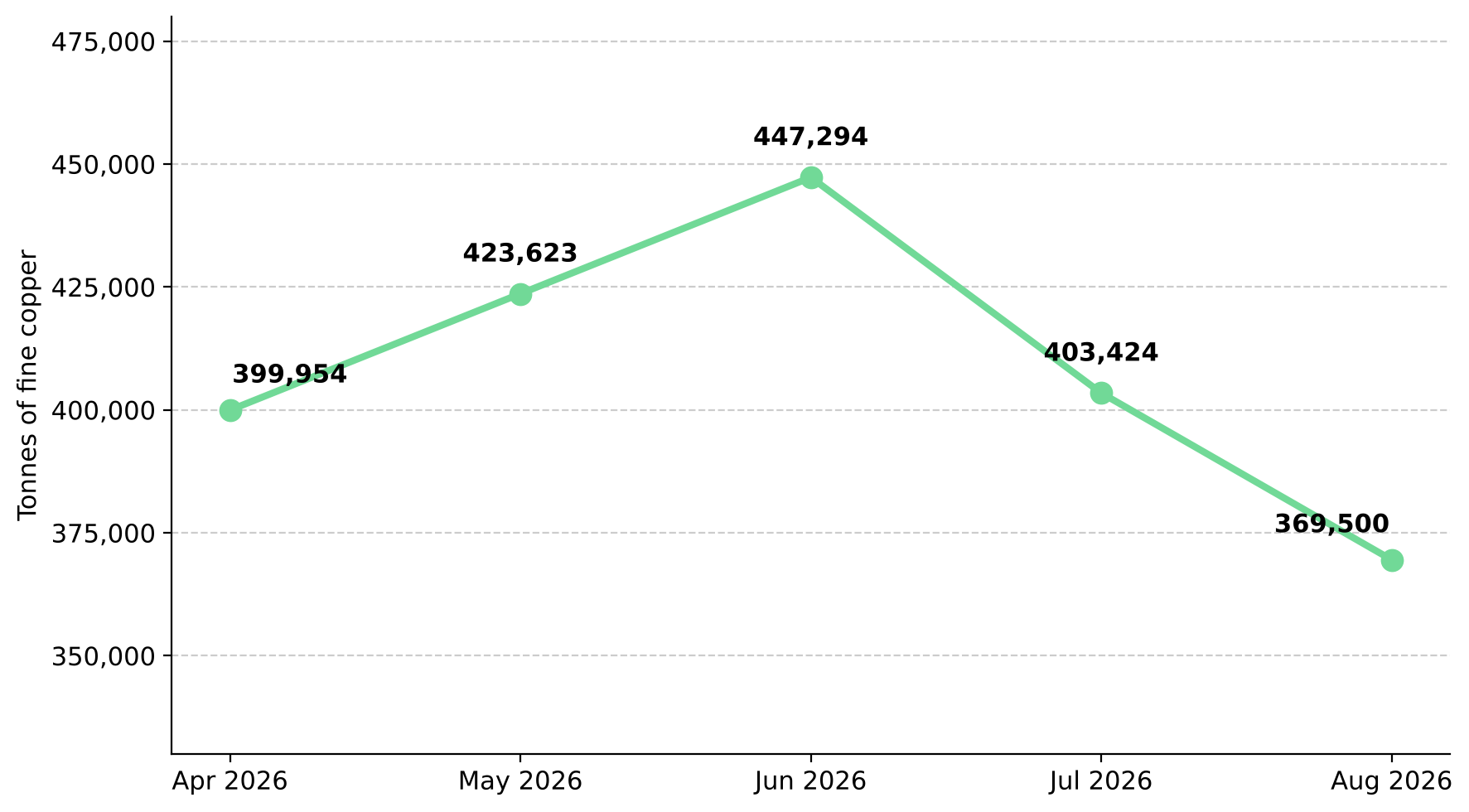
Chile's copper output fell 12.8% year over year to 369,500 tonnes in August, while January-to-August production declined 7.8% to 3.27 million tonnes, tightening supply ahead of the strike. Spot treatment and refining charges reached -40.45 cents per pound, reflecting concentrate scarcity and pressure on smelter margins.
Refined cathode, ores, concentrates, and scrap remain exempt from current Section 232 tariffs, but potential refined-copper duties of 15% in 2027 and 30% in 2028 have encouraged traders to move cathode into COMEX warehouses, limiting supply available to LME buyers.
Thin Inventories Amplify Price Impact of Chinese Restocking
Antofagasta Minerals stated that projected production remains unchanged despite the strike, indicating that supply risks, rather than lost output, are supporting prices. Craig Lang, Principal Analyst at CRU, attributed the rally to Chinese post-holiday restocking amid low inventories and supply risks.
COMEX Premiums Squeeze US Fabricator Margins
US copper fabricators face margin pressure from COMEX-priced metal premiums while competing with cheaper LME-priced imports. Custom smelters face treatment and refining charges of -40.45 cents per pound, effectively paying miners to process concentrate.
Mid-cap copper producers selling LME-priced cathode and concentrate outside the US face less exposure to COMEX premiums, making delivery flexibility an advantage. Antofagasta Minerals maintained its production outlook despite the strike, making its next quarterly report a clearer measure of supply disruption.
With no statutory deadline for a presidential tariff decision, a policy reversal could eliminate the regional copper premium and reduce valuations for mid-cap producers outside the US, even if production remains unchanged.
What Supports Non-US Producer Valuations
Copper prices reached record levels despite a global refined deficit of just 5,000 tonnes, as tariff uncertainty kept 71% of exchange stocks in the US, limiting LME-accessible supply and amplifying regional price premiums.
Regional premiums could support valuations for mid-cap copper producers selling LME-priced cathode and concentrate outside the US. Negative treatment charges pressure smelter margins, while declining Chilean output raises longer-term supply risks, potentially favoring producers with reliable output.
Analyst's Notes





Subscribe to Our Channel





Stay Informed


