




Copper Supply Tightens While Junior Equities Stay Discounted: What the Market May Be Missing


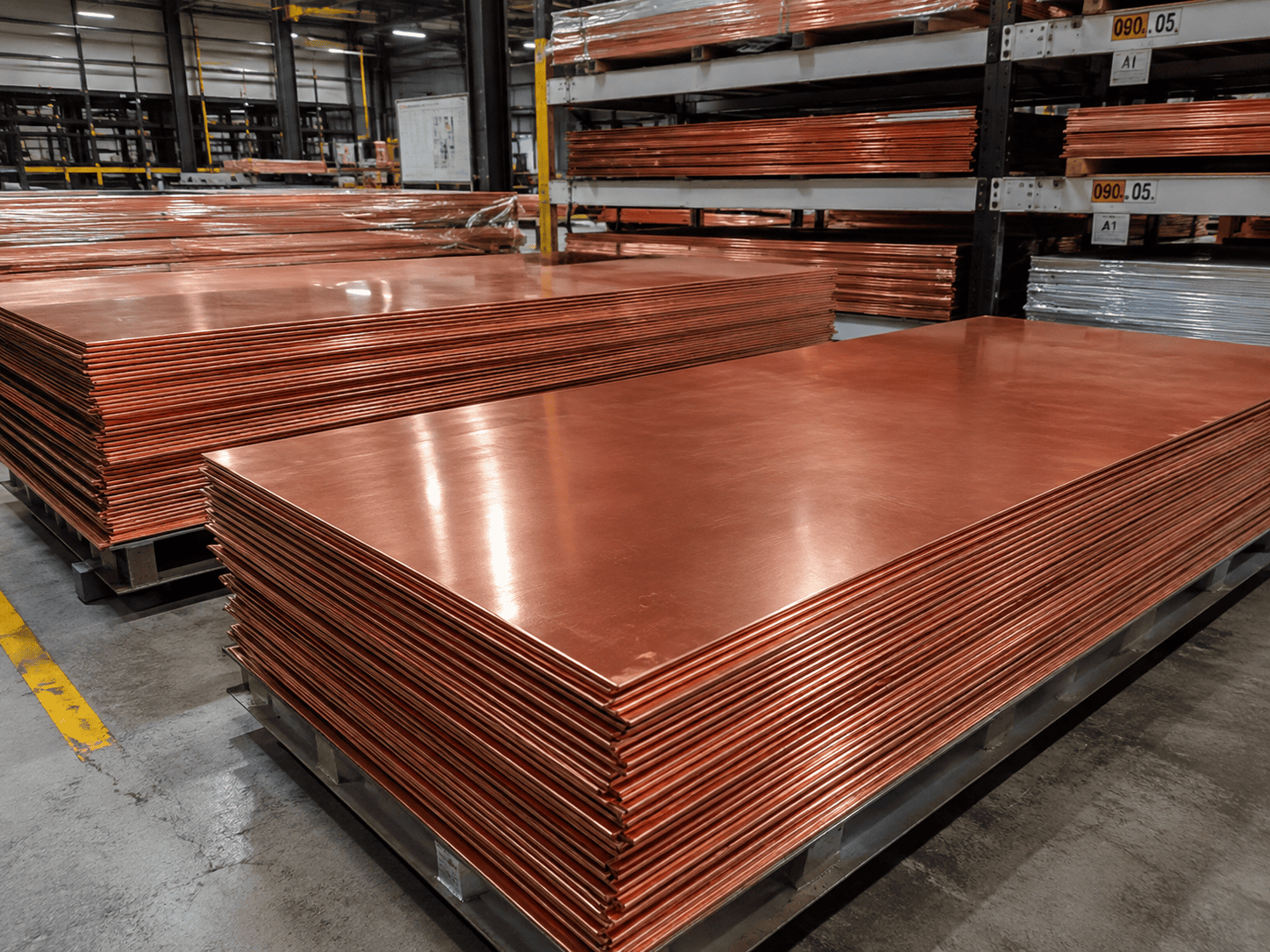
US tariff expectations tightened copper supply as inventories shifted, while discounted junior equities contrasted with record prices ahead of the Section 232 decision.
- Copper hit a record $6.82 per pound, up 54.51% over the past year, as US tariff expectations reshaped global copper flows.
- More than 200,000 tonnes of refined copper flowed into US ports in July while cargoes left Shanghai, tightening supply outside the US.
- New supply remains constrained, with 52% of active copper projects stalled and development timelines stretching to 17-18 years.
- Fitzroy Minerals and Marimaca have each fallen about 34% over six months despite exchange inventories covering only 15 days of global demand.
- J.P. Morgan targets $15,000 per tonne if tariffs sustain the US inventory pull, while Goldman Sachs sees $11,000 on a 300,000-tonne surplus. The US Section 232 tariff decision remains the key catalyst.
US Tariff Expectations Redirect Copper Flows, Tightening Supply Outside the US
Copper hit a record $6.82 per pound on August 6, 2026, up 54.51% over the past year versus gold's 25.99% gain. The metal has risen for four straight months, gaining 10.24% over the past 30 days and exceeding Trading Economics' Q3 forecast of $6.56 per pound. The rally reflects inventory shifts rather than a global supply shortage.
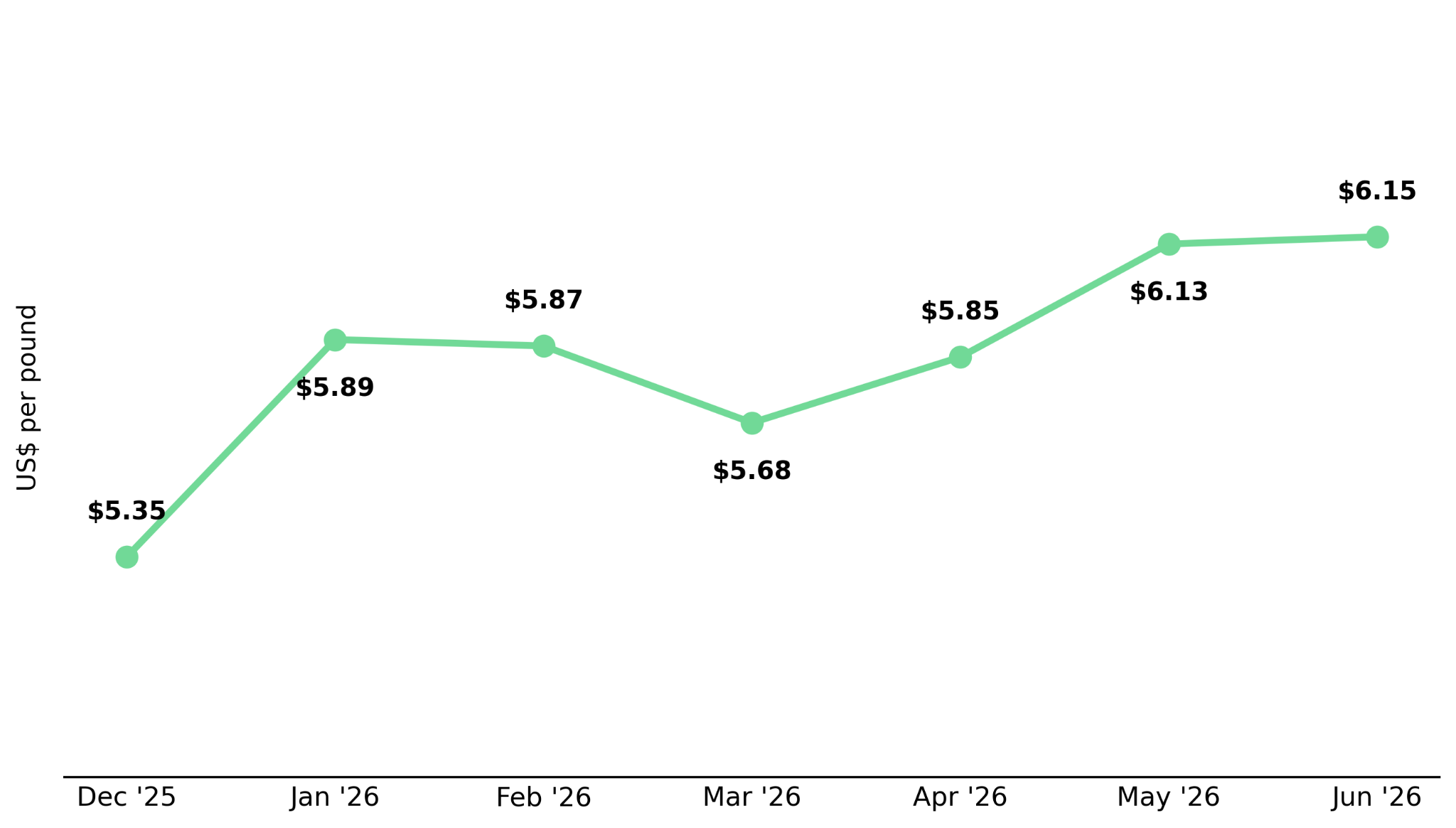
More than 200,000 tonnes of refined copper arrived at US ports in July, while cargoes left Shanghai bonded warehouses to capture the COMEX-LME arbitrage, tightening supply outside the US. The copper outlook now depends on the US Section 232 tariff decision.
Slower Mine Development Limits Future Copper Supply Despite Higher Prices
New copper supply is slowing as fewer projects reach production. MinEx Consulting found 52% of 89 active copper projects were stalled, while the average time from discovery to production has increased to 17-18 years. The constraint deepened when Codelco suspended construction at El Teniente's Andes Norte project, targeting 375 million tonnes of additional reserves and a 50-year mine-life extension, after detecting deep seismic activity.
The suspension could last up to two years. Meanwhile, the pending US Section 232 tariff review continues drawing copper into US ports, tightening supply elsewhere. Slowing supply growth contrasts with discounted junior copper equities, highlighting a project pipeline that remains difficult to replace.
Tariffs or Weaker Chinese Demand Will Decide Copper's Next Move
Copper's next move depends on the US Section 232 tariff decision and Chinese demand. J.P. Morgan targets $15,000 per tonne if tariffs keep drawing copper into the US, while Goldman Sachs forecasts a 300,000-tonne surplus and prices near $11,000 if Chinese demand weakens. Weekly LME, COMEX, and Shanghai Futures Exchange warehouse stocks remain the key indicator: drawdowns support the bullish case, while rising inventories support the bearish case.
Record Copper Prices Leave Junior Equities Trading Below Physical Market Signals
Higher copper prices are boosting producer earnings while pressuring manufacturers. Freeport-McMoRan's US mining business generated 2.4x higher operating income in H1 2026 as realized copper prices rose to $6.17 per pound from $4.54. Despite record copper prices, Fitzroy Minerals and Marimaca have each fallen about 34% over six months, leaving junior copper equities lagging the physical market.
Southern Copper increased Q2 net income 72% despite a 3.5% decline in production, showing that higher realized prices can outweigh lower output. The US Section 232 tariff decision remains the key catalyst for closing the gap between copper prices and junior equity valuations.
Copper's 15-Day Buffer: What the Tariff Decision Could Reverse
Global exchange inventories across LME, COMEX, and Shanghai totaled 1.123 million tonnes, equal to about 15 days of global demand, leaving little buffer against supply disruptions. The US Section 232 tariff decision remains the key downside catalyst, as any policy change could reverse a US-bound inventory shift.
Lower premiums would pressure high-cost producers first, while low-cost producers such as Southern Copper remain better positioned. LME and COMEX inventories remain the key indicator: rising stocks outside the US support the bearish case, while continued drawdowns alongside S&P Global's projected 5 million-tonne increase in copper demand by 2030 support tighter supply.
Analyst's Notes





Subscribe to Our Channel





Stay Informed


