




El Niño's Coastal Storm Shift Could Lift East Coast Salt Demand


Repeated freezes could lift municipal salt purchases and inventory restocking, favoring suppliers with reliable logistics and competitive delivered costs.
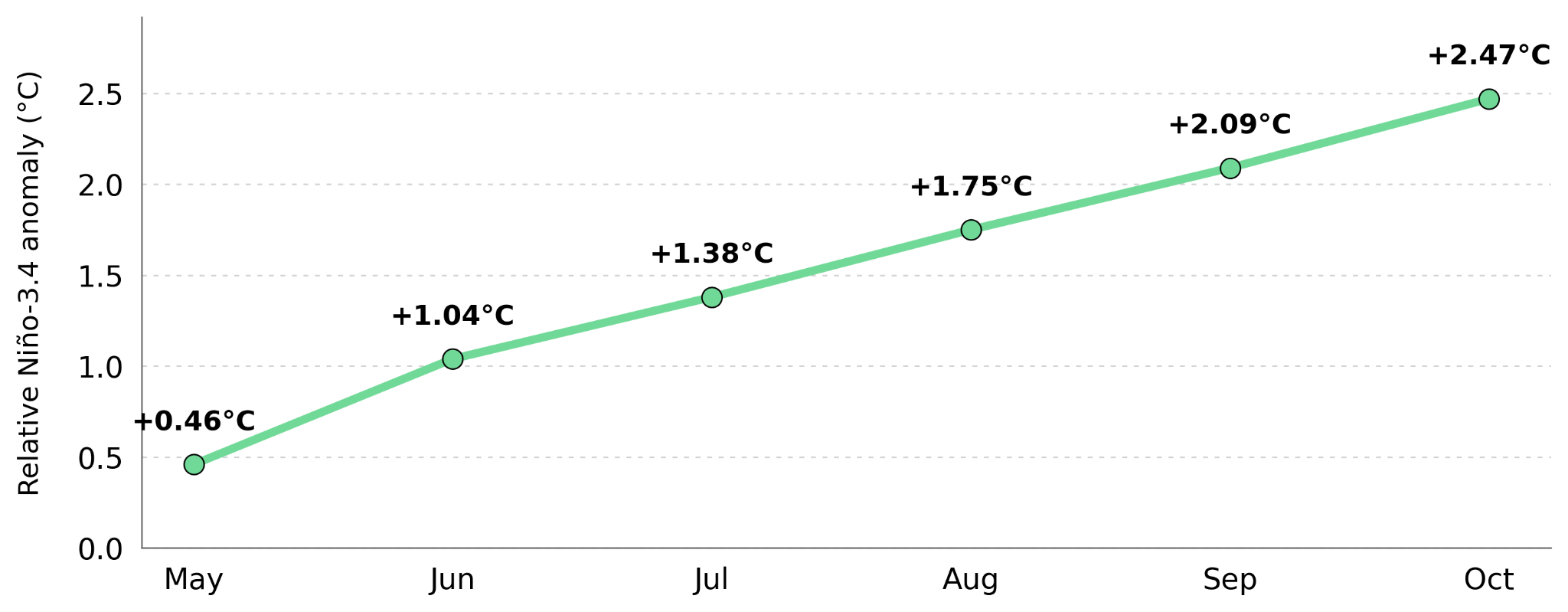
- The National Oceanic and Atmospheric Administration (NOAA) reported sea-surface temperatures 2.5°C above average in the Niño-3.4 region on November 12, 2026, with more than a 79% chance of strong-to-very-strong El Niño conditions through January-March 2027.
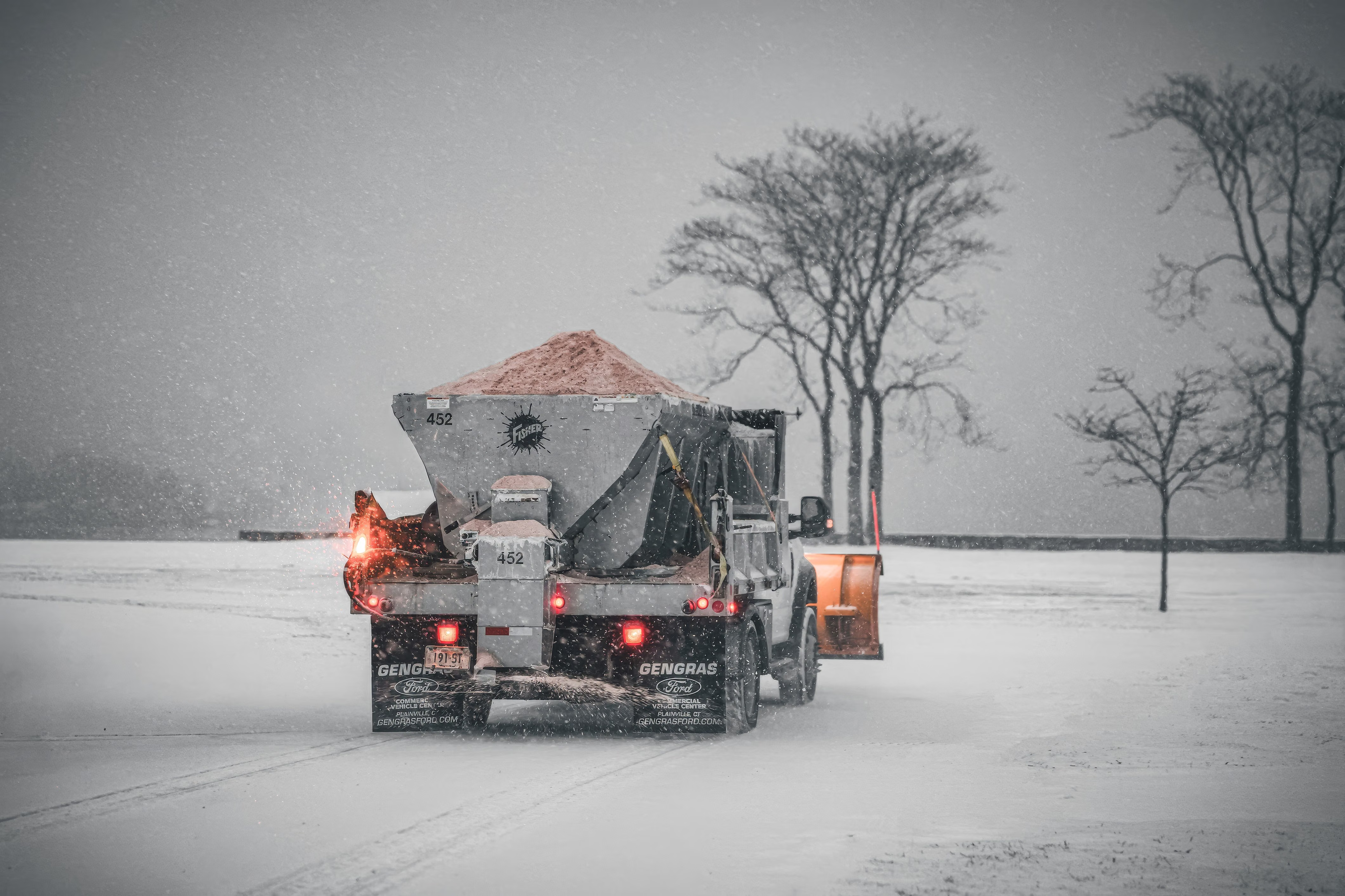
- US Geological Survey (USGS) anticipates more coastal storms, including nor'easters, across the Northeast, potentially increasing road salt demand when precipitation falls as snow, sleet, or freezing rain.
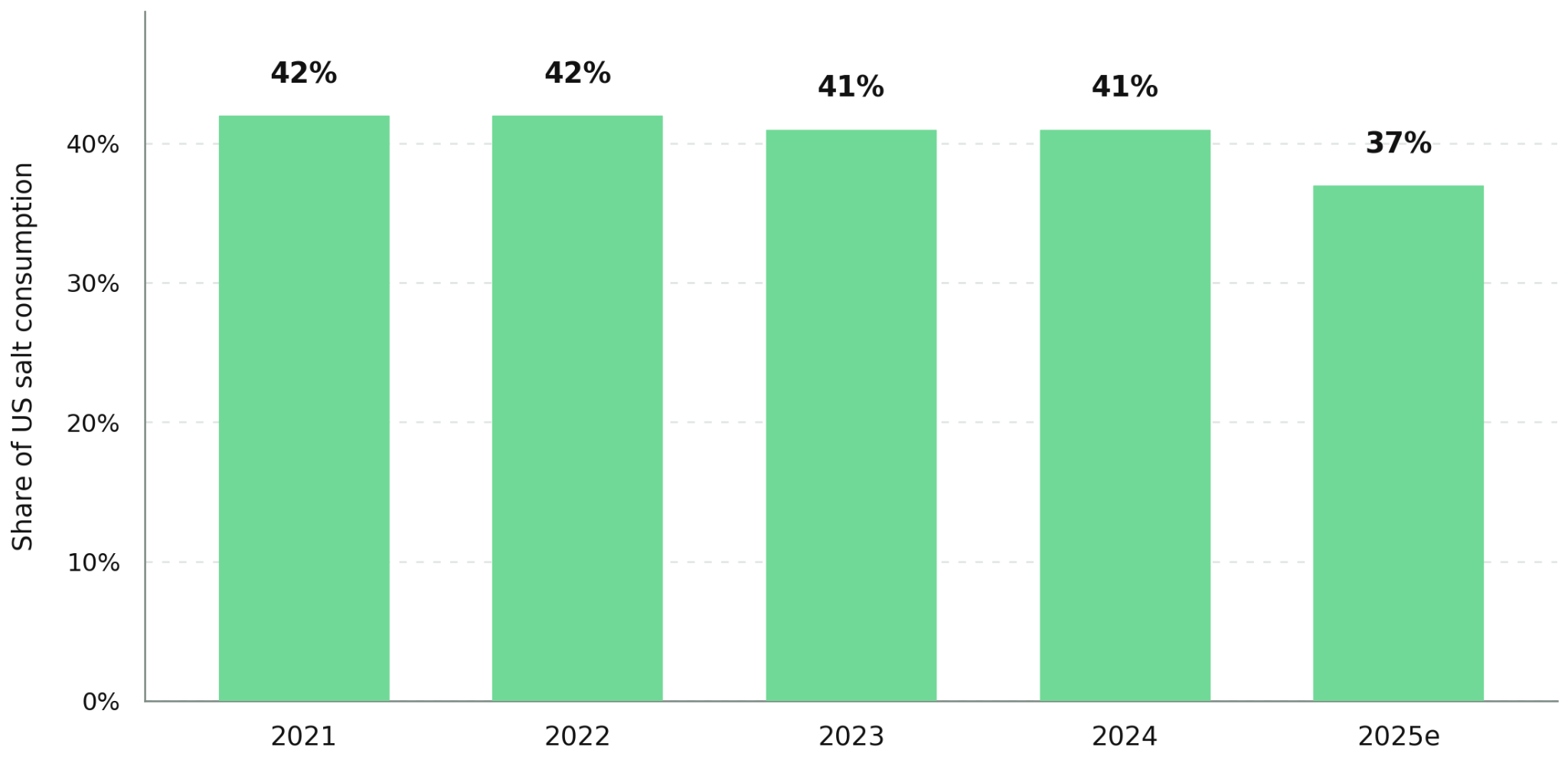
- Highway de-icing accounted for approximately 37% of US salt consumption in 2025, with repeated freezing events requiring separate road treatments that make storm frequency a stronger demand indicator than seasonal snowfall totals.
- Massachusetts used 269,211 tons of road salt across 16 winter events through January 27, 2026, demonstrating how recurring storms drive large-scale salt consumption.
- Increased road salt demand across the Northeast could benefit suppliers with reliable inventories, competitive transportation costs, and distribution networks capable of meeting additional municipal purchases.
El Niño Storm Shift Could Lift Northeast Salt Demand
NOAA reported sea-surface temperatures 2.5°C above average in the Niño-3.4 region on November 12, 2026, compared with 2.1°C in October. Its Climate Prediction Center (CPC) assigned more than a 79% probability of strong-to-very-strong El Niño conditions during January-March 2027. Warmer Pacific waters can shift the jet stream and winter storm tracks across North America, changing where freezing precipitation could increase road salt demand.
NOAA's October 15, 2026 winter outlook favors above-average precipitation along the Eastern Seaboard from December 2026 through February 2027. USGS's Northeast regional analysis anticipates deeper atmospheric troughs and a stronger jet stream, contributing to more frequent coastal storms, including nor'easters. Six seasonal forecast models examined by USGS also favor wetter conditions across the Northeast.
The National Weather Service (NWS) identifies nor'easters as Atlantic coastal storms that typically develop between Georgia and New Jersey before moving northeast, where they can bring substantial snowfall to the Washington-to-Boston corridor. If these storms produce repeated freezing conditions, additional road treatments could increase salt consumption across northeastern markets.
Repeated Freezes Increase Road Salt Consumption
USGS estimates that highway de-icing accounted for approximately 37% of US salt consumption in 2025. The report identifies the frequency of freezing rain, sleet, and snow events as a stronger indicator of road salt demand than seasonal snowfall totals. Several smaller storms can require more salt than one major snowfall because each freezing event can trigger another round of road treatment.
The Massachusetts Department of Transportation reported 16 statewide snow and ice events through January 27, 2026, with average statewide snowfall reaching 37 inches and road salt consumption totaling 269,211 tons. Snow and ice operations cost approximately US$93.5 million over the same period, demonstrating the financial scale of repeated winter road treatments.
Winter Storms Deplete Salt Inventories
New York extended its winter storm emergency declaration on February 17, 2026, after repeated heavy snowfall and extreme cold beginning January 23 required substantial road salt expenditures. The order also reported significantly depleted state salt supplies, demonstrating how consecutive winter storms can reduce inventories and increase replenishment needs before the season ends.
New York's Office of General Services requires most participants in its 2026-2027 road salt procurement program to purchase at least 60% of their filed requirements, with deliveries guaranteed up to 130%. Orders exceeding 120% and 130% may incur price increases of 10% and 15%, respectively, raising procurement costs when demand exceeds initial estimates. Winter storm frequency and temperatures also influence de-icing sales for suppliers such as Compass Minerals, reinforcing the importance of advance purchasing commitments and reliable salt supply.
Winter Shortages Favor Cost-Competitive Salt Supply
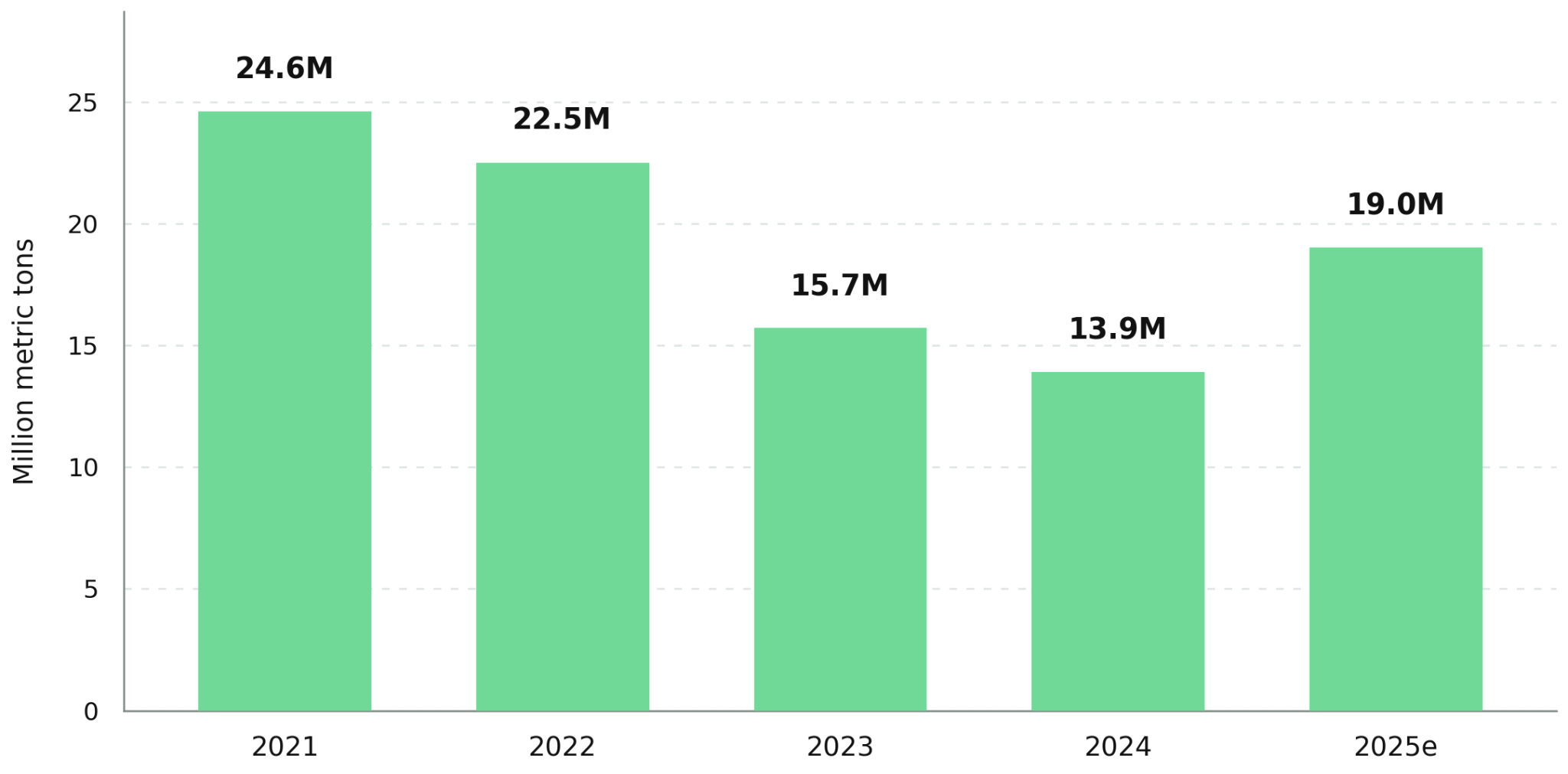
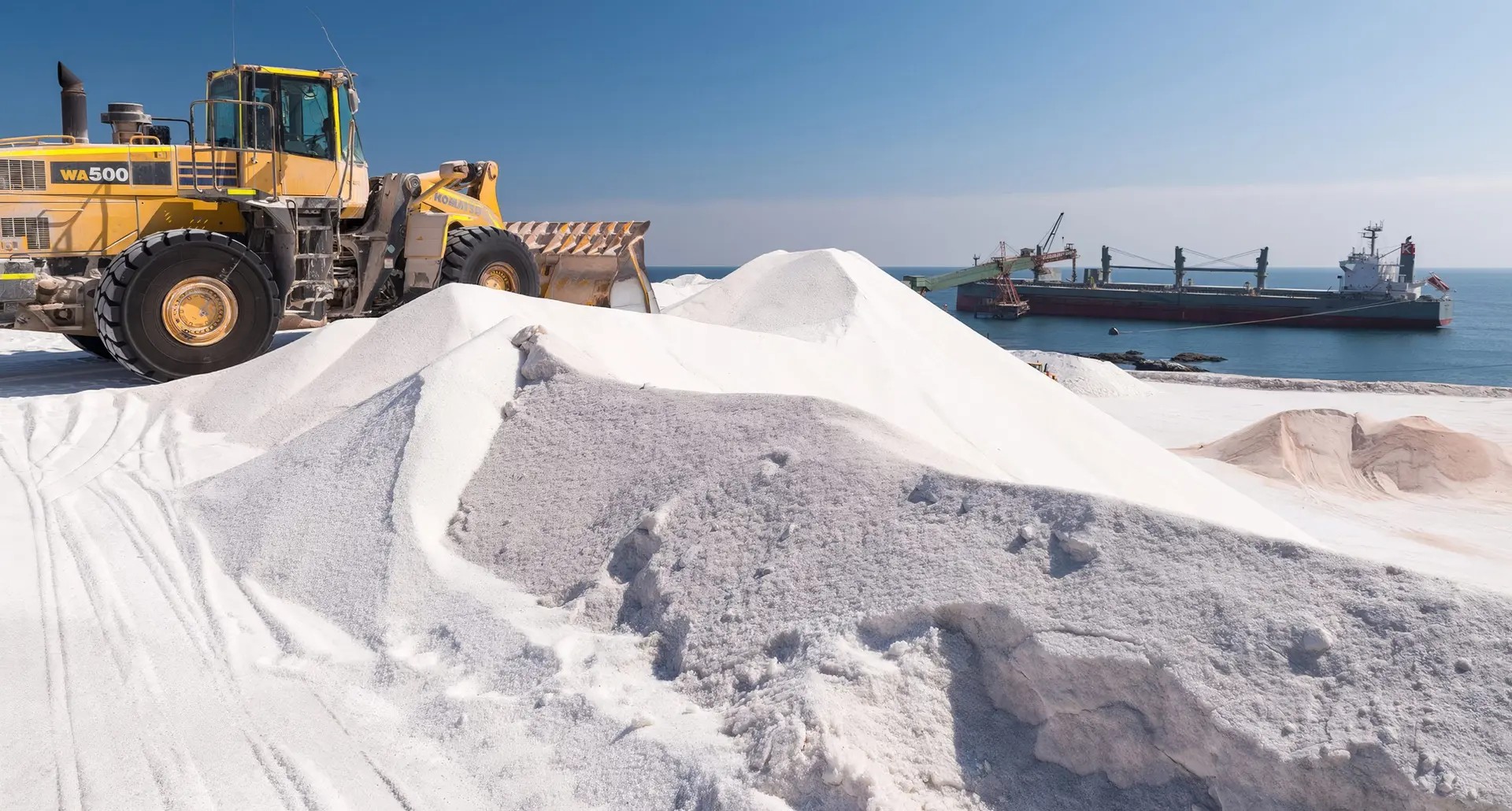
USGS estimates that US salt imports increased from 13.9 million metric tons in 2024 to 19 million metric tons in 2025, with net import reliance reaching 31% of apparent consumption. This dependence on imported supply highlights the commercial importance of marine access and competitive transportation costs for salt developments targeting northeastern US markets.
Atlas Salt received nonbinding letters of interest for up to C$225 million in senior debt financing in September 2026, advancing funding discussions for its Great Atlantic Salt Project. The project targets 4 million tonnes of annual production, with estimated shipping times of 3 days to Boston versus more than 14 days from Egypt or Chile, strengthening its access to northeastern US markets. Its updated feasibility study projects a 24.3-year mine life, an after-tax Net Present Value at an 8% discount rate (NPV8%) of C$920 million, and a 21.3% after-tax Internal Rate of Return (IRR), supporting its planned production start in 2030.
Nolan Peterson, Chief Executive Officer of Atlas Salt, explains how severe winters strain salt supply chains:
"When the winters are bad, that's when the shortages step in. The prices start spiking, and then the supply chain takes the next winter and the next winter after that to try to reabsorb it and restock at the mines and in the cities."
Service Efficiency Reinforces Salt's Role in Winter Maintenance
The European Salt Producers' Association (EUsalt) reported that European de-icing salt consumption showed no clear decline attributable to climate change, despite fewer frost and ice days. The review found that expanded winter road maintenance and service requirements can sustain salt consumption even as winters become milder.
EUsalt identifies sodium chloride as Europe's primary road de-icer because of its availability and relatively low cost. Its June 2025 review found that acetate- and formate-based alternatives cost 10 to 20 times as much, reinforcing conventional salt's cost advantage in large-scale winter maintenance. The review also reported annual salt savings of 24% to 44% across 220 German winter-maintenance depots using pre-wetted applications, demonstrating how improved treatment efficiency can reduce salt consumption without replacing conventional salt.
Freezing Coastal Storms Could Lift Northeast Salt Orders
NOAA's November 19, 2026, seasonal outlook and December 10 El Niño diagnostic discussion will provide further evidence of the expected shift in winter storm activity. Despite warmer-than-average temperatures forecast for the Northeast, more frequent coastal storms could increase road salt consumption when precipitation falls as snow, sleet, or freezing rain. Each additional freezing event can require another round of road treatment, making storm frequency more important to regional salt demand than seasonal precipitation totals alone.
State transportation records and municipal salt purchases will determine whether increased storm activity translates into higher consumption and inventory replenishment. With US net import reliance reaching 31% in 2025, stronger northeastern demand would reinforce the commercial importance of reliable supply, Atlantic shipping access, and competitive delivered costs. This favors salt suppliers capable of meeting recurring regional requirements economically, with demand supported by repeated winter treatments rather than dependence on exceptionally severe snowfall.
The Investment Thesis for Salt
- Producers serving northeastern road salt markets could benefit from increased freezing storm activity, particularly where established inventories and distribution networks allow them to meet additional seasonal purchasing requirements.
- Developers with competitive modeled operating costs, access to Atlantic shipping routes, and credible financing plans offer long-term exposure to northeastern road salt demand as they advance toward commercial production.
- More frequent freezing precipitation events could sustain regional salt consumption even when seasonal snowfall totals remain moderate, making storm frequency a more useful demand indicator than national weather averages.
- Municipal procurement arrangements that accommodate changing winter requirements reinforce the commercial importance of reliable salt supply and timely inventory replenishment.
- Substantial reliance on imported salt supports the relevance of competitive delivered costs, transportation infrastructure, and access to established North American markets when evaluating future supply opportunities.
- Long-term competitiveness depends on reliable market access and delivered costs that support profitable operations without relying on exceptionally severe winters.
El Niño's potential shift toward more northeastern coastal storms could strengthen regional road salt demand as repeated freezing events increase winter-maintenance requirements. This reinforces the commercial importance of reliable supply, competitive transportation costs, and access to established markets where municipalities must replenish salt inventories. The long-term investment opportunity extends beyond individual severe winters, favoring producers and future supply projects positioned to serve recurring regional demand efficiently and economically.
TL;DR
A strengthening El Niño could bring more coastal storms to the northeastern US, potentially increasing road salt demand when precipitation falls as snow, sleet, or freezing rain. Repeated freezing events can require additional road treatments, accelerating salt consumption and depleting municipal inventories. With the US relying heavily on imported salt, higher regional demand could increase replenishment requirements and reinforce the importance of dependable supply. Producers with established distribution networks and developers with competitive projected costs and Atlantic shipping access could benefit from these market conditions. Ultimately, storm frequency, municipal purchasing activity, and transportation economics will determine the commercial impact.
FAQs (AI-Generated)
Analyst's Notes





Subscribe to Our Channel








Stay Informed


