enCore Energy: The US Company Digging Up America's Nuclear Fuel



enCore Energy is the only US company actively pulling uranium out of the ground using a low-cost, low-impact method, and demand for that uranium is growing fast.
- enCore Energy is the only company in the United States currently operating uranium extraction plants using a method called in-situ recovery (ISR), which dissolves uranium underground and pumps it to the surface without traditional mining.
- The company runs two fully licensed processing plants in South Texas and is close to opening a third, giving it a production base that no other US-focused uranium company currently matches.
- Two of enCore's future projects, one in South Dakota and one in Wyoming, have completed independent economic studies showing they can generate strong returns at uranium prices well below recent market levels.
- The company has deliberately left most of its future uranium sales uncontracted, meaning if uranium prices rise, the majority of what it produces would sell at those higher prices.
- America buys far more uranium than it produces, and a growing share of that gap is now being filled by domestic producers like enCore as the US moves to reduce dependence on imports from state-controlled foreign suppliers.
Why the US Needs More of Its Own Uranium
Nuclear power plants need uranium to run. America has more nuclear plants than any other country, which makes it the world's biggest buyer of uranium. The problem is that the US produces almost none of what its reactors need. In 2023, US mines produced just 50,000 lbs of uranium, barely enough to power a single plant for a short period, while US reactor operators bought 51.6 million lbs that same year. By 2024, reactor purchases had climbed further to 55.9 million lbs.
To fill that gap, the US has historically relied on imports, and a large share of those imports came from countries that are not considered reliable long-term partners. In 2023, 44% of uranium delivered to US reactors came from Russia, Kazakhstan, and Uzbekistan combined, all countries with state-owned uranium businesses. By 2024, that share had dropped to 37% after the US banned Russian uranium imports in August 2024, but the dependency on state-controlled supply chains remains a live issue for US energy policy.
This is the backdrop against which enCore Energy (NASDAQ: EU | TSX.V: EU) is operating. The company is not exploring for uranium or planning to produce it one day. It is already producing it, right now, at two plants in South Texas. For investors thinking about where US energy policy is heading, that operational status is a meaningful distinction from the many uranium companies that remain years away from production.
What enCore Actually Does, In Plain Terms
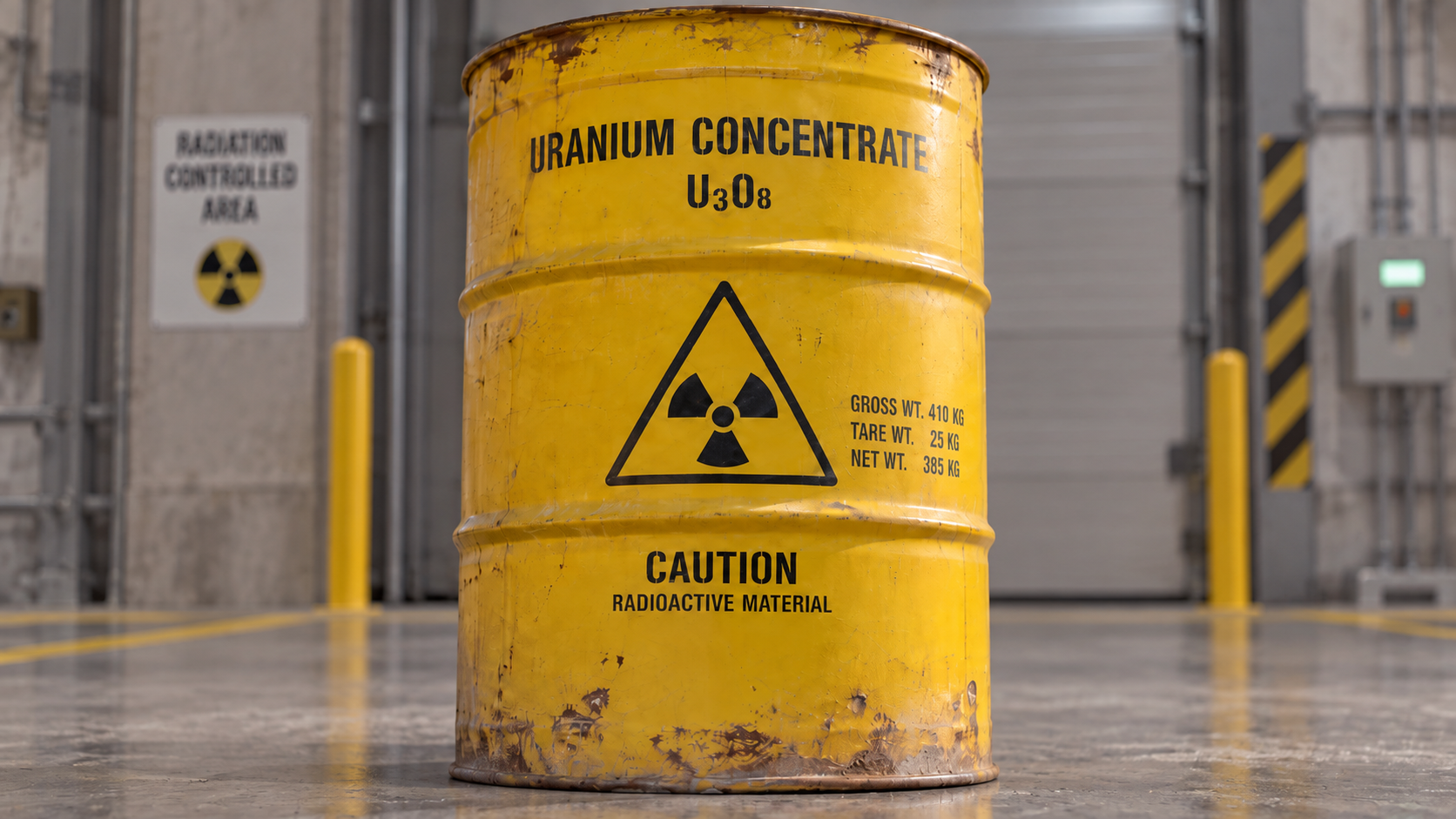
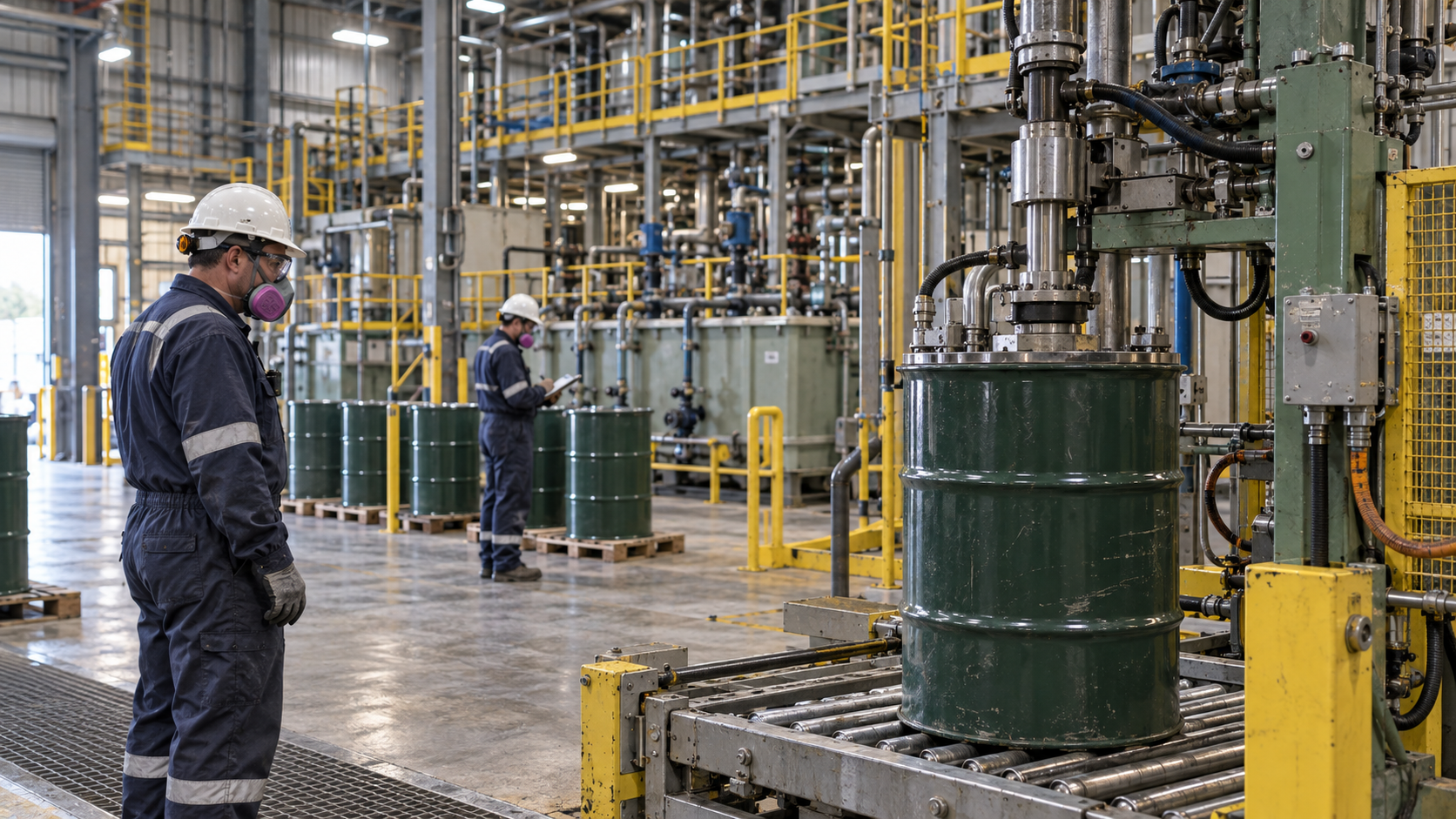
Think of uranium mining like this: traditional mines dig up rock, crush it, and chemically extract uranium from it. That process is expensive, slow, and disruptive to the land. enCore uses a different approach called in-situ recovery (ISR), which works more like an underground rinse cycle. Oxygenated water is pumped down into the rock, it dissolves the uranium where it sits, and the uranium-rich water is then pumped back up to a surface plant where the uranium is separated, dried, and packed into steel drums. The land above stays largely undisturbed. ISR accounted for over 50% of all uranium produced globally in 2024, and it is the dominant method worldwide precisely because it costs a fraction of what a conventional mine does.
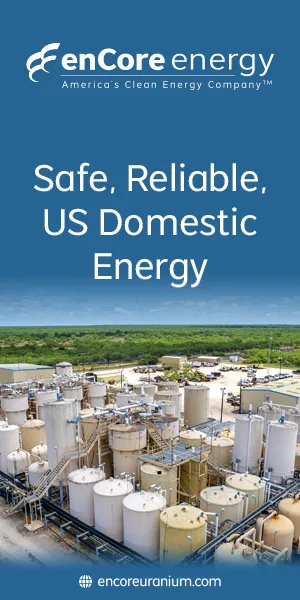
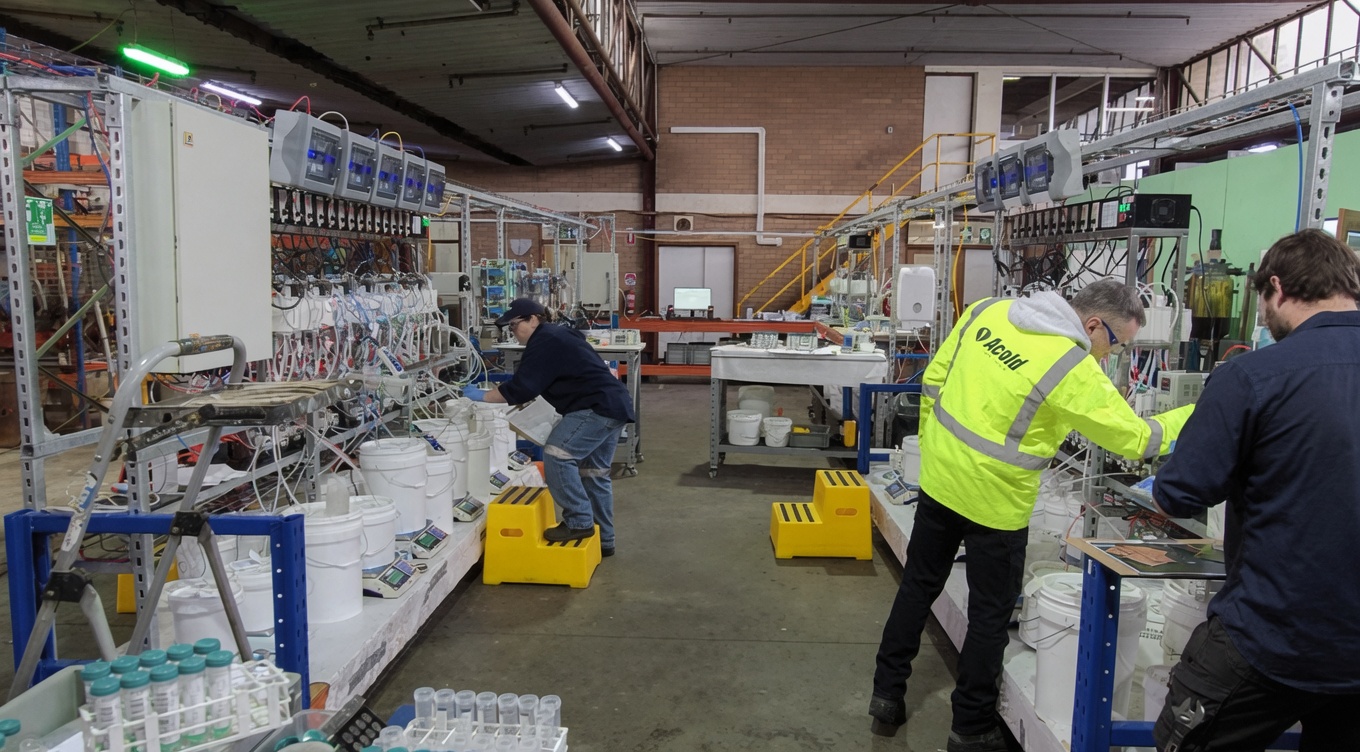
enCore runs two of these surface processing plants, called central processing plants (CPPs), in South Texas. The larger of the two, Alta Mesa, began operating in mid-2024 and is currently set up to process up to 1 million lbs of uranium per year, with the potential to double that over time. The other, Rosita, sits about 60 miles west of Corpus Christi and uses a clever satellite system: smaller portable units scattered across the region capture uranium from the ground and truck it to Rosita to be processed into finished product. A third plant, Upper Spring Creek, is nearly ready. The equipment is built, and the company is waiting on final regulatory sign-off to start production.
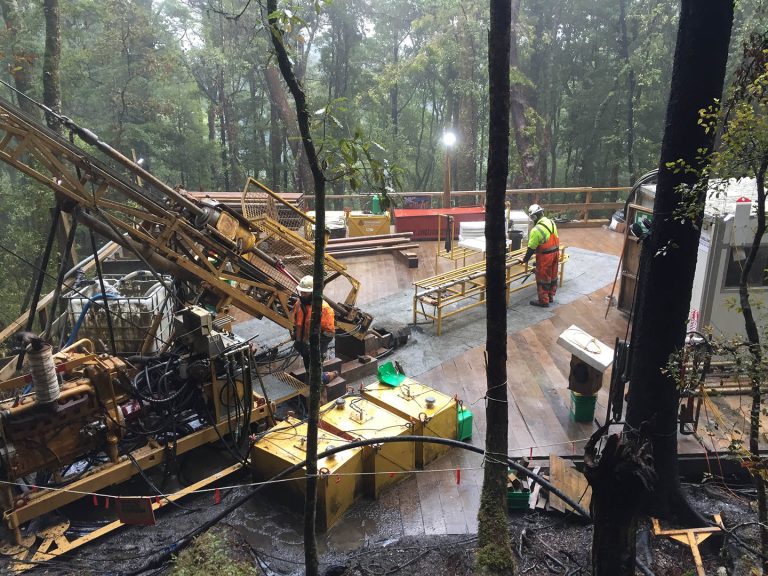
In 2025, the team at Alta Mesa turned on 270 new production wells, roughly one every day and a half, showing that the operation is actively expanding rather than holding steady. This kind of well-by-well growth is how ISR operations scale up, and the pace gives a concrete measure of how quickly the production base is being built out.
The Projects That Could Power enCore's Next Phase
South Texas is where enCore makes money today. But the company also holds two other projects, further along in development than most junior uranium companies ever get, that could significantly expand how much uranium it produces in the years ahead.
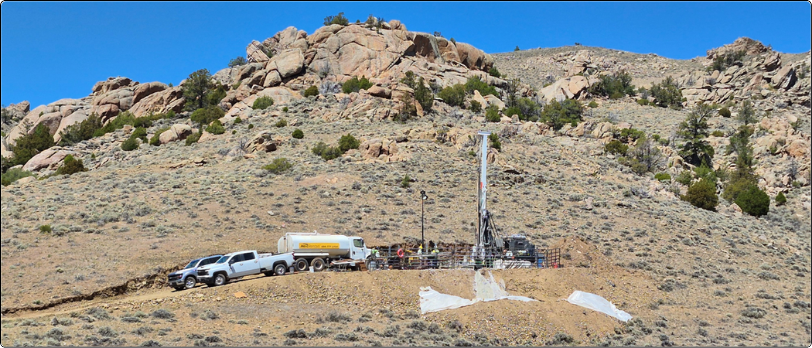
The first is the Dewey Burdock project in South Dakota, which already has its federal operating licence and has been approved for a fast-track government permitting process. An independent economic study completed in early 2025 found that at uranium prices well below the levels seen in early 2026, the project could generate a strong pre-tax return. State-level permitting is targeting completion by end of 2027, after which construction could begin. The second is the Gas Hills project in Wyoming, fully owned by enCore with no partners, where a separate independent study found even stronger economics at a lower upfront cost. Wyoming has a long history of uranium production and a regulatory environment that is considered straightforward for ISR operations.
Neither of these projects is producing yet, and investors should treat them as future optionality rather than current revenue. What makes them relevant now is that the independent economic studies give a realistic baseline for what they could be worth if uranium prices stay at or above current levels, and both studies used price assumptions that are lower than what uranium was actually trading at for much of 2025 and early 2026.
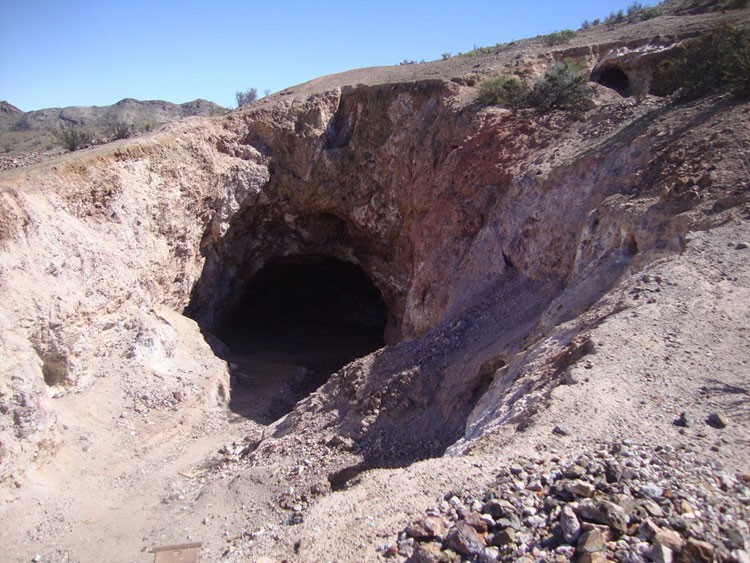
enCore also holds a large exploration area called Mesteña Grande, sitting on the same South Texas land block as Alta Mesa. Early work has identified a very long stretch of uranium-bearing rock, most of it not yet explored, which could eventually feed the Alta Mesa plant for years beyond its current resource base.
How enCore Gets Paid for Its Uranium
Uranium is not sold on a public exchange the way oil or gold is. Nuclear power plant operators and uranium producers negotiate contracts privately, usually years in advance. These contracts typically set a price range, with a floor below which the price will not fall, and a ceiling above which the producer captures the upside. enCore has structured its contracts this way: buyers are guaranteed a minimum price, but if the market price rises above the ceiling, enCore benefits.
What makes enCore's approach notable is how little of its future production it has locked in. As of April 2026, less than 38% of planned production through 2033 is covered by contracts, meaning more than 60% remains free to sell at whatever the market is offering at the time. The uranium spot price, which is the price for immediate delivery, started 2026 at just over US$80 per lb, climbed to US$101.41 on January 29, 2026, then pulled back to US$83.90 by the end of the first quarter of 2026. That volatility illustrates both the risk and the opportunity of leaving production uncontracted.
Richard H. Little, Chief Executive Officer and Director of enCore Energy, comes to the uranium sector from a background in oil and gas operations, where he previously oversaw the sale of a Texas-based resource company's assets for US$1.24 billion. His focus since joining enCore has been on building out production capacity and operational efficiency rather than announcing new projects, a priority that is reflected in the well-by-well expansion pace at Alta Mesa.
The Investment Thesis for enCore Energy Corp.
- enCore is the only US company currently producing uranium via ISR at operational scale, at a time when US reactor operators bought 55.9 million lbs of uranium in 2024 while domestic mines supplied just 8% of that total.
- The company's two future projects, Dewey Burdock and Gas Hills, have completed independent economic studies showing positive returns at uranium price assumptions below the levels seen in early 2026.
- With more than 60% of planned production through 2033 uncontracted, a sustained rise in uranium prices would directly increase revenue on the majority of what enCore produces. The spot price reached US$101.41 per lb on January 29, 2026, before pulling back.
- The federal ban on Russian uranium imports, effective August 2024, removes one of the largest competing sources of supply to US utilities and increases the commercial case for domestically produced uranium.
- The Dewey Burdock project's August 2025 fast-track permitting approval reduces the regulatory timeline risk that has historically been the single biggest obstacle to new US uranium projects reaching production.
- At a market capitalisation of approximately US$359 million as at March 24, 2026, enCore is valued against a resource base of 30.94 million lbs of measured and indicated U3O8, a ratio investors can use to assess how the market is pricing the company's uranium in the ground.
Key Takeaways
enCore Energy is producing uranium today in a country that desperately needs more of its own supply. That is the most straightforward way to describe what makes the company worth watching. Its two South Texas plants are running, a third is close to opening, and two larger future projects have independent economic studies behind them. The company has deliberately left most of its future production exposed to the uranium price rather than locking it in at fixed rates, which means the investment outcome is closely tied to where uranium goes. The spot price started 2026 strong, hit a high of US$101.41 per lb in late January, then pulled back to close the first quarter at US$83.90, a reminder that uranium prices can move quickly in both directions. The near-term things to watch are the final permit for the Upper Spring Creek plant, progress on South Dakota state permitting for Dewey Burdock, and the pace of new well installation at Alta Mesa through 2026. Investors should also note the company carries a US$115 million debt note maturing in 2030, which is a financial obligation sitting alongside the capital needed to build out future projects.
FAQs (AI-Generated)
Analyst's Notes





Subscribe to Our Channel


Stay Informed