IsoEnergy: One Mine Restarting, One Deposit Expanding, & a Uranium Market Running Short of Supply


IsoEnergy is restarting a Utah mine, drilling the world's highest-grade uranium deposit in Canada, and entering Australia as supply falls short of demand.
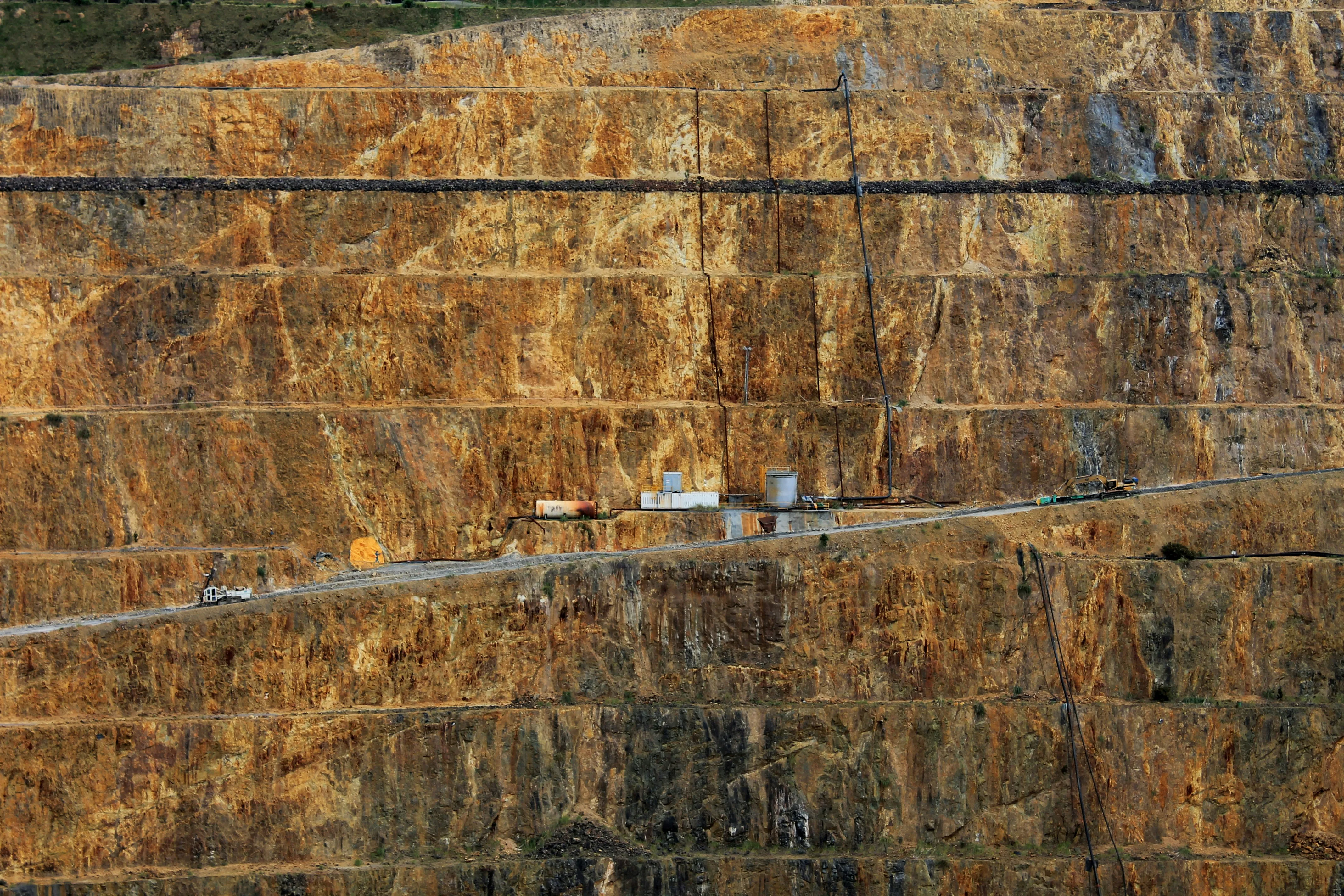
- IsoEnergy is running a small-scale mining test at its Tony M Mine in Utah to understand what it would cost to restart full production there.
- Drilling at the Hurricane deposit in Canada continues to find uranium across a wider area than previously known, with strong results from the most recent program.
- Hurricane is recognised as the highest-grade uranium deposit of its kind in the world, sitting close to an existing processing facility in Saskatchewan, Canada.
- IsoEnergy is in the process of acquiring Toro Energy, which would add a large uranium project in Western Australia to its portfolio.
- The global uranium industry faces a significant gap between the amount of uranium being produced and the amount that will be needed in the future, which creates a case for new supply.
There is a straightforward way to think about what IsoEnergy Ltd. (TSX: ISO, OTCQX: ISENF) is doing in 2026. On one front, the company is working out whether it can restart an existing uranium mine in the United States at a cost that makes financial sense. On another, it is drilling deeper into what is considered the world's richest undeveloped uranium deposit in Canada to understand how large it really is. Running both efforts at once - while expanding into Australia through an acquisition - is the kind of multi-track approach that defines where IsoEnergy sits in the uranium sector right now: past the early exploration stage, not yet a full producer, but closing the gap.
Getting Back Underground in Utah
When IsoEnergy sent crews back into the Tony M Mine in Utah's Henry Mountains earlier this year, it was the first serious underground activity at the site in nearly two decades. The mine operated during the last major uranium price cycle but was wound down when prices fell. Now the company is approaching a potential restart carefully - not by committing to full production immediately, but by running what is known as a bulk sample: a controlled exercise where a defined amount of ore is extracted and sent to a nearby processing facility to generate accurate, up-to-date figures on what the whole operation would actually cost.
Phil Williams, Chief Executive Officer of IsoEnergy, laid out the priorities clearly:
"The first thing is just costs around mining, trucking and processing. We've been spending quite a lot of time understanding what capital costs could be to bring it back into production. We know they're quite low comparatively to starting a new mine because we have significant infrastructure already at the project."
That infrastructure - the surface buildings, underground access, and equipment left from the mine's previous operating period - is a genuine advantage. Building those assets from scratch at a brand new site would take years and cost millions of dollars. Separate technical tests have also shown that the ore can be concentrated before it is sent for processing, which means less material needs to be transported and treated, reducing costs further. Processing itself is being handled through an arrangement with Energy Fuels Inc.'s White Mesa Mill - the only conventional uranium processing facility currently operating in the United States - which means IsoEnergy does not need to build or fund its own mill to get started.
A Market Waiting for a Catalyst
The timing of a production decision will also depend on where uranium prices go. Right now, the companies that buy uranium to fuel nuclear power plants - known as utilities - have not yet returned to the market in force. But the underlying numbers suggest they will need to. According to the World Nuclear Association Fuel Report 2025, the amount of uranium that can realistically be produced from known sources by 2040 covers less than half of what will be needed. That is a significant gap, and it will eventually require new mines and restarted operations to fill it.
Williams noted that recent US trade policy moves on uranium imports could accelerate the timeline by creating uncertainty around future supply, pushing utilities to lock in contracts sooner than they otherwise might:
"Something is going to happen that will catalyze that acceleration in the contracting cycle and get those utilities buying again. And when they do, price action can move very, very quickly in this space."
The Deposit That the Industry Is Watching
While Tony M is IsoEnergy's most advanced asset on the path to production, the project that draws the most attention from the broader mining industry sits roughly 2,000 kilometres to the north. The Hurricane deposit, located on IsoEnergy's Larocque East property in the Athabasca Basin - a region in Saskatchewan, Canada known for producing some of the richest uranium deposits ever found - holds the highest concentration of uranium of any published resource of its kind in the world, according to a 2022 technical report prepared by SLR Consulting (Canada) Ltd. In mining, a higher concentration means more uranium can be extracted from a given amount of rock, which typically translates to lower production costs. Hurricane also sits roughly 40 kilometres from an existing processing facility, reducing the infrastructure investment needed to bring it into production one day.
The company has been drilling at Hurricane to better understand how far the deposit extends beyond its currently mapped boundaries. Drilling means sending equipment deep underground to extract narrow cylinders of rock, which are then analysed for uranium content. Results from the most recent program, released in April 2026, showed strong signs of uranium extending further along the deposit's southern side than had previously been confirmed. Dan Brisbin, Vice President of Exploration, stated in IsoEnergy's April 7, 2026 press release that the results "continue to highlight the prospectivity of the Hurricane South Trend" and that the team is reinterpreting the geological structures that control where uranium sits, in areas that remain underexplored. A summer follow-up program is being planned.
Williams added useful context on why the deposit's full extent may still be underestimated. High-grade uranium deposits in the Athabasca Basin tend not to occur as isolated pockets - they typically appear in a series along the same geological corridor, one discovery following another. What has been mapped at Hurricane so far may represent only part of what is ultimately there.
Building Out the Portfolio
IsoEnergy is not limiting itself to its two headline assets. The company is also working with a specialist exploration company called Purepoint Uranium through a joint venture - an arrangement where two companies share costs and ownership on a project. A recent drill program under that venture found new uranium at a project called Dorado, which Williams described as a model he intends to replicate: backing well-run teams with proper funding and letting them work on ground that complements IsoEnergy's existing holdings.
Beyond Canada and the US, the pending acquisition of Toro Energy would add Australia to the mix. The Wiluna Uranium Project in Western Australia holds a large uranium resource in deposits that sit close to the surface and are considered relatively straightforward to mine. A preliminary economic study has been completed on one of the deposits, and a commercial arrangement with Japanese partners is already in place providing an option to buy into the project. Williams described the deal as disciplined adding a meaningful asset without overstretching the company financially.
The company also holds shareholdings worth approximately C$47 million in a range of other uranium-focused companies, built up over time by spinning out assets it did not plan to develop directly. NexGen Energy - one of the largest uranium developers in Canada holds roughly 30% of IsoEnergy itself, providing a well-regarded anchor shareholder with aligned interests.
The Team & the Runway
On the business side, IsoEnergy recently brought in Misty Urbatsch as Vice President of Strategy & Commercial. Her background covers both geology and the commercial side of the uranium market buying, selling, and negotiating supply agreements which Williams described as a deliberate signal of where the company is heading. Finding uranium is one skill; selling it into a tightening market is another, and IsoEnergy is now building for both. Eight analyst firms currently track the company's shares, and all carry a Buy recommendation, with a range of price targets for the TSX-listed shares.
Williams described the plan in direct terms: get production started in the US to establish a revenue base, keep drilling at Hurricane to build its long-term value, and manage the broader portfolio with discipline. The company enters the second half of 2026 with approximately C$144 million in cash and equivalents available enough to run its current work programs without needing to raise new funds in the near term.
FAQs (AI-Generated)
Analyst's Notes





Subscribe to Our Channel








Stay Informed