




Fitzroy Minerals Drills 64 Meters at 2.00% Copper Ahead of Buen Retiro Maiden Resource


Fitzroy Minerals drills 64 meters at 2.00% copper at Buen Retiro, Chile, as 31,189 meters of 2026 drilling feeds a maiden resource estimate.
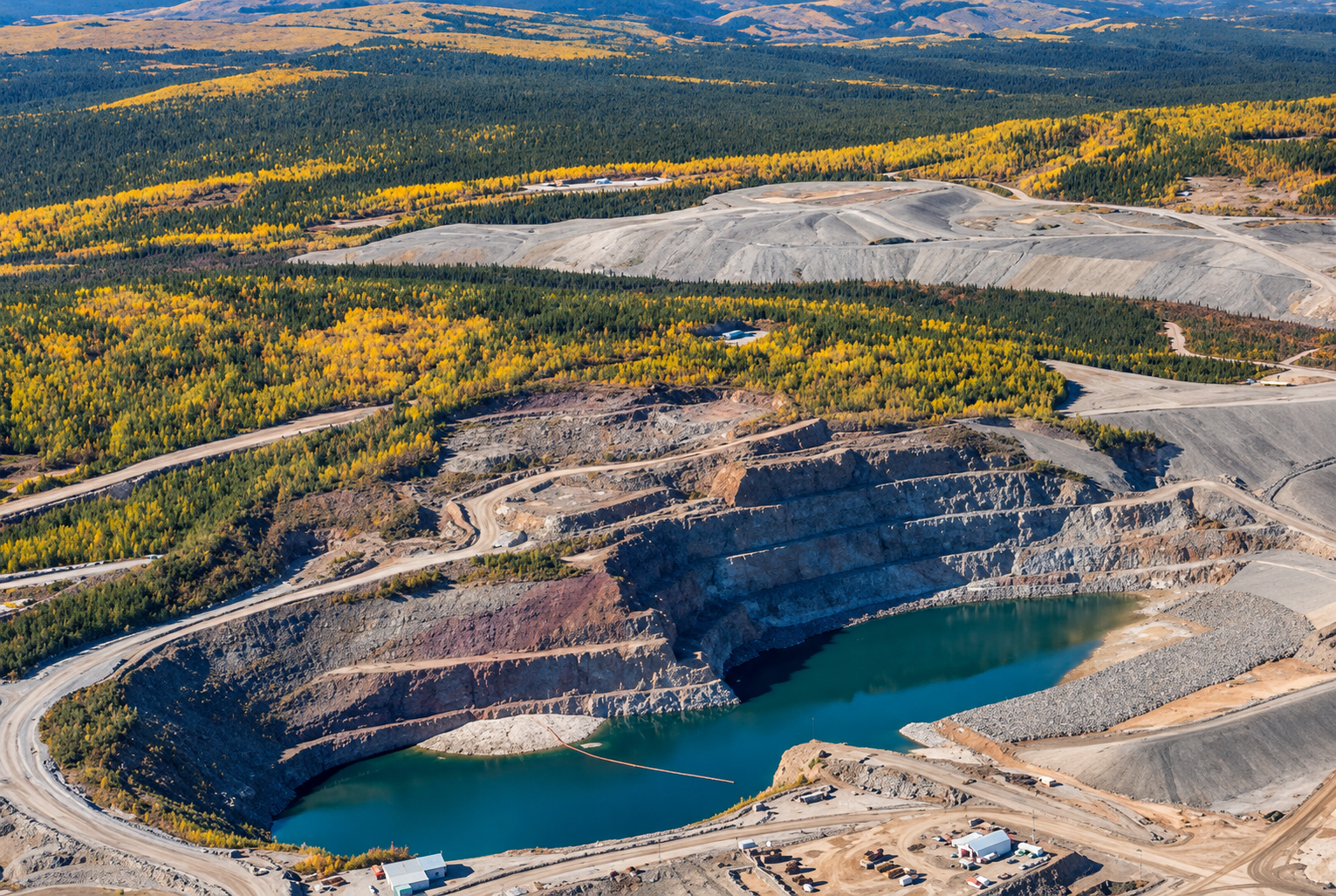
- Fitzroy's best new hole returned 64 meters at 2.00% copper from 127 meters, including 41 meters at 3.05% copper from 133 meters, beneath the historical Manto Negro pit.
- As of November 5, 2026, Fitzroy Minerals had completed 31,189 meters of drilling at Buen Retiro this year: 25,634 meters of diamond drilling and 5,555 meters of reverse circulation (RC) drilling.
- The new results will be included in a maiden Mineral Resource Estimate covering the Tenorita, Nativo and Ortúzar areas. The company is targeting that estimate to support a planned Preliminary Economic Assessment.
- 3 rigs are active, and another 3,300 meters of diamond infill drilling is planned to support a Pre-Feasibility Study targeted for the second quarter of 2027.
- A 5,000-meter sulfide exploration program, mostly RC drilling, is underway.
Company Overview
Fitzroy Minerals (TSXV: FTZ | OTCQX: FTZFF | FSE: C3Y) is a copper explorer focused on Chile. Its 2 lead projects are the Buen Retiro Copper Project near Copiapó and the Caballos project in Valparaíso.
Buen Retiro Drilling Highlights
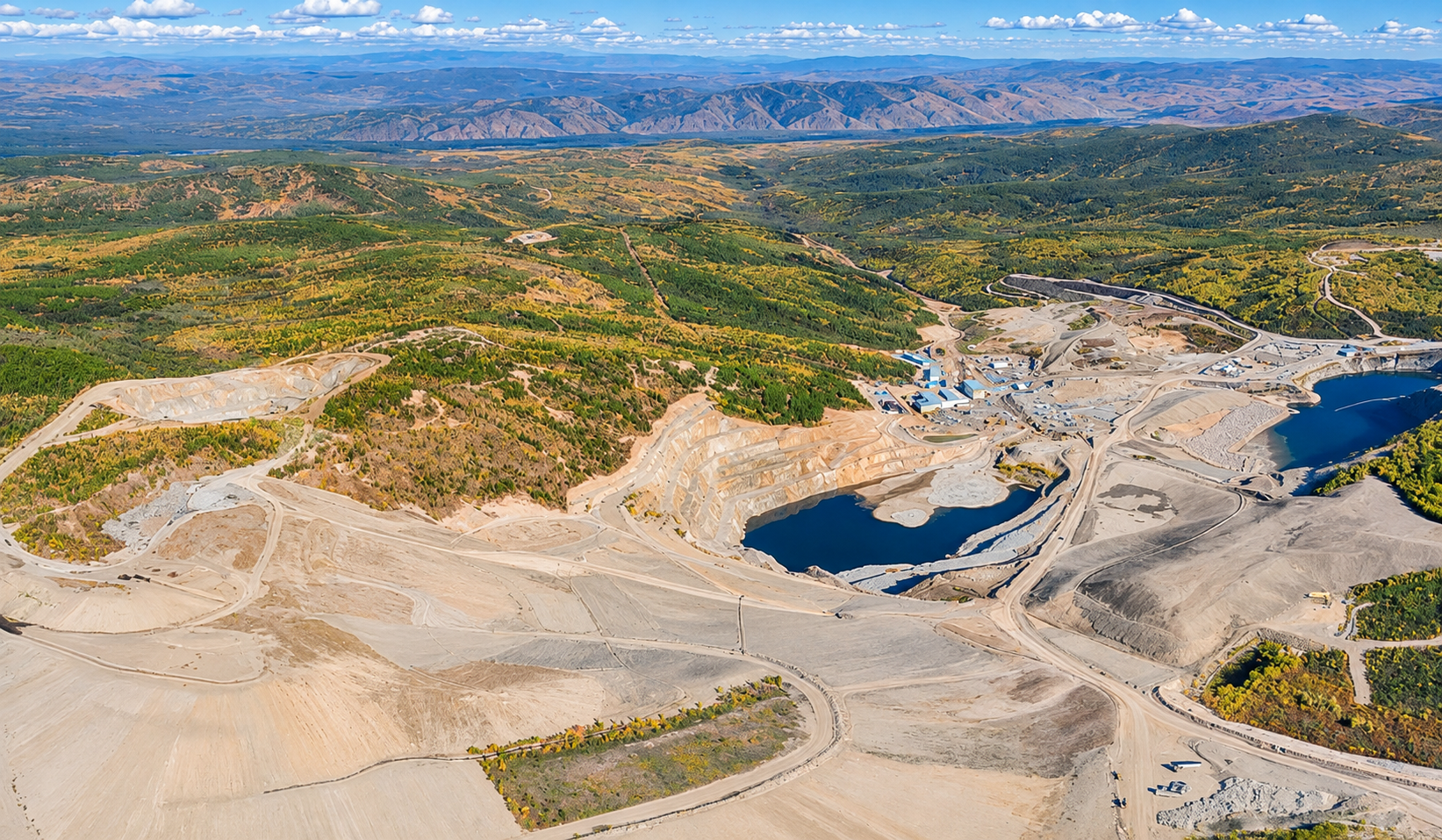
Fitzroy reported new assays from its diamond and reverse circulation (RC) drilling at Buen Retiro. The best result came from a diamond hole drilled beneath the historical Manto Negro open pit. It returned 64 meters at 2.00% copper from 127 meters, including 41 meters at 3.05% copper from 133 meters.
Several other holes returned long intervals. In southern Ortúzar, at the edge of the Manto Negro pit, one hole cut 107 meters at 0.48% copper from 10 meters, including 37 meters at 0.96% copper from 44 meters. In the southern part of the Nativo trend, another hole returned 109 meters at 0.41% copper from 20 meters, including 13 meters at 1.10% copper from 112 meters. In northern Ortúzar, a third hole returned 179 meters at 0.26% copper from 30 meters, plus 86 meters at 0.22% copper from 272 meters. Other diamond holes included 88 meters at 0.52% copper from 27 meters, with 13 meters at 1.46% copper inside it, and 42 meters at 0.61% copper from 28 meters at Ortúzar, with 8 meters at 2.50% copper inside it. One RC hole returned 37 meters at 0.32% copper from 52 meters, including 8 meters at 0.85% copper. Several RC holes returned no significant intercepts.
President and Chief Executive Officer Merlin Marr-Johnson described the 64-meter intercept as a stand-out result. He also said the mineralization is near-surface, leachable material suited to low-cost processing, that other wide zones of good mineralization were intersected, and that the company looks forward to publishing its maiden resource estimate and Preliminary Economic Assessment (PEA) soon.
Drill Program Status
2 diamond rigs are carrying out infill drilling in the copper oxide and mixed oxide-sulfide zones. A third rig, drilling RC, is completing sterilization holes and testing new targets.
The company is targeting Measured, Indicated and Inferred resources across Tenorita, Nativo and Ortúzar in the maiden Mineral Resource Estimate (MRE). Another 3,300 meters of diamond infill drilling is planned to convert Inferred resources and support the Pre-Feasibility Study (PFS). A separate 5,000-meter sulfide exploration program, mostly RC drilling, is underway.
Geology Across Tenorita, Nativo & Ortúzar
At Tenorita, copper mineralization strikes north-northwest and dips steeply to the east. It is consistent along strike and remains open to the southeast. At Nativo, mineralization strikes north-south and is subvertical. It merges with Tenorita to the south and extends north into the historical Manto Negro open pit. In both areas, most mineralization is oxide or mixed and extends to depths of 120 to 150 meters.
Ortúzar is geologically distinct and more variable. It hosts disseminated, manto-style mineralization dipping about 30° to the northwest. Oxidation reaches 60 to 80 meters, and chalcopyrite is the dominant copper mineral at depth.
Native Copper & Metallurgical Testing
Fitzroy noted that assays from the 64-meter intercept may under-represent its native copper, because native copper can flatten during sample preparation. Bulk-sample metallurgical testing is in progress, and the company expects it to help calibrate copper content in the mixed zones.
Sampling & Quality Control
HQ and NQ core is cut with a diamond saw. Half of each sample is assayed and half is kept. Tenorita samples are prepared at ALS-Patagonia in Copiapó and assayed at ALS-Peru. Nativo and Ortúzar samples are prepared and assayed at SGS in Copiapó.
Quality-control samples make up about 12% of primary samples. They include silica blanks about every 20 samples, pulp duplicates, coarse duplicates sent to a secondary laboratory, and certified copper standards from INTEM. The company's visual review of the results found no significant issues. Reported intervals use a 5-meter minimum thickness and a 0.20% copper minimum average grade, and widths are estimated at 80% to 90% of true thickness. Independent geological consultant Dr. Scott Jobin-Bevans, P.Geo., reviewed and approved the technical content.
Next Steps
Fitzroy is preparing to publish the maiden MRE for Tenorita, Nativo and Ortúzar, which is targeted to support the planned PEA. Another 3,300 meters of diamond infill drilling is planned to support the PFS, targeted for the second quarter of 2027. The 5,000-meter sulfide exploration program and the bulk-sample metallurgical testing are also continuing.
FAQs (AI-Generated)
Analyst's Notes





Subscribe to Our Channel






Stay Informed


