




Gold Miner Margins Compress as 45% of Central Banks Plan Reserve Increases


Gold falls toward $4,000 as Fed-hike expectations lift the dollar, while record central-bank demand offers support and shapes miner margins.
- Spot gold fell 0.7% to $4,081.24 per ounce, its lowest level since June 11, while August gold futures fell 1.2% to $4,098.70.
- The dollar index rose to 101.51, its highest level since May 2025, as July Fed-hike odds increased to 36% from 8.5% a week earlier.
- The World Gold Council's 2026 survey found 45% of central banks plan to increase gold reserves over the next 12 months, the highest share since 2019.
- Central banks have added an average of 1,000 tonnes of gold per year over the past four years, double the 500-tonne average of the prior decade, according to the World Gold Council.
- Bullion has fallen 23% since the US-Israeli conflict with Iran began, even as 89% of central banks expect official gold reserves to increase over the next 12 months.
Lower Gold Prices Pressure Miner Margins & Capital Allocation
Gold miners face lower margins as gold prices approach $4,000 because revenue per ounce falls while all-in sustaining costs remain largely unchanged. A dollar index of 101.51 adds pressure to gold prices, further reducing revenue for miners if bullion continues to weaken.
Producers with flexible capital programs can defer discretionary spending or high-cost production to protect margins during periods of weaker gold prices. Central-bank demand also faces funding constraints, with 38% of buyers funding new gold purchases by selling other reserve assets rather than deploying new capital.
Whether gold holds $4,000 or falls toward $3,800 depends on Thursday's PCE report and progress on Iran's nuclear-inspection negotiations. Investors should monitor rising Fed-hike expectations, with July hike odds increasing to 36% from 8.5% a week earlier, against continued central-bank demand, with 45% of central banks planning to increase gold reserves over the next 12 months.
Fed-Hike Expectations Lift the Dollar & Pressure Gold Prices
Spot gold fell 0.7% to $4,081.24 per ounce, its lowest level since June 11. August gold futures fell 1.2% to $4,098.70 as the dollar index rose to 101.51, its highest level since May 2025, after July Fed-hike odds increased to 36% from 8.5% a week earlier.
Bullion has fallen 23% since the US-Israeli conflict with Iran began in late February. Spot silver fell 0.4% to $61.80 per ounce, platinum lost 0.6% to $1,641.35, and palladium dropped 1.3% to $1,221.71 as higher Fed-hike expectations weighed on the broader precious metals sector.
Higher Fed-Rate Expectations Raise the Cost of Holding Gold
Markets are pricing higher interest rates as inflation risks remain elevated. Traders now price three Fed hikes in 2026, up from one before the last Fed meeting. Because gold pays no yield, each additional rate hike increases the opportunity cost of holding it. Higher inflation expectations have pushed bond prices lower, yields higher, and the dollar stronger, reducing demand for gold.
Gold faces continued pressure because key terms of the Iran agreement remain unresolved. The US and Iran remain divided over nuclear inspections and access to frozen overseas funds. Uncertainty over Iran and the Strait of Hormuz supports both inflation concerns and demand for the dollar, reducing investor demand for gold.
Record Central-Bank Demand Offsets Weakness in Gold Prices
NAB's Ray Attrill said the dollar remains the preferred safe-haven asset but warned much of the recent rally may already be priced in.
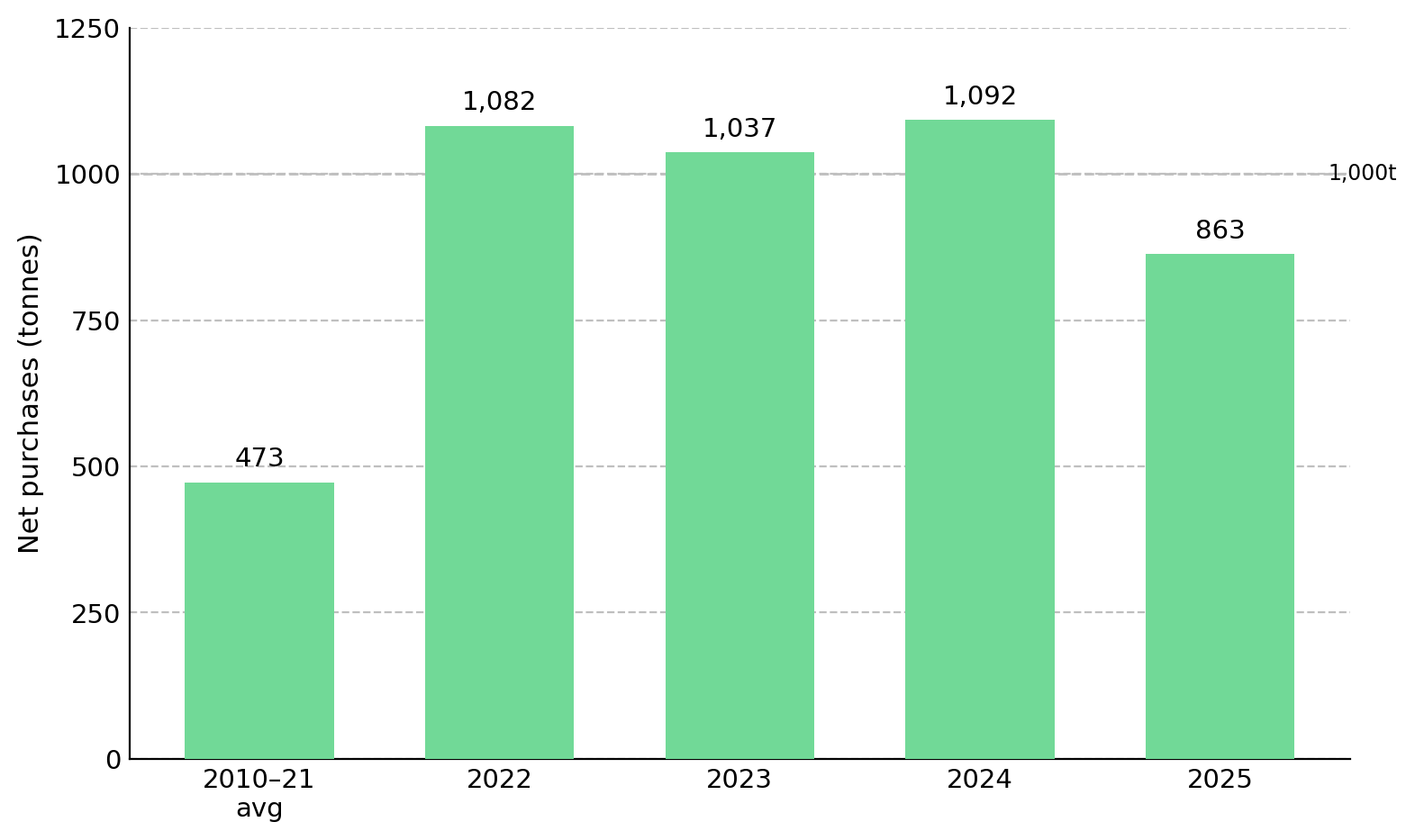
IIn the base case, gold tests $4,000 and falls toward $3,800 if inflation data and unresolved Iran negotiations keep Fed-hike expectations elevated, with a break below $3,800 increasing the risk of a move toward $3,500. In the bull case, central-bank demand supports gold prices, with 89% of central banks expecting official reserves to increase over the next 12 months and 45% planning to add to their holdings, the highest share on record.
Thursday's PCE report will help determine whether gold tests $3,800 or finds support near $4,000.
PCE Inflation Data Could Reset Fed Expectations & Gold Prices
Gold remains under pressure as July Fed-hike odds rose to 36% from 8.5%, September hike odds exceeded 70% from 29.1%, and the dollar index reached 101.51.
Gold requires lower Fed-hike expectations or a confirmed Iran nuclear-inspection agreement to reverse its decline. Holding $4,000 would stabilize the market, while a break below that level increases the risk of a move toward $3,800 and potentially $3,500. Thursday's PCE report is the next major catalyst for Fed-rate expectations and gold prices. A softer inflation reading could reduce expectations for additional Fed hikes and allow central-bank demand, with 45% of buyers planning to increase gold reserves, to support prices.
Analyst's Notes





Subscribe to Our Channel

.png)

Stay Informed






















