




Helix Exploration: Helium Turns Critical, Keyes Liquefier and Montana Wells Fuel Growth


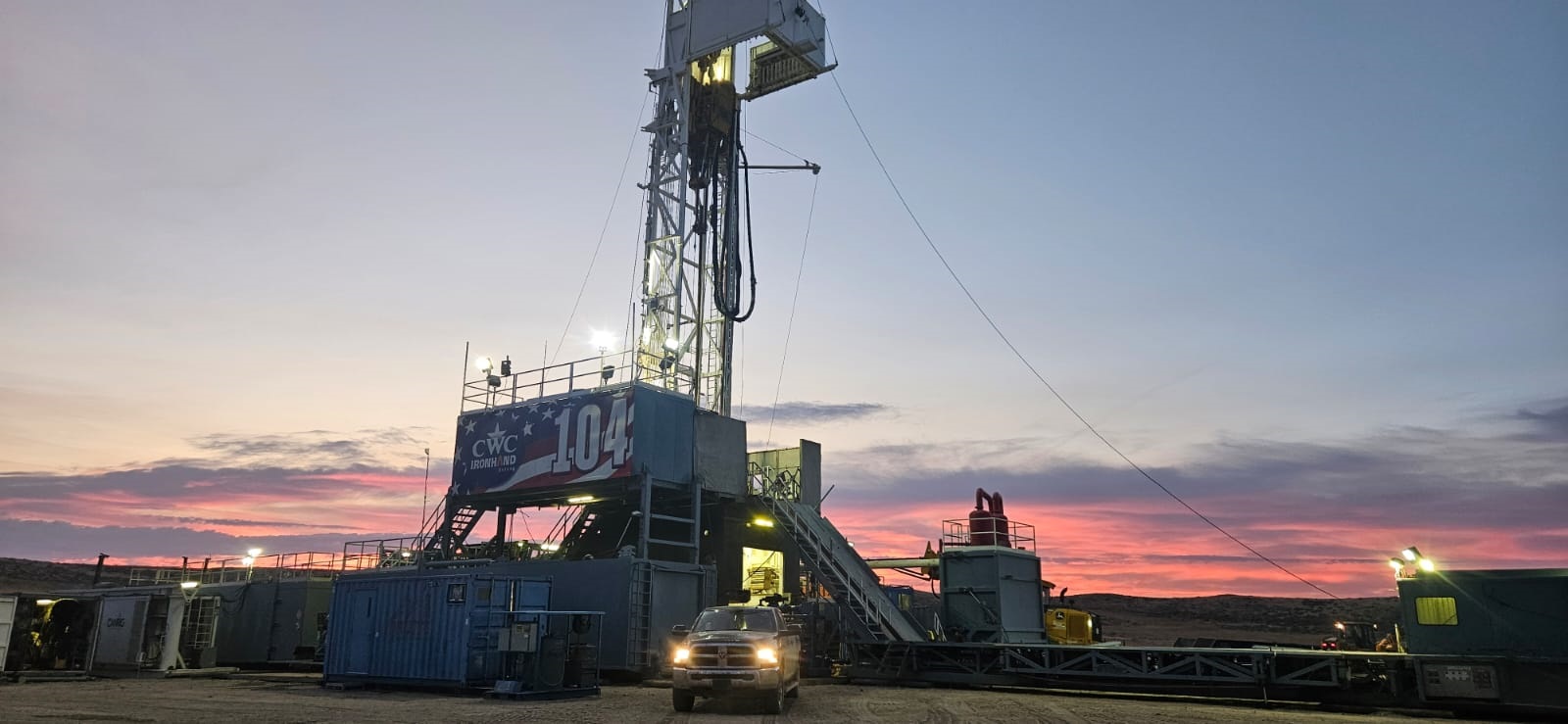
Helix Exploration (LSE:HEX) pairs low-cost Rudyard helium output with Keyes, one of six US liquefiers, as the DOE names helium a critical material.
- Helix Exploration acquires one of only six helium liquefiers in the United States, the Keyes complex in Oklahoma, for US$11 million.
- The Rudyard plant in Montana uses low-cost membrane and PSA processing and can handle up to 6 million cubic feet of raw gas per day at maximum capacity.
- Helix owns its own drilling rig, which CEO Bo Sears says is paying for itself after three wells, and the company is now drilling its fifth well.
- All Rudyard gas is contracted until the end of the first quarter of 2027, while Keyes is already running at capacity under take-or-pay and tolling contracts.
Helium has spent most of its commercial life out of sight. Pricing is set in private contracts, volumes move between a handful of industrial gas majors, and most investors still associate the gas with party balloons. That is beginning to change. On October 2026, the US Department of Energy (DOE) designated helium a critical material, citing its role in semiconductor manufacturing and the fragility of global supply. Helix Exploration PLC (LSE:HEX), an AIM-quoted helium explorer and producer with operating assets in Montana and Oklahoma, sits directly in the path of that shift.
Chief Executive Officer Bo Sears explained how the company has moved from exploration into gaseous helium production at its Rudyard project in northern Montana. Helix has since gone a step further by acquiring the Keyes helium liquefaction facility in Oklahoma. According to Sears, that makes Helix hold one of only six helium liquefiers in the United States. The pairing of low-cost upstream production with scarce downstream liquefaction capacity sits at the centre of the investment case.
Critical Designation Opens New Funding Routes
Sears described the designation as a major development for the company. Helium had previously dropped off the US list because the country is a net exporter of the gas. In his view, that measure ignored how exposed global supply remains. He pointed to the conflict involving Iran, which he said took around 30% of global supply off the market.
For Helix, the practical value lies in access to support. Sears said the designation creates opportunities that did not previously exist, including funding and tax credits the company can now apply for. Helix has not yet named specific programmes or amounts, so this is optionality rather than committed capital.
Rudyard: Low-Cost Gaseous Production in Northern Montana
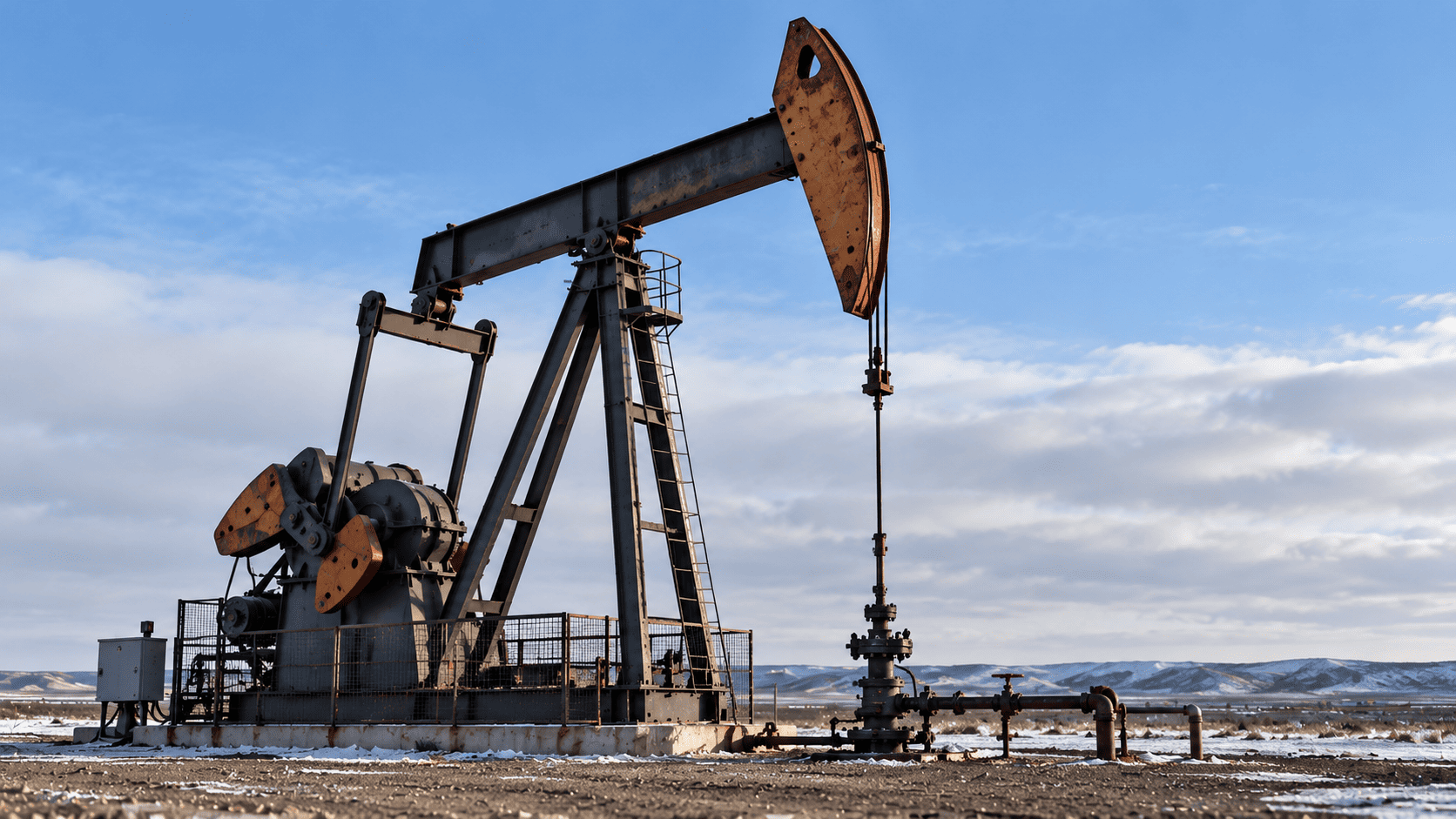
Rudyard is Helix's production base. Gas from a small number of wells feeds a gaseous helium plant that can process up to 6 million cubic feet of raw gas per day at maximum capacity. At that rate, Sears expects the plant could fill roughly one 160,000-cubic-foot tube trailer every other day.
The plant uses membranes and pressure swing adsorption (PSA), a low-pressure, low-cost method suited to a field that is still being developed. Sears said capital costs were modest because Helix bought the plant at a steep discount. Ongoing power and compression costs are nominal, which he said supports large margins. Membranes are a static system that requires no power, so capacity can be expanded simply by adding more units as gas volumes grow.
All Rudyard gas is under contract until the end of the first quarter of 2027. Sears declined to disclose the price or the buyer, which he said is common practice in the industry, but described the terms as very good given the current shortage. He does not expect pricing at that level to last indefinitely. He does expect firm pricing at least until the conflict ends. Once the contract expires, Helix can send Rudyard gas to its own liquefaction plant in Oklahoma. Sears brings 26 years in the helium sector, including building plants and producing gaseous helium before Helix.
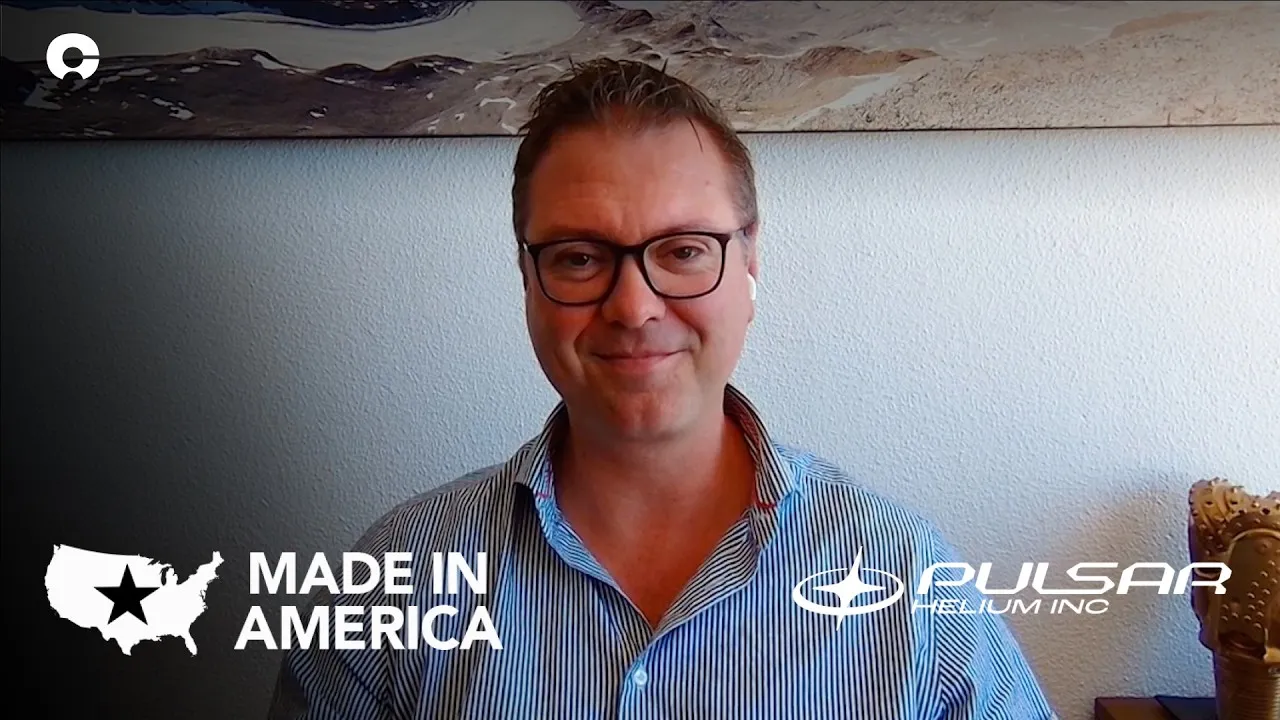
Interview with Bo Sears, CEO of Helix Exploration
Owning the Rig to Control Pace and Cost
Helix bought its own used drilling rig, which Sears said pays for itself after three wells. The savings come from avoiding mobilisation and demobilisation charges and day rates that can reach $20,000. The company also employs its own crew. Service providers are scarce in northern Montana, and Sears said Helix now operates the only rig in that part of the state.
The company is drilling its fifth well. The Ollie #1 well has been drilled and is awaiting perforation and a flow test, and the rig moved directly to the Ross #1 location. Wells reach a depth of about 5,500 feet, or roughly 1,700 metres.
Permitting has not been a bottleneck so far. The Montana Board of Oil and Gas Conservation (MBOGC) approves permits well by well. Sears said the most recent approval took a couple of days, despite a queue of more than 300 applications, mostly for Bakken oil wells, because Helix's rig and crew were ready to drill. The company now submits permits in batches so the rig can move between locations without standing idle.
Drilling spacing in the area is 640 acres, or one square mile, and Sears said a single well can in principle drain a full section. Helix controls many sections and plans to complete drilling in the northern part of its acreage before moving to the middle and southern domes. The reservoir combines fracture and matrix porosity. The team is collecting pressure data from each well to understand how the wells interact, and Sears acknowledged that depletion behaviour is still being learned.
Keyes: A Scarce Liquefaction Asset
Liquefaction turns Helix from a regional gas producer into a supplier with global reach. Helium moves around the world in liquid form because it occupies far less space, but liquefying it means cooling the gas to around 4 degrees Kelvin above absolute zero.
Helix completed the US$11 million acquisition of the Keyes Helium Complex in July 2026. Sears said the plant came with existing take-or-pay contracts and tolling arrangements, and that it is already making money. It is running at maximum capacity, with an input of 465,000 cubic feet/day, which Sears said equates to 13 liquid ISO containers a month.
Keyes also owns several hundred miles of gathering pipeline that collects native gas from local operators. Helix tolls that gas through its pipeline for processing which gives the company a midstream revenue stream alongside liquefaction. The next step is to incentivise operators connected to the system so Helix can extract helium from their gas and process it at Keyes.
In Sears's view, the plant's size is an advantage rather than a weakness. The other US liquefiers are far larger, led by ExxonMobil. Several large plants in Kansas draw on gas from the Hugoton field, which was discovered in the early 1900s. A century of decline means those plants now have less helium to process against the same fixed costs. Asked what sets Keyes apart, Sears pointed to its original design brief.
"The size of our plant gives us a very unique advantage because it was designed to handle explorer gas like our own. So we can actually accept and toll for other parties."
Expanding Keyes is not on the agenda. Sears explained that liquefaction plants are effectively capped once built. A new liquefier would cost $50 million to $100 million, a sum that only makes sense with decades of reserves behind it.
Competitive Positioning Against the Industrial Gas Majors
Sears does not regard the major industrial gas companies as competitors for new supply. Helium is a small part of their packaged gas businesses, which centre on air separation units producing nitrogen, oxygen and argon. The interview raised whether spare liquefaction capacity at the majors could squeeze Helix if helium margins rise. Sears was unequivocal on where new supply will come from.
"Helium is very much an industry where a rising tide lifts all boats. I don't really see us as competitors. I'm certainly not worried about the majors because they have never and will never drill a hole looking for helium. They don't add new molecules to the global supply chain."
He sees the majors as potential partners rather than rivals. Helix owns a small number of gaseous tube trailers but no liquid ISO containers. A commercial arrangement with a major industrial gas company would therefore cover the last-mile logistics that Helix does not yet own.
Investment Thesis for Helix Exploration
- Helix Exploration now hold one of only six helium liquefiers in the United States giving it access to the liquid market that most helium explorers cannot reach.
- Rudyard combines low-cost membrane and PSA processing with an owned rig, which keeps both capital and operating costs low as the field is developed.
- Keyes is already generating revenue from take-or-pay contracts, tolling and a gathering pipeline, which gives Helix a second income stream independent of Rudyard drilling.
- The DOE critical materials designation opens potential access to federal funding and tax credits that were not previously available to helium producers.
- Investors should monitor the Ollie #1 flow test and Ross #1 results as the next indicators of whether Rudyard can scale.
- The expiry of the Rudyard offtake at the end of the first quarter of 2027 is a key watch-item, as it will show whether Helix renews on similar terms or routes gas to Keyes.
Macro Thematic Analysis
Helium's supply problem is partly structural and partly self-inflicted. For years, the gas was a small line item for the industrial gas majors, whose priority was the much larger packaged gas business built on air separation units. That shaped pricing behaviour across the market. Sears described how helium was routinely used to win broader customer relationships.
"Helium pricing in the past the reason why we're in this mess to begin with from a supply situation is because helium was often times a loss leader [...] It put downward pressure on pricing, lack of visibility, inability to talk about contract pricing. When nobody's adding new molecules to the supply chain, it's otherwise invisible, it's challenging. But that's where we saw the opportunity. The opportunity is is real. It's there, has always been there."
The result, in Sears's account, was downward pressure on prices, poor visibility and little incentive to drill for helium. With nobody adding new molecules, supply came to depend on ageing fields and on producers in geopolitically exposed regions such as Qatar.
The demand side has moved in the opposite direction. Helium is essential in semiconductor fabrication, medical imaging and other high-technology applications, and demand from semiconductors and healthcare is expected to keep growing. The DOE designation recognises that a single point of failure in helium supply now carries strategic weight for US industry.
That creates room for primary explorers that drill specifically for helium. Their weakness has been the route to market, because most liquefaction capacity sits with the majors. Owning Keyes addresses that directly for Helix, and lets it toll for other explorers facing the same constraint.
TL;DR
Helix Exploration produces gaseous helium at its Rudyard project in Montana and owns the Keyes liquefaction plant in Oklahoma, one of six US helium liquefiers according to CEO Bo Sears. Rudyard uses low-cost membrane and PSA processing, an owned rig that pays for itself after three wells, and fast well-by-well permitting, with the fifth well now being drilled. Rudyard gas is contracted to the end of Q1 2027 at undisclosed but strong prices. Keyes is running at capacity under take-or-pay and tolling arrangements and owns several hundred miles of gathering pipeline. The DOE's October 2026 critical material designation opens potential funding routes.
FAQs (AI Generated)
Analyst's Notes





Subscribe to Our Channel


Stay Informed


