




Montreal's C$23M Salt Deal Signals Opportunity for Low-Cost Mines


Municipal road maintenance and rising US salt imports support bulk supply demand, while purchase commitments and delivery costs shape mine revenue potential.
- Montreal's reported C$23 million agreement for approximately 200,000 tonnes of road salt demonstrates the scale of municipal procurement, creating future opportunities for competitively priced suppliers.
- Montreal's separate C$15.8 million winter program includes 11 salt spreaders serving a 10,000-kilometer street and sidewalk network.
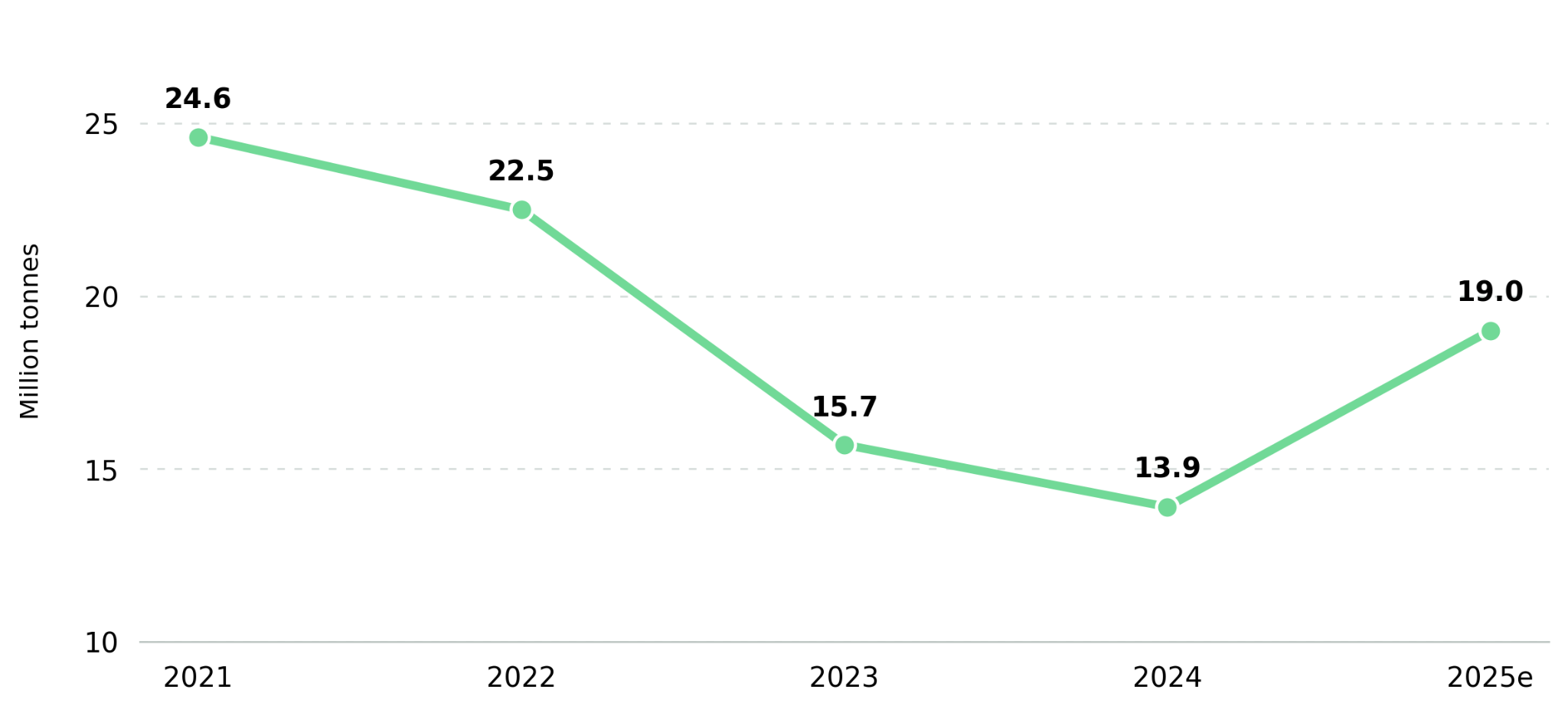
- US salt imports increased from 13.9 million tonnes in 2024 to an estimated 19 million tonnes in 2025, raising net import reliance to 31%, while highway de-icing accounted for 37% of consumption.
- Seven states accounted for approximately 95% of US salt production in 2025, concentrating domestic output and highlighting the importance of reliable supply to regional markets.
- Low operating costs can support competitive municipal salt bids once production begins, provided delivered prices remain competitive.
Montreal's C$23M Salt Tender Favors Competitive Suppliers
Montreal's 2026-27 road-salt procurement covers approximately 200,000 tonnes under two seven-month agreements with a reported combined base ceiling of C$23.51 million, including taxes. An additional C$4.70 million quantity allowance raises the maximum authorization to C$28.22 million, with actual purchases determined by orders and deliveries. Montreal reportedly selected lower-priced imported salt, while other bidders could not individually meet the required volumes, highlighting the importance of competitive pricing and sufficient supply capacity.
A separate C$15.8 million winter-maintenance investment announced on October 15 includes C$13.3 million for 43 equipment units, among them 11 salt-spreading trucks. Another C$2.5 million will help boroughs deploy more than 16 additional spreading units across Montreal's 10,000-kilometer street and sidewalk network. With annual snowfall averaging 190 centimeters, the additional equipment supports continued road-salt application during winter conditions.
Municipal salt purchasing also extends to smaller contracts, including a December 2025 borough authorization identifying Compass Minerals Canada for up to C$413,174 in road and sidewalk salt. Montreal's winter-maintenance guidelines call for salt or gravel spreading when roads become slippery, making icy conditions a direct driver of demand. These recurring purchasing arrangements provide opportunities for suppliers, with actual order volumes determined by treatment requirements and available inventories.
Canadian Road Networks Sustain Large Purchase Volumes
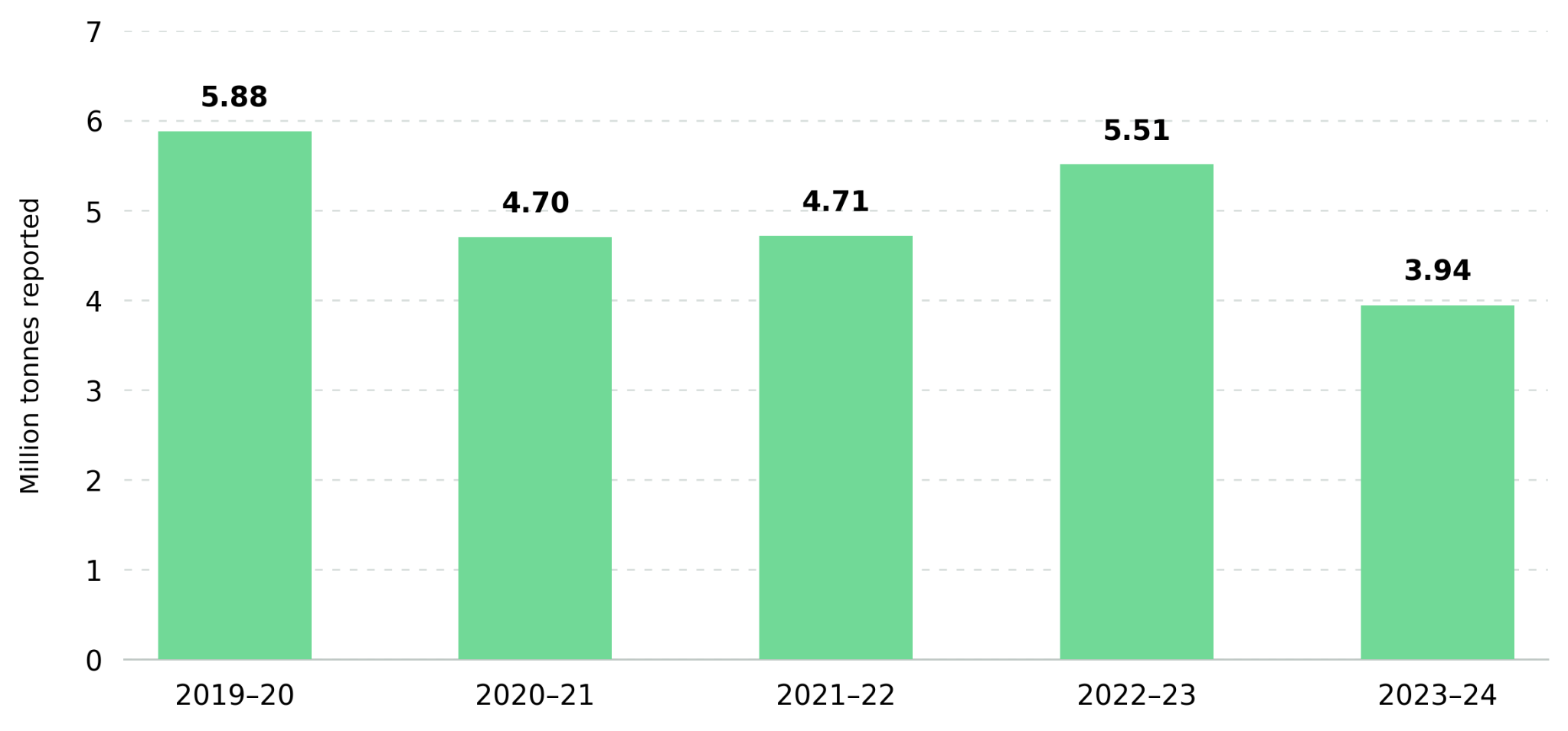
Environment and Climate Change Canada's (ECCC) annual road-salt overview reports that 250 organizations, including 225 municipalities, used approximately 3.94 million tonnes of road salt across 418,331 kilometers of salted roads during winter 2023-24. These reported volumes demonstrate substantial demand for bulk road-salt supply across Canadian markets beyond Montreal, supporting recurring purchasing requirements for winter maintenance.
Ontario's 135 reporting organizations used approximately 1.68 million tonnes of road salt during winter 2023-24, followed by 288,142 tonnes in Newfoundland and Labrador, 248,213 tonnes in New Brunswick, and 236,123 tonnes in Nova Scotia. Together, these four provinces accounted for approximately 2.45 million tonnes, representing 62% of reported Canadian road-salt consumption under ECCC's program and establishing eastern Canada as a major regional market for bulk salt supply.
Rising US Salt Imports Highlight Municipal Supply Gaps
US Geological Survey (USGS) estimates salt imports increased from 13.9 million tonnes in 2024 to 19 million tonnes in 2025, raising net import reliance from 23% to 31%. USGS attributed part of the increase to additional purchases by state and local transportation departments following winter weather events.
New York's 2026-27 road-salt procurement rules require participating buyers to purchase at least 60% of their stated requirements, with a 50% minimum in nine designated counties. The contracts also guarantee deliveries up to 130% of stated requirements, with potential price increases of 10% for orders above 120% and 15% above 130%. These provisions establish minimum purchasing commitments while allowing higher prices for additional orders.
In August 2026, Joliet, Illinois, received no bids for deliveries to one salt-storage facility, while its existing supplier declined additional deliveries beyond an 80% minimum commitment. City staff subsequently proposed an alternative salt purchase valued at approximately US$1.15 million to cover upcoming winter requirements. The unfilled tender demonstrates how supply shortages can redirect municipal spending toward alternative suppliers.
Salt Supply Constraints Strengthen Low-Cost Mine Economics
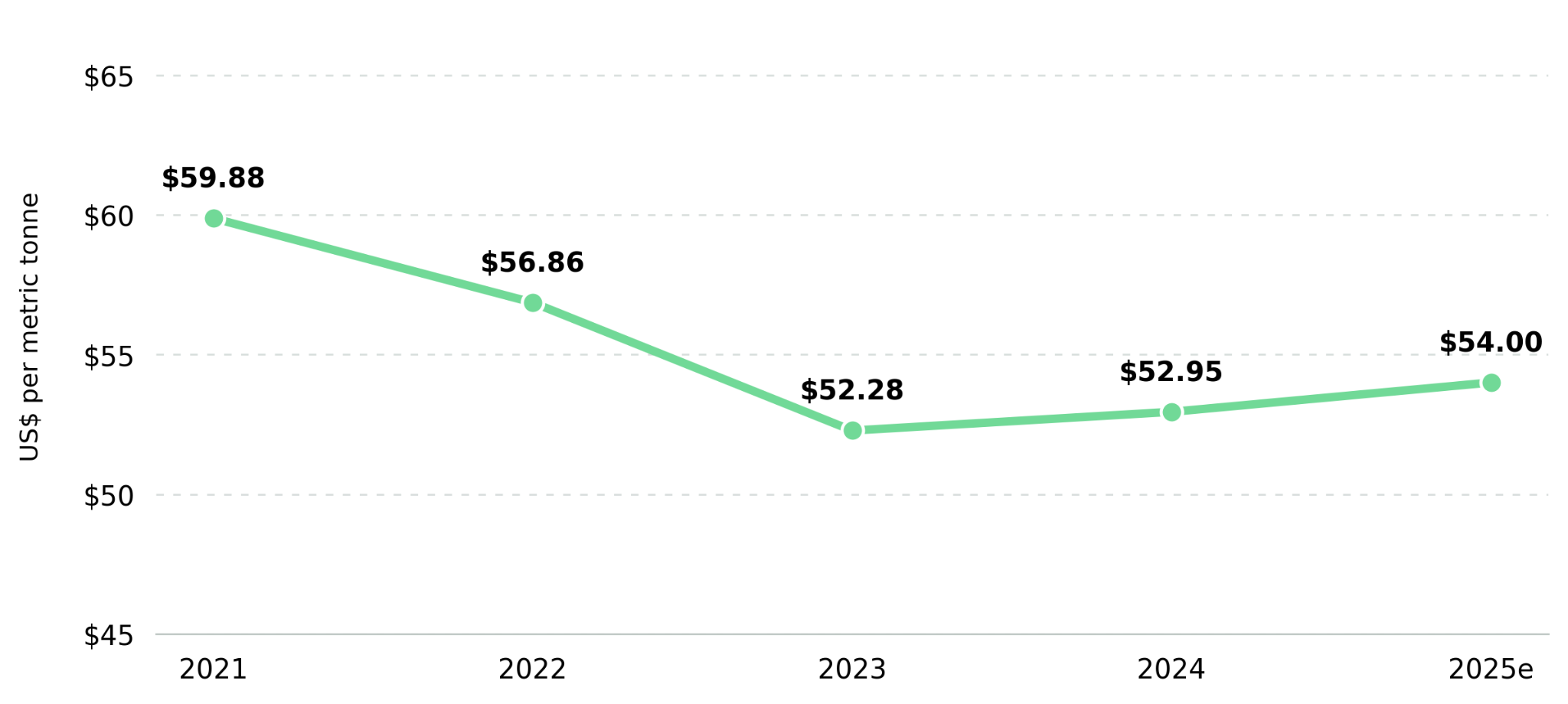
USGS estimated an average US rock-salt value of US$54 per tonne at the mine or plant in 2025. With transportation and handling adding to delivered costs, efficient production and access to shipping infrastructure can support competitive municipal bids while protecting operating margins.
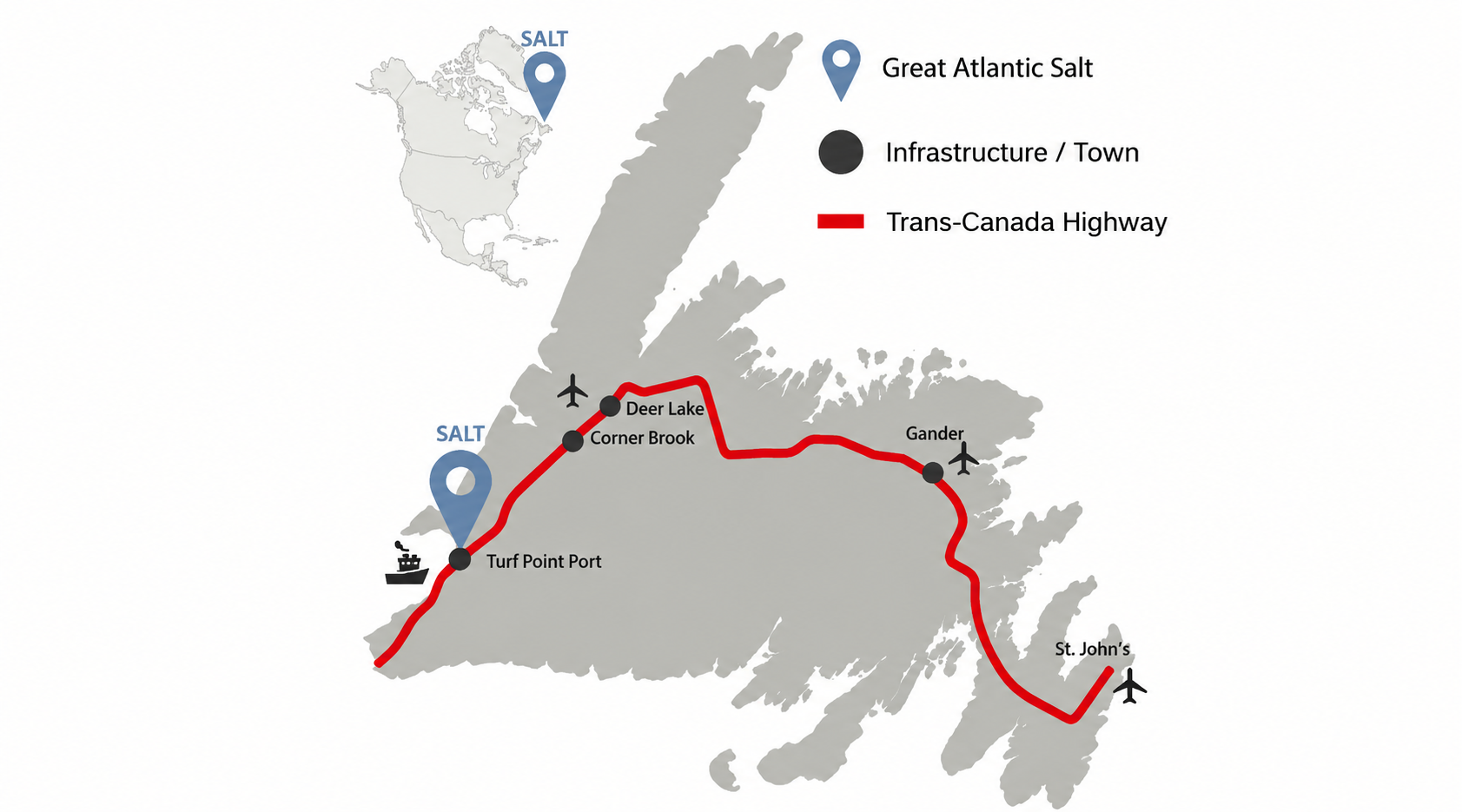
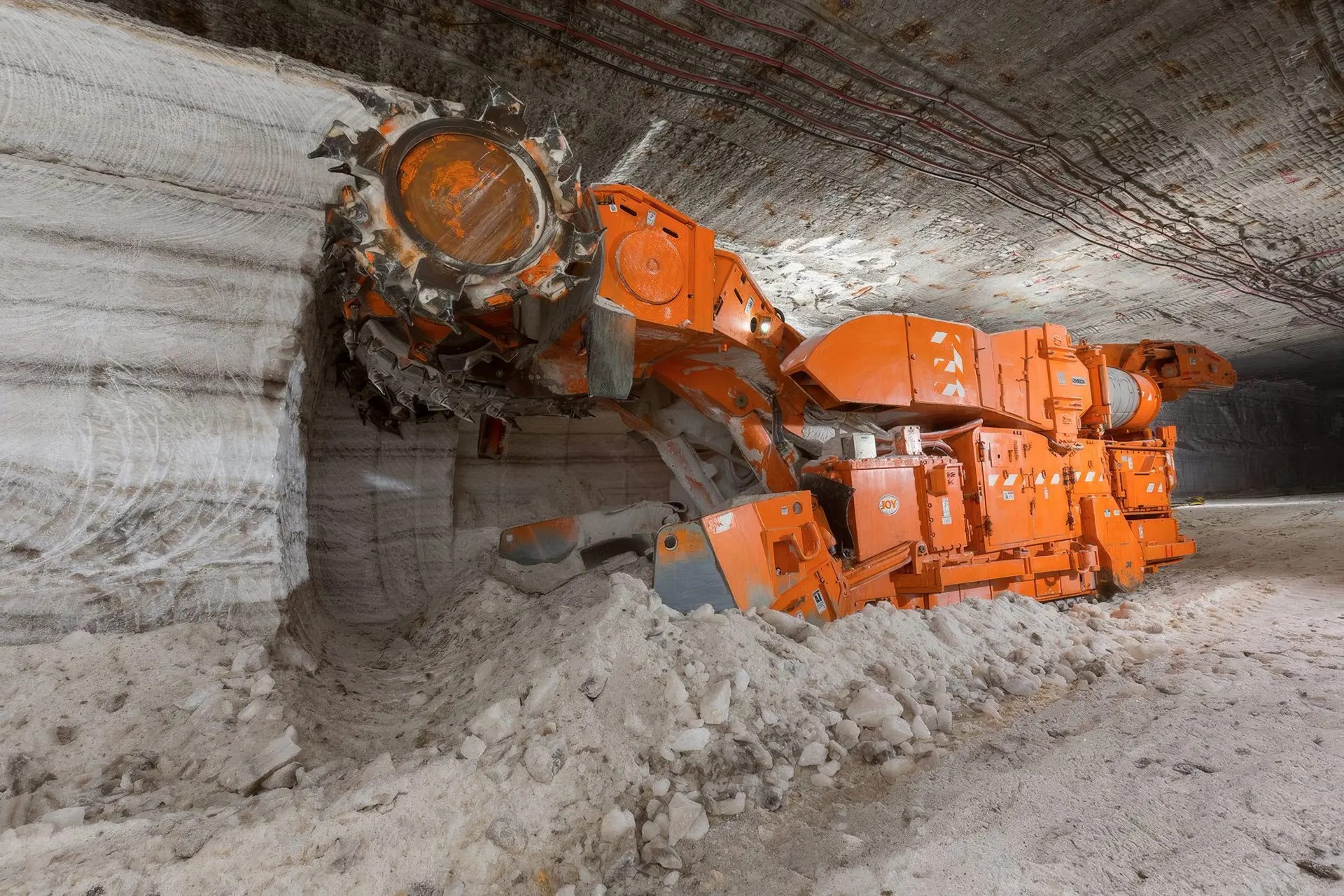
Atlas Salt is advancing the Great Atlantic Salt Project, targeting annual production of 4 million tonnes with projected operating costs of C$28.2 per tonne shipped and all-in sustaining costs (AISC) of C$34.9 per tonne at Turf Point. Its shallow deposit, conventional crushing and screening without chemical processing, and nearby deepwater port support its low-cost design. The project has an estimated after-tax net present value at an 8% discount rate (NPV8%) of C$920 million and a 21.3% internal rate of return (IRR).
Nolan Peterson, Chief Executive Officer of Atlas Salt, explains how supply shortages shift salt pricing power:
"What we're seeing is a shift from a buyer market to a sellers market… What's driving that across the industry is lack of supply."
Municipal Procurement Supports Mine Cash Flow
The selection of lower-priced imported salt also shows that municipal contracts favor competitive delivered prices and sufficient supply capacity, making low-cost production an important factor in securing future sales. Montreal's recurring salt tenders demonstrate how winter-maintenance requirements translate into an established purchasing market, while rising US imports highlight continued demand for external salt supply.
This creates an opportunity for mines capable of producing salt at costs that support competitive bids while maintaining profitable margins. Financing and operational readiness determine when new supply can enter the market, while fulfilled contracts convert production into revenue. The long-term investment value lies in combining recurring municipal demand with competitive operating costs to generate sustainable cash flow.
The Investment Thesis for Salt
- Recurring municipal road-salt tenders create opportunities for long-term supply agreements, supporting future revenue through repeat purchasing and fulfilled contracts.
- North America's reliance on imported salt creates opportunities for additional regional production capable of serving established markets at competitive delivered prices.
- Low operating costs provide greater flexibility in municipal bidding, supporting stronger potential margins after transportation and handling expenses.
- Long-life salt reserves support sustained production across multiple procurement cycles, creating potential for recurring cash flow once operations begin.
- Progress in permitting and construction financing strengthens the pathway toward production, allowing salt developers to pursue future commercial supply agreements.
- Reliable production capacity and competitive pricing improve the ability to secure large municipal contracts, making operational efficiency central to long-term project returns.
Municipal road-salt procurement sustains recurring demand, while North America's reliance on imported salt creates opportunities for additional regional production. Low operating costs and efficient transportation strengthen pricing competitiveness and support profitable supply contracts. Developers with favorable project economics and a clear path to production are positioned to capture this established demand, making cost competitiveness and reliable supply central to long-term cash flow generation.
TL;DR
Montreal's 2026-27 road-salt procurement covers approximately 200,000 tonnes, with a C$23.51 million base spending ceiling rather than guaranteed purchases. Canadian road organizations participating in federal reporting used about 3.94 million tonnes during winter 2023-24, while estimated US salt imports climbed to 19 million tonnes in 2025. New York's minimum purchase requirements offer suppliers contract-volume visibility, while an unfilled tender in Joliet demonstrates the commercial impact of delivery constraints. For prospective producers, competitive delivered prices depend on production efficiency and transport access. Atlas Salt's Great Atlantic project targets 4 million tonnes of annual production, but realizing project cash flow depends on financing, operations, and fulfilled contracts.
FAQs (AI-Generated)
Analyst's Notes





Subscribe to Our Channel




Stay Informed


