




2026 Outlook: Kodiak Copper's Maiden Resource Delights with Major Gold Contribution


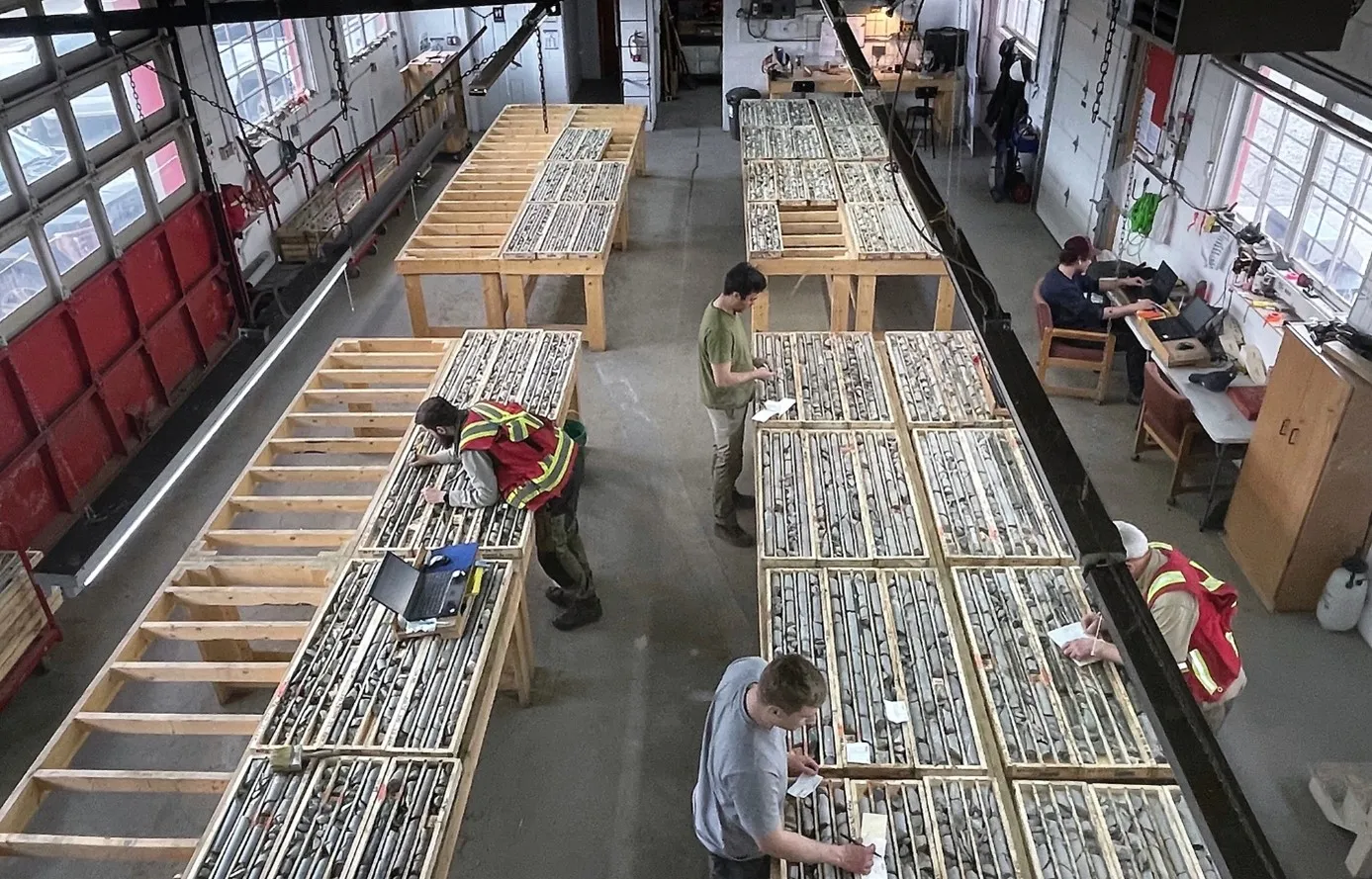
Kodiak announces 440M ton maiden resource at MPD: 2.4B lbs copper, 1.7M oz gold. All 7 deposits open for expansion with 20 new targets identified. Resource update expected late 2026.
- Kodiak Copper announces maiden resource at MPD project: 440 million tons at 0.39% copper equivalent (indicated) and 0.32% (inferred), containing 2.4 billion pounds of copper and 1.7 million ounces of gold
- Currently seven deposits identified with significant expansion potential; all zones remain open and approximately 20 additional exploration targets identified across the district
- Company achieved efficient discovery rate with only 90,000 meters drilled over six years, discovering nearly 2 million ounces of gold at lower cost per ounce than comparable projects
- Strong metallurgical results show 80% copper recovery and 60% gold recovery with no deleterious elements; potential to optimise gold recovery in future metallurgical work
- Management prioritises resource expansion in 2026-2027 with $7-8 million cash for drilling program; resource update expected in approximately one year before economic studies
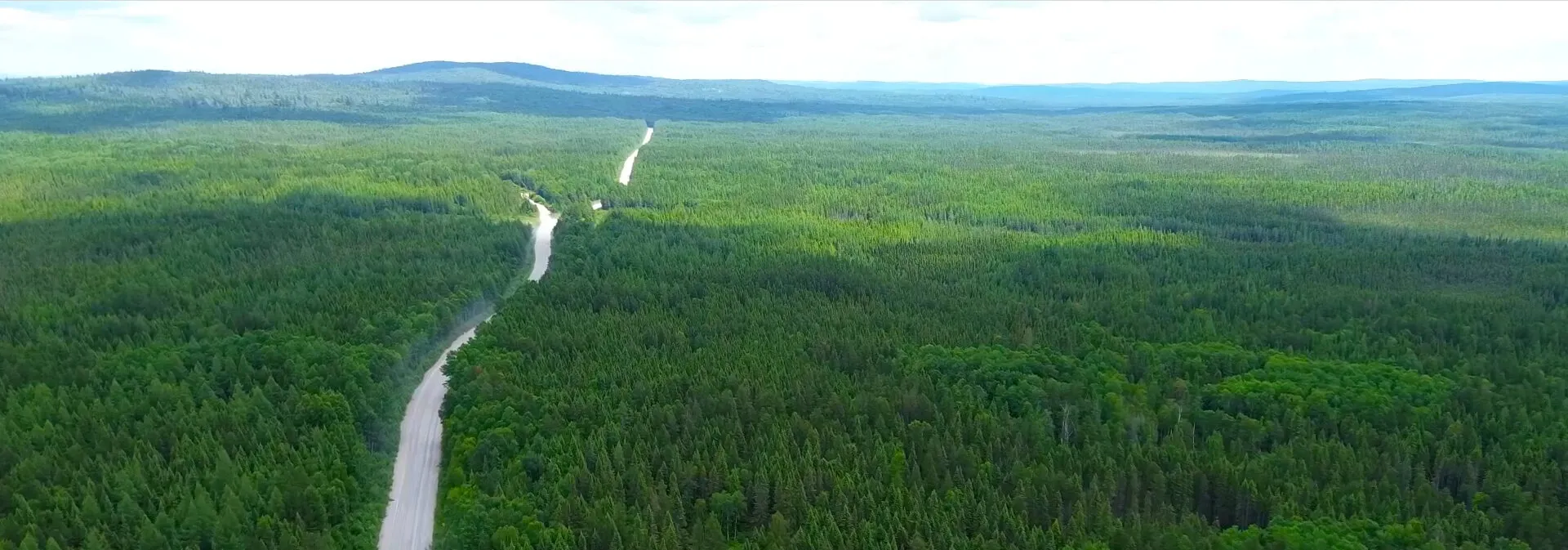
Kodiak Copper has reached a significant milestone with the announcement of its maiden resource estimate for the MPD project in British Columbia, marking the culmination of six years of systematic exploration and district consolidation. The resource announcement represents not merely a static assessment but rather a foundation for what management characterises as substantial future growth, supported by extensive exploration potential across a highly prospective land package.
Resource Scale & Grade Profile
The maiden resource at MPD comprises 440 million tons of mineralization at a copper equivalent grade of 0.39% for indicated resources and 0.32% for inferred resources, calculated using what management describes as conservative cutoff grades. This translates to contained metal of 2.4 billion pounds of copper and 1.7 million ounces of gold within the maiden resource envelope. President and CEO Claudia Tornquist emphasised the preliminary nature of these figures:
"Our maiden resource is a mixture of indicated and inferred and between the two we have now at quite a conservative cutoff 440 million tons of mineralisation.”
The grades are comparable to other operating mines and development projects across North America, positioning MPD within established operational benchmarks for the region.
The resource is distributed across seven discrete deposits within the district, each exhibiting distinct characteristics. Management highlighted that certain deposits, particularly West and Adit, demonstrate higher-grade mineralisation from surface with characteristics suitable for potential starter pit scenarios, providing strategic optionality for future development sequencing.
Exploration Efficiency Delivers Discovery Success
Chairman and founder Chris Taylor provided context for the company's exploration efficiency, noting that the 1.7 million ounces of gold have been defined with only 90,000 meters of drilling over the six-year exploration period. Taylor drew comparisons to his previous work:
"That's a much more efficient ounces of gold discovered per meter drilled than we even had at Great Bear back when we were working on that."
The efficient discovery rate reflects systematic targeting and geological understanding developed over multiple drilling campaigns. The company has been progressively building geological knowledge that informs successive exploration programs. This capital-efficient approach has resulted in the definition of seven distinct deposits from a modest drilling investment relative to the scale of mineralization discovered.
Metallurgical Characteristics Support Future Economics
Initial metallurgical testwork has yielded encouraging results across multiple parameters critical to future economic assessments. The company reported copper recoveries of approximately 80%, gold recoveries of 60%, and silver recoveries of 54% in preliminary metallurgical studies. Importantly, the test work identified no deleterious elements that would negatively impact concentrate marketability or result in smelter penalties. Tornquist noted that the company is currently conducting a second phase of metallurgical optimization:
"One of the focuses will also be to optimise gold recovery and that's also an important point to keep in mind that we had very positive metallurgy results because that will make a big impact on future economics."
Taylor elaborated on the copper-gold porphyry characteristics and potential processing optimization strategies. He explained that it may be possible to produce concentrates with varying copper-to-gold ratios depending on process parameters:
"It's possible ultimately to make a concentrate that is tweaked towards being richer in copper or richer in gold. And when you have a significant gold endowment like this porphyry system does, that's the kind of thing that we'll also be looking at."
This flexibility becomes particularly relevant given current gold prices substantially above the $2,600 per ounce assumption used in the resource calculation.
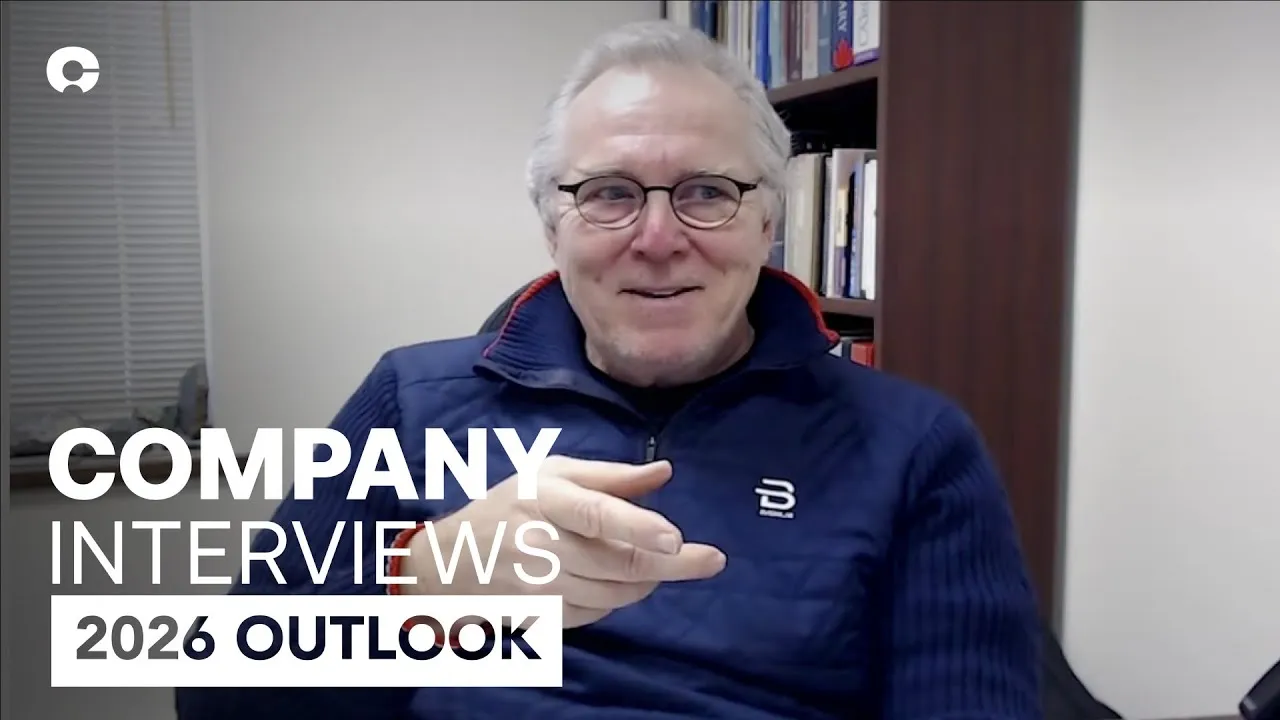
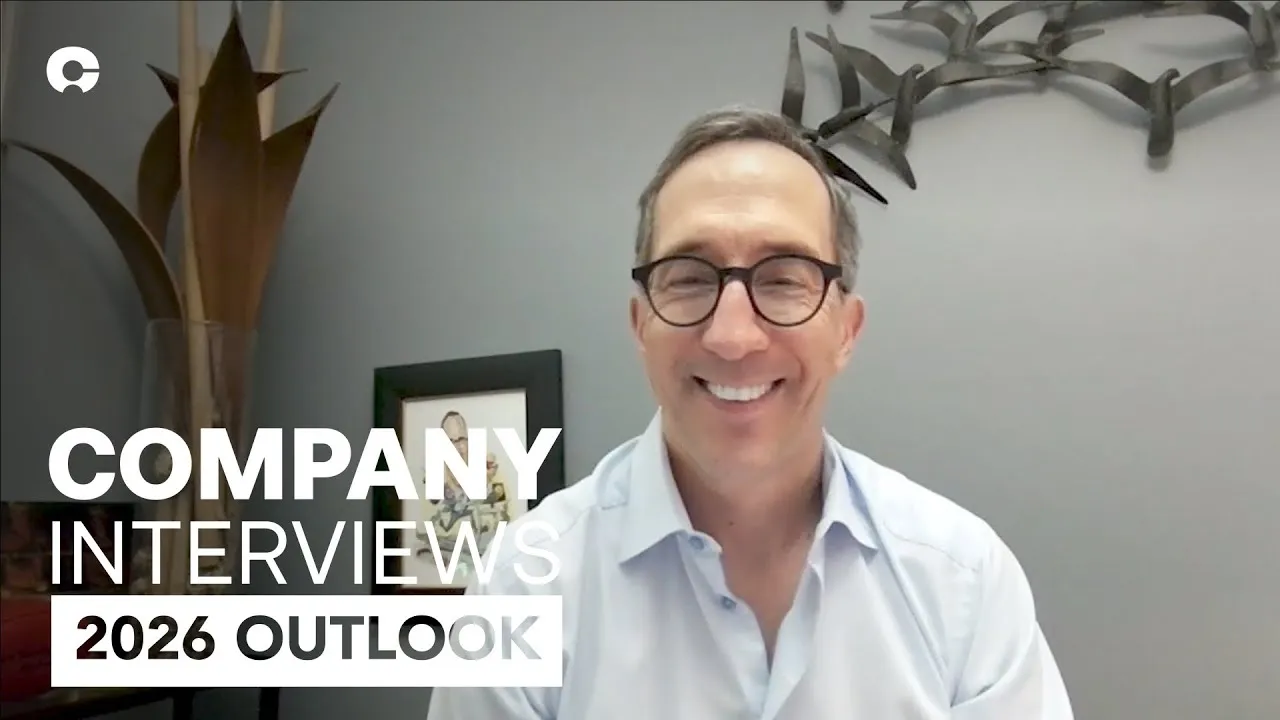
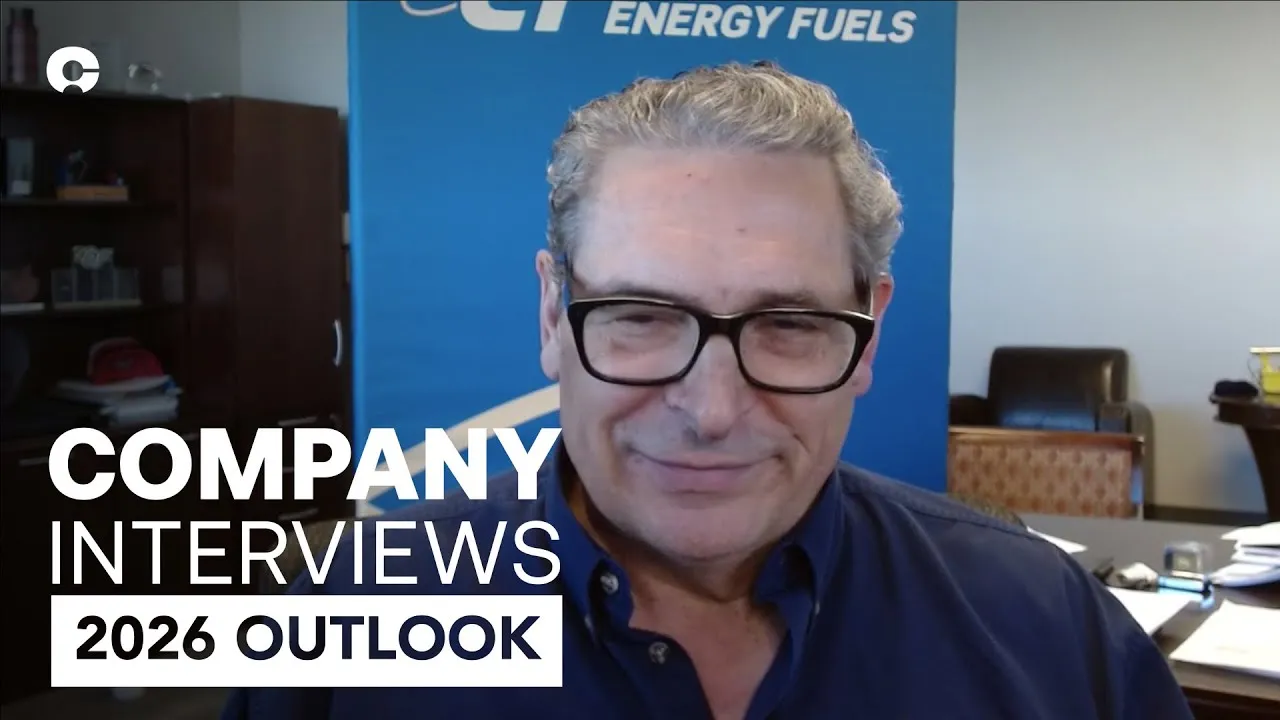
Interview with Chris Taylor, Chairman, & Claudia Tornquist, CEO of Kodiak Copper Corp.
Expansion Potential Across Multiple Deposits
Management emphasised that all seven resource deposits remain open for expansion, with drilling evidence already indicating significant near-term growth opportunities. Taylor specifically cited the Dillard zone in the northern portion of the property, where drilling 500 meters from the existing resource boundary encountered similar mineralisation with no intermediate drilling: "Really obvious that that's going to grow significantly."
Beyond immediate resource expansion opportunities, the company has identified approximately 20 additional exploration targets across the property. These targets range from areas with historical drilling requiring follow-up to entirely new prospects generated through recent exploration work and AI-assisted targeting methodologies developed in collaboration with Verify.
Several of these targets have returned surface grab samples with grades of 4-5% copper, representing higher-grade surface mineralization than any of the seven deposits currently included in the resource estimate, yet these areas have never been drill-tested. Taylor emphasised the discovery potential:
"These other targets around the project, they are not connected to the other porphyries for the most part. And that means it would be entirely new porphyry systems, entirely new discoveries."
Development Pathway Prioritises Growth
Management articulated a clear prioritisation framework for value creation over the near to medium term. Rather than immediately proceeding to preliminary economic assessment, the company intends to focus on resource expansion to demonstrate the full scale potential of the district. Tornquist explained the strategic rationale:
"Where we can generate the most value for our shareholders at this stage is by growing our resources because really the size is what will make this project and deposit attractive."
The company is targeting a resource update in approximately one year, with economic studies to follow once the expanded resource demonstrates the project's ultimate scale.
This approach recognises that the presence of seven discrete deposits provides significant optionality for development sequencing and mine planning. Taylor noted that multiple open pits represent "the norm rather than the exception in BC porphyries," citing operating examples such as Copper Mountain and New Afton. The multi-deposit configuration allows for optimization across varying grades, metallurgical characteristics, and strip ratios in future mine planning exercises.
Market Context Favors Critical Metal Projects
Both executives positioned the resource announcement within the broader context of favorable commodity price environments and structural supply constraints. Tornquist noted that both copper and gold have reached all-time highs, with copper futures trading around $4.50-4.60 per pound: "That obviously is a very big positive and that will help future economics."
She characterised the copper market dynamics as driven by supply disruptions at major producing operations combined with limited pipeline of development projects:
"There is quite a lot of demand and strong demand for copper but not much on the supply side. There are just not many projects in the supply pipeline to become the next mine and that puts us in a very good spot."
Financial Position Supports Upcoming Program
The company maintains a cash position of approximately $7-8 million, which management indicates is sufficient to fund a substantial drilling program in 2026-2027. Drilling is expected to commence in March-April 2026 following winter planning and permitting activities.
The drilling program will allocate resources between two primary objectives: resource expansion drilling adjacent to existing deposits where extensions are evident, and discovery drilling on the pipeline of 20 additional targets. Tornquist indicated shareholders should expect regular drill result news flow throughout the program, culminating in the resource update approximately one year from the maiden resource announcement.
The Investment Thesis for Kodiak Copper
- Scale potential: 440 million tons maiden resource represents starting point with all seven deposits open for expansion; management targeting doubled resource within comparable timeframe to initial discovery
- Capital efficiency: 1.7 million gold ounces and 2.4 billion copper pounds defined with only 90,000 meters drilling over six years, demonstrating superior discovery cost relative to peer companies
- Exploration pipeline: Approximately 20 additional targets identified beyond the seven resource deposits, including surface showings with 4-5% copper grades exceeding any current resource areas
- District consolidation: Six years of systematic property acquisition has secured a prospective land package with potential for multiple porphyry centers, reducing discovery risk
- Metallurgical favorability: No deleterious elements, saleable concentrate grades, and 80% copper/60% gold recoveries in initial testwork provide foundation for robust future economics
- Commodity leverage: Dual copper-gold exposure provides leverage to structural supply deficits in copper market and sustained strength in gold prices
- Development optionality: Seven discrete deposits with varying characteristics (higher-grade near-surface at West/Adit versus bulk tonnage systems) enables flexible mine sequencing and potential starter pit scenarios
- Management track record: Chairman Chris Taylor's previous success at Great Bear Resources (sold for C$1.8 billion) demonstrates ability to create shareholder value through systematic exploration
- Near-term catalysts: Fully funded 2026-2027 drill program with expected resource update in one year provides clear visibility to next value inflection point
- Valuation opportunity: $7-8 million cash position supports upcoming program while enterprise value remains modest relative to contained metal value at current commodity prices
The global copper market faces a structural supply-demand imbalance as electrification, renewable energy infrastructure, and data center expansion drive unprecedented demand growth. Simultaneously, major producing operations are experiencing operational disruptions and grade decline, while the pipeline of development-stage projects capable of reaching production within the decade remains critically constrained.
This supply deficit is occurring as geopolitical considerations increasingly favor jurisdictions with established mining regulatory frameworks, enhancing the strategic value of North American copper resources. Kodiak's MPD project benefits from this macro context through its British Columbia location, substantial resource scale with expansion potential, and favorable metallurgical characteristics that position it as a candidate to address future supply requirements.
TL;DR:
Kodiak Copper's 440-million-ton maiden resource at MPD represents an efficient exploration success with 2.4 billion pounds copper and 1.7 million ounces gold discovered in only 90,000 meters of drilling. All seven deposits remain open for expansion with 20 additional targets identified, positioning the company for significant resource growth. Management prioritises resource expansion over economic studies to demonstrate full scale potential, with drilling program funded and resource update targeted for late 2026.
FAQs (AI Generated)
Management believes demonstrating the full scale potential of the district creates maximum shareholder value at this stage. With all deposits open and expansion drilling straightforward, growing the resource substantially before economic studies better reflects the project's ultimate mine-life potential and attractiveness.
Management suggested the next 400-500 million tons should take significantly less than the seven years required for the initial maiden resource. Improved geological understanding, established drill targets, and proven mineralization extensions support accelerated resource growth, with an update expected in approximately one year.
The project combines substantial copper tonnage with significant gold endowment (1.7 million ounces), efficient discovery track record, and extensive exploration upside across 20 additional targets. The copper-gold porphyry style provides processing flexibility and commodity leverage, while seven discrete deposits offer development optionality.
Multiple open pits are common in BC porphyries, with operating examples including Copper Mountain and New Afton. The configuration provides flexibility to optimise mining sequence based on grade, metallurgy, and strip ratios. West and Adit deposits show higher-grade near-surface characteristics potentially suitable for initial development.
Initial metallurgy shows 60% gold recovery with optimization work currently underway. The pyrite-rich zones that host gold respond to process modifications that can enhance recovery rates. With gold prices substantially above the resource calculation assumptions, improved gold recovery would significantly impact project economics.
Analyst's Notes





Subscribe to Our Channel




.jpg)

Stay Informed






















