Lafleur Minerals Targets Gold Production by Year-End 2026 With 65% IRR Project


Lafleur Minerals targets end-2026 gold production: $101M NPV, 65% IRR, $1,569/oz costs. Existing mill, lease, rail. Hub-and-spoke model. 200K oz expanding to 1M+ target.
- PEA shows $101M NPV and 65% IRR at $2,750/oz gold with all-in sustaining costs of $1,569/oz over 7-year mine life
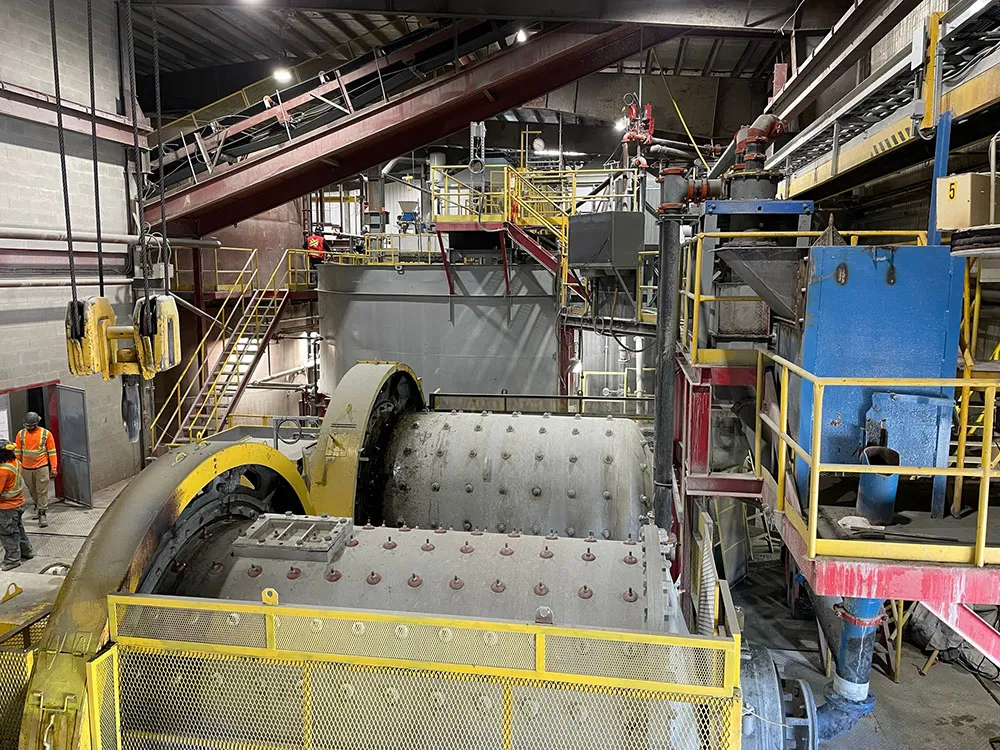
- Company aims to achieve production by end of 2026 through recommissioned Beacon Mill (750 tpd capacity, expandable to 1,250+ tpd) and Swanson deposit on existing mining lease
- Current 200,000+ ounce resource (30% increase from previous estimate) with expansion potential through depth extensions and satellite deposits (Bartec, Jolin) targeting 1M ounce milestone
- Strategic positioning as regional processing center in Abitibi-Témiscamingue as major producers reduce third-party milling capacity, creating custom milling opportunities
- Financing strategy includes offtake agreements, equity raises, and potential M&A; existing infrastructure (mill, mining lease, rail access) significantly reduces development risk
Lafleur Minerals is positioning itself as a near-term gold producer in Quebec's Abitibi-Témiscamingue region, leveraging high gold prices and existing infrastructure to advance the Swanson deposit and Beacon Mill toward production by year-end 2026. In an environment where gold prices have sustained elevated levels, CEO Paul Ténière articulates the company's strategic thesis: deposits that may have been marginal years ago now present compelling economics. The company's recently released Preliminary Economic Assessment demonstrates robust project economics while its hub-and-spoke mill strategy addresses a growing regional need for processing capacity.
Robust Project Economics at Conservative Gold Prices
The PEA for the Swanson-Beacon project presents attractive economics using conservative assumptions. At a base case gold price of $2,750 per ounce, the project delivers an after-tax NPV of $101M with a 65% internal rate of return. The all-in sustaining cost of $1,569 per ounce positions the operation in the lower half of the cost curve, providing substantial margins at current gold prices. The mine life of approximately seven years is based on the current resource estimate, though the company sees significant expansion potential.
The PEA includes sensitivity analysis ranging from $4,000 to $5,000 per ounce gold, demonstrating considerable leverage to higher precious metal prices. This upside scenario analysis reflects management's view that while they must present a base case for planning purposes, the project benefits substantially from gold price appreciation. The initial capital expenditure requirement of approximately $30 million Canadian is relatively modest, reflecting the advantage of existing infrastructure.
Expanding the Resource Through Depth Extensions
Lafleur Minerals currently reports just over 200,000 ounces in combined indicated and inferred categories, representing a 30% increase from the previous resource estimate. This growth stems primarily from higher gold prices enabling a lower economic cutoff grade of 0.5 grams per tonne for open pit mining. The majority of resources sit in the indicated category, which provides confidence for potential conversion to reserves through a prefeasibility study.
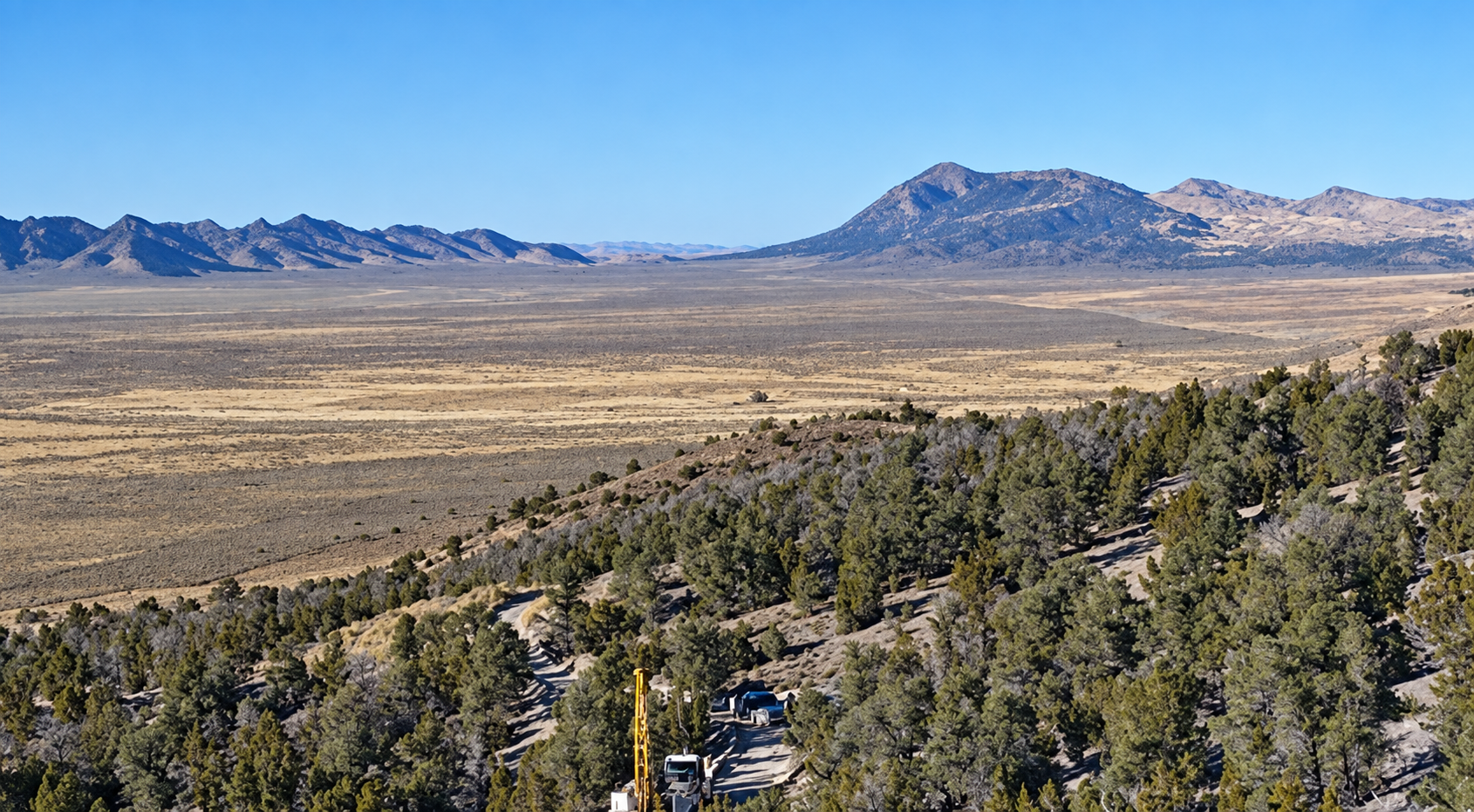
The company emphasises that substantial drilling has been conducted at Swanson historically, though most historical work is capped at approximately 350 meters depth. Current drilling programs focus on depth extensions between 350 and 500 meters, with early indications showing continued mineralisation. This aligns with typical Abitibi geology where mineralisation often extends to considerable depth. Management targets reaching one million ounces within their project portfolio through continued drilling at Swanson and advancement of satellite deposits including Bartech and Jolin.
Understanding regional geology is critical to evaluating the company's claims. Ténière explains that average grades across the southern Abitibi region, from Val-d'Or to beyond, typically range from two to three grams per tonne. The Swanson deposit fits this profile as a bulk-mineable target rather than a narrow vein deposit. While this may appear modest compared to high-grade underground operations, it reflects the geological reality of the district and supports lower-cost mining scenarios. Higher-grade intervals of eight to ten grams over several meters exist within the deposit, providing grade flexibility for mill feed blending.
Existing Mill Infrastructure Provides Strategic Advantage
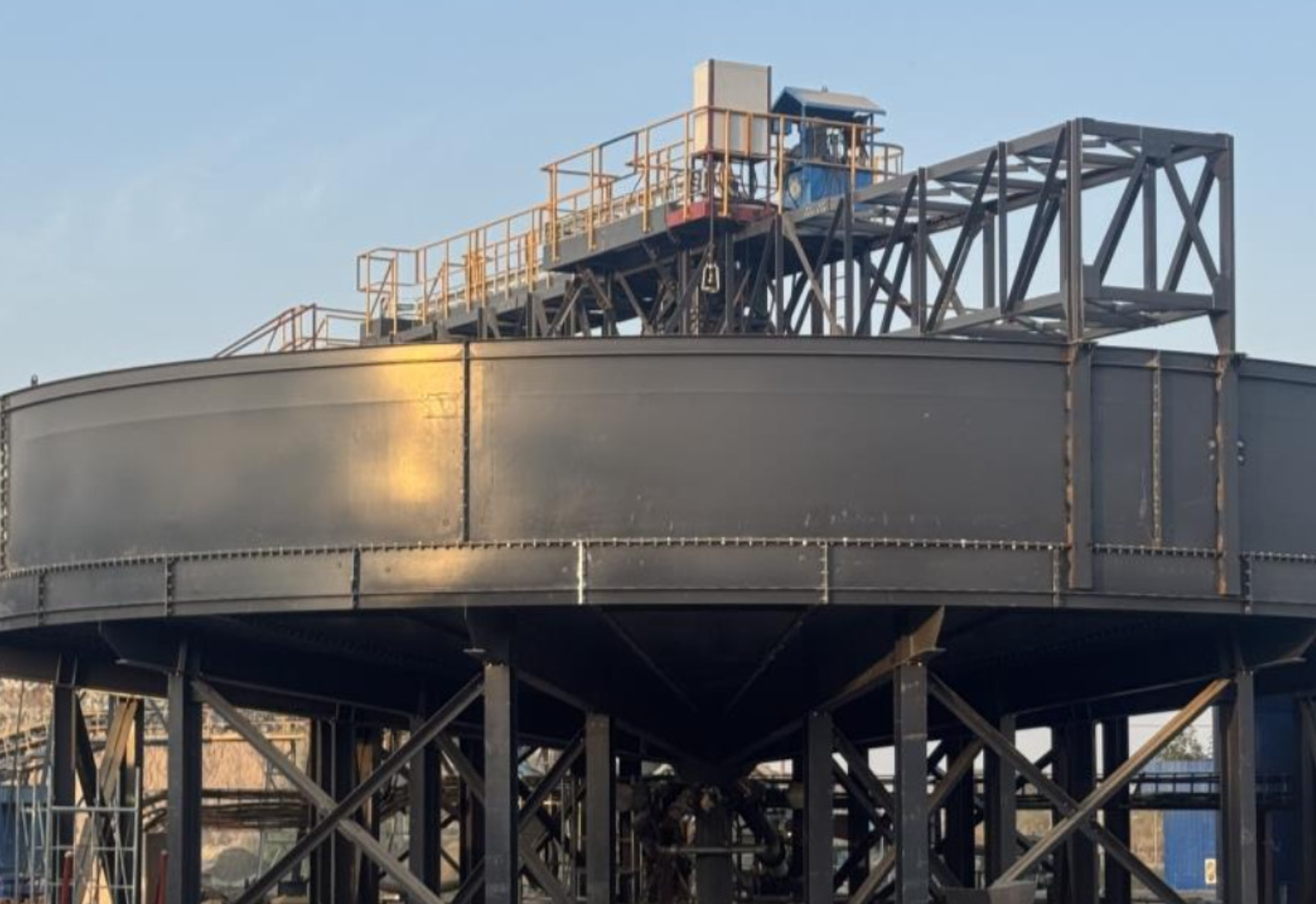
The Beacon Mill represents a strategic asset that differentiates Lafleur from pure exploration companies. The mill underwent complete refurbishment prior to the company acquiring it and is currently in recommissioning following care and maintenance. The facility has a nameplate capacity of 750 tonnes per day, but management believes achievable throughput is higher with appropriate modifications.
Short-term upgrades can increase capacity to 1,250 tonnes per day, while longer-term expansions could reach 3,000 to 4,000 tonnes per day. These expansion scenarios were previously studied by Monarch Mining when they controlled the asset. The crushing, grinding, and conveyor systems offer optimisation opportunities that were identified but never implemented. The facility processed ore from the Beaufor mine during Monarch's brief operational period, providing recent production data.
Metallurgical characteristics favor the Swanson deposit due to low arsenopyrite content compared to Beaufor and other regional deposits. This eliminates the need for additional processing steps to handle high arsenic, as the mill was not originally designed for such treatment. Current metallurgical test work through SGS will provide updated recovery data, though historical work by Newmont (then Newmont Mining Corporation) approximately 15 years ago offers baseline information.
Interview with Paul Ténière, CEO of Lafleur Minerals Inc.
Accelerated Development Through Existing Permits
The accelerated development timeline hinges on existing permits and infrastructure. Swanson sits on an existing mining lease, substantially reducing permitting timelines compared to greenfield projects. The company has maintained ongoing dialogue with Quebec government authorities for nearly a year, with regulators requesting the PEA results before finalising mine plan approvals.
Two critical regulatory submissions are underway: an updated mine plan for the mining lease and a closure/remediation plan. The closure plan is being prepared with assistance from environmental specialists and is expected for completion by spring 2026. Once these documents receive approval, the company can proceed with stage one operations.
The initial mining program is structured as a 100,000-tonne bulk sample that will run approximately six months to one year. This approach serves multiple purposes: generating revenue, validating the mine plan across all major zones, confirming metallurgical assumptions, and derisking the transition to full production. The bulk sample will target core areas of the deposit with low strip ratios, though management emphasises they will mine across all major zones rather than selectively high-grading.
On the mill side, maintenance work on the tailings storage facility is scheduled for spring when snow melts. The existing tailings facility was constructed in the late 1980s for the original Beacon underground mine and has seen minimal use over subsequent decades. The facility has capacity for over nine years at current throughput projections and is fully permitted. A geotechnical engineer of record is overseeing all tailings work to ensure regulatory compliance.
Multiple Pathways to Finance Initial Production
Management is evaluating multiple financing pathways for the $30 million initial capital requirement. This figure includes ongoing mill recommissioning work (already funded), additional capacity upgrades, and mining capital for Swanson. The company is in discussions regarding offtake agreements, with several parties having approached them following the PEA release. A financing structure combining offtake and equity appears likely, though management is also considering merger and acquisition scenarios that could bring both cash and additional projects.
The advantage of the staging approach is that mill recommissioning proceeds independent of financing for full-scale production. The company can begin processing test material and running the mill while finalising production financing. This reduces execution risk and provides flexibility in capital markets timing.
Transportation logistics factor into the capital equation. For the bulk sample phase, trucking is economical given the relatively small tonnage and low trucking costs in the Abitibi region. However, the company is actively engaged with Canadian National Railway regarding long-term rail solutions. Rail infrastructure runs through the project area and also services the mill site. While rail requires upfront investment in sidings and route modifications, it offers lower operating costs and reduced environmental impact. Discussions with CN are advanced, as the railway operator seeks to capture market share from trucking in a region experiencing significant mining expansion.
Regional Processing Hub Addresses District Capacity Shortage
The strategic rationale extends beyond Swanson as a standalone project. Lafleur is pursuing a hub-and-spoke model with Beacon as a regional processing center. This strategy responds to changing dynamics in the Abitibi-Témiscamingue mining district. Major producers that previously offered third-party custom milling have shifted focus toward acquiring projects to feed their own mills. This creates opportunity for mid-tier processors like Lafleur.
As Ténière observes: All the majors right now their mills did have some capacity about a year ago. That's changed. The majors are now prioritising internal feed sources over custom milling arrangements, creating a gap that few regional mills can fill. Beacon's location and capacity position it to serve multiple junior producers and advanced-stage projects in the area.
The company has engaged in discussions with numerous project operators in the vicinity over the past year. Some projects are close to production but awaiting final mine permits, making them potential acquisition targets or toll milling clients. Others lack mill access entirely and may never build standalone facilities. The release of the PEA serves as a signaling mechanism, demonstrating to potential partners what Beacon's capacity looks like and what expansion scenarios are feasible.
Internally, Lafleur is advancing satellite deposits within its own portfolio. Bartec and Jolin gold deposits have returned encouraging drill results and could be incorporated into the resource inventory relatively quickly. The company plans continuous drilling through 2026 to expand resources while simultaneously pursuing external opportunities. If successful in building a larger resource base through internal drilling and external acquisitions, the major mill expansion to 3,000-4,000 tonnes per day becomes economically justified.
Derisking Production Through Bulk Sample Approach
The operational approach balances speed-to-production with technical diligence. Management characterises the PEA as a "hybrid" due to the unusual level of detail for a preliminary study. They have obtained specific trucking quotes, engaged with CN on rail costs, and incorporated considerable historical data. Past production at Beacon provides benchmarks for processing costs and throughput assumptions.
The mining scenario employs contractors initially, managed by Lafleur's team. Management has reached out to operators and trucking companies to validate cost assumptions in the PEA. The open pit mine plan is relatively straightforward given the deposit geometry and the experience level of their engineering consultants at ERM. The starter pit focuses on low strip ratio areas in the deposit core before expanding to a larger pit that may ultimately require rail transportation to be economically optimal.
Understanding the bulk sample as essentially a large metallurgical test is key to evaluating execution risk. The company will process 100,000 tonnes across all major deposit zones, retaining 100% of gold revenues while systematically testing mining and processing assumptions. This generates cash while validating flowsheets, grinding characteristics, and recovery rates across different ore types. If issues emerge, they can be addressed before committing to full-scale production.
The current SGS metallurgical program will provide updated test data within one to two months, ahead of bulk sample commencement. This work will be incorporated into final mine planning. Existing stockpile from the Beaufor mine on site enables initial mill test runs before Swanson ore arrives. While Beaufor ore has different characteristics, both deposits are relatively low in arsenopyrite, making them broadly comparable for circuit testing.
Building a Multi-Asset Regional Producer
Looking beyond initial production, management envisions Lafleur as a multi-asset producer with Beacon serving as a regional processing hub. The seven-year mine life at Swanson based on current resources represents a starting point rather than a limit. Depth extensions, satellite deposits, and potential acquisitions all offer resource growth. The company has explicitly stated its goal of reaching one million ounces, which would support significantly longer mine life or higher throughput rates.
Custom milling presents a parallel growth avenue. Inquiries about processing capacity have increased following the PEA release, as other companies seek to understand Beacon's capabilities. The mill expansion studies that Monarch previously conducted provide a roadmap for capacity increases. Permitting a tailings expansion and larger mill throughput are now part of the company's planning horizon.
The regional context supports this strategy. Over 150 kilometers of the Abitibi belt is seeing active development, creating transportation challenges and mill capacity constraints. Many communities along the haul route, including Val-d'Or, Rouyn-Noranda, and Malartic, are concerned about increased truck traffic. Rail emerges as a preferred solution from both community and environmental perspectives. Lafleur's rail access and willingness to invest in rail infrastructure position them favorably as a regional solution provider.
The Investment Thesis for Lafleur Minerals
- Near-term production catalyst with end-2026 target leveraging existing mining lease, permitted tailings facility, and operating mill infrastructure, dramatically reducing development timeline and execution risk compared to greenfield projects
- Attractive project economics delivering 65% IRR and $1,569/oz AISC with substantial leverage to gold prices above the $2,750/oz base case, positioning the operation in the lower cost quartile
- Asset-backed valuation opportunity with $101M NPV from PEA significantly exceeding current market capitalisation, suggesting meaningful rerating potential as development milestones are achieved
- Resource growth runway through systematic depth extensions beyond historical 350m drilling, satellite deposit advancement (Bartec,Jolin gold deposits), and potential acquisitions targeting 1M ounce milestone from current 200K+ base
- Strategic infrastructure advantage with Beacon Mill as scarce regional processing asset as major producers withdraw from third-party milling, creating hub-and-spoke model optionality and custom milling revenue streams
- Capital efficiency from modest $30M initial capex, multiple financing pathways including offtake and M&A scenarios, and staged approach generating early cash flow from bulk sample reducing equity dilution risk
- Operational flexibility with mill capacity expandable from 750 tpd to 1,250 tpd near-term and 3,000-4,000 tpd longer-term, allowing throughput scaling as resource base grows without major capital redeployment
- Regional tailwinds from Abitibi-Témiscamingue district expansion creating mill capacity shortage, rail infrastructure providing cost and environmental advantages, and M&A opportunities as juniors seek processing solutions
- De-risked metallurgy with low arsenopyrite content simplifying processing, historical production data from Beacon Mill, ongoing SGS test work, and bulk sample program validating assumptions before full production commitment
- Management optionality balancing standalone development with hub-and-spoke expansion, M&A possibilities combining cash and projects, and scalability that positions company for multiple value realisation pathways
Macro Thematic Analysis:
The elevation of gold prices to sustained levels above $5,000 per ounce fundamentally alters the economics of deposits that would have been marginal or sub-economic in previous pricing environments. Lafleur Minerals exemplifies this dynamic, with CEO Paul Ténière noting that smaller deposits several years ago perhaps might not have economic value, but at current gold prices they absolutely can make a lot of money. This repricing effect extends across the junior mining sector, particularly benefiting projects with existing infrastructure that can accelerate into production. The strategic implications reach beyond individual project economics: regional processing capacity becomes increasingly valuable as marginal deposits proliferate. Lafleur's hub-and-spoke model positions them to capture value both from their own resources and from third-party processing, creating multiple revenue streams in a strengthening gold price environment.
TL;DR:
Lafleur Minerals is advancing a near-term gold production opportunity in Quebec's Abitibi region with compelling economics: $101M NPV, 65% IRR, and $1,569/oz costs targeting end-2026 production. The strategic advantage lies in existing infrastructure: a permitted mill, mining lease, and rail access combined with a hub-and-spoke model capturing value as major producers withdraw from third-party processing. With $30M initial capex, 200,000+ ounce resource expandable to 1M+ target, and multiple financing pathways, the company offers leveraged exposure to gold prices with reduced development risk.
FAQ's (AI Generated)
The majority of resources are indicated with extensive historical drilling. Existing mining lease, past production data, and staged bulk sample approach derisk the economics while existing infrastructure enables faster production timeline than typical greenfield development.
Major producers have reduced third-party milling capacity while district expansion continues. Beacon Mill's location and expandability position it to serve multiple producers through custom milling, creating additional revenue streams while justifying larger mill capacity upgrades.
Existing permitted infrastructure including mill, tailings facility, mining lease, and rail access dramatically compresses development timeline. Lower arsenopyrite content simplifies processing. Modest $30M capex and end-2026 production target provide near-term catalysts unavailable to exploration-stage peers.
Management is evaluating offtake agreements, equity raises, and M&A scenarios. Staged approach with mill recommissioning proceeding independently of production financing provides flexibility. Potential combinations with companies having cash and complementary projects are under consideration.
Current drilling extends depth beyond the historical 350m limit with early positive results. Satellite deposits Bartec and Jolin gold deposits offer near-term additions. External acquisitions of advanced projects provide step-change growth. Management targets 1M ounce from the current 200K+ base.
Analyst's Notes





Subscribe to Our Channel



Stay Informed