




Atlas Salt Clears Final Regulatory Conditions, Commences Site Preparation at Great Atlantic


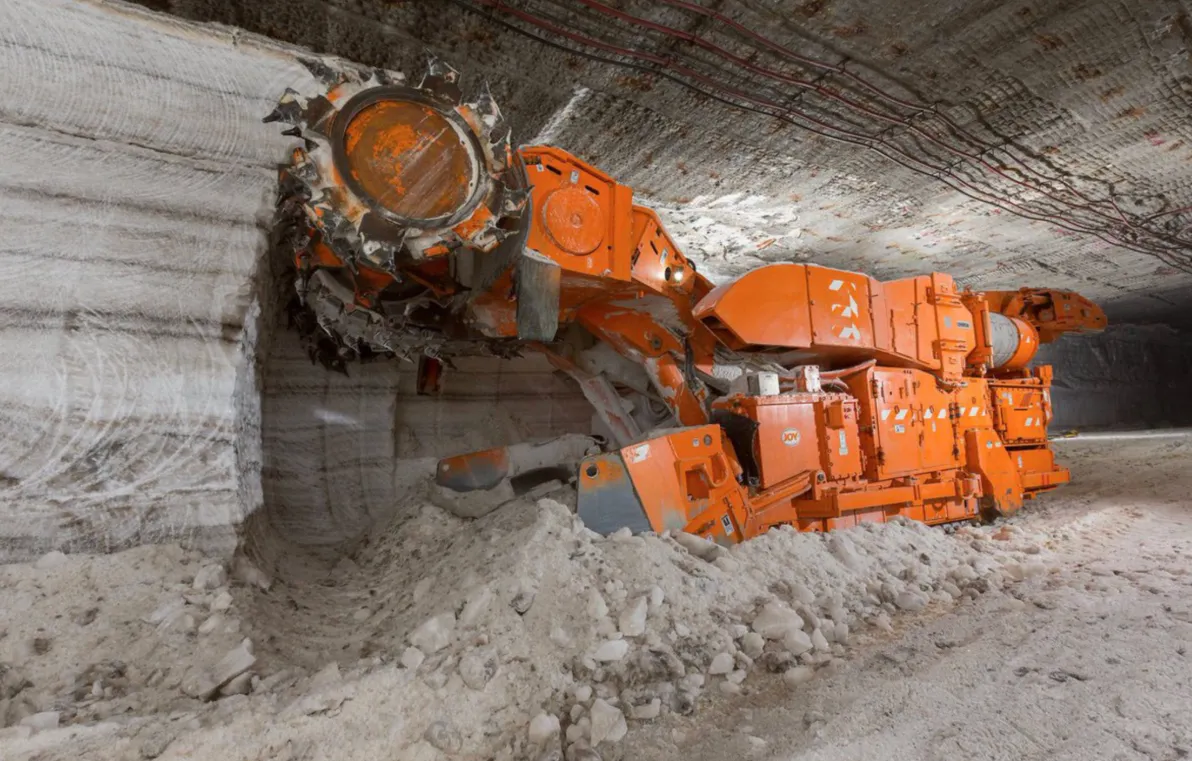
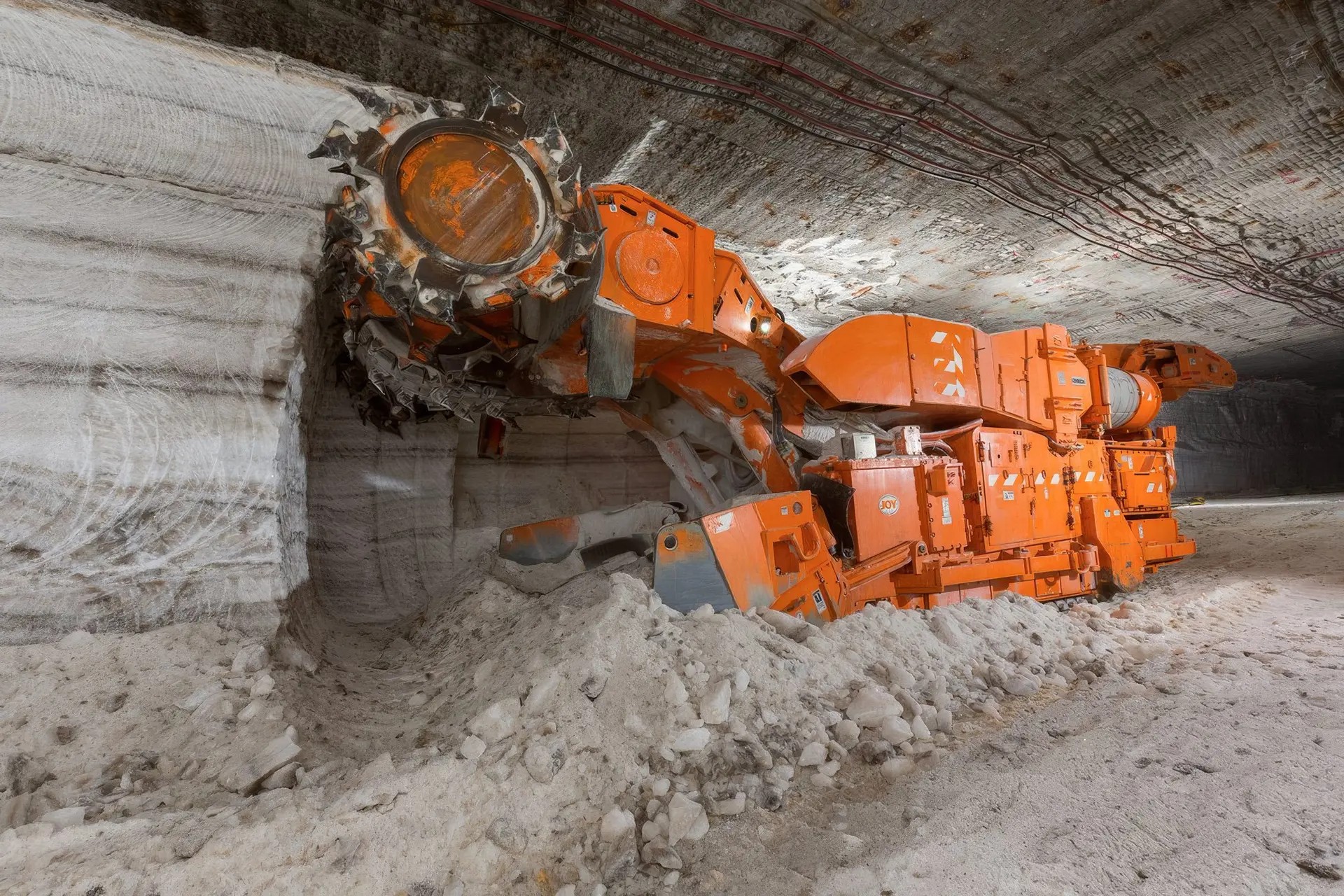
Atlas Salt clears EA conditions and begins site prep at Great Atlantic, advancing toward construction and a planned project financing package.
- Atlas Salt Inc. has cleared all applicable Environmental Assessment (EA) conditions, executed a Benefits Agreement supporting local hiring, procurement, and community benefits with the Province of Newfoundland and Labrador, and received a formal Letter of Release, enabling immediate land clearing and site preparation at the Great Atlantic Salt Project.
- The 2025 Updated Feasibility Study (UFS) returned an after-tax net present value at an 8% discount rate (NPV8%) of $920 million, an after-tax internal rate of return (IRR) of 21.3%, an after-tax payback of 4.2 years, and a life-of-mine (LOM) average annual post-tax free cash flow (FCF) of $188 million over a 24.3-year mine life.
- Probable reserves stand at 95 million tonnes grading 95.9% sodium chloride (NaCl), with an inferred resource of 868 million tonnes grading 95.2% NaCl; the deposit sits at approximately 180 metres below surface, accessible via a decline rather than shaft-sinking.
- Strategic agreements in place include a memorandum of understanding (MOU) with Scotwood Industries targeting 1.25 to 1.5 million tonnes per annum (Mtpa) of offtake, a $132 million MOU with Sandvik for mining equipment and engineering support, and Hatch appointed as Lead Engineering Partner.
- The company's current enterprise value is stated at $95.5 million against an NPV8% of $920 million, highlighting the gap between current valuation and feasibility study (FS) estimates as the company advances financing.
Regulatory Approvals & Site Commencement
Atlas Salt Inc. (TSXV:SALT) has satisfied all applicable Environmental Assessment (EA) conditions and commenced permitted land clearing and site preparation at the Great Atlantic Salt Project near St. George's, Newfoundland and Labrador, a step that advances the project toward construction and precedes a planned project financing package.
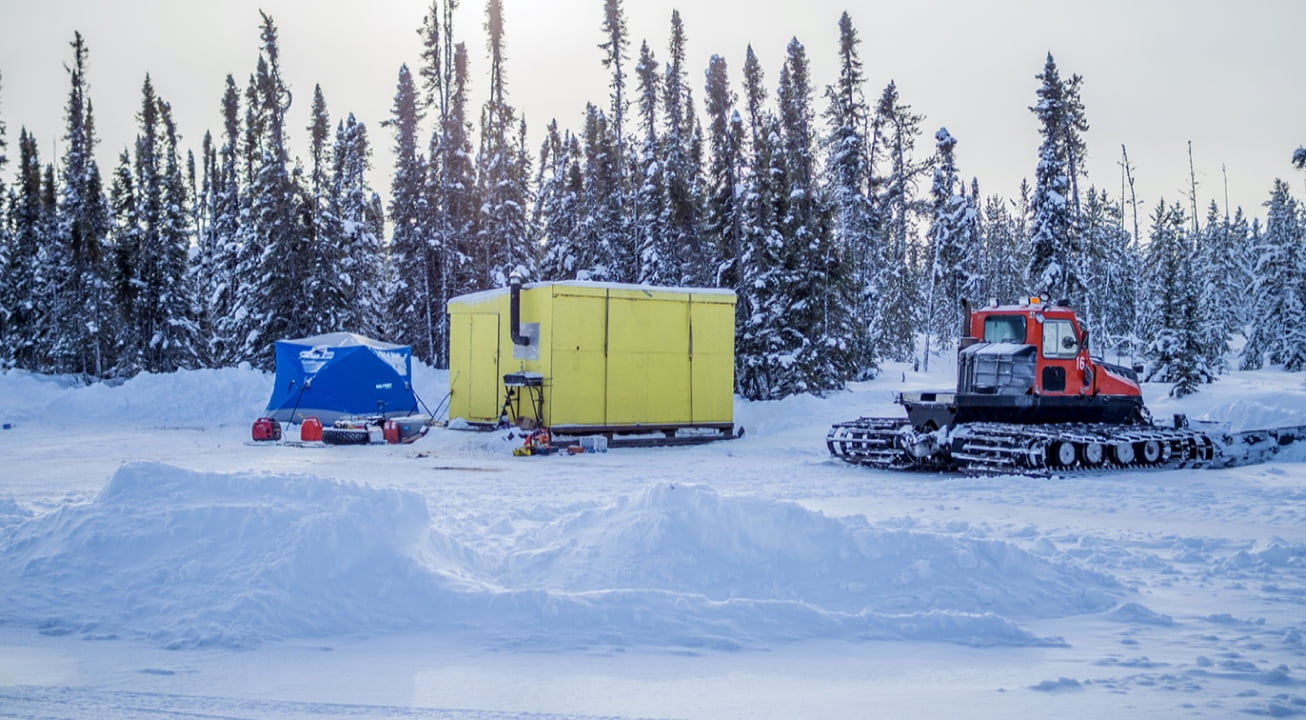
Three approvals cleared the path to physical site work. The Early Works Development Plan and associated environmental management plans covering construction, water, and waste received approval from the Government of Newfoundland and Labrador. The company also executed a Benefits Agreement with the Province following Cabinet-level approval, establishing a framework for local hiring, procurement, and community benefits through construction and operations. Atlas Salt then received a formal Letter of Release confirming EA conditions had been met. Initial activities on site include land clearing and site preparation to establish the mine footprint and support subsequent construction phases.
Feasibility Study Economics & Valuation Gap
The Great Atlantic Salt Project is designed for 4 million tonnes per annum nameplate production capacity, described by the company as North America's first new salt mine in nearly three decades. The project sits approximately 2 kilometres from the Turf Point deep water port, with the Trans-Canada Highway and St. George's substation in close proximity.
The 2025 Updated Feasibility Study (UFS), completed in September 2025, returned an after-tax net present value at an 8% discount rate (NPV8%) of $920 million, an after-tax internal rate of return (IRR) of 21.3%, a pre-production capital expenditure (capex) of $589 million, and a life-of-mine (LOM) average annual post-tax free cash flow (FCF) of $188 million over a 24.3-year mine life. Operating cost is stated at $28.2 per tonne shipped at a base salt price of $81.67 per tonne.
The project's current enterprise value is stated at $95.5 million against an NPV8% of $920 million, highlighting the gap between current valuation and feasibility study (FS) estimates as the company advances toward a financing close. Endeavour Financial has been engaged for project finance, with the company targeting a debt-weighted structure.
Deposit & Resource Base
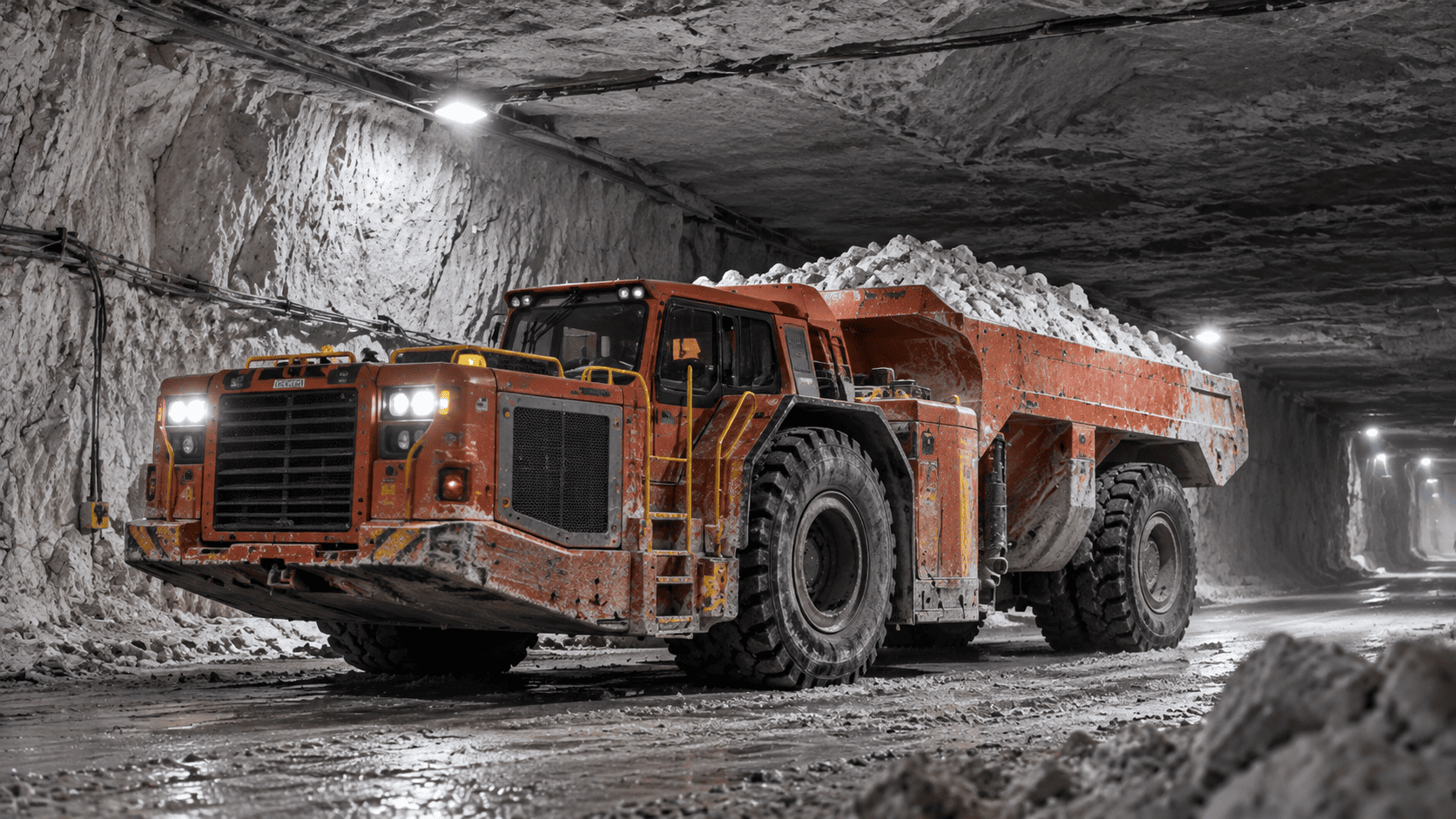
The Great Atlantic Salt deposit holds probable reserves of 95 million tonnes grading 95.9% sodium chloride (NaCl), with an indicated resource of 383 million tonnes grading 96% NaCl and an inferred resource of 868 million tonnes grading 95.2% NaCl. The deposit sits at approximately 180 metres below surface, accessible via a decline. Resource modelling indicates an average thickness of 200 metres, ranging from 68 metres to 340 metres.
Chief Executive Officer of Atlas Salt, Nolan Peterson, outlined why the deposit carries a different risk profile from conventional mines:
"We don't have those bottom three risks: metallurgical, block model geology, stakeholder, and permitting. We have no metallurgy on our project. Salt deposits are very easy to define, and permitting is advanced on this project. As you know, we have an improved environmental assessment."
Strategic Agreements & Path to Financing
Atlas Salt has secured a memorandum of understanding (MOU) with Scotwood Industries, the largest distributor of packaged retail de-icing salt in the US, targeting volumes of 1.25 to 1.5 million tonnes per annum. A separate MOU with Sandvik covers mining equipment and engineering support valued at $132 million. Hatch has been appointed Lead Engineering Partner and Integrated Project Delivery Partner under a third MOU.
The company places the pre-project finance through on the Lassonde Curve, with a 2030 production target and outstanding milestones that include securing a financing package, obtaining remaining permits, and securing potential additional offtakes.
Peterson described what securing financing would signal about the project's risk profile:
"We have to prove it right. We have to show that all of that limited risk that we believe is the case will be reflected when we get financing, which we have always said is typically not available to typical mining sector companies because production is too volatile, commodity prices are too volatile. If we convince lenders that that's the case, then we'll get the money, and that will be a reflection of how the risk is actually much lower."
North American Salt Supply & Import Dependence
North America imports 8 million to 10 million tonnes per annum of de-icing salt annually from Egypt, Chile, the Caribbean, and Mexico, per the 2025 UFS. The United States Geological Survey records 67.5 million tonnes of salt imported to the US from 2020 to 2023. Atlantic Canada, Quebec, and the US East Coast collectively consume 11 million tonnes per annum to 16 million tonnes per annum of road salt annually. The North American de-icing salt market is estimated at 28.5 million tonnes to 36 million tonnes per year, representing $2.3 billion to $2.9 billion. Newfoundland & Labrador was rated the 9th best mining jurisdiction globally by the Fraser Institute in 2025, based on mineral content and government policy alignment.
FAQs (AI-Generated)
Analyst's Notes





Subscribe to Our Channel




Stay Informed


