




Lifezone Metals: A Strategic Play on Critical Supply Chain Security



Lifezone Metals advances Kabanga nickel project in Tanzania with 52.2Mt reserves, $1.58B NPV, U.S. government support, targeting 2026 final investment decision for 2027 production.
- Lifezone Metals owns 84% of the Kabanga Nickel Project, one of the world's largest development-ready nickel sulfide deposits with 52.2 Mt of proven and probable reserves grading 1.98% nickel
- The project offers first-quartile economics with an all-in sustaining cost of $3.36/lb nickel and robust returns including $1.58 billion after-tax NPV and 23.3% IRR
- Strategic U.S. government backing through DFC engagement and bipartisan support positions the company as a critical metals supplier for defense, AI, and energy transition industries
- Development financing is progressing with $60 million bridge facility secured and project finance discussions advancing with multiple international parties
- Final Investment Decision expected in 2026 with production timeline targeting first concentrate by Q4 2027 and full 3.4 Mtpa capacity by Year 4
As global supply chain vulnerabilities become increasingly apparent, investors are seeking exposure to companies positioned to address critical material shortages. Lifezone Metals Limited (NYSE: LZM) represents a compelling investment opportunity in the strategic metals sector, offering direct exposure to nickel, copper, and cobalt through its flagship Kabanga project in Tanzania. With Chinese interests dominating 64% of global nickel production, primarily through Indonesian operations, Western-aligned alternatives have gained strategic importance for investors focused on supply chain diversification.
Company Overview
Lifezone Metals operates as a development-stage mining company focused on critical metals production through its hydrometallurgical technology platform. The company's primary asset, the Kabanga Nickel Project in Tanzania, represents one of the world's most significant undeveloped nickel sulfide deposits. According to the July 2025 Feasibility Study, the project contains 52.2 million tonnes of proven and probable mineral reserves grading 1.98% nickel, 0.27% copper, and 0.15% cobalt on a 100% basis.
The company maintains an 84% ownership stake in Kabanga, with the Government of Tanzania holding the remaining 16% through a strategic partnership arrangement. This ownership structure provides Lifezone with full operational control and 100% offtake rights while maintaining strong host government support. The project has achieved significant milestones including completion of feasibility studies, securing of special mining licenses, and advancement through environmental and social impact assessments.
Beyond Kabanga, Lifezone is developing a platinum group metals recycling facility in the United States through a partnership with Glencore. This secondary project focuses on recycling critical metals from catalytic converters using the company's proprietary hydrometallurgical technology, targeting a Final Investment Decision in Q1 2026.
Key Developments
Recent corporate achievements have positioned Lifezone for potential construction commencement. The company completed its feasibility study in July 2025, declaring the first mineral reserves in Kabanga's 50-year history and validating the project's technical and economic viability. The study confirmed an 18-year mine life with 3.4 million tonnes per annum steady-state production and pre-production capital requirements of $942 million.
Financing initiatives have gained momentum with the closure of a $60 million bridge loan facility from Taurus Mining Finance in September 2025. This short-term facility enables early development activities while the company advances discussions for long-term project financing. Standard Chartered Bank is leading the strategic financing process, with expressions of interest received from multiple development finance institutions, export credit agencies, and commercial lenders.
The company has also strengthened its project ownership position by acquiring additional minority interests, increasing its stake from 69% to 84% through deferred consideration arrangements. This consolidation enhances Lifezone's control over development decisions and offtake strategies while simplifying the ownership structure for potential investors and financing partners.
Strategic Significance
Kabanga's strategic value extends beyond traditional mining economics due to its position in critical mineral supply chains. Nickel ranks as a critical mineral for U.S. energy security, defense applications, and artificial intelligence infrastructure development. The metal's essential role in battery energy storage systems, aerospace superalloys, stainless steel production, and nuclear applications creates diverse demand drivers across multiple growth sectors.
Geopolitical considerations further enhance the project's strategic importance. With Indonesian production dominated by Chinese-backed investments and processing facilities, Western economies face potential supply disruption risks. Kabanga offers an alternative supply source aligned with Western interests, supported by U.S. development finance institutions and Japanese government agencies through JOGMEC partnerships.
The project's economics compare favorably against global benchmarks. According to analysis referenced in the feasibility study, Kabanga positions in the first quartile of the global nickel cost curve with all-in sustaining costs of $3.36 per pound of payable nickel net of copper and cobalt credits. This cost advantage, combined with high-grade mineralization averaging 1.98% nickel, provides competitive positioning against both sulfide and laterite producers globally.
Current Activities
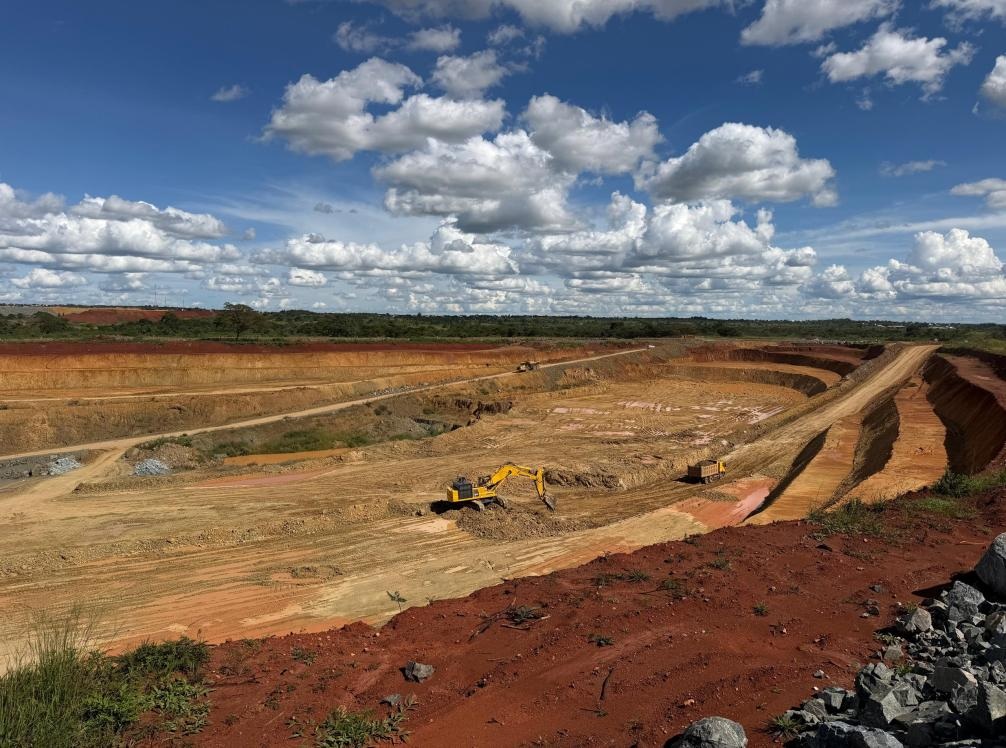
Development activities are accelerating toward Final Investment Decision targeted for 2026. The company's board has approved commencement of execution readiness phases, including advancement of remaining permitting requirements, commercial tender processes, and technical work supporting construction planning. Site preparation activities and infrastructure development coordination with Tanzanian authorities are progressing according to feasibility study timelines.
Project financing discussions are advancing through multiple channels. Societe Generale leads the project finance mandate with meaningful interest expressed by potential lenders including the U.S. Development Finance Corporation. The financing structure contemplates a diversified approach incorporating development finance institutions, export credit agencies from Europe and Japan, and commercial bank participation, often linked to offtake arrangements.
Strategic partnership discussions continue with major mining companies, sovereign wealth funds, and private equity groups. The company has received multiple non-binding expressions of interest and term sheets, with due diligence processes including site visits completed in August 2025. Management indicates all strategic options remain under evaluation, including potential asset-level changes of control that could accelerate development timelines.
Financial Position & Outlook
Lifezone maintains a focused financial profile centered on Kabanga development. As of June 2025, the company reported $25.9 million in cash including net proceeds from its November 2025 equity offering. The $60 million bridge facility provides additional liquidity for near-term development activities while long-term project financing arrangements advance.
The feasibility study projects robust project economics with life-of-mine revenue of $14.1 billion and after-tax free cash flow of $4.6 billion over the 18-year mine life. These projections utilize consensus commodity pricing of $8.49/lb for nickel, $4.30/lb for copper, and $18.31/lb for cobalt. The project's high capital efficiency ratio of 1.4x (NPV/pre-production CAPEX) compares favorably against industry benchmarks for similar-scale developments.
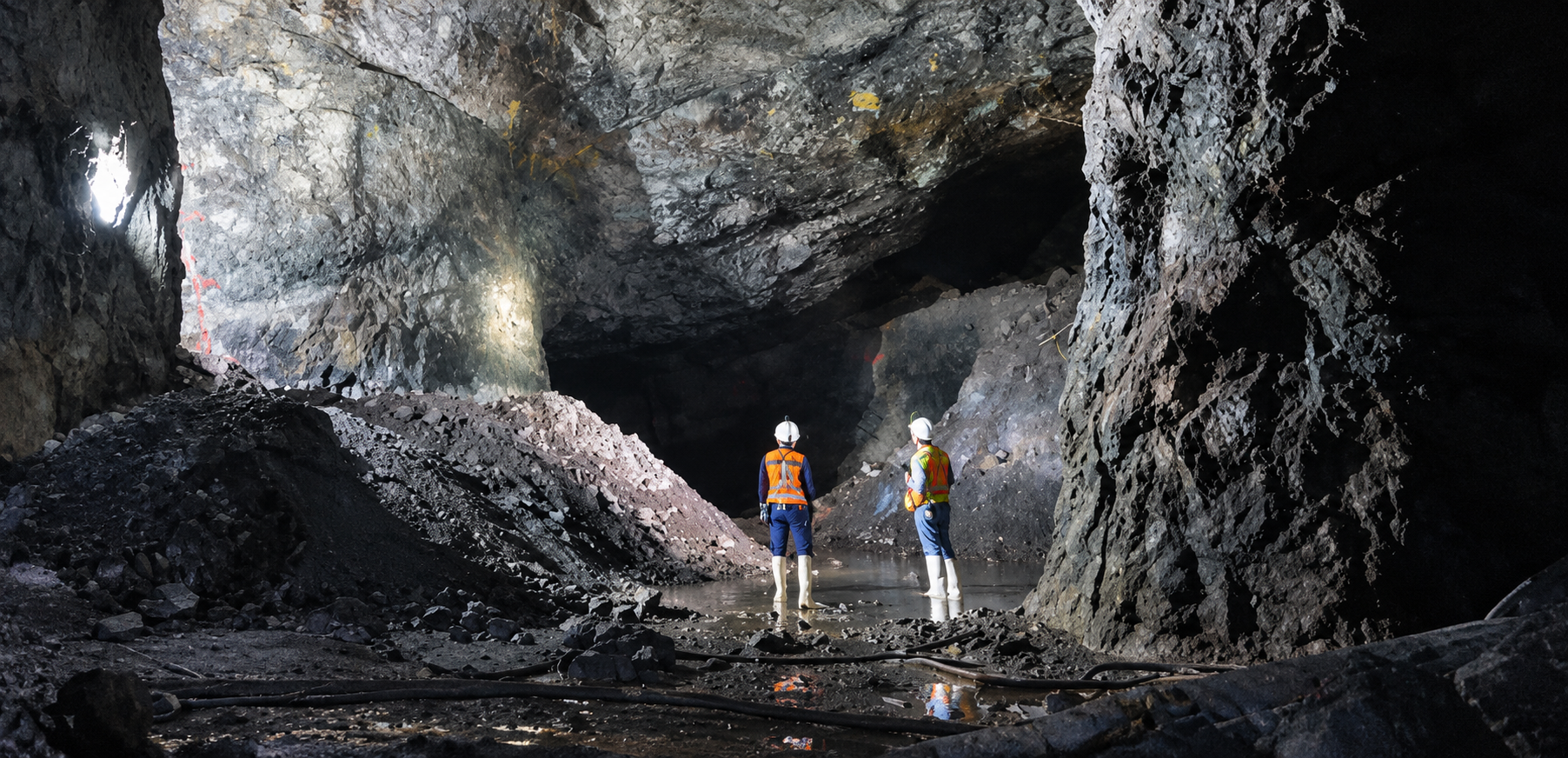
Production scheduling targets initial concentrate production in Q4 2027 with ramp-up to full 3.4 Mtpa throughput capacity by Year 4 of operations. The mine plan incorporates both underground mining of high-grade massive sulfide zones and ultramafic mineralization, with conventional flotation processing and concentrate production for export to international smelters.
The Investment Thesis for Lifezone Metals
- Diversify into Western-aligned critical metals producers as China dominates 64% of global nickel supply through Indonesian operations
- Target low-cost producers with AISC below $4.00/lb nickel when commodity prices exceed $9.00/lb for sustained periods
- Consider entry ahead of 2026 Final Investment Decision milestone with production commencing 2027-2028
- Capitalize on U.S. strategic metal initiatives through companies with DFC backing and allied government partnerships
- Monitor exploration results from Safari Link and other high-priority targets potentially adding 17.5-23.5 Mt at 1.9-2.1% nickel equivalent
- Evaluate companies developing alternative processing technologies for metals recycling and efficiency improvements
Lifezone Metals presents a development-stage investment opportunity with exposure to critical metals supply chain themes while maintaining operational control of a globally significant nickel deposit. The convergence of strategic government support, robust project economics, and advancing development timelines creates multiple catalysts for potential value realization. However, investors should recognize the inherent risks associated with development-stage mining investments including construction execution, commodity price volatility, and geopolitical factors in emerging markets.
The company's strategic positioning within U.S. critical minerals initiatives and potential for production commencement within current development timelines distinguishes it from earlier-stage exploration projects. For investors seeking exposure to energy transition metals and supply chain security themes, Lifezone offers a focused investment vehicle with clear development milestones and established partnerships supporting project advancement.
TL;DR
Lifezone Metals owns 84% of Tanzania's Kabanga nickel project with 52.2Mt reserves, $1.58B NPV, and U.S. government backing, targeting 2026 investment decision and 2027 production start.
FAQs (AI-Generated)
First concentrate production is targeted for Q4 2027 following expected 2026 Final Investment Decision.
The project provides Western-aligned alternative to Chinese-dominated Indonesian nickel supply chains..
$1.58 billion after-tax NPV, 23.3% IRR, and $3.36/lb all-in sustaining costs net of credits.
$60 million bridge facility secured with long-term project finance discussions advancing with DFIs and commercial lenders.
U.S. DFC provides anchor support with additional backing from European and Japanese agencies through strategic partnerships.
Analyst's Notes





Subscribe to Our Channel



.png)
.png)





Stay Informed


