




Listing and Active Drilling in Guyana and Uruguay Emerging as New Gold Frontiers


Olive Resource Capital's Derek Macpherson and Samuel Pelaez explain what to check on mining site visits, using Omai in Guyana and Sun Valley in Uruguay.
- Olive Resource Capital's Derek Macpherson and Samuel Pelaez recorded this Compass episode from site visits to Omai Gold Mines in Guyana and Sun Valley Minerals in Uruguay, two of Olive's largest investments.
- Their site-visit checklist covers access and infrastructure, process quality, geological reasoning, land use and line of sight, and community and workforce relationships.
- Omai benefits from a previously cleared brownfield site, six drill rigs running a near-industrial core process and community goodwill that has lasted about 20 years since the old mine closed.
- Sun Valley has filed its final prospectus, received TSXV approval to list as SUNV and counts Kinross Gold as a 14.9% holder, with first drill results the next test.
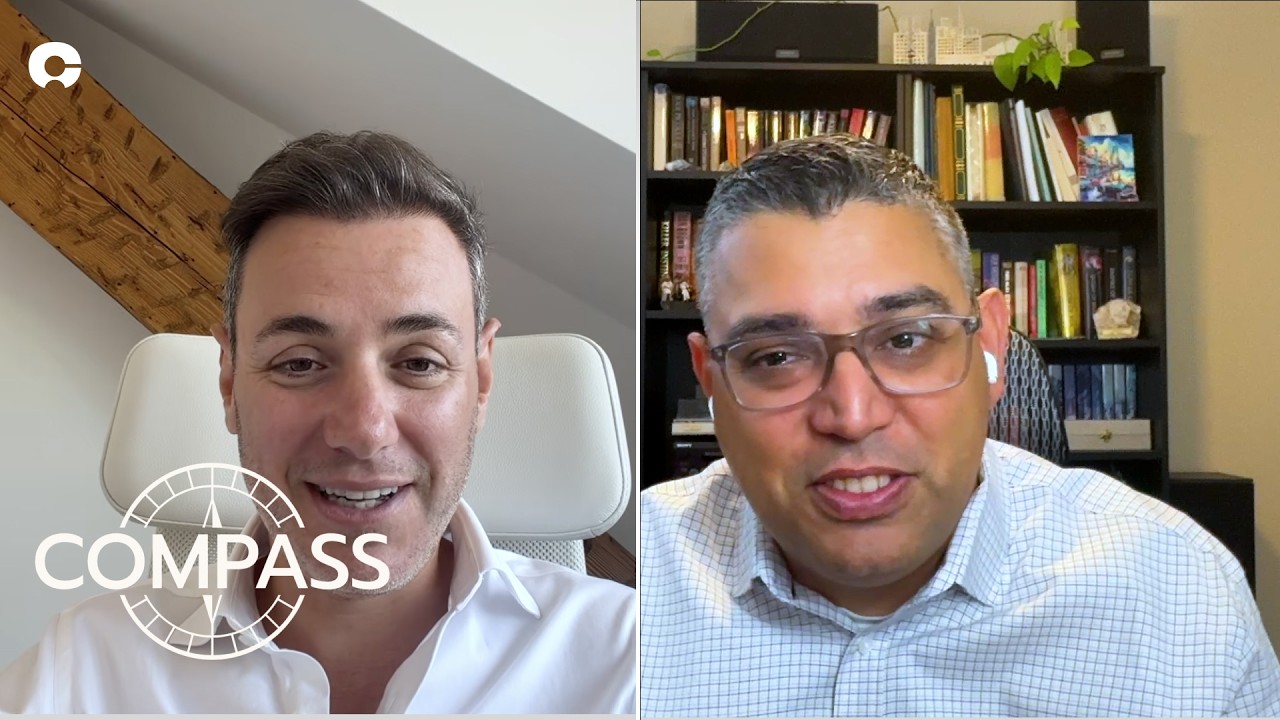
Olive Resource Capital (TSXV:OC) recorded this edition of the Compass on the road. Executive Chairman Derek Macpherson joined from Georgetown, Guyana, after visiting Omai Gold Mines (TSXV:OMG). President, CEO and Chief Investment Officer Samuel Pelaez joined from central Uruguay, near the ground held by Sun Valley Minerals, a private company preparing to list on the TSX Venture Exchange (TSXV). Both companies rank among Olive's largest investments. The episode set out what investors can learn by visiting a project in person. Macpherson is Lead Director of Omai and Pelaez is a director of Sun Valley. Olive and both executives hold positions, and the pair stressed that they are biased and that the discussion was not an investment recommendation.
Access, Logistics & the First Read on a Jurisdiction
Pelaez likened a site visit to studying an object from a distance and moving closer. The first layer is access. Where do visitors fly into, and how do they reach site? Could the existing infrastructure support an industrial operation, or would it need upgrading before production?
Macpherson added that the arrivals hall often shows whether mining matters in a country. In Guyana, mining service providers advertise inside the airport, and the road into Georgetown passes a very large Caterpillar dealership. On one visit to Sonora, Mexico, his group drove past three mines before reaching the project. That kind of evidence confirms that mines get built in a region.
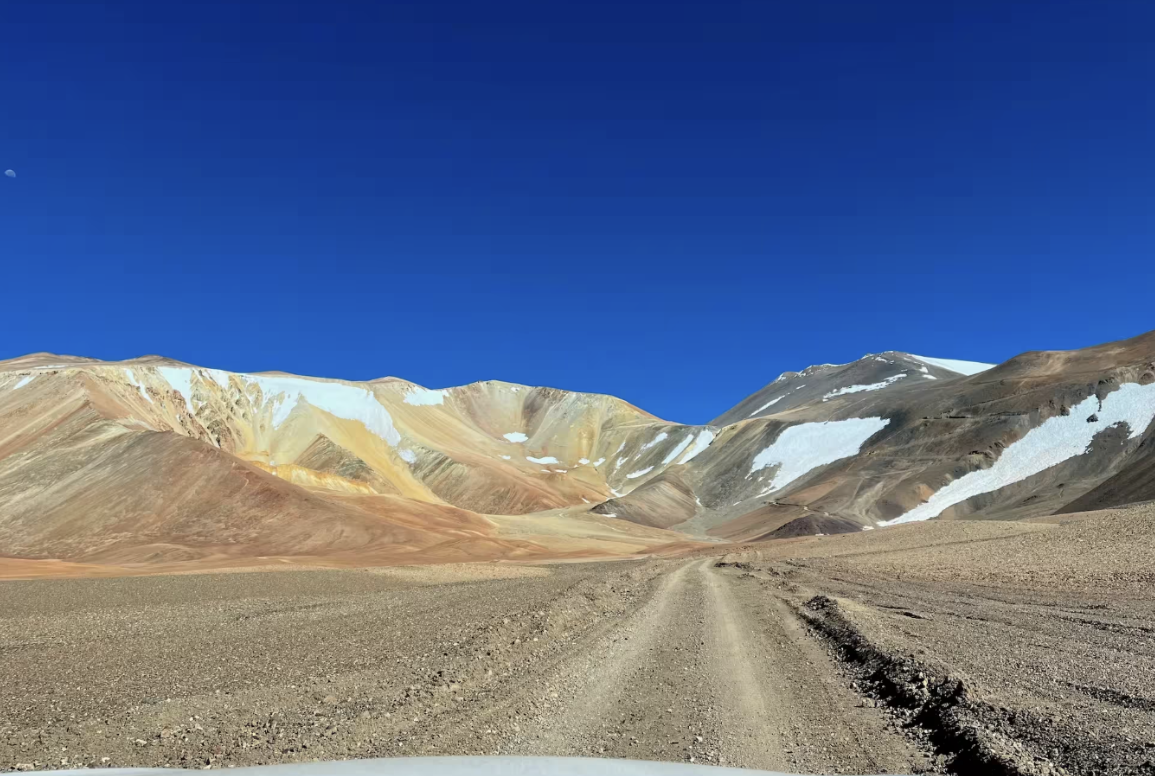
Uruguay is not known for mining, yet Pelaez described pristine infrastructure. Visitors land at an international airport and drive around 200 km on paved roads, with a high-voltage power line beside the highway. The route passes Minas, whose name is Spanish for mines, along with large quarries and cement plants and an old colonial underground gold mine now used for school visits. The project lies about 210 km from the Brazilian border. Brazil, Uruguay and Argentina share a customs union and free movement of labour, giving potential access to trained Brazilian workers and service providers. Macpherson's conclusion was that a lack of recent mining does not mean a jurisdiction is closed to it.
Guyana's Growing Gold Profile
Macpherson estimated that Guyana could host five large-scale gold operations by around 2030, producing about 1.8 million ounces a year, compared with roughly 6.5 million ounces a year from Canada.
The trip also had a political dimension. Macpherson said the Omai team met the President of Guyana to update him on the project and discuss the support the company needs. At events linked to a Canada-Guyana trade mission and a US chamber of commerce gathering, ministers delivered a consistent message. Guyana wants private investment, and the Minister of Natural Resources signalled that the government values mining jobs alongside oil and gas revenue. Macpherson called this very encouraging from a geopolitical point of view.
Uruguay's Sun Valley, Auditing Process
Sun Valley has filed its final prospectus and an updated NI 43-101 technical report and received approval to list on the TSXV under the ticker SUNV. Pelaez expected trading to begin in the last week of October. He was on site to see the drills, review work programmes and go over recent soil sampling and trenching results. Drilling will test the geological model developed by the Vice President of Exploration and the team.
Pelaez described a professional site with very experienced staff for a company of its size, meeting the expectations of the largest mining companies. Some of those companies have visited and invested, and Sun Valley's April 2026 financing announcement confirmed that Kinross Gold maintained a 14.9% ownership interest.
Macpherson argued that small details reveal how a company will operate. Are drill sites clean, and is the core shack organised? Omai now runs six drill rigs on site, up from one or two on his earlier visits. That pace generates large volumes of core, and he was impressed that Omai had turned core handling into something close to an industrial process.
Pelaez framed this as auditing processes. Every visitor, however experienced, sits through the full safety induction, a sign that nobody cuts corners. Before drilling began, Sun Valley set up protocols to handle 3,000 soil samples a month and an in-house laboratory to speed up turnaround, with samples also sent to independent laboratories. Visitors can ask who prepares samples, whether the laboratory can scale and where the bottleneck sits.
"You don't have to be a trained geologist or trained engineer to be able to see through the basics of it, like is this process flow organised? Does it make sense? What is the outcome? I've been doing I've been doing lots of that and I'm extremely satisfied with what I've seen," Pelaez frames.
Testing the Geological Thinking
Site visits give investors rare time with the Vice President of Exploration and the geologists below that level. Macpherson's key test is whether the team can explain to a non-geologist why they are drilling where they are. The point is not to lock in a final model, since interpretations change with data. It is to judge whether the company has thought through the technical case or is racing to drill holes. Strong teams explain openly how their thinking has evolved. Rigid ones risk drilling 30 holes in the wrong direction, only for the next team to turn the rig and hit the mineralisation.
Footprint, Neighbours & Line of Sight
Macpherson recommends finding a high point on site and checking how close the nearest town is. He recalled a South Dakota project near Mount Rushmore, where a colleague checked from the monument's highest viewing point whether the project was visible. It was not. In Mexico, a colleague found a protected church within line of sight of a planned heap leach pit, a risk Macpherson said may be surmountable but is far higher.
At Omai, the view works in the company's favour. The historic mine operated until the mid-2000s, and visitors fly over a jungle before reaching a large clearing. As Macpherson states,
"Guyana is mostly rainforest. And so, the other projects in Guyana are actually carving new areas into the rainforest where they have to go build mines. Well, [Omai] is a disturbed site. It is cleared."
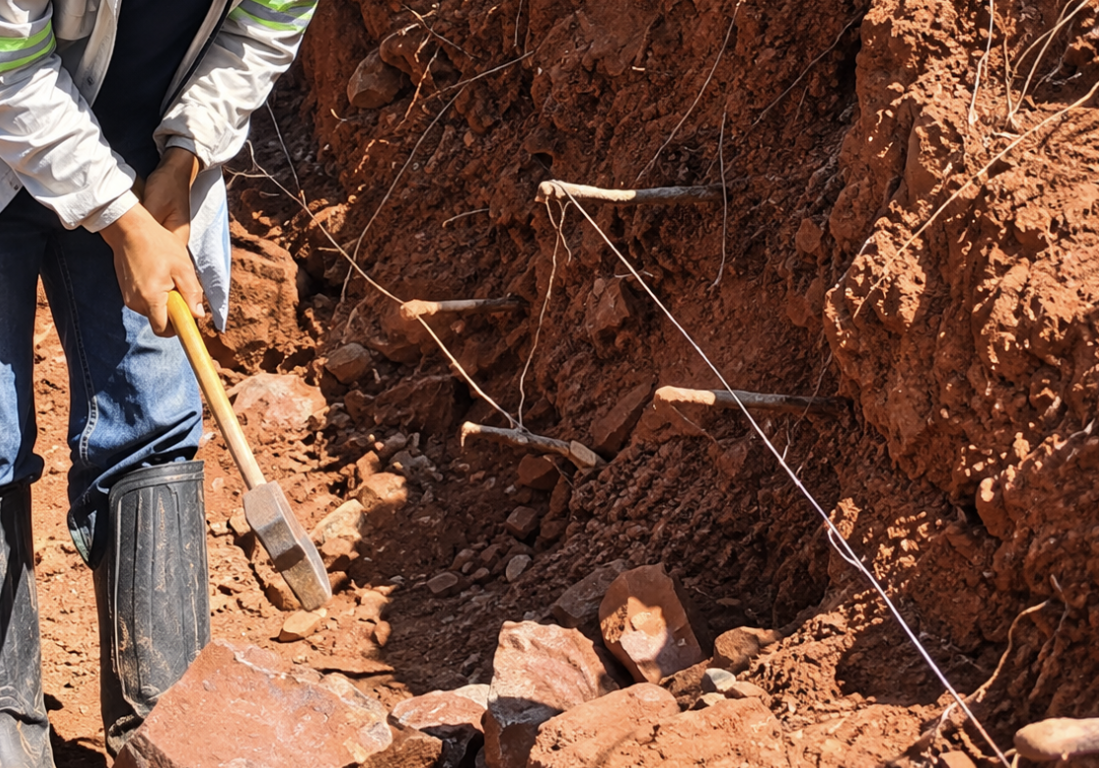
Sun Valley's ground has mostly been used for industrial eucalyptus plantations. Harvest stumps and thin soil already make it unsuitable for food crops, and regrowth screens exploration work from view while limiting noise and dust. The land is mainly owned by large holding companies, and Pelaez said access negotiations have gone well.
Key Takeaways
The episode offered a practical framework for judging junior mining projects. It runs from access and infrastructure, through process quality and geological reasoning, to land use, line of sight and community relationships. Most investors cannot visit, but Macpherson noted that virtual tours, Google Maps and conversations with analysts or newsletter writers who have been to site can answer many of the same questions.
Applied to Olive's two largest holdings, the framework highlights different strengths. Omai benefits from its brownfield status, government support and lasting community goodwill. Sun Valley is earlier in its life, but its expected listing, major-producer backing and established sampling protocols give it a structured start.
Investors should weigh these views against the guests' declared conflicts. For Sun Valley, the tests are the start of trading and first drill results. For Omai, continued assays from six rigs will show whether its geological model keeps building.
TL;DR
Olive Resource Capital's Derek Macpherson and Samuel Pelaez recorded this Compass episode from site visits to two of the fund's largest holdings, Omai Gold Mines in Guyana and Sun Valley Minerals in Uruguay. They set out a checklist any investor can use: access and infrastructure, process quality in the core shack and laboratory, whether geologists can explain their targeting, land use and line of sight, and community and workforce relationships. Omai benefits from a cleared brownfield site, six drill rigs and lasting community goodwill. Sun Valley has filed its final prospectus, received TSXV approval to list as SUNV and counts Kinross Gold as a 14.9% holder. Both guests are directors and shareholders of the companies discussed.
FAQ (AI-generated)
Analyst's Notes





Subscribe to Our Channel





Stay Informed


