Safe Havens, Dwindling Assets: What SSR’s Roxmore Acquisition Means for Gold M&A



SSR Mining agrees to buy Roxmore for C$6.75/share. Olive Resource Capital on the ~US$95/oz price, modest premium and shrinking US gold developer pool.
- SSR Mining has agreed to acquire Roxmore Resources for C$6.75 per share in cash plus shares in a new exploration SpinCo, a deal that remains subject to shareholder and court approval and is expected to close in Q4 2026.
- Roxmore’s Converse project hosts roughly 5.2 million ounces of gold at an average grade of about 0.5 g/t and sits around 6 km from SSR’s producing Marigold mine in Nevada.
- Olive Resource executives estimate the price at roughly US$95 per resource ounce, well below the roughly US$400 per ounce he cites for two other recent large developer takeovers.
- The cash premium of 47% to the 20-day volume-weighted average price was decent but not exceptional, which Olive attributes to a short buyer list and a share price that held up ahead of the announcement.
- With around US$1.78 billion in cash at the end of Q2 2026, SSR retains the capacity for further deals, while Olive expects more takeovers from producers including Centerra, Lundin Gold and Kinross within months.
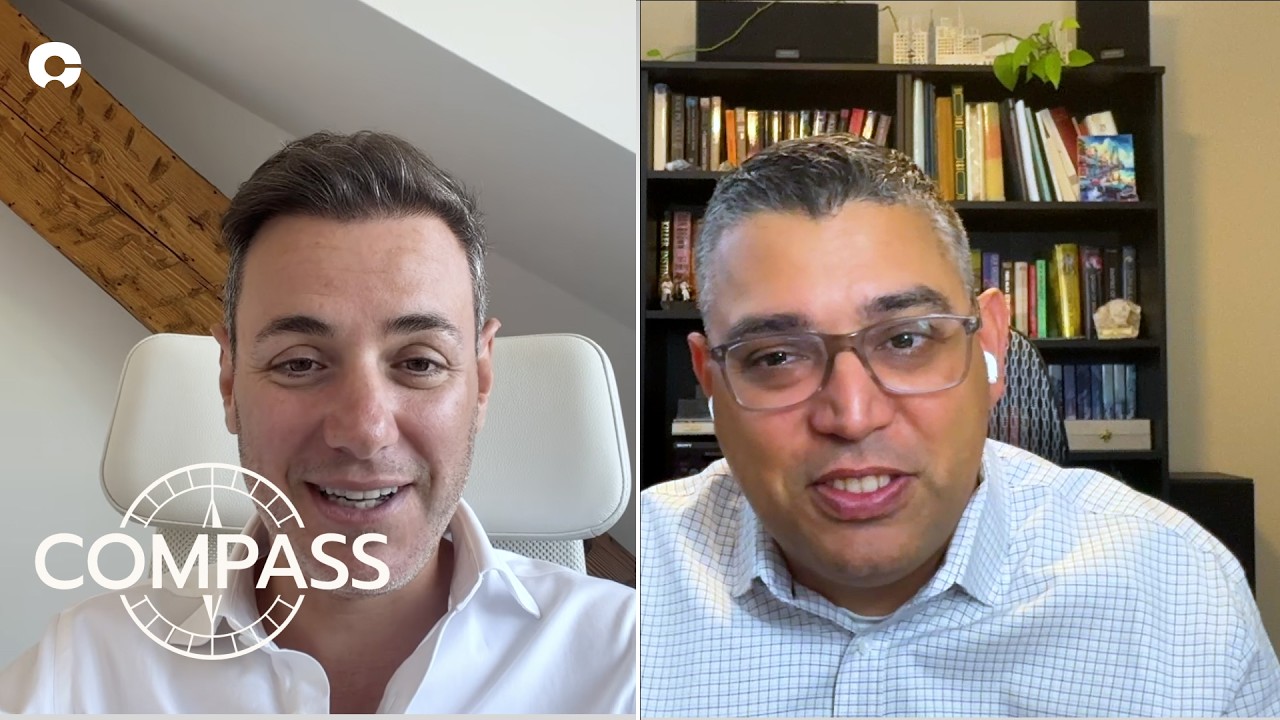
The takeover cycle that senior and mid-tier gold producers have been signalling for months produced another concrete result this week. In the latest episode of the Compass, Derek Macpherson, Executive Chairman of Olive Resource Capital (TSXV:OC), and Samuel Pelaez, President, CEO and Chief Investment Officer, unpack SSR Mining’s agreed acquisition of Roxmore Resources. Their discussion covers why the price looks low on a per-ounce basis, why the premium was restrained, and what the transaction means for the dwindling supply of multi-million-ounce development assets in North America.
SSR Mining Moves on Its Nevada Neighbour
SSR Mining (TSX:SSRM) announced that it had signed a definitive agreement to acquire Roxmore Resources (TSX:RM) by plan of arrangement. Roxmore shareholders are set to receive C$6.75 in cash per share, valuing the company’s equity at roughly US$464 million, along with shares in a newly formed exploration company. SpinCo will hold Roxmore’s other properties and US$10 million in cash. The deal still requires approval from at least two-thirds of votes cast by Roxmore security holders, as well as court approval, and is expected to close in Q4 2026.
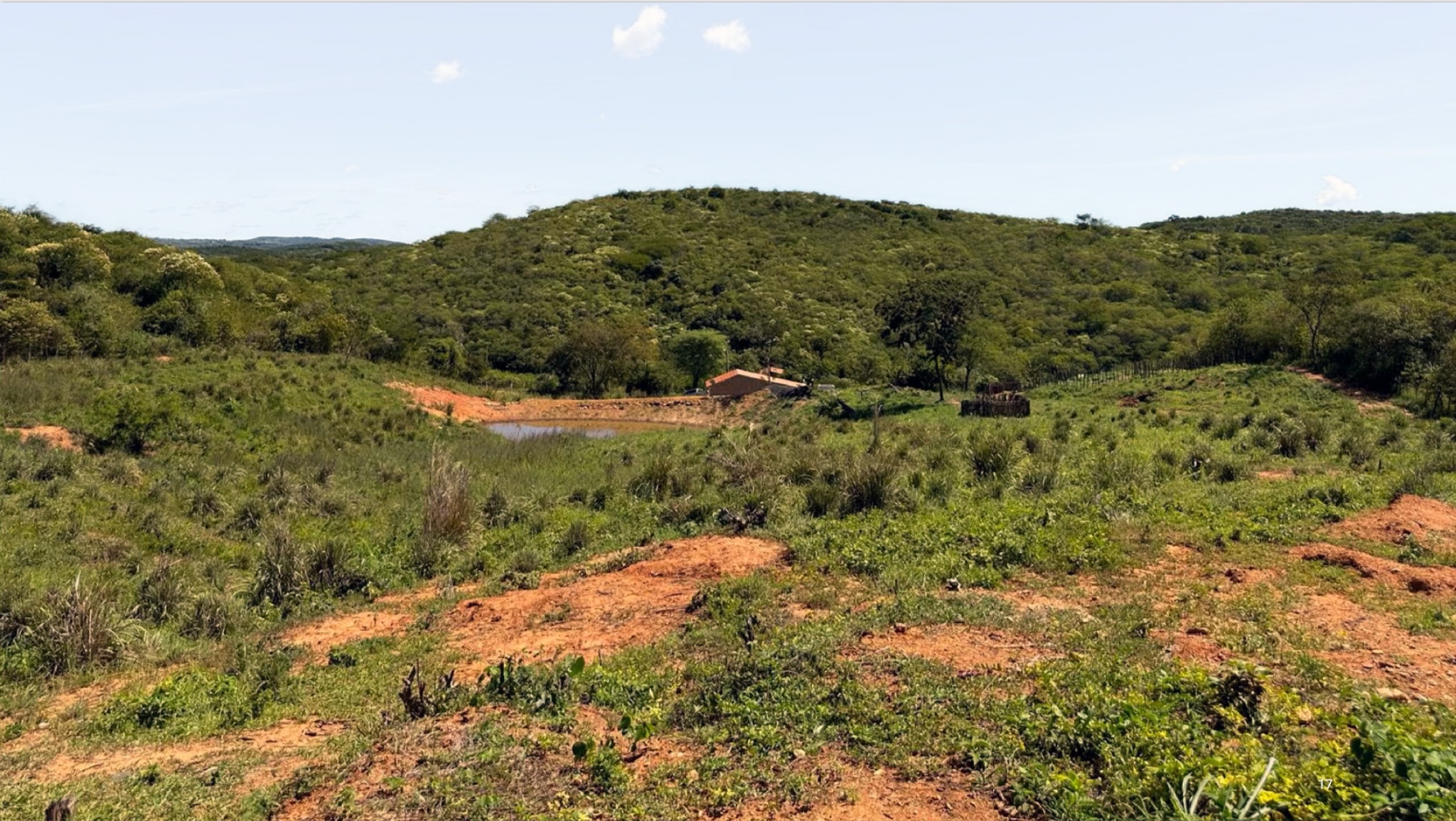
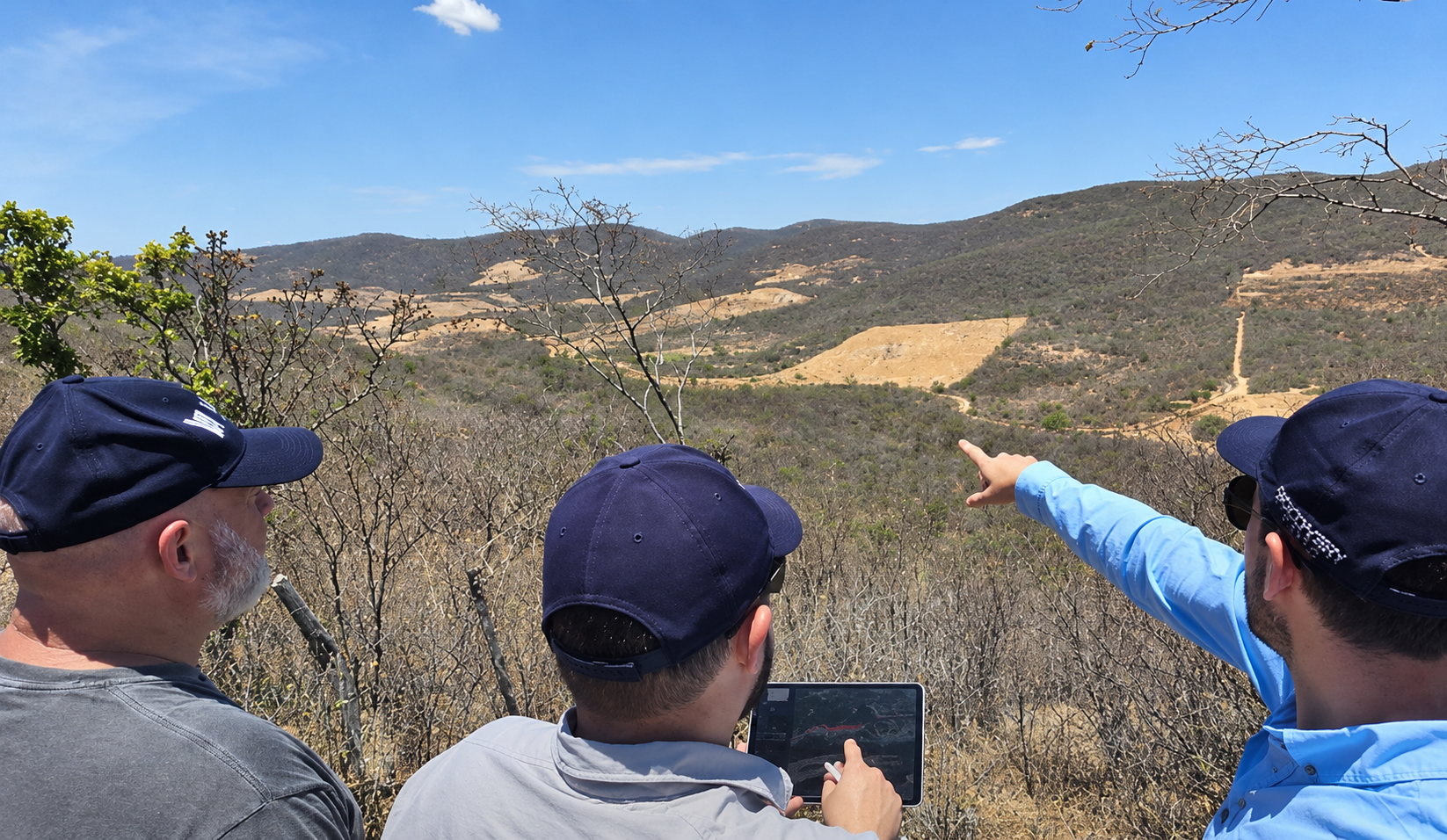
The asset at the centre of the deal is the Converse gold project in Nevada. Macpherson described the two land packages as a typical US checkerboard but effectively contiguous with Marigold, now one of SSR’s flagship operations. Converse holds roughly 5.2 million ounces across indicated and inferred categories. Averaged across the resource, grade comes in at around half a gram per tonne. Macpherson described this combination of large scale and low grade as typical for Nevada.
Pelaez framed the headline logic simply. SSR is buying an adjacent resource that can benefit from its existing infrastructure. In his view, the deal sits squarely within the theme Olive raised in its previous episode after returning from the Denver conference circuit. Producers of every size came back from those meetings cashed up and with renewed interest in juniors and developers. SSR has now put a significant portion of that cash to work. According to SSR’s own disclosure, Converse is expected to contribute 150,000 to 170,000 ounces of gold a year over a mine life of more than 10 years, with first production targeted for 2033.
A Low Price Per Ounce With Clear Reasons Behind It
The most striking feature of the deal, according to Macpherson, is the price paid relative to the resource. Including an estimated value for the SpinCo, he calculates the transaction at roughly US$95 per ounce. That compares with around US$400 per ounce, on an adjusted basis, for two other recent large developer takeovers he cited. He cautioned that SpinCo valuations are always difficult, noting that this one carries resources but small ones.
Macpherson pointed to SSR’s own announcement for part of the explanation. Roxmore’s resource was estimated using pit shells based on a gold price of US$3,000 per ounce. SSR has said it will apply its own, more conservative assumptions, in line with the parameters used at Marigold. Macpherson expects this to reduce the ounce count. In practical terms, SSR is not really paying for 5.2 million ounces. The maiden resource SSR publishes under its own assumptions will be the figure to watch.
Pelaez added a second explanation. The comparable transactions involved strong standalone assets. Converse, by contrast, is a tuck-in for a producing complex that SSR is already developing in the district. He argued that the list of realistic buyers was always short. Other developers operate in the area, but few have the producer-level cash flow needed to compete for an asset of this size. Converse could work as a standalone project given its tonnage, but Pelaez considers that an unlikely path.
Macpherson identified i-80 Gold (TSX:IAU) as another company with potential operational synergies. By his rough estimate, its Lone Tree complex sits within a few kilometres of Converse. However, i-80 is in the middle of a major restructuring and turnaround. Macpherson does not believe it was in a position to bid.
Why the Premium Stayed Modest
The premium reflects the same dynamics. Macpherson noted that the cash portion represents a 47% premium to Roxmore’s 20-day volume-weighted average price (VWAP). He estimates the total premium at around 58% once the SpinCo is included. That is a decent premium. It is not a large one, considering that Roxmore was already trading at a discounted valuation on both an enterprise value (EV) per ounce and a price-to-net-asset-value (P/NAV) basis.
Macpherson highlighted that Roxmore’s share price had held up well through September and October, avoiding the sell-off seen elsewhere in the sector. He offered a practical explanation of deal timelines for investors. A definitive agreement would typically have been signed over the preceding weekend. Before that, there would usually have been 30 to 60 days of exclusivity following a letter of intent (LOI), during which the terms were negotiated. Discussions were therefore probably well advanced by the time the industry met in Beaver Creek and Denver. Macpherson suspects SSR and Roxmore had been talking for some time before that, meaning SSR knew the asset thoroughly. The resilient share price, in his view, helps explain why there was no larger premium on top of an already discounted valuation.
SSR Still Has Firepower, but the Shortlist Is Shorter
Macpherson does not believe SSR’s appetite for acquisitions is exhausted. The company continues to generate cash at its operating assets. SSR reported cash and cash equivalents of around US$1.78 billion at the end of Q2 2026, and Macpherson estimates it will still hold more than US$1 billion in working capital after this transaction. Development of Converse will take time, since SSR must complete its own work and secure permits before construction. SSR has indicated no material capital spending on the project until the early 2030s.
The more important consequence, in Macpherson’s view, is that the deal removes a piece from the board. Any company seeking to enter the southwest US through a development asset now has one fewer option. That fits Olive’s long-running argument that quality takeover candidates are becoming scarce. Pelaez agreed and expects the pace of deals to continue.
“This by no means takes SSR off the list of acquirers for other assets and frankly I think between Centerra, SSR, Lundin Gold, even Kinross, you’d be shocked if there’s no more transactions in the next couple months announced.”
Macpherson considers a competing bid for Roxmore a low-probability outcome, while acknowledging he has been proven wrong on such calls before. The question for investors is where acquirers turn next.
Producers Are Upgrading Their Jurisdictions
Pelaez placed the transaction within a theme Olive has discussed for several months. In his words, producers “seem to be quite intent in, let’s call it, upgrading jurisdictionally.” North American assets and those in a few other specific jurisdictions are being pursued more aggressively. He named Guyana and Australia among the places attracting interest, describing Australia as a fantastic jurisdiction for mining in broader terms. Producers are also diversifying away from higher-risk parts of West Africa. The SSR-Roxmore transaction is another example of where attention and deal flow are concentrating.
SSR’s own history adds weight to the jurisdictional argument. Macpherson referred to the company’s experience at Çöpler in Türkiye, where operations were disrupted following a major heap leach failure. SSR has since sold its 80% stake in Çöpler, a transaction it completed in June 2026 as part of a strategic refocus on the Americas. Macpherson noted that this is part of the reason SSR’s cash balance is so much higher than that of many of its peers.
Weighing both sides, Macpherson concluded that the deal is fair to each party. He also sees an industry-level benefit in the asset ending up with a builder.
“From a SSR perspective, it looks decently bought. From a Roxmore perspective, it looks decently sold [...] I think it’s a good transaction for the industry and the company that should build the mine is actually going to build the mine, which I think is the other positive here.”
He added that Roxmore’s other assets probably did not receive full value in the deal, although shareholders do retain exposure to them through the SpinCo.
Olive’s Positioning: Advanced Developers in Safer Jurisdictions
The partners closed by linking the deal back to Olive’s own portfolio strategy. The focus remains on advanced development assets in the stronger jurisdictions of North America, parts of South America including Guyana, Australia and a select few other places. The reasoning is straightforward. Shareholders can sell a position quickly, but a producer that buys an asset has to live with its jurisdiction for decades. As a result, jurisdiction sits high on acquirers’ lists of priorities, if not first.
Macpherson named several gold holdings that fit this theme, disclosing his own roles where relevant. Olive’s largest position is Omai Gold Mines (TSXV:OMG) in Guyana, where Macpherson is a director. The fund also owns West Point Gold (TSXV:WPG), where he is CEO. Troilus Mining (TSX:TLG), a long-held position, is a developer in Quebec, which Macpherson described as one of the better mining jurisdictions.
Key Takeaway
The proposed SSR-Roxmore transaction is a textbook neighbour deal. A cash-rich producer is consolidating an adjacent resource that can share infrastructure with an existing operation. On Olive’s numbers, the price per ounce appears low next to recent comparables. The partners see clear reasons for that. SSR intends to re-run the resource at lower gold price assumptions, the buyer list was short, and Roxmore’s share price had already held up ahead of the announcement. For investors, the more significant point is scarcity. Each transaction of this kind leaves fewer multi-million-ounce development assets in low-risk jurisdictions, while acquirers such as SSR, Centerra, Lundin Gold and Kinross retain the balance sheets to keep bidding. Olive is positioned accordingly, with its largest exposures in advanced developers in jurisdictions that producers are prioritising. Readers should note that Macpherson holds board and executive roles at two of the companies named, and the deal remains subject to Roxmore securityholder and court approval.
TL;DR
SSR Mining has agreed to acquire Roxmore Resources for C$6.75 per share in cash plus SpinCo shares, securing the roughly 5.2-million-ounce Converse gold project about 6 km from its Marigold mine in Nevada. The deal still needs shareholder and court approval and is expected to close in Q4 2026. Olive Resource Capital’s Derek Macpherson estimates the price at roughly US$95 per ounce, against around US$400 per ounce for other recent developer takeovers. He attributes the gap to SSR’s plan to re-run the resource at lower gold prices and a short list of buyers. Samuel Pelaez expects more takeovers from cash-rich producers within months as they prioritise safer jurisdictions and the pool of quality developers shrinks.
FAQ (AI-Generated)
Analyst's Notes





Subscribe to Our Channel








.jpg)


Stay Informed