




Nickel Market at Inflection Point as Government Support Accelerates Western Projects



Ardea & Canada Nickel advance large-scale projects with strategic backing, government support, targeting 2026-27 construction as Indonesian supply shifts benefit Western nickel.
- Indonesia is transforming from an overwhelming new supply source to a more controlled producer, with the government implementing quota management and supply constraints that have driven nickel prices up approximately $4,500/ton since December 2025.
- Ardea secured $98.5M in DFS funding from Sumitomo Metal Mining and Mitsubishi Corporation, while Canada Nickel attracted Anglo American, Agnico Eagle, and Samsung SDI as strategic investors - demonstrating institutional confidence in non-Chinese nickel supply chains.
- Both companies emphasise their projects offer 30-50+ year mine lives with substantial resources, positioning them differently on the cost curve than aging legacy operations that shut down in 2024.
- Demand drivers have shifted somewhat in the past few years from EV-focused narratives to broader critical minerals security, defense applications, and government support for Western supply chains independent of Chinese control (which represents 80% of refined nickel supply).
- Both Ardea and Canada Nickel projects have received major project status from their respective governments (Canada's Major Projects Office referral, Australia's federal designation), with streamlined permitting processes and access to sovereign wealth fund financing expected to expedite construction decisions.
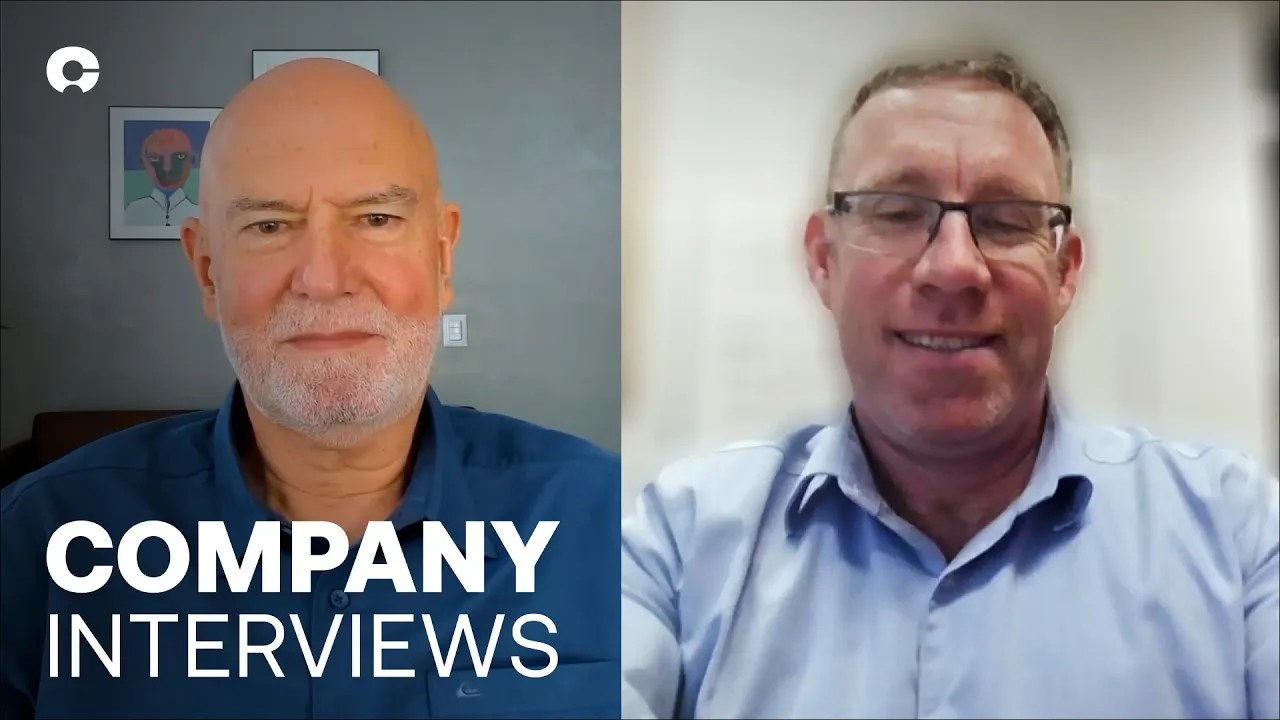
The global nickel market is experiencing a fundamental shift as Indonesian supply constraints, government support for critical minerals, and strategic investor validation converge to create opportunities in non-Chinese controlled supply chains. A recent discussion between Andrew Penkethman, CEO of Ardea Resources, and Mark Selby, CEO of Canada Nickel, provides insights into how large-scale nickel projects in established mining jurisdictions are positioning themselves to meet long-term demand for this critical mineral. Their conversation addresses market dynamics, investment strategies, government support, and the evolving role of nickel beyond electric vehicle batteries.
Market Transformation Through Indonesian Supply Management
The past two years have presented significant challenges for nickel producers globally. Penkethman characterises the period as "challenging," primarily due to flooding of new supply from Indonesia, funded and dominated by Chinese interests. The impact was immediate and severe - on the same day Ardea announced its $98.5 million collaboration with Sumitomo Metal Mining and Mitsubishi Corporation in 2024, First Quantum announced placing its Ravensthorpe nickel operation on care and maintenance.
However, both executives note a structural market shift beginning in late 2025. Since early December 2025, nickel prices have increased approximately $4,500 per ton, with corresponding movements across all intermediate prices in Indonesia and China. This price action reflects Indonesia's evolution from overwhelming supply source to what Selby describes as "an OPEC of one country" - actively managing production rather than flooding markets.
Selby points to significant discrepancies in analyst forecasting, noting that stated surpluses over the past three years have been nearly double what exchange inventory changes actually showed. The recent coordinated price increases across the supply chain - including stainless steel prices, nickel pig iron prices, and ore prices - suggest inventory levels are lower than previously reported. As Selby observes, "I've got enough supply. I don't need to pay up right now" was the previous market sentiment, but current price action indicates buyers are now willing to pay premium prices.
Differentiating New Projects from Legacy Operations
Both executives emphasise a critical distinction between their new development projects and the aging operations that shuttered in 2024. Selby argues that investor concerns stemming from BHP and First Quantum shutdowns are misplaced when applied to new projects: These were largely 30-year-old operations that had been underinvested for the most part for the last 10 to 15 years, and it's wrong if investors take what's happened with these very old legacy assets and try to smear that across new projects with substantially significant resources.
Penkethman provides Australian context using the Kambalda district and Mount Keith operations as examples. These mature assets face declining grades, increasing mining depths, rising operating costs, and insufficient sustaining capital investment. Their best years are behind them. In contrast, new projects like Ardea's Goongarrie Hub are positioned to provide cost-competitive operating expenditure from the outset, with large resource bases enabling production over multiple decades and the financial resilience to weather commodity price cycles while generating significant profits during favourable periods.
The analogy to large-scale, low-grade gold deposits proves instructive. Selby references Agnico Eagle's Malartic and Detour operations - both initially doubted due to lower grades but now producing at massive scales (Detour targeting 1.4 million ounces annually by early 2030s). These examples demonstrate how large-scale assets provide optionality and long-term value that markets initially underappreciate but which attract strategic investors seeking 20-30+ year supply arrangements.
Strategic Investor Validation
The caliber of strategic investors both companies have attracted serves as significant validation. Ardea's partnership with Sumitomo Metal Mining - arguably the most vertically integrated company in the nickel supply chain - and Mitsubishi Corporation provides not only $98.5 million in DFS funding but also deep processing expertise and established supply chain access. Sumitomo was the first company to unlock nickel laterite processing at over 100% nameplate capacity within 12 months of operations at both Coral Bay and Taganito in the Philippines.
Canada Nickel's investor roster includes Anglo American, Agnico Eagle, and Samsung SDI. Selby emphasises these are experienced industry participants who make selective investments rather than scattering capital across dozens of opportunities annually. As he notes, attracting such strategic capital required creativity during an out-of-favour metal cycle to minimise dilution while advancing projects.
This strategic support provides more than just capital. Both executives highlight access to sovereign wealth funds, government financing envelopes, and the credibility boost that comes from institutional endorsement. The strategic investors are committing to long-term supply relationships, not speculative positions, which speaks to the fundamental project quality and jurisdictional advantages.
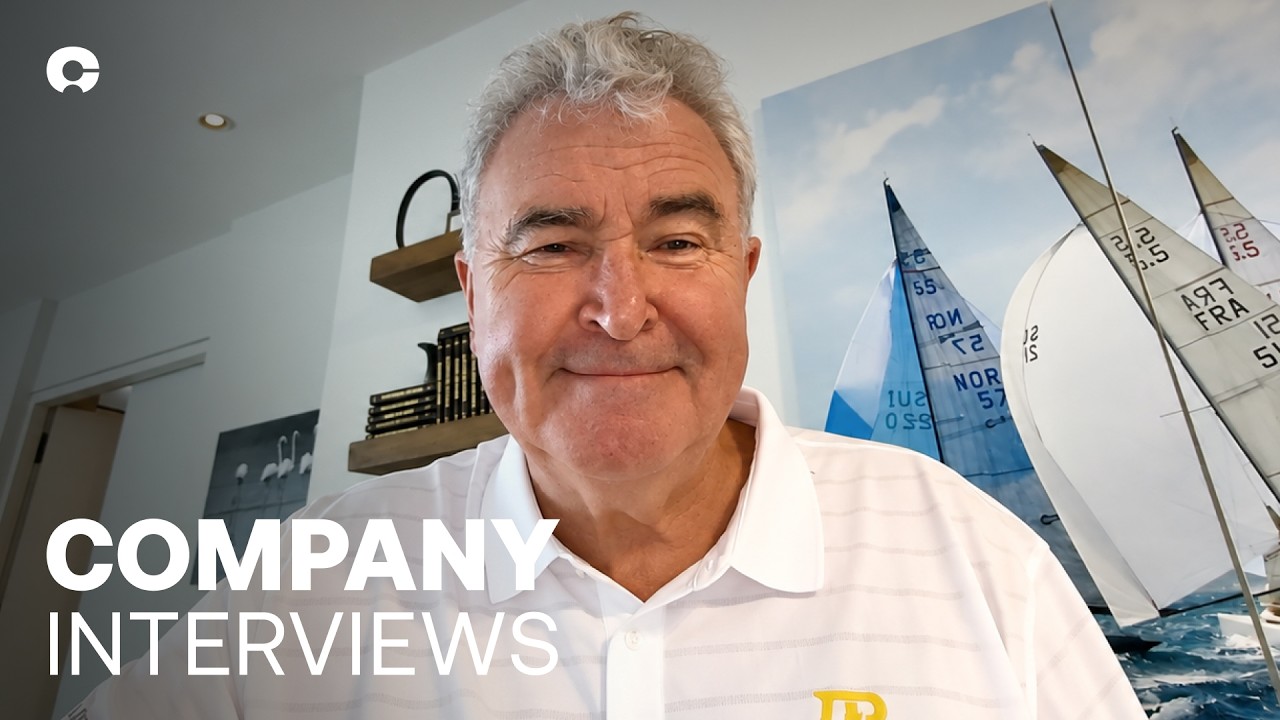
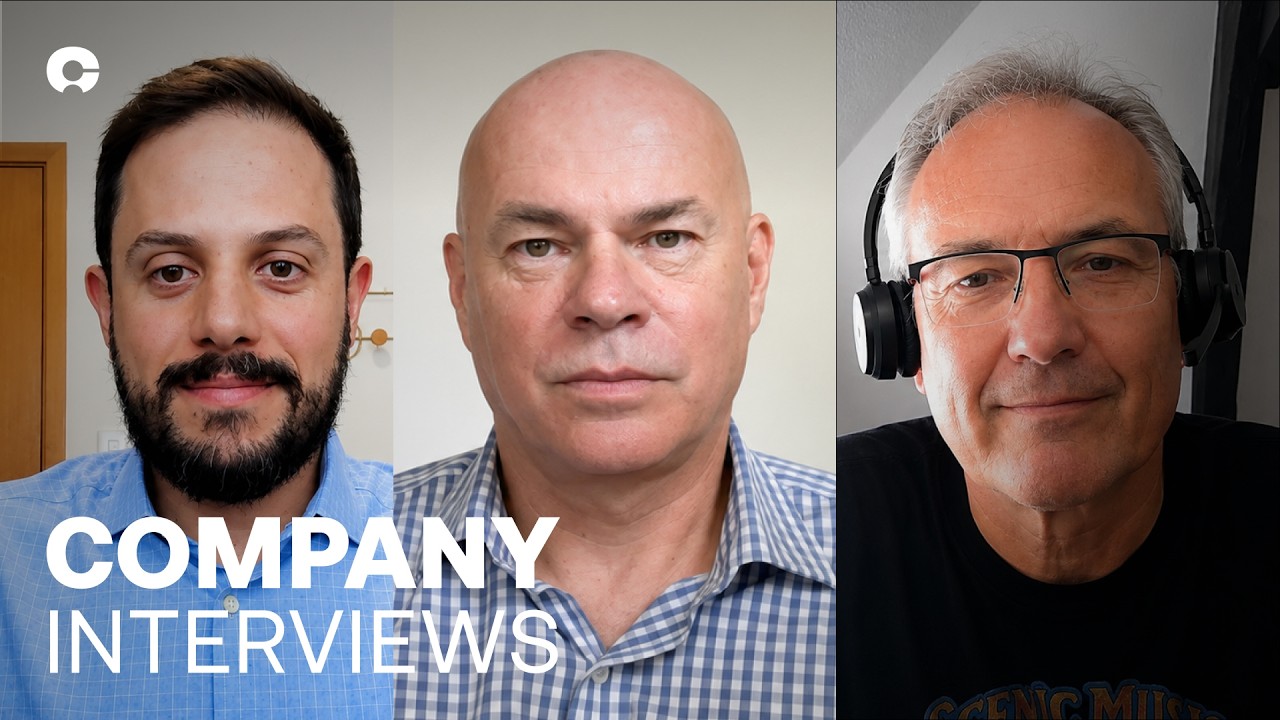
Interview with Andrew Penkethman, CEO of Ardea Resources & Mark Selby, CEO of Canada Nickel
Critical Minerals Security Beyond EV Narratives
While electric vehicle batteries initially drove nickel investment interest, both executives emphasise broader critical minerals security as the more durable investment thesis. Penkethman notes that when EV market growth slowed, many investors shifted attention away from battery materials. However, this overlooks nickel's fundamental role across defense, stainless steel, alloys, and high-tech applications.
The defense angle carries particular weight. Countries around the world need to increase spending on defense allocation, and every battleship, every plane, every tank needs high quality stainless steel, with nickel playing a huge role across a range of defense applications. Selby adds historical context: during World War II and again in the early 1950s, nickel was removed from coinage because it was needed for war efforts. Inco (now part of Vale) was a Dow Jones 30 company for 50 years based on supplying nickel to high-value industrial and defense applications.
Chinese control of nickel supply - approximately 80% when including refined supply from Indonesia - creates strategic vulnerabilities that Western governments are increasingly addressing through critical minerals collaborations. Australia has agreements with the US, Canada, and Japan focused on supply chain diversity and security. This geopolitical dimension provides what Selby describes as "effectively a bunch of free or close to free equity leverage" for investors in the right jurisdictions, as government support spreads across critical minerals beyond just rare earths and graphite.
Accelerated Government Support Frameworks
Both projects have received significant government backing that accelerates development timelines. Canada Nickel was referred to Canada's Major Projects Office and received accelerated permitting process recognition from Ontario province. Prime Minister Mark Carney and the Minister of Natural Resources attended a site press conference - unusual attention for a mining project that signals the new paradigm for critical minerals.
The Major Projects Office referral provides significant financing support, helping navigate government funding envelopes and connecting projects with sovereign wealth funds. Carney has already made multiple visits to Middle Eastern investors on Canada Nickel's behalf. On permitting, Selby contrasts current collaborative, solutions-focused regulatory approaches with his prior experience permitting the Dumont project, where the approach was to "throw up as many barriers and make you go as slow as possible."
Ardea has received major project status from the Australian federal government and is applying for lead agency status from Western Australia state government. Penkethman notes Australia and Canada both recognise that while maintaining high environmental standards, streamlining processes saves time and provides certainty - both critical for investment decisions. Australia is also developing an "investor front door" pilot program through federal treasury that may provide additional assistance.
Project Scale in a Constrained Supply Landscape
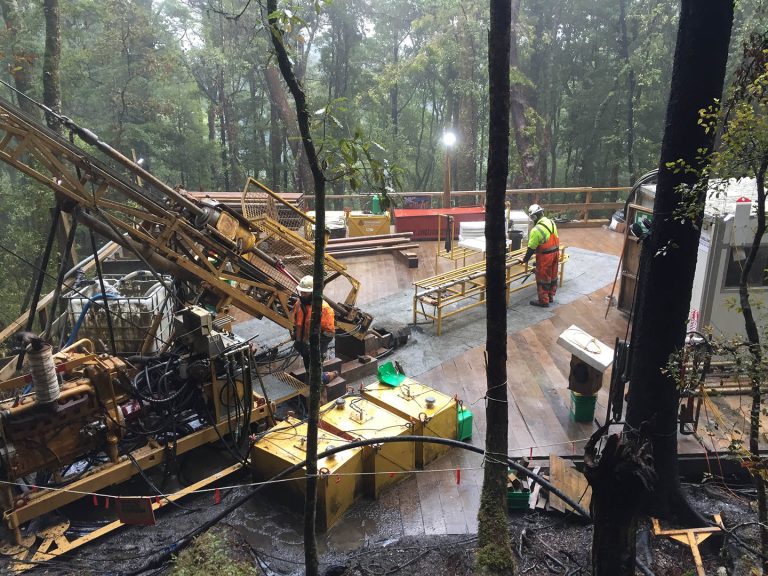
The sheer scale of these deposits distinguishes them in a nickel landscape with limited quality development projects. Ardea's Goongarrie Hub alone has a nickel reserve of 1.2 million tons, assessing only six of nine deposits - potentially matching or exceeding the 1.6 million tons historically produced from the entire Kambalda district over several decades. The project will produce a mixed sulfide precipitate shipped from Western Australia to Japan for integration into stainless steel, lithium-ion batteries, and other applications.
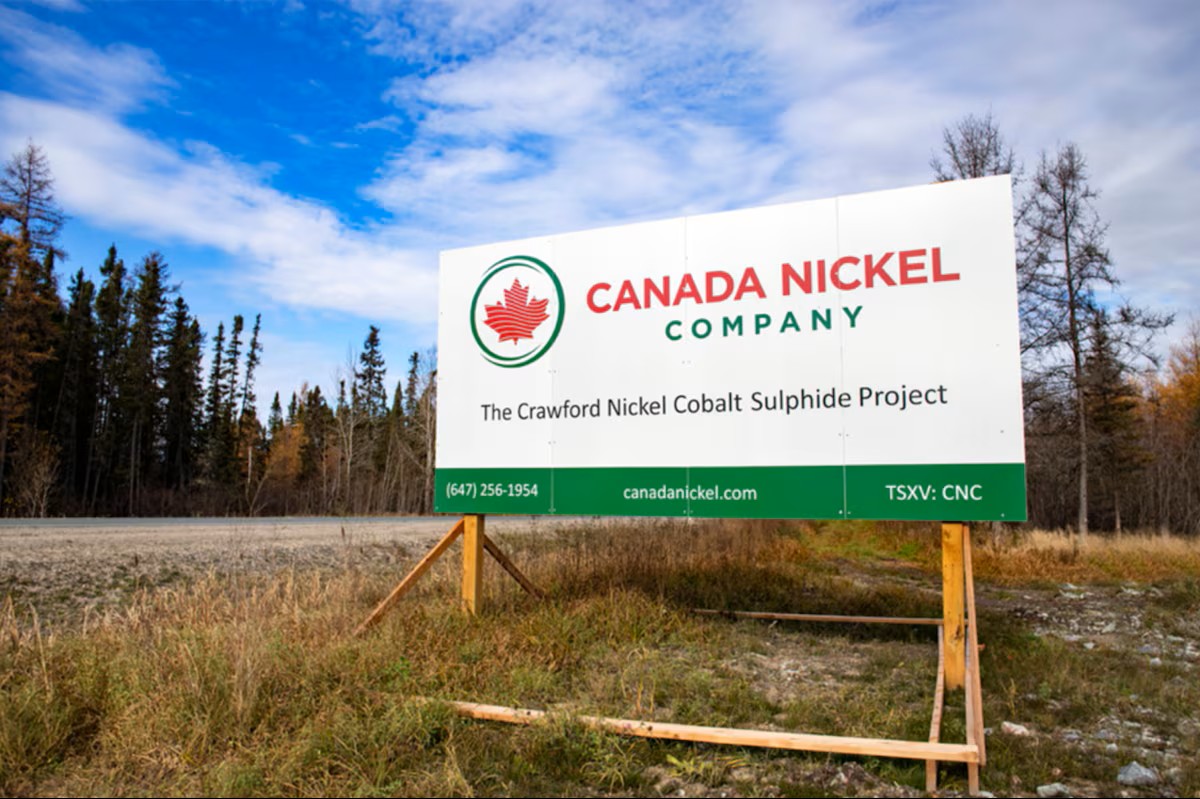
Canada Nickel's Crawford project is part of what is now recognised as the world's largest nickel sulfide district in Timmins. The company continues expanding this district while advancing Crawford toward construction. Selby emphasises that in gold there are several hundred investment options, in silver and copper 100-200 companies, but between the two executives on the call they represent approximately one-third of all companies currently advancing nickel projects. Only a handful of additional projects have seen meaningful work in the past five to six years.
This scarcity creates opportunity. In 2024-2025, 99% of the $10 billion raised in Canadian brokered private placements went to gold, silver, and copper, despite 89 other elements on the periodic table. As Selby suggests, investors willing to look beyond these traditional metals into the most China-dominated and most critical elements will likely be "richly rewarded over the next couple years."
Market Outlook and Near-Term Catalysts
Looking forward six months, Selby identifies several positive catalysts. The first quarter represents the Philippines' lowest quarterly mine production output due to seasonal factors. Ore prices have already moved higher and should continue rising through the quarter. This creates what he describes as a "virtuous circle" where LME prices move higher, supply chain prices follow, and they pull each other upward toward $20,000 per ton - beneficial for large new development projects.
Indonesia's maturation as a producing region also provides structural support. Penkethman notes Indonesian grades are declining as highest-value, lowest-cost ore is already mined, and increasing distance to processing plants raises costs. Additionally, the Indonesian government is enhancing environmental and personnel protection standards - non-negotiable requirements in Australia and Canada but historically less stringent in developing jurisdictions. These factors affect Indonesian operators' bottom lines and fundamental operating practices, creating space for Australian and Canadian supply.
For Ardea specifically, 2026 milestones include concluding the mineral resource estimate, wrapping up the definitive feasibility study in the June quarter, and advancing discussions with export credit agencies regarding funding pathways. Canada Nickel expects to put funding and permitting packages in place to enable construction start before year-end while continuing to expand the Timmins nickel district.
Conclusion: Investment Case for Western Nickel Supply
The discussion between Penkethman and Selby reveals a nickel market at an inflection point. Indonesian supply management, Chinese control of 80% of refined nickel, government support for critical minerals independence, strategic investor validation, and the scarcity of quality development projects converge to create a compelling investment case for large-scale, long-life nickel assets in established mining jurisdictions.
Both executives emphasise timing: investors focused solely on precious metals should now consider adding nickel exposure at what appears to be a pivotal stage in company evolution and market dynamics. The few mega-projects capable of providing long-life, low-cost, ethical nickel and cobalt supply are positioned to benefit from improving fundamentals, government support, and growing recognition that critical minerals security extends well beyond electric vehicle batteries into defense, infrastructure, and technology applications essential to Western economies.
As Penkethman summarises Ardea's investment case: it's about the scale and global significance of the project, strong near-term news flow, and the rarity of mega-projects enabling long-life, low-cost supply. Selby emphasises Canada Nickel's positioning at a market pivot point, with funding and permitting packages enabling construction decisions in 2026 while expanding the world's largest nickel sulfide district. For investors willing to look beyond crowded precious metals markets into critical minerals with strategic importance and Chinese supply dominance, the opportunity appears significant.
TL;DR: Executive Summary
Ardea Resources and Canada Nickel represent rare investment opportunities in large-scale nickel development as Indonesian supply constraints drive prices higher, governments accelerate permitting for Western critical minerals projects, and strategic investors (Sumitomo/Mitsubishi for Ardea; Anglo/Agnico/Samsung for Canada Nickel) validate project economics. Both companies expect construction decisions in 2026-2027, targeting 30-50+ year mine lives in established jurisdictions with government support, addressing 80% Chinese control of nickel supply chains for defense, infrastructure, and battery applications.
FAQs (AI Generated)
Indonesian government quota management shifted from flooding markets to controlled supply, while inventory levels proved lower than analyst forecasts suggested. Coordinated price increases across stainless steel, nickel pig iron, and ore indicate genuine supply tightness.
Nickel serves defense, stainless steel, alloys, and high-tech applications beyond EVs. Chinese control of 80% of refined nickel creates strategic vulnerabilities governments address through critical minerals collaborations, providing financing support and streamlined permitting.
Sumitomo/Mitsubishi and Anglo/Agnico/Samsung are selective investors seeking 20-30+ year supply, not speculative positions. Their $98.5M DFS funding and equity investments validate project economics, provide processing expertise, and enable sovereign wealth fund access.
Market inflection point combines Indonesian supply discipline, government permitting acceleration, strategic investor commitment, improved price action, and scarcity of quality nickel development projects (both companies represent one-third of actively advancing projects globally).
Philippine seasonal production lows in Q1 2026, Indonesian ore price increases, stainless steel margin expansion, declining Indonesian grades, and confirmation of lower-than-forecasted inventory levels create virtuous cycle toward $20,000/ton nickel.
Analyst's Notes





Subscribe to Our Channel




Stay Informed


