Energy Fuels to Acquire ASM for Rare Earth Supply Chain Integration



Energy Fuels to acquire ASM for rare earth metals/alloys capability, adding Korean facility (1,300-5,600 tpa) & Dubbo project to vertical integration strategy.
- Energy Fuels announced acquisition of Australian Strategic Materials (ASM) to add metals and alloys capability, bringing vertical integration from mining to finished products in rare earths supply chain
- ASM operates existing 1,300 ton per annum alloy facility in South Korea with expansion plans to 5,600 tons, plus planned U.S. facility up to 4,000 tons per annum
- Acquisition includes Dubbo project in New South Wales, a permitted rare earth pipeline asset that could supply White Mesa mill for processing
- Deal valued at under 6% of Energy Fuels' share registry, expected to close end of June 2026 following shareholder votes and court approvals
- Integration strategy aims to improve margins by up to 20% by controlling multiple supply chain steps, avoiding fragmentation that makes single-step operators vulnerable
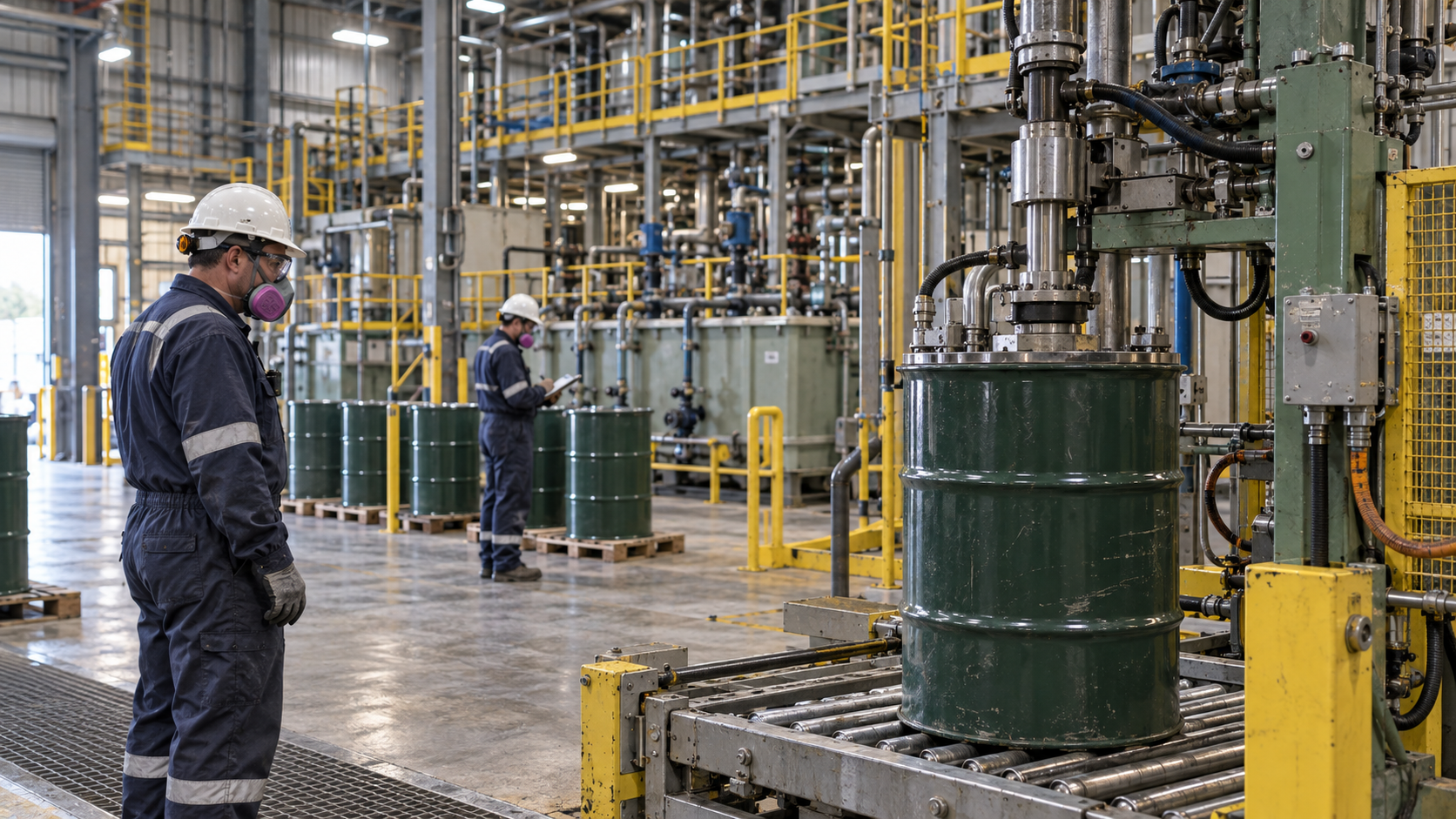
Energy Fuels, a leading U.S. uranium and critical minerals producer, has announced a definitive agreement to acquire Australian rare earth company, Australian Strategic Materials (ASM) through a scheme of arrangement. While uranium prices hover above $100 per pound, CEO Mark Chalmers is focused on building what he describes as a "critical mineral hub" centered around the company's White Mesa mill in Utah. The ASM acquisition represents a significant step in Energy Fuels' vertical integration strategy, adding metals and alloys production capabilities to complement its existing rare earth separation operations. For investors, this transaction signals the company's commitment to capturing value across multiple stages of the rare earth supply chain rather than remaining dependent on a single processing step.
The Rationale: Vertical Integration as Competitive Advantage
The acquisition addresses a fundamental challenge in the rare earth industry: fragmentation. Energy Fuels has identified that companies operating at only one step of the supply chain face vulnerability both upstream and downstream.
The Chinese model of viewing margins across the entire value chain - from mining through to electric vehicle production - has proven successful, and Energy Fuels is applying similar thinking. Chalmers noted that when multiple small operators each demand 20-25% margins at different processing stages, the cumulative cost from mine to finished product becomes economically unviable. By controlling multiple steps, Energy Fuels expects to improve overall margins by up to 20%, a material enhancement that provides both competitive advantage and improved economics for customers.
ASM's Existing Assets: Proven Production Capabilities
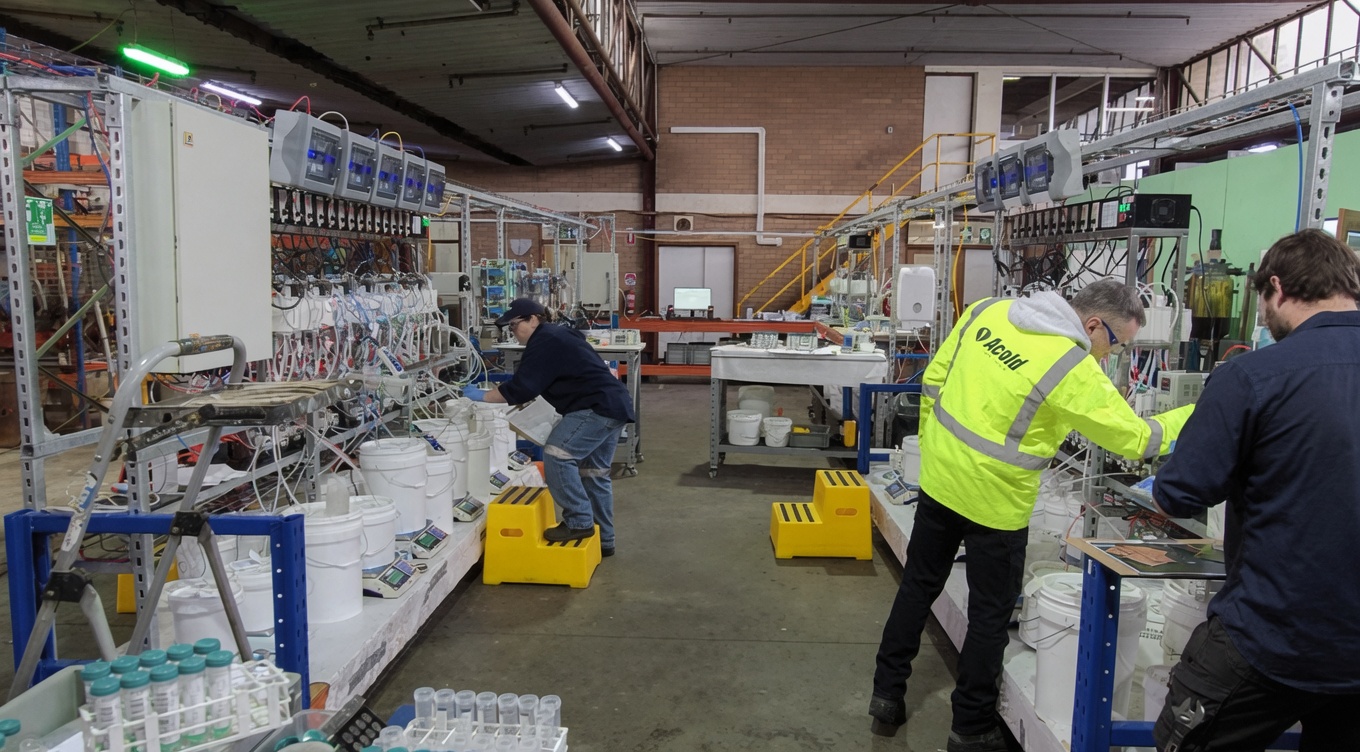
ASM brings immediate production capability through its South Korean facility, which currently produces approximately 1,300 tons per annum of neodymium-iron-boron alloy - a critical material for permanent magnets used in electric vehicles, wind turbines, and other clean energy applications. The facility has already begun Phase 2 expansion to increase capacity to 3,600 tons per annum, with a planned Phase 3 expansion to 5,600 tons per annum.
Beyond the Korean operations, ASM had been searching for U.S. facility locations spanning from the east coast to western states including Utah. Plans for the American plant envision phased development up to 4,000 tons per annum of alloy production, with modular design allowing further expansion. Combined, ASM's current expansion plans would accommodate approximately 60% of Energy Fuels' Phase 2 rare earth production capacity from White Mesa mill, creating natural integration between separation and downstream processing.
ASM has established relationships with several offtake partners, demonstrating proven commercial capabilities. This existing customer base and operational track record reduces execution risk compared to building greenfield facilities.
The Dubbo Project: Pipeline Asset with Established Permits
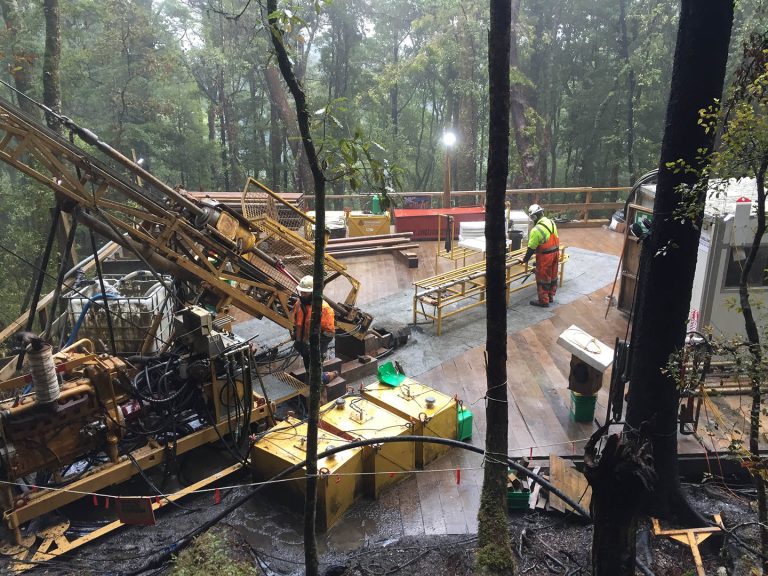
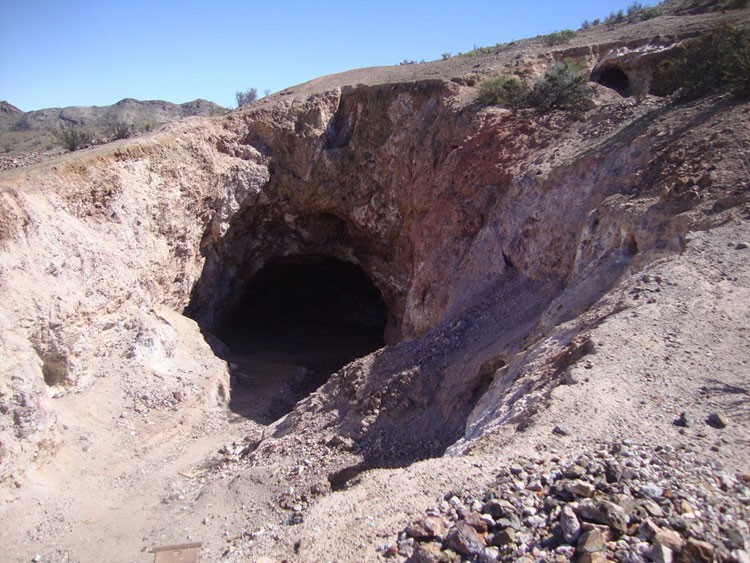
The acquisition also brings the Dubbo project in New South Wales, Australia - a permitted rare earth development that adds to Energy Fuels' pipeline of feed sources. Historically challenged by high capital costs for required infrastructure, the project has recently been re-evaluated using a "heap leach" processing approach with lower capital requirements. The current plan envisions producing an intermediate concentrate at Dubbo that could be shipped to White Mesa mill for separation into oxides, which would then flow through to metals and alloys production.
"We see it as a step that we bring that others can't bring. So, we have the ability to reduce capital costs on Dubbo," Chalmers noted. The project provides geographic diversification in rare earth sources, complementing Energy Fuels' North American assets. As a monazite-focused deposit, Dubbo aligns with the company's processing capabilities and contains material quantities of heavy rare earths including dysprosium and terbium - elements commanding premium pricing due to supply constraints.
Interview with President & CEO, Mark Chalmers
Transaction Structure Through June 2026
The acquisition is structured as a scheme of arrangement under Australian law, requiring shareholder votes and court approvals. Energy Fuels values the transaction at under 6% of its share registry, making it financially manageable while adding significant strategic capabilities. The company expects to close the transaction toward the end of June 2026, following the completion of regulatory processes.
This marks Energy Fuels' second Australian scheme of arrangement, having previously acquired the Toliara project through similar processes approximately 18 months earlier. Management indicated that lessons learned from the Bass transaction will enable more efficient integration of ASM. Both ASM and the former Bass headquarters are located in Perth, just blocks apart, providing operational synergies and local expertise for managing Australian assets.
Building a Diversified Feed Portfolio
The rare earth industry requires secure, diversified sources of feedstock to support downstream processing investments. Energy Fuels has systematically built its feed portfolio over recent years. The company currently receives commercial quantities of monazite from Chemours operations in Florida and Georgia, though volumes remain relatively small. The Donald project in Victoria, Australia - held through a joint venture - represents the nearest-term significant feed source. The project is fully permitted and shovel-ready, with an investment decision planned for the current quarter. Phase 1 would produce approximately 7,000 tons of monazite annually with particularly high grades of dysprosium and terbium.
Additional pipeline projects include the Toliara deposit in Madagascar and now the Dubbo project from the ASM acquisition. This multi-source strategy mirrors the Chinese approach of avoiding dependence on single deposits.
Market Positioning & Government Relations
Energy Fuels has been actively engaged with U.S. government agencies and potential commercial customers as Western nations seek to reduce dependence on Chinese rare earth supply chains. The company emphasises that speed matters in this geopolitical context.
"Right now, the world is wanting to [lose] dependence from China and five years from now - eight years from now - is a long time."
The integration strategy - controlling separation, metals production, and alloys manufacturing - positions Energy Fuels as a more attractive partner for government support programs and commercial offtake agreements. End users increasingly prefer suppliers who can provide integrated solutions rather than coordinating among multiple fragmented vendors. The company is evaluating both government funding opportunities and private capital, focusing on arrangements that enable rapid execution while maintaining low-cost operations as the ultimate competitive advantage.
Capital Markets Performance & Outlook
Energy Fuels' stock performance reflects growing investor confidence in the company's dual uranium-rare earth strategy. Shares are up approximately 70% year-to-date through late January 2026, building on gains of 300% over three years and 500% over five years. This appreciation reflects both rising uranium prices (currently above $100 per pound) and progress in rare earth capabilities.
Management emphasised its long-term orientation, having discussed rare earth strategies for five years while methodically building capabilities. The company has become the largest investor in Australian critical mineral companies through the Donald joint venture, Toliara acquisition, and pending ASM transaction. This patient capital deployment contrasts with shorter-term market participants and positions Energy Fuels to capture value as Western rare earth supply chains develop over the coming decade.
Conclusion
The Western world is confronting an uncomfortable dependency: over 90% of rare earth processing occurs in China, creating strategic vulnerability in technologies essential to electrification, defense, and clean energy. Energy Fuels' vertical integration strategy addresses this bottleneck by building domestic capabilities from separation through alloys production - the materials feeding permanent magnet manufacturing for electric motors.
The geopolitical imperative is clear. Western governments are deploying capital to accelerate supply chain development, while automotive manufacturers and defense contractors seek reliable non-Chinese sources. This convergence creates exceptional conditions for integrated producers who can deliver molecules, not just promises, within timeframes measured in quarters rather than decades.
TL;DR
Energy Fuels' acquisition of Australian Strategic Materials (ASM) for under 6% share dilution adds immediate metals and alloys production capability (1,300 tons/year expanding to 5,600+ tons in Korea, plus planned 4,000-ton U.S. facility) to its White Mesa separation operations, creating one of few vertically integrated Western rare earth producers. The transaction includes the permitted Dubbo project in Australia, expanding feed sources alongside Donald, Toliara, and Chemours supply. Management expects 20% margin improvement through integration, positioning the company as a strategic partner for government initiatives and commercial customers seeking alternatives to Chinese supply chains during unprecedented rare earth demand growth.
FAQs (AI Generated)
Acquisitions provide proven technology, experienced teams, existing customer relationships, and immediate production capability. Organic development would require 5-8 years, missing current government funding opportunities and commercial demand. Speed and demonstrated capabilities outweigh modest dilution.
Energy Fuels plans investment decision in Q1 2026. As a shovel-ready, fully permitted project, Donald could begin construction shortly thereafter with Phase 1 targeting 7,000 tons/year monazite production containing valuable dysprosium and terbium concentrations.
Dubbo now employs heap leach processing producing intermediate concentrate for shipping to White Mesa mill, eliminating need for on-site full separation facilities. This significantly reduces upfront infrastructure costs while leveraging Energy Fuels' existing separation capabilities.
Uranium prices above $100/lb generate cash flow funding rare earth expansion without excessive equity dilution. Dual commodities provide diversification and leverage Energy Fuels' existing White Mesa infrastructure, creating synergies unavailable to rare earth pure-plays.
Shareholder votes and Australian court approvals required through June 2026. Energy Fuels has prior scheme experience (Toliara acquisition) improving execution probability. ASM management supports transactions, and under-6% dilution limits downside if deal fails.
Analyst's Notes





Subscribe to Our Channel





Stay Informed