




PGM Deficit Set to Widen as AI Data Center Demand Exceeds Forecasts



AI-driven data center demand and hybrid vehicle growth tighten PGM markets beyond consensus forecasts, while palladium lags on a US trade case.
- The world's largest primary platinum producer disclosed AI-linked data center demand for platinum group metals (PGMs) of 200,000 to 400,000 ounces in its July 29, 2026 interim results, a demand source not included in most consensus deficit models that the company said could grow fivefold by 2030.
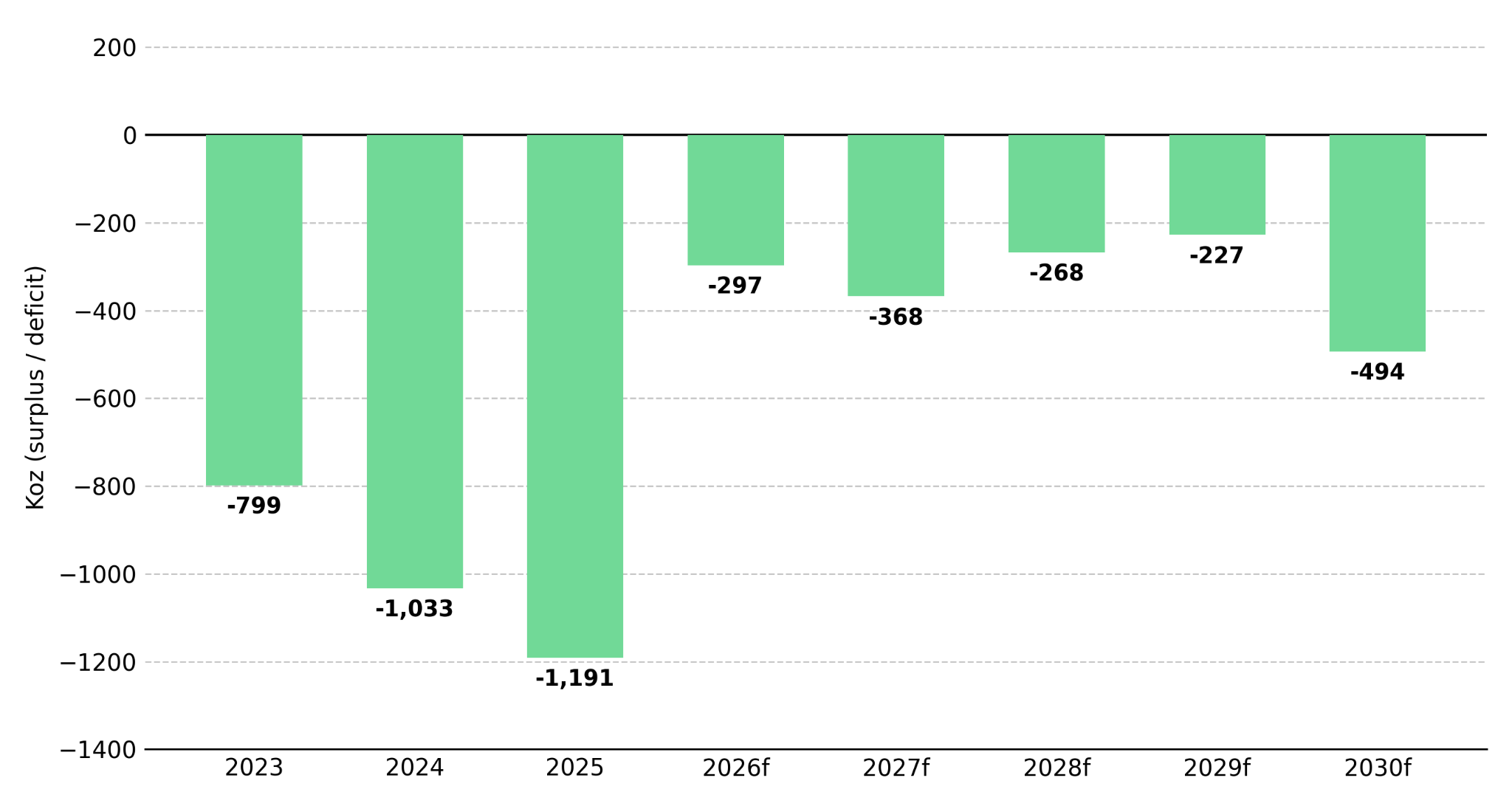
- The World Platinum Investment Council (WPIC) raised its full-year 2026 platinum deficit forecast to 297,000 ounces, marking a fourth consecutive annual shortfall, while Johnson Matthey expects the ruthenium market to remain in deficit despite lower demand.
- European Union registrations across petrol, diesel, hybrid electric vehicle (HEV), and plug-in hybrid electric vehicle (PHEV) powertrains were unchanged year on year at 4.525 million units in the first half of 2026, as nearly 362,000 additional hybrid vehicle registrations offset the decline in petrol and diesel vehicles, supporting autocatalyst demand for PGMs.
- Palladium is the exception because AI-linked data center demand applies to platinum, ruthenium, and iridium, not palladium. Instead, palladium's roughly 22% year-to-date price decline reflects an unresolved US trade case.
- Supply cannot expand quickly to meet this new demand because PGMs are mined together in fixed geological ratios from aging operations concentrated in Southern Africa, Zimbabwe, and Russia, increasing the value of new PGM resources outside that production base.
AI Data Center Demand Adds New PGM Consumption Beyond Consensus Deficit Forecasts
Data center construction has emerged as a new source of industrial PGM demand that sits outside the automotive, jewelry, and investment categories used in most consensus deficit models. Valterra Platinum, the world's largest primary platinum producer with roughly 38% of global mined supply, disclosed in its July 29, 2026 interim results that AI-linked data center demand for PGMs was conservatively 200,000 to 400,000 ounces. Chief Executive Officer Craig Miller said on July 29, 2026 that the demand could grow as much as fivefold by 2030.
Johnson Matthey's 2026 PGM Market Report independently supports that disclosure by identifying the same sources of industrial PGM demand. The report identifies data center construction as a demand driver for platinum and ruthenium through the magnetic layers used in hard disk drives, and separately notes the first commercial-scale use of iridium in proton exchange membrane electrolysis for green hydrogen in 2026. Because these demand sources were not incorporated into most consensus deficit models, published deficit forecasts for platinum and ruthenium may understate future demand.
Existing Platinum & Ruthenium Deficits Increase the Impact of AI-Linked Demand
The impact of new demand depends on the market balance it enters, and both the platinum and ruthenium markets were already in deficit before AI-linked demand emerged. The WPIC's first quarter 2026 Platinum Quarterly, prepared independently by Metals Focus, raised its full-year platinum deficit forecast to 297,000 ounces from 240,000 ounces, marking a fourth consecutive annual shortfall, while above-ground stocks are projected to fall below three months of global demand cover by year-end. The forecast followed an unusual first-quarter surplus of 268,000 ounces, driven by an 18% year-on-year increase in South African mine supply and a 31% decline in total demand caused by 374,000 ounces of exchange-traded fund and exchange stock outflows. The WPIC forecasts those outflows to reverse over the remainder of the year, supporting stronger investment demand.
Johnson Matthey forecasts the ruthenium market to remain in deficit in 2026 despite a 6% decline in demand, indicating that available supply remains insufficient to meet market requirements. That outlook comes even as Seagate transitions to heat-assisted magnetic recording, which does not use ruthenium and already accounts for about 40% of the data storage capacity it ships for enterprise hard drives, targeting 70% by June 2027. Even with one data storage technology reducing ruthenium use, Johnson Matthey's forecast suggests that supply remains too constrained to eliminate the market deficit.
Hybrid Vehicle Growth Sustains Automotive PGM Demand, Supporting Larger Deficits
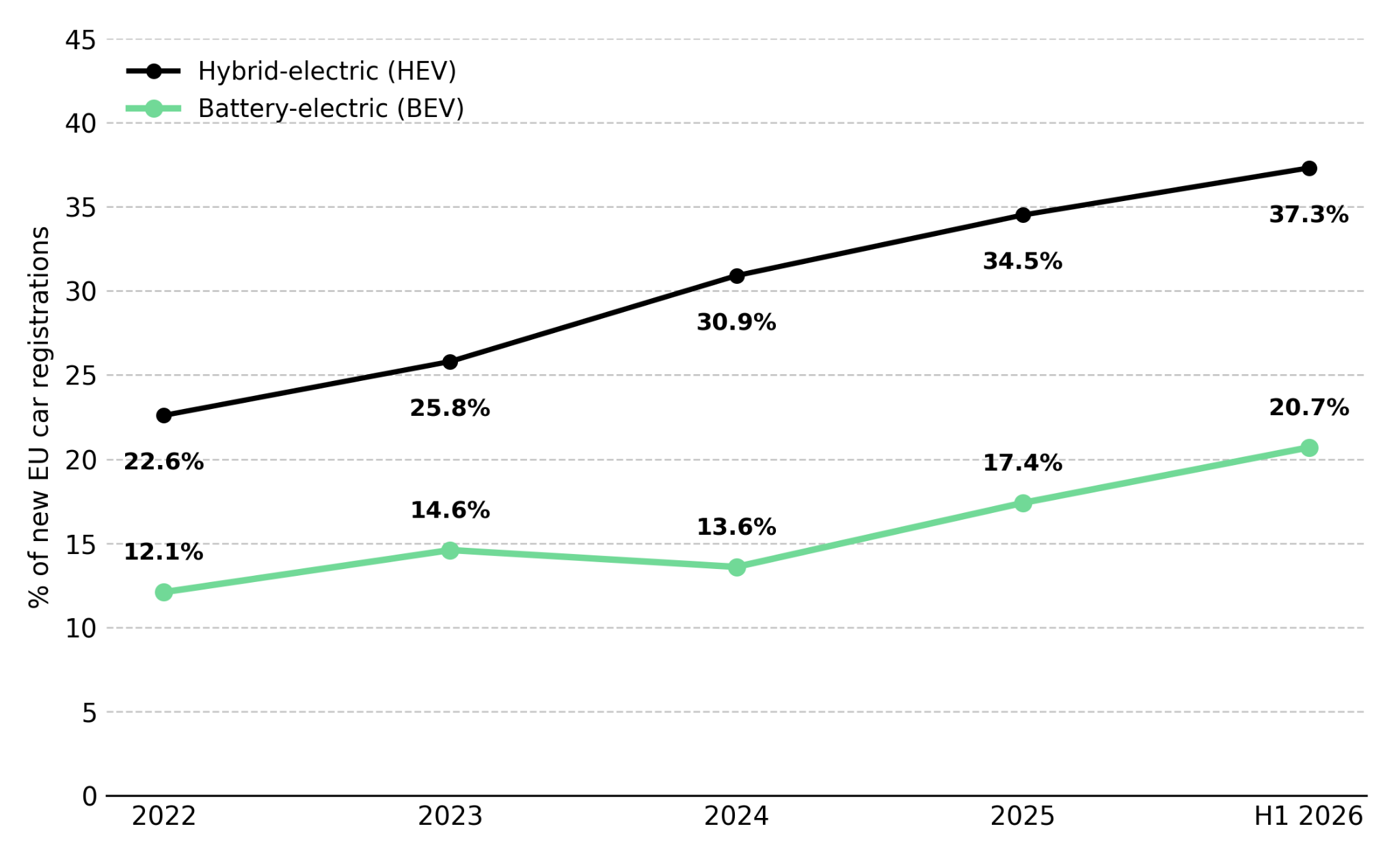
Rising battery electric vehicle (BEV) adoption is widely expected to reduce autocatalyst demand because BEVs do not require PGM catalysts. However, European Union registration data for the first half of 2026 shows that total registrations across catalyst-bearing powertrains remained stable despite higher BEV adoption. Combined registrations across the four catalyst-bearing powertrains, petrol, diesel, HEV, and PHEV, were unchanged year on year at 4.525 million units, compared with 4.522 million a year earlier, even as BEV market share rose to 20.7% from 15.6%. Petrol and diesel registrations fell 17.0% to 1.75 million units, while HEV and PHEV registrations increased by nearly 362,000 units over the same period, almost fully offsetting that decline. Hybrid vehicles can also use 10% to 20% more PGM content than comparable internal combustion engine (ICE) vehicles, supporting autocatalyst demand despite rising BEV adoption.
Automotive demand accounts for roughly 40% of platinum consumption and roughly 80% of combined palladium and rhodium consumption, making resilient vehicle demand an additional demand driver alongside AI-linked industrial demand. Models that incorporate only new industrial demand may underestimate future PGM deficits, while those that also assume declining automotive demand may underestimate the size of those deficits further.
Concentrated PGM Supply Limits Production Growth, Increasing the Value of New Supply Sources
Roughly 80% to 90% of global PGM supply originates from Southern Africa, with Russia and Zimbabwe accounting for most of the remainder. Because platinum, palladium, rhodium, ruthenium, and iridium occur together in the same ore bodies, mining companies cannot simply increase production of one metal to meet higher demand for that metal. Several major platinum operations have closed or been suspended since 2016 as aging, deep-level mines contend with higher electricity costs and constrained diesel access. At the same time, only a small number of major greenfield PGM projects have near-term production visibility, with most already supported by technical studies beyond the Inferred Resource stage.
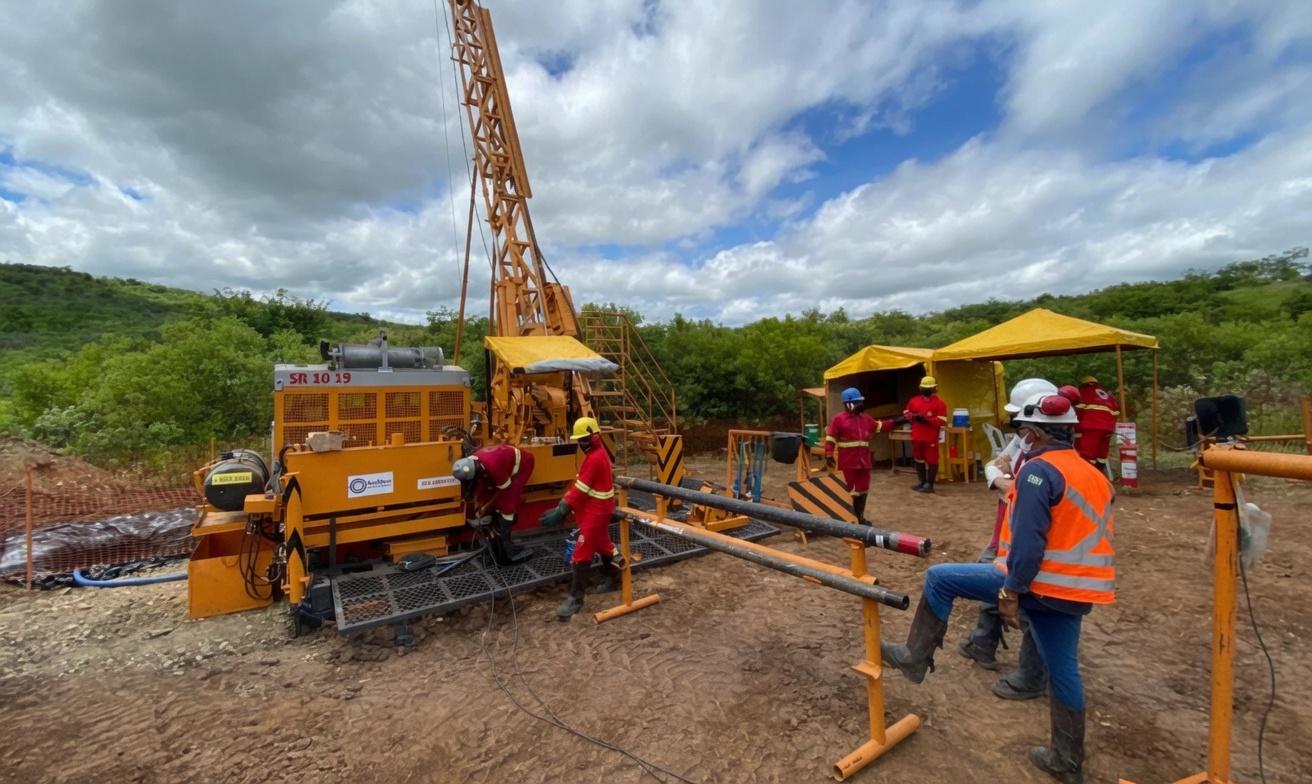
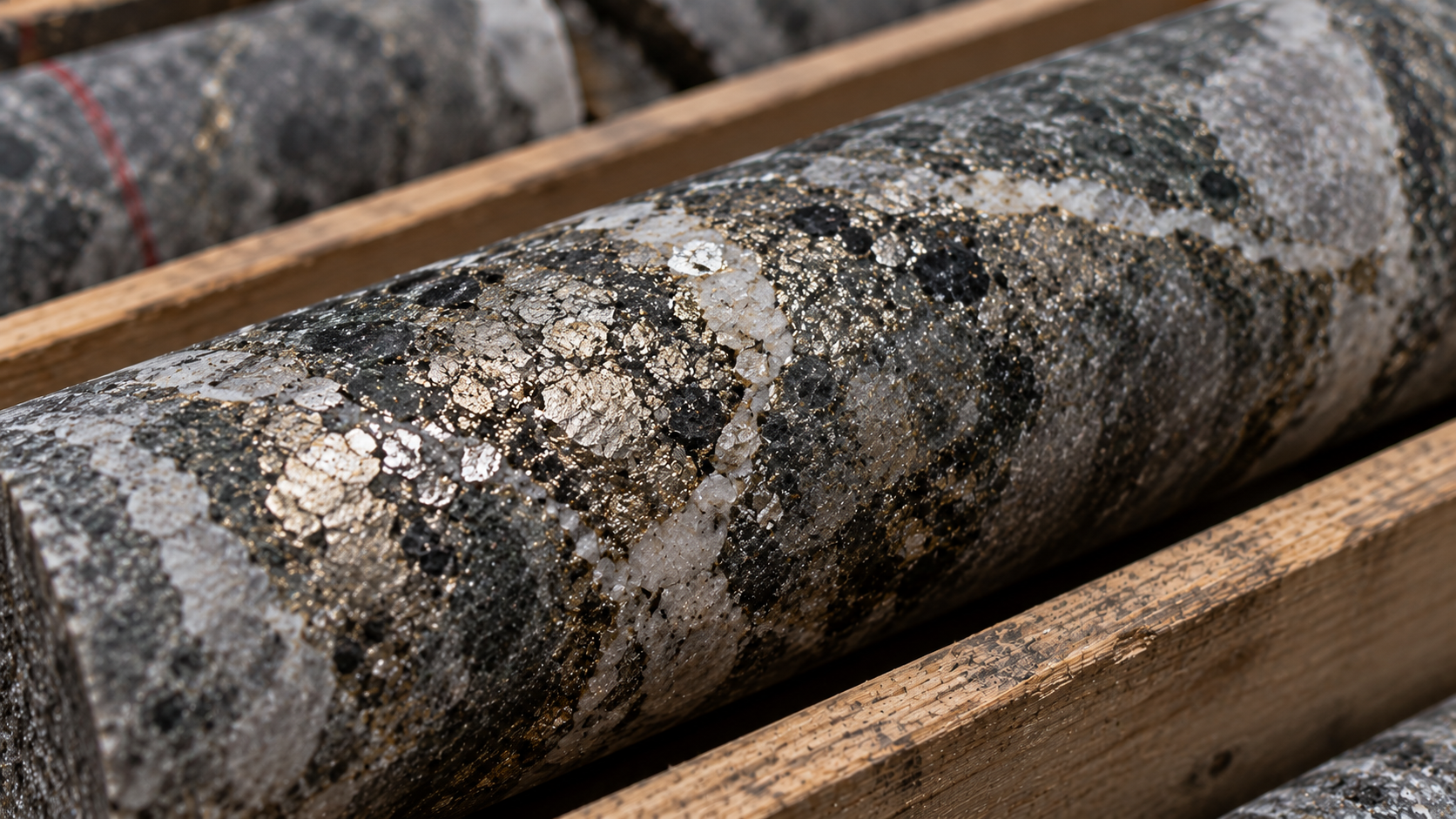
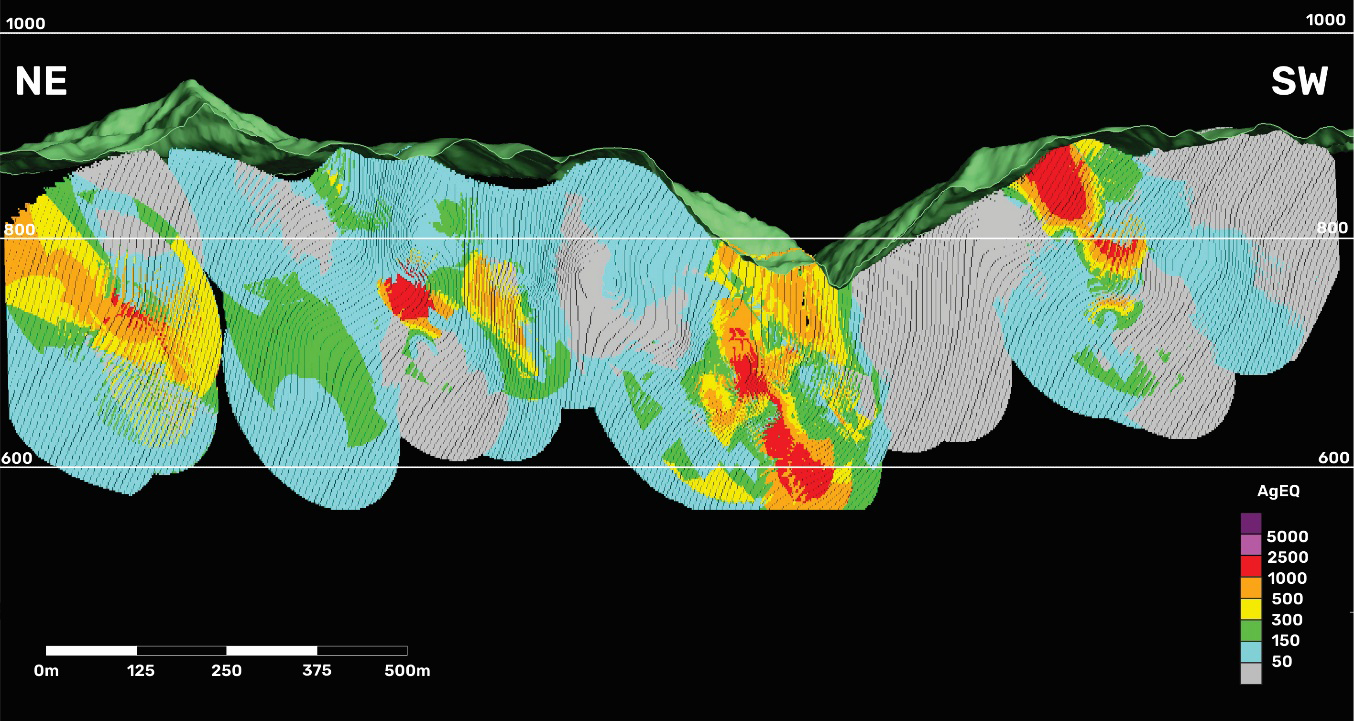
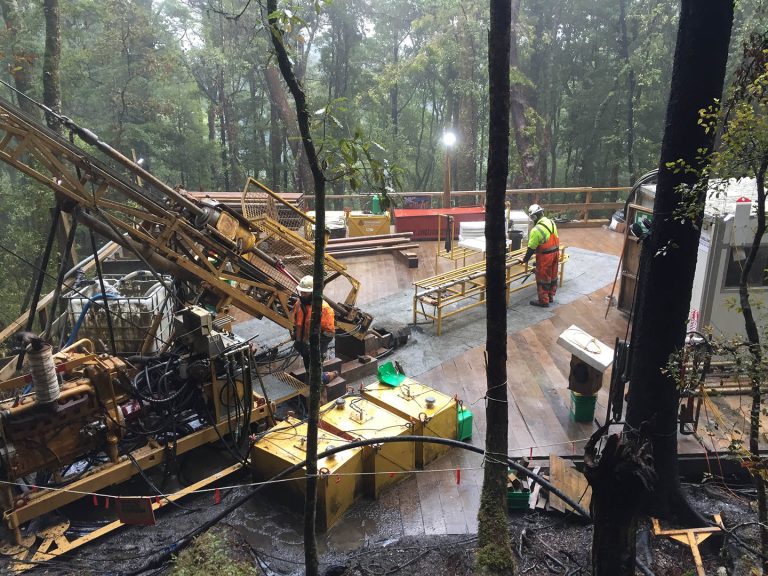
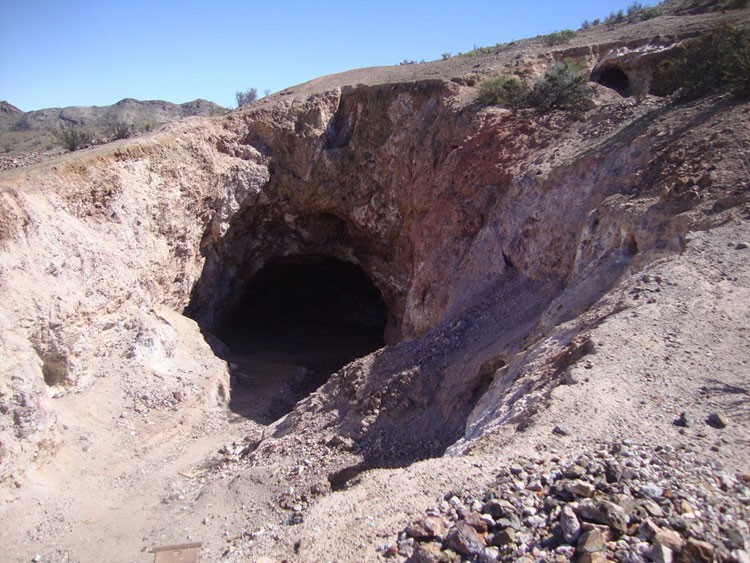
ValOre Metals is advancing the Pedra Branca project in Ceará State, Brazil, one of only a handful of PGM development assets outside Russia and South Africa. Brazil's established mining approval process can shorten early project development compared with jurisdictions where permitting takes years, reducing one of the biggest risks to bringing new PGM supply online. Pedra Branca hosts an NI 43-101 Inferred Resource of 2,198 koz of platinum, palladium, and gold (2PGE+Au) across 63.3 Mt at 1.08 g/t, with a preliminary economic assessment targeted for Q4 2026, a key milestone toward advancing the project into development.
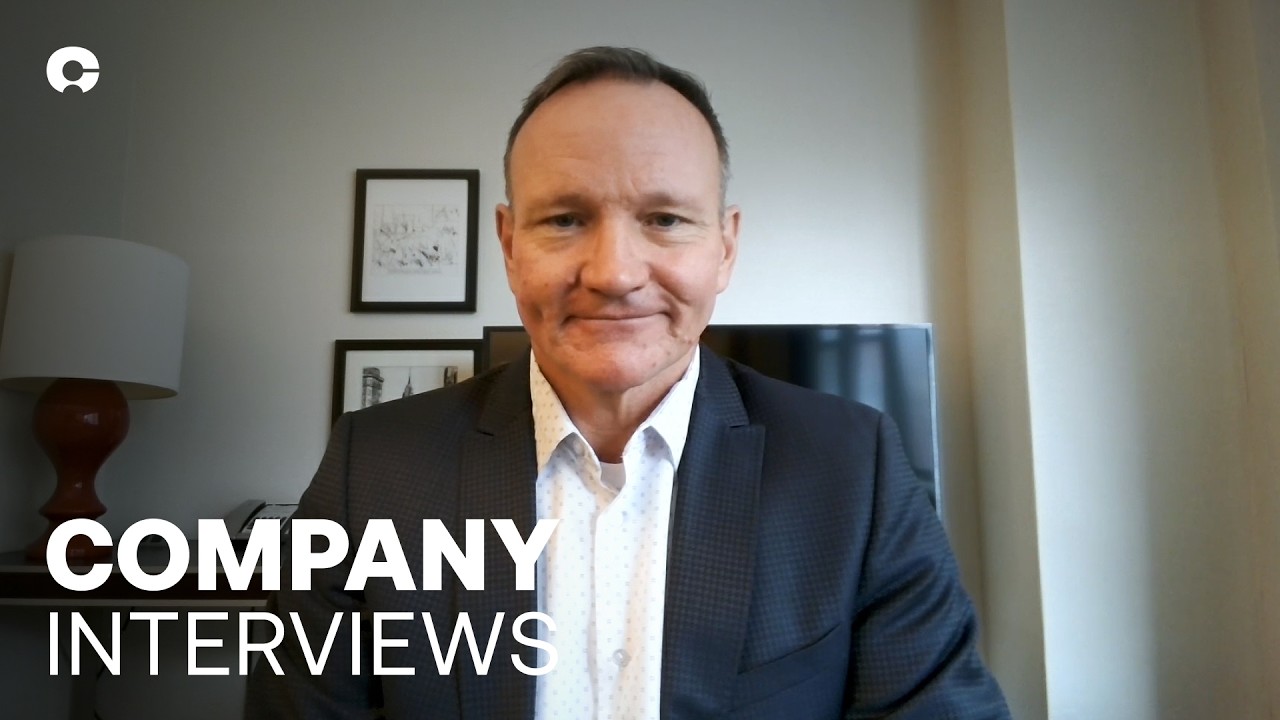
Nick Smart, Chief Executive Officer of ValOre Metals, discusses the need for diversified PGM supply:
"When you've got a market for PGEs that is as concentrated as it is in platinum and palladium, so much production coming out of South Africa, Zimbabwe, and Russia, there's a geopolitical risk here. I think there's going to be a realization of that and a desire to diversify some of where those metals are coming from."
Unresolved US Trade Case Keeps Palladium From Joining the AI-Driven PGM Rally
The AI-linked data center demand disclosed by Valterra Platinum applies to platinum, ruthenium, and iridium, not palladium, making palladium the clearest exception within the PGM market. Spot palladium has fallen roughly 22% since the start of 2026 to around $1,285-$1,369 an ounce, while platinum has advanced over the same period, even though both metals are commonly produced from the same mines and can substitute for each other in gasoline autocatalysts. Unlike platinum, ruthenium, and iridium, palladium does not benefit from the additional AI-linked demand and continues to face pressure from the unresolved US trade case.
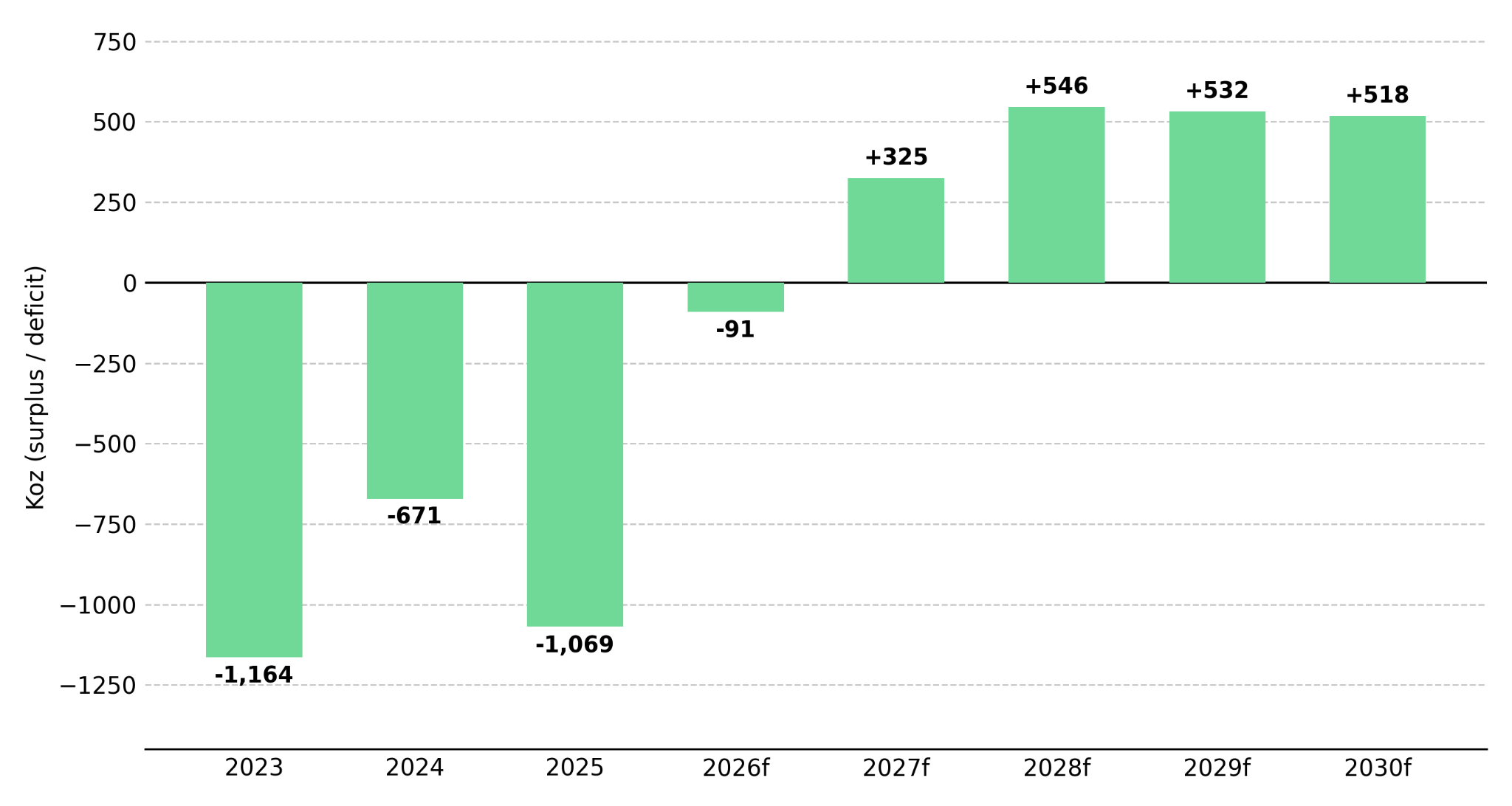
Palladium's weaker price performance is driven more by an unresolved US trade dispute than by demand. Sibanye-Stillwater, the sole primary US palladium producer, filed a summons with the US Court of International Trade on July 16, 2026, appealing a May 29, 2026 ruling by the US International Trade Commission that Russian palladium imports do not injure domestic producers. The ruling followed a preliminary US Department of Commerce determination that Russian palladium imports warranted combined duties of 241.93%, but those duties cannot take effect without an affirmative injury finding from the Commission. US palladium imports from Russia rose 35% between 2022 and 2024 while prices fell 50% over the same period, and Sibanye-Stillwater has already suspended parts of its Montana operations in response. Until the case is resolved, the trade dispute is likely to remain a significant driver of palladium prices alongside underlying supply and demand conditions.
AI & Green Hydrogen Demand Deepen PGM Deficits Beyond Consensus Models
AI-linked data centers and green hydrogen demand are adding new sources of PGM consumption to an automotive market supported by hybrid vehicle growth, but the impact differs across the metals. Platinum and ruthenium are adding new industrial demand to markets already in deficit, iridium is gaining a new source of demand from proton exchange membrane electrolysis, and palladium remains under pressure from an unresolved US trade dispute rather than its underlying supply-demand balance. Although these metals are produced together from the same ore bodies, differences in their demand drivers are resulting in diverging supply-demand balances and price performance.
WPIC forecasts above-ground platinum stocks to fall below three months of global demand cover by the end of 2026, leaving the market with a limited inventory buffer. Lower inventories leave less capacity to absorb additional demand from AI-linked data centers, hybrid vehicles, or other sources, increasing the likelihood that future demand growth will be reflected in higher platinum prices.
The Investment Thesis for Platinum Group Metals
- AI-linked data center demand and green hydrogen electrolysis are creating new sources of consumption for specific PGMs that were not incorporated into most consensus deficit forecasts.
- Automotive demand remains the largest combined end use for platinum, palladium, and rhodium, while hybrid vehicle growth is offsetting the decline in internal combustion engine vehicles and supporting autocatalyst demand despite rising battery electric vehicle adoption.
- Platinum, palladium, rhodium, ruthenium, and iridium are mined together in fixed geological ratios, preventing producers from increasing the supply of one metal without also increasing the supply of the others.
- Platinum, ruthenium, and iridium are gaining new industrial demand from AI data centers and green hydrogen production, while palladium remains under pressure from an unresolved trade dispute over Russian imports.
- Global production remains concentrated in a small number of jurisdictions, and because PGMs are mined together in fixed geological ratios, producers cannot quickly increase the supply of one metal without also increasing the supply of the others.
- Exploration and development projects with defined PGM resources outside the traditional production base provide exposure to multiple demand drivers, although they also carry the permitting, financing, and technical risks typical of projects that have not yet reached a preliminary economic assessment.
The recent PGM price performance is being driven by distinct demand catalysts rather than a single market-wide trend. AI-linked data center demand, resilient automotive demand, and new green hydrogen demand for iridium are increasing consumption beyond the assumptions used in many consensus deficit forecasts, while platinum and ruthenium were already in deficit before these new demand sources emerged. Palladium remains the exception because its price is being driven by an unresolved US trade dispute rather than the additional industrial demand supporting platinum, ruthenium, and iridium. Although these metals are produced together from the same ore bodies, differences in their demand drivers are resulting in diverging supply-demand balances and price performance.
TL;DR
AI-linked data center demand is creating a new source of platinum group metal consumption that was not incorporated into most consensus deficit forecasts and could deepen existing supply shortages. Platinum and ruthenium were already in deficit before this new demand emerged, while hybrid vehicle growth continues to support automotive demand despite rising battery electric vehicle adoption. Supply remains constrained because PGMs are mined together in fixed geological ratios from aging operations concentrated in Southern Africa, Zimbabwe, and Russia. Palladium remains the exception, with its weaker price driven by an unresolved US trade dispute rather than AI-related demand. Together, these factors suggest consensus deficit forecasts may understate tightening conditions for several PGMs.
FAQs (AI-Generated)
Analyst's Notes





Subscribe to Our Channel





Stay Informed


