




Pedra Branca PEA Must Turn 2.2 Million Ounces Into an Operating Case


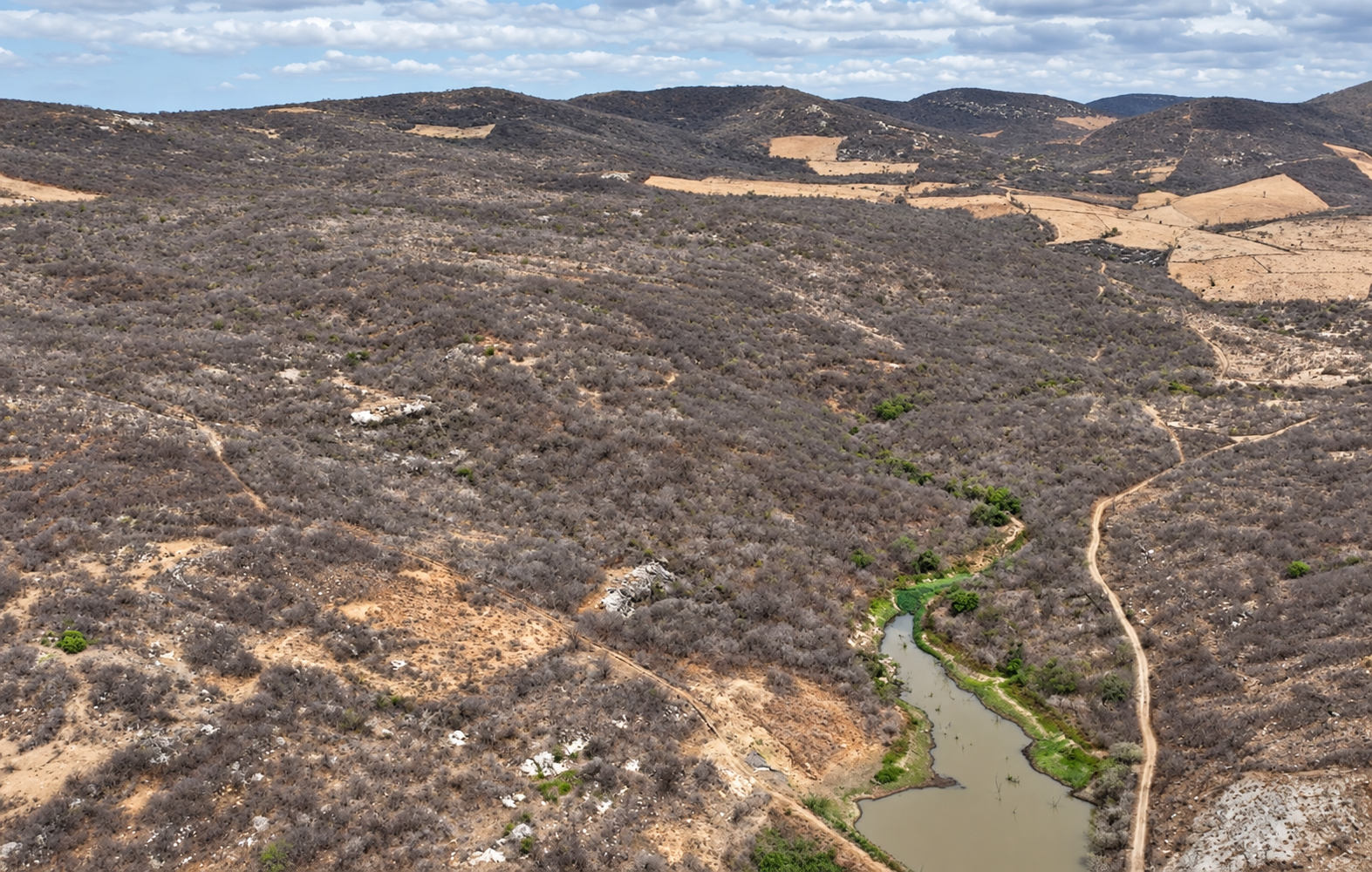
ValOre's Pedra Branca PEA must price recovery, capex & Phase 1 scale for 2.2 million ounces of platinum, palladium & gold in Ceará, Brazil.
- ValOre Metals is targeting a preliminary economic assessment (PEA) for its Pedra Branca platinum, palladium and gold project in Ceará State, Brazil, in the fourth quarter of 2026.
- The inferred resource totals 2,198 thousand ounces in 63.3 million tonnes, grading 1.08 grams per tonne, across 7 near-surface zones suitable for open-pit mining.
- About 40% of the ounces are in weathered material that is harder to float and is being tested for hydrometallurgical and heap-leaching processes. The fresh 60% is being tested for flotation.
- The study will compare throughput scales and weigh recovery against capital intensity before recommending a single case.
- Management favors a stepwise build: licensing a Phase 1 first, with the option to add Phases 2 and 3.
What 2.2 Million Ounces Cannot Yet Show
A 2.2-million-ounce resource tells investors how much metal is in the ground at Pedra Branca. It does not yet tell them how much of that metal can be recovered, at what throughput, or for what upfront spend. ValOre Metals (TSXV: VO | OTCQB: KVLQF) is targeting its first preliminary economic assessment (PEA) on the project in the fourth quarter of 2026. The study will be the company's first published attempt to put numbers against those questions.
An Established Resource Awaiting an Economic Case
The 2022 NI 43-101 estimate totals 2,198 thousand ounces of platinum, palladium and gold in 63.3 million tonnes grading 1.08 grams per tonne. All of it is in the inferred category, spread across 7 near-surface resource zones. The 4 core deposits, Esbarro, Curiu, Cedro and Cana Brava, host more than 1 million ounces. The Trapia and Massape zones to the south account for more than 1 million ounces.
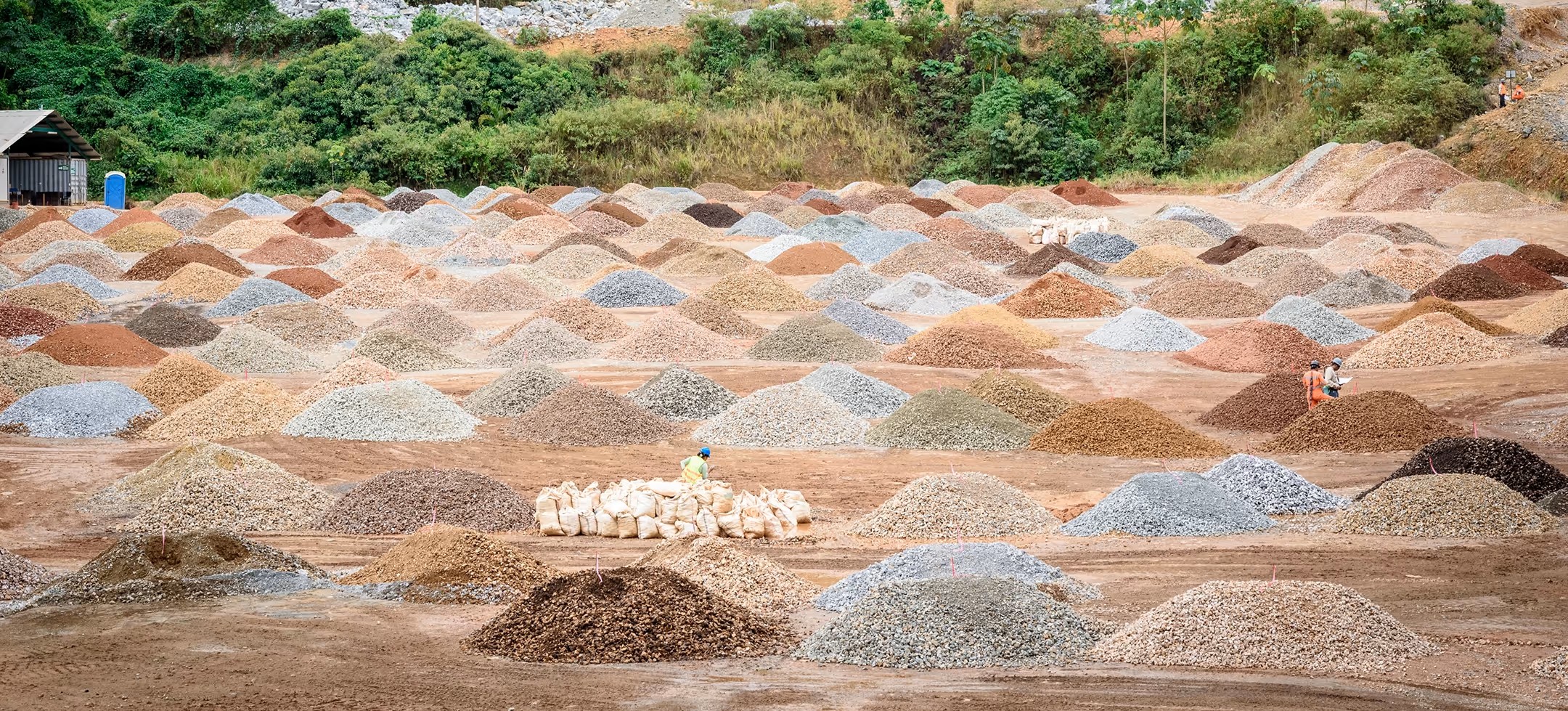
Targeted drilling by ValOre doubled the inferred resource from 1.1 million to 2.2 million ounces. More than 6,000 meters drilled across 5 new zones in 2023 are outside the current estimate. ValOre has scheduled a resource update, including recently drilled targets, for the third quarter of 2026, to be sequenced with the PEA.
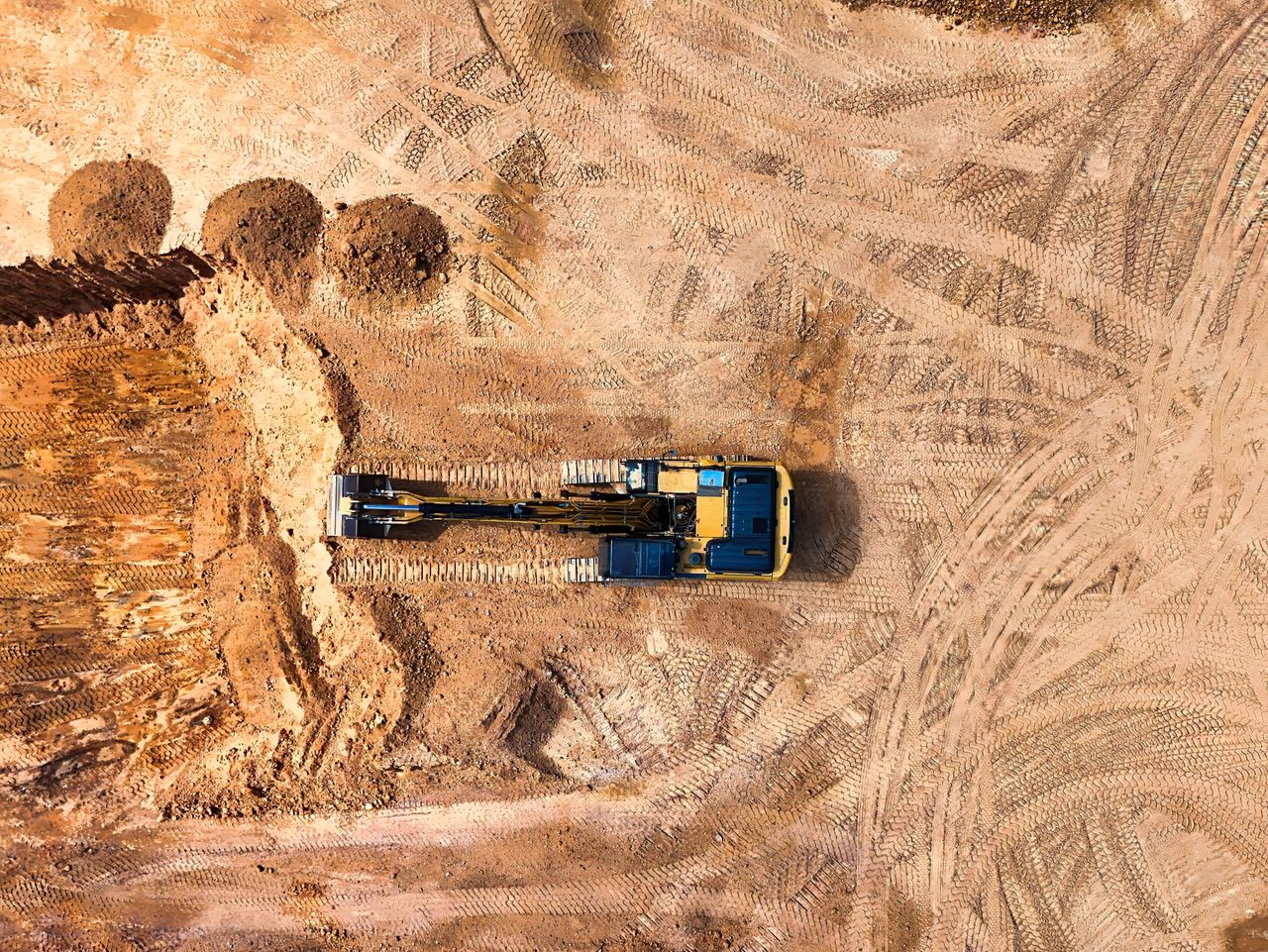
The deposits are near surface and planned for open-pit mining, with no deep-level underground development required. Processing carries more of the study's open questions. Chief Executive Officer Nick Smart is a chemical engineer with 21 years at Anglo American and De Beers. He has identified processing as a high-cost area where ValOre is working to develop low-cost options.
2 Ore Types, 2 Processing Routes
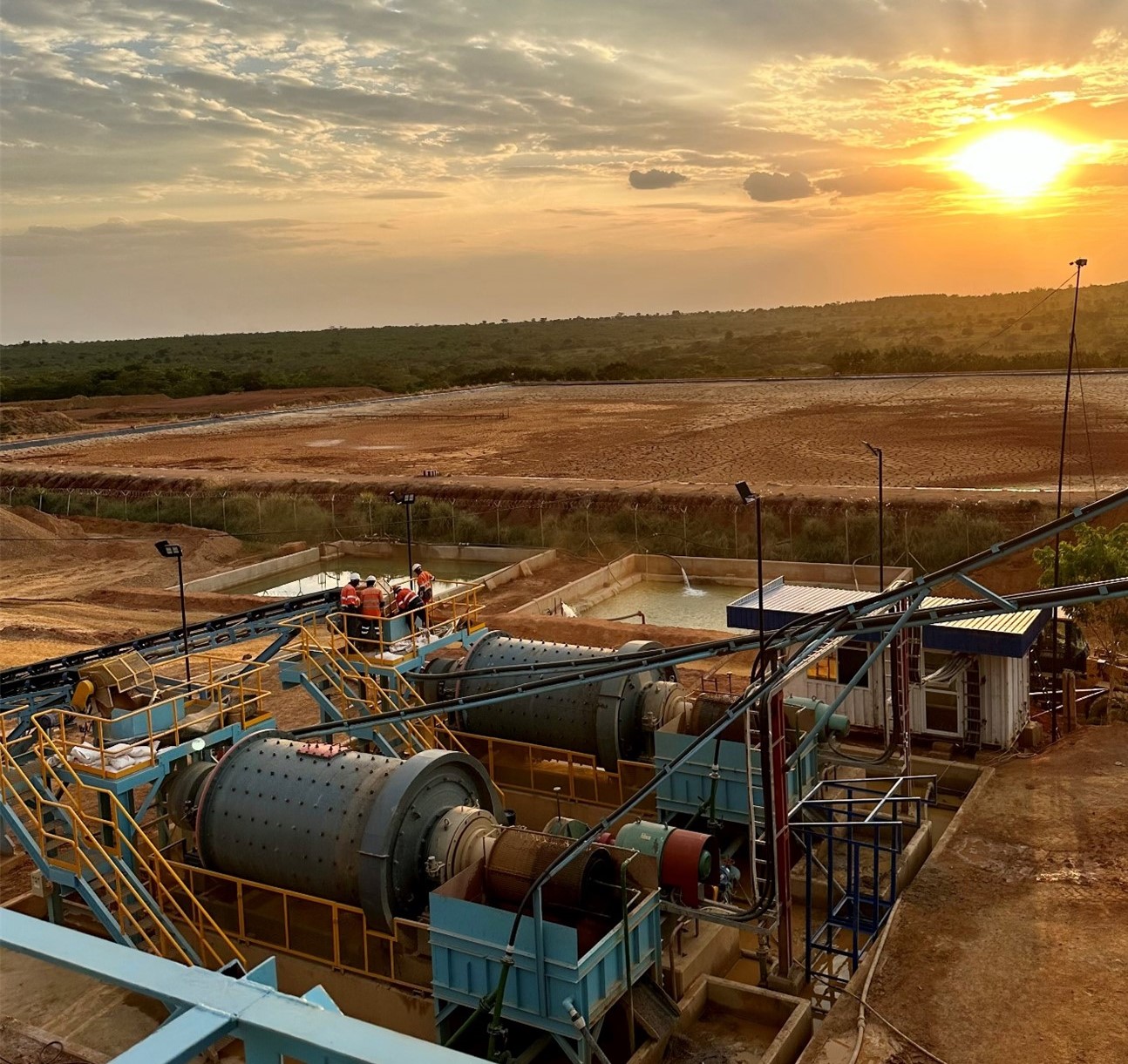
By ounce count, Pedra Branca splits about 40% weathered to 60% fresh material, and the two respond differently to treatment. Weathered, oxidized material is more difficult to float, so ValOre's work on that horizon focuses on hydrometallurgy. Fresh ore is being developed on a more standard flotation route that would produce a concentrate.
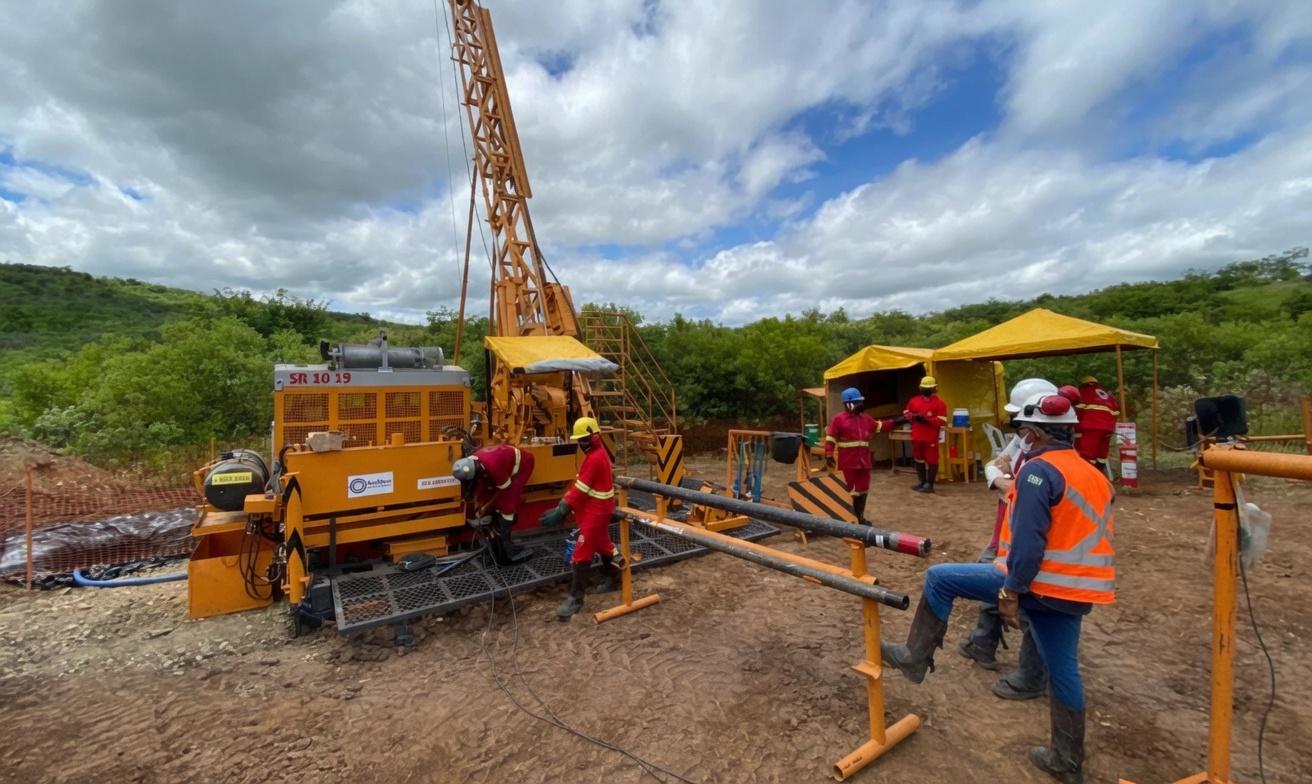
Testwork has scaled up from 1-liter shake-flask tests to stirred-tank vessels, with column tests assessing heap leachability. The flotation and leaching work is being run in partnership with the University of Cape Town. Recoveries for both routes are still being defined, and the PEA will be the first study to publish those assumptions.
Recovery Against Capital Intensity
A dual flowsheet puts the capital question up front. The PEA will weigh a higher-recovery processing setup against a lower-capital-expenditure setup with slightly lower overall recoveries. It will also compare several plant throughput options, balancing capital intensity against resource scale. It will then recommend one case for optimization at pre-feasibility and later study stages.
Smart has offered his own benchmark for scale. In his view, a 2-million-ounce platinum group element (PGE) resource could be economically comparable to perhaps 1 million ounces of gold, given the price difference between the metals, with probably roughly similar all-in sustaining costs depending on the setup. The PEA will be the first study to test that comparison against modeled costs.
Sizing Phase 1 Around Water, Power & Infrastructure
Site constraints also shape the scale decision. ValOre is trading the size of the operation against the infrastructure, water and energy it would need, and preliminary water and power supply studies are continuing. The project is a 4-hour drive by paved highway from the Fortaleza deep-water port and international airport, with project operations based at Capitão Mor.
Smart described the development path the company currently favors:
"I think for what we're seeing at the moment, the most likely approach for us is a stepwise approach. So develop it, prove the process, go down through a licensing route which allows us to open a Phase 1 with the ability to add Phases 2 and 3 into the future."
A phased plan shifts the PEA's burden to 2 linked questions. The first is how small an initial operation can be while still standing on its own economics. The second is how much recovery or scale Phase 1 gives up in exchange for a lower entry cost.
Smart made the case for an earlier start:
"I think getting to the point where you can bring your production date forward is always better. You don't need to show scale from day one."
Where the Concentrate Goes
The fresh-ore route would produce a flotation concentrate, and at the PEA stage, ValOre is assessing marketability by conducting a global search for options. One of those options is domestic. Bravo Mining is looking to build a smelter complex at the port of Barcarena in Pará State, within its export zone. ValOre has described a potential customer that is logistically very attractive. Brazil is also a major end user of PGEs through its automotive manufacturing sector.
What the PEA Needs to Show
The figures that will define Pedra Branca as a development project have not yet been published. They include recovery assumptions for the weathered and fresh routes, as well as the recommended throughput and initial capital for Phase 1. They also include operating costs, mine life, annual production, and the timing assumed for Phases 2 and 3. The resource update sequenced with the study will set how many ounces feed that plan.
ValOre is scheduling licensing and environmental impact assessment work on Pedra Branca for the first quarter of 2027, after the PEA. Smart described the study as a big next step. The next study phases, further exploration, and the start of licensing are to follow as the company works to put the project on a development track.
FAQs (AI-Generated)
Analyst's Notes





Subscribe to Our Channel



Stay Informed


