




Sovereign Metals: Dual-Mineral Giant Poised for Critical Materials Boom


SVM's Kasiya project shows 28% IRR, US$1.6B NPV with Rio Tinto backing. Dual critical minerals perfectly positioned for energy transition demand surge.
- Kasiya Pre-Feasibility Study delivers exceptional returns with US$1,605M after-tax NPV and 28% IRR over 25-year initial mine life.
- One project producing both rutile (world's largest deposit) and graphite (66.3kg per EV), targeting high-growth energy transition markets.
- Rio Tinto invested A$40.4M for 15% stake with operational options, providing financing pathway and market access.
- Operating costs of US$404/t FOB position Kasiya as the lowest-cost producer in both rutile and graphite sectors.
- Natural rutile supply faces 52% decline by 2033 while graphite demand surges 230% since 2020 driven by EV adoption.
Company Overview: Targeting Net Zero with Dual Minerals
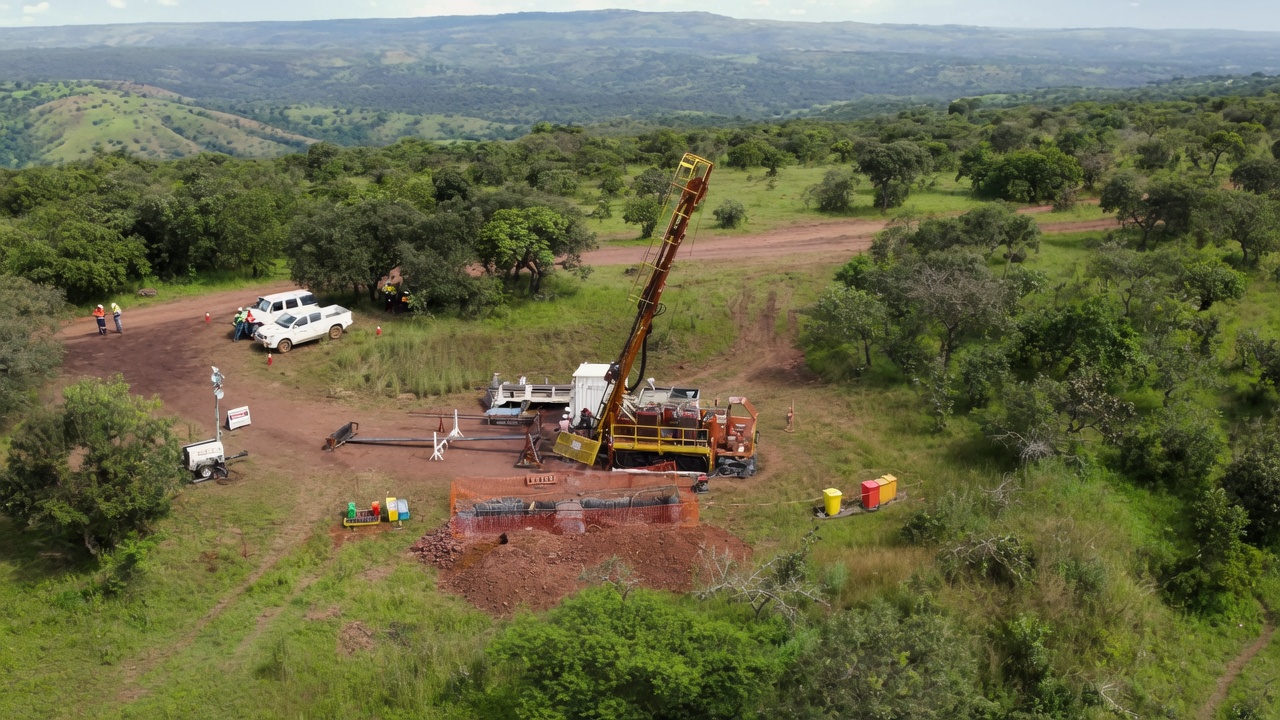
Sovereign Metals Limited represents a unique investment proposition in the critical minerals space. The company's flagship Kasiya project in Malawi houses both the world's largest rutile deposit and one of the largest graphite deposits globally, positioning it at the intersection of two high-demand markets driven by decarbonization trends.
Based on the September 2023 Pre-Feasibility Study, Kasiya contains 1,809Mt total resources at 1.01% rutile and 1.32% graphite, with proven and probable reserves of 538Mt supporting an initial 25-year mine life. The project's scale becomes apparent when considering annual production targets: 222ktpa rutile and 244ktpa graphite, making Sovereign poised to become the world's largest producer of both minerals.
The strategic significance extends beyond scale. Rio Tinto's July 2023 investment of A$40.4M for a 15% stake validates both the project's technical merit and commercial potential. This partnership includes collaboration rights for graphite qualification in lithium-ion battery markets and optional operatorship arrangements, providing Sovereign with institutional backing and market access that smaller developers typically lack.
Key Development: PFS Delivers World-Class Returns
The September 2023 Pre-Feasibility Study results fundamentally reposition Sovereign Metals as a premier critical minerals investment opportunity. The study demonstrates exceptional economics with an after-tax NPV of US$1,605M using an 8% discount rate and a 28% internal rate of return, metrics that place Kasiya among the most attractive undeveloped mining projects globally.
Capital requirements remain manageable at US$597M for initial production, with the project generating average annual EBITDA of US$415M and maintaining a robust 64% EBITDA margin throughout the mine life. Operating costs of US$404/t FOB Nacala position Kasiya as the lowest-cost producer in both sectors, providing significant buffer against commodity price volatility.
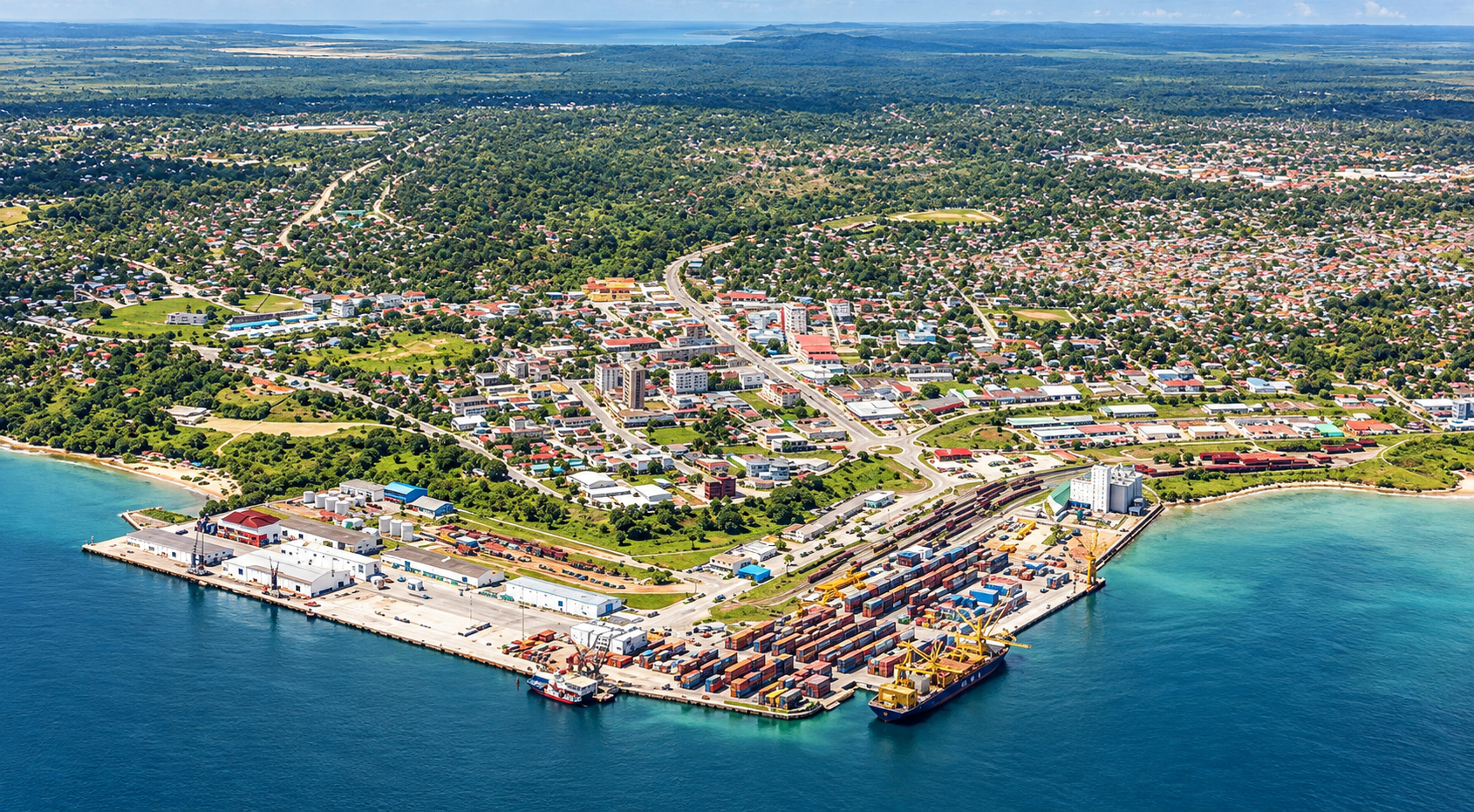
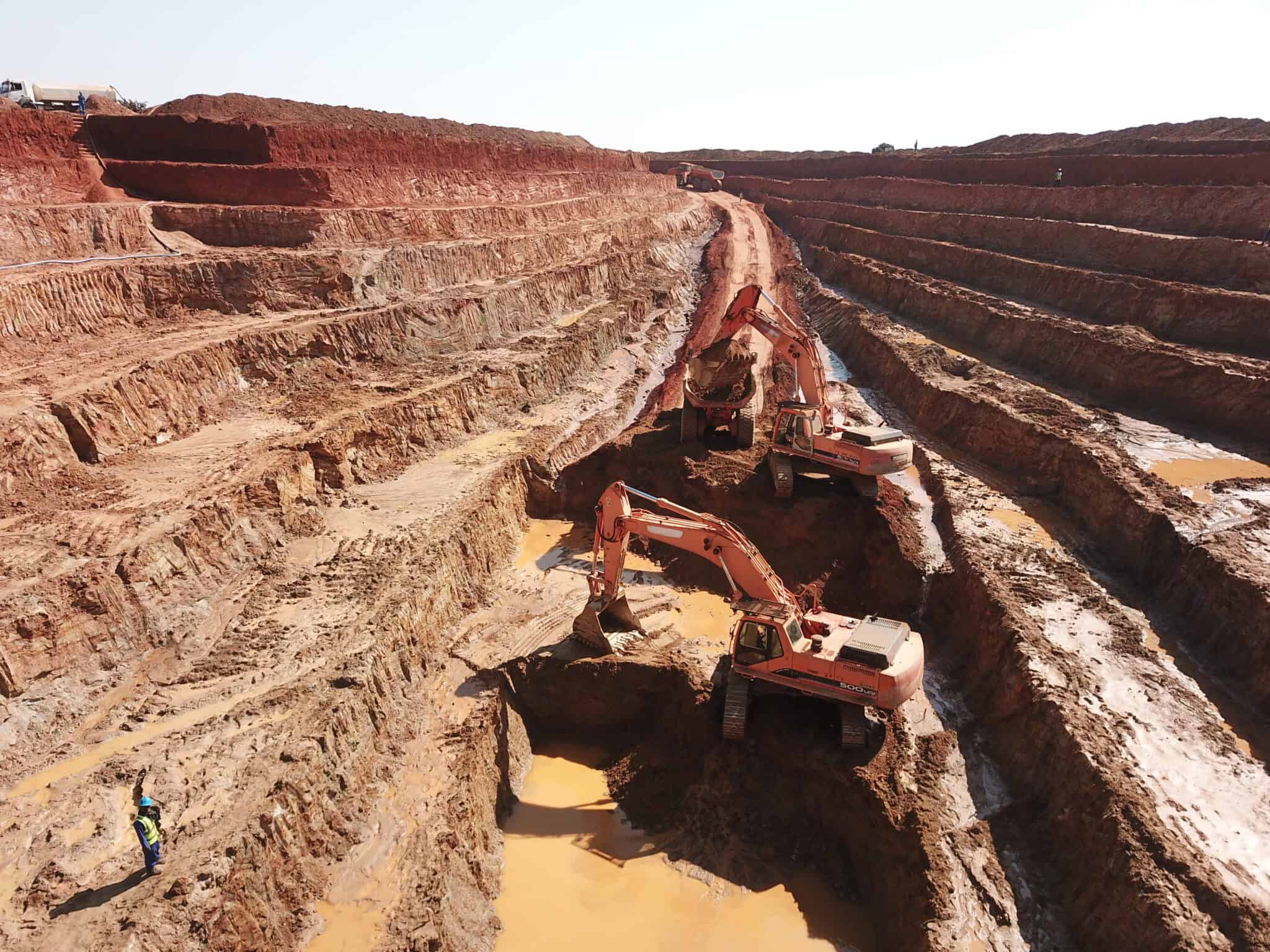
The project benefits from innovative hydro-mining techniques that reduce both costs and environmental impact. This approach, combined with Malawi's renewable energy grid (96.6% solar and hydro), delivers the world's lowest carbon footprint for both rutile and graphite production a critical advantage as ESG considerations increasingly influence procurement decisions across supply chains.
Strategic Significance: Critical Minerals Supply Crunch
Current market dynamics strongly favor Sovereign's dual-mineral strategy. Natural rutile supply faces an imminent crisis, with existing major producers Sierra Rutile (136ktpa) and Base Resources (65ktpa) reaching end-of-mine-life within 1-3 years. This creates a supply gap that Kasiya's 222ktpa production can help fill, with natural rutile commanding premium pricing due to its superior specifications compared to synthetic alternatives.
The graphite market presents even more compelling fundamentals. Electric vehicle adoption has driven 230% growth in EV sales since 2020, with each vehicle requiring 66.3kg of graphite the single largest mineral component by weight in lithium-ion batteries. Current graphite market deficits are projected to widen dramatically, reaching 3,000-4,000kt shortfalls by 2030 according to multiple industry forecasts.
Tesla's Master Plan 3 identifies US$104B in graphite investment requirements to support global electrification goals. Sovereign's low-cost, low-carbon graphite production directly addresses automotive industry priorities for sustainable supply chains, positioning the company to capture premium pricing for ESG-compliant material.
Current Activities: Advancing Toward Development
Following PFS completion and Rio Tinto's strategic investment, Sovereign has entered an optimization phase prior to commencing a Definitive Feasibility Study. The company is establishing a formal Technical Committee with Rio Tinto to enhance project development and advance graphite product qualification for battery anode markets.
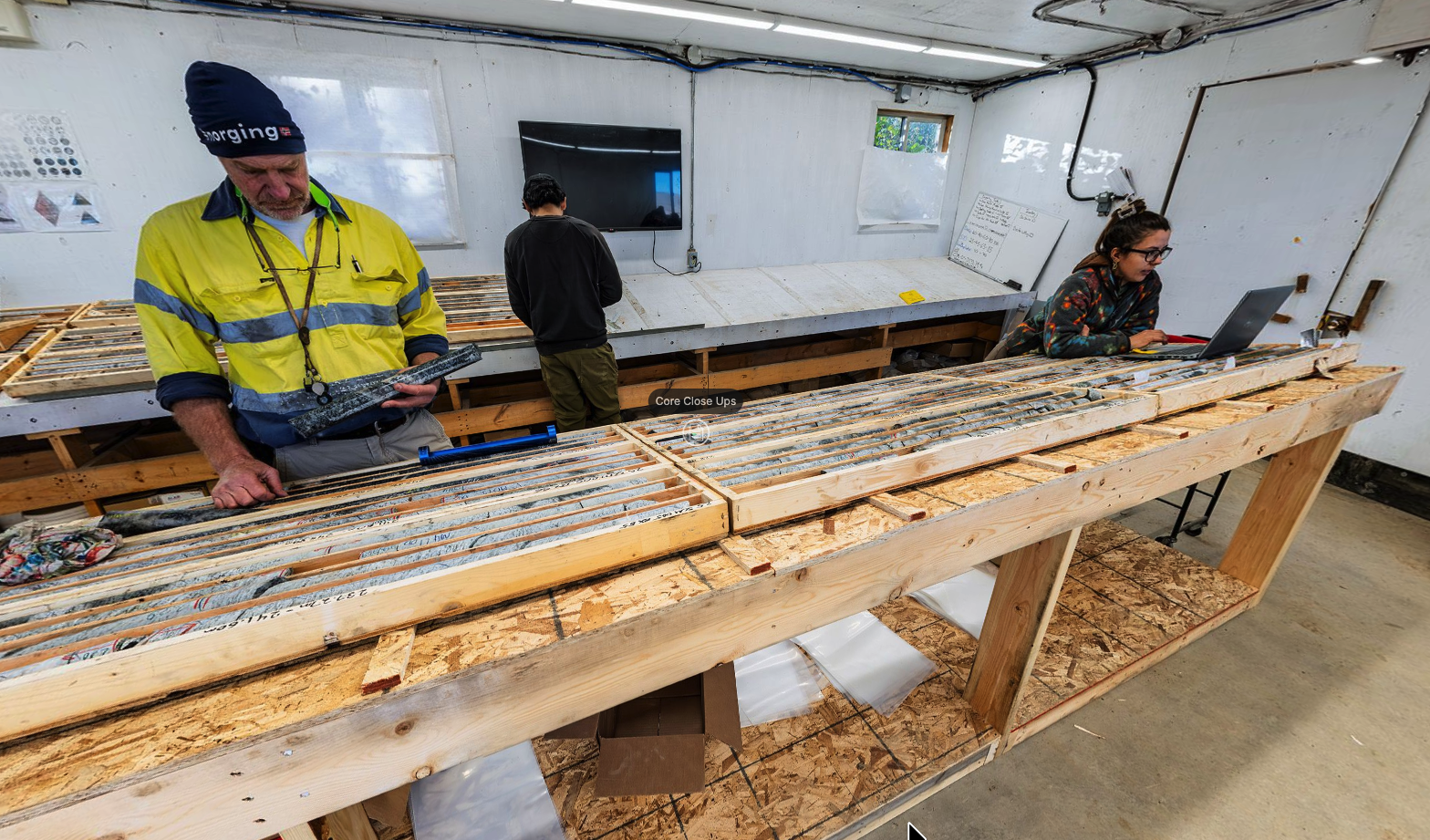
The graphite qualification process represents a critical near-term catalyst. Success in qualifying Kasiya's coarse flake graphite (96% carbon grade, 67.5% metallurgical recovery) for spherical purified graphite markets could unlock significant value premiums. Battery-grade graphite trades at US$2,680/t compared to Kasiya's PFS price assumption of US$1,290/t, indicating substantial upside potential.
Government support remains strong, with Malawi's Ministry of Mining establishing an inter-ministerial Project Development Committee to facilitate permitting processes. This institutional backing, combined with the country's focus on mining as a key economic development sector, provides confidence in execution timelines and regulatory approval pathways.
Market Context: Graphite Trends Supporting Investment Thesis
Recent analysis of graphite market dynamics reinforces the investment case for Sovereign Metals. The broader graphite sector faces structural supply constraints as Chinese production dominance (~80% market share) creates concentration risks that Western manufacturers increasingly seek to mitigate through supply chain diversification.
The market entered 2026 with oversupply conditions creating near-term pricing pressure, but long-term demand fundamentals remain structurally strong. Energy storage system (BESS) deployment is growing faster than overall battery demand, supporting volume forecasts through the decade. This demand growth trajectory, combined with qualification timelines for new supply sources, suggests current oversupply conditions represent temporary market dynamics rather than structural shifts.
Trade policy developments add another layer of support. Recent anti-dumping measures and tariff actions have created market segmentation that benefits non-Chinese producers. While these measures initially increased short-term volatility, they ultimately support longer-term supply responses and investment decisions that favor geographically diversified production bases like Sovereign's Malawi operations.
Financial Position & Capital Structure
Sovereign Metals maintains a robust financial position with approximately A$46M in cash following Rio Tinto's strategic investment. The company's dual-listing on ASX and AIM provides access to diverse capital markets, with current market capitalization of A$225M (£128M) representing significant discount to PFS-demonstrated project value.
The shareholder register includes high-quality institutional investors, with Rio Tinto holding 15%, Sprott Asset Management at 8%, and directors maintaining 7% ownership. This alignment of interests between management, strategic partners, and sophisticated institutional investors provides confidence in capital allocation decisions and development execution.
Current enterprise value calculations suggest substantial upside potential. Using conservative discount rates and PFS-demonstrated cash flows, Kasiya's NPV significantly exceeds current market capitalization, indicating either market inefficiency or skepticism regarding execution timelines that successful development would resolve.
The Investment Thesis for Sovereign Metals
- Kasiya's rutile-graphite combination provides portfolio hedge across multiple high-growth markets.
- Strategic investor backing reduces development risk while providing operational expertise and market access.
- Current valuation provides attractive entry point relative to PFS demonstrated returns.
- Kasiya's US$404/t operating costs provide significant margin protection during commodity cycles.
- Renewable energy-powered operations position for premium pricing as sustainability requirements tighten.
- Natural rutile's 52% supply decline by 2033 creates near-term pricing catalysts independent of long-term trends.
Sovereign Metals represents a compelling investment opportunity at the intersection of critical minerals supply constraints and energy transition demand growth. The company's dual-mineral strategy provides diversified exposure to two high-growth markets while Rio Tinto's strategic partnership reduces development risk and accelerates commercialization timelines.
The investment case rests on several converging factors: exceptional project economics demonstrated through rigorous PFS analysis, strategic partnership validation from a Tier 1 mining company, and favorable supply-demand dynamics across both target commodities. Market positioning as the lowest-cost global producer in both sectors provides downside protection while ESG-compliant operations enable premium pricing capture.
Near-term catalysts include graphite product qualification results, DFS advancement, and potential Rio Tinto operatorship decisions. Longer-term value creation depends on successful project development and commodity market evolution, both supported by current trends toward supply chain diversification and renewable energy adoption. For investors seeking exposure to critical minerals with proven economics and strategic backing, Sovereign Metals offers a unique combination of scale, quality, and timing that merits serious consideration.
TL;DR
Sovereign Metals offers exceptional investment opportunity through world's largest rutile deposit combined with major graphite resources, delivering 28% IRR economics with Rio Tinto partnership backing and positioned for critical minerals supply crunch.
FAQs (AI-Generated)
Kasiya combines world's largest rutile deposit with major graphite resources in single operation, providing unique dual-mineral revenue streams with lowest global operating costs.
Rio Tinto's A$40.4M investment for 15% stake includes potential operatorship rights and marketing agreements, providing institutional validation and development pathway.
Key risks include commodity price volatility, development execution challenges, regulatory approval timelines, and competition from synthetic alternatives.
Following successful DFS completion and financing, production could potentially begin within 3-5 years, subject to permitting and construction schedules.
Near-term oversupply creates temporary pricing pressure but long-term structural demand from EV adoption and energy storage supports multi-decade growth trajectory.
Analyst's Notes





Subscribe to Our Channel

.png)

.png)

Stay Informed


