




Two New Gabar Oil Fields Strengthen Turkey’s Onshore Exploration Case



New Gabar oil fields support Turkey’s onshore exploration case, with drilling results and project costs shaping future supply.
- New producing fields in Gabar provide evidence for evaluating nearby exploration targets, while results from each license determine whether further drilling expenditure is justified.
- The government’s preliminary estimate of 135 million barrels covers oil in place across the two new fields, while project value depends on recoverable volumes, development costs, and operating costs.
- Surveys that map underground rock structures can help explorers select drilling locations before committing to wells, linking exploration spending to defined targets.
- Testing potential projects against different oil prices, production rates, costs, and start dates shows how changes in those assumptions affect potential returns.
- The government is targeting regional output above 100,000 barrels per day in the second half of 2027, making sustained well production the test of whether planned drilling delivers additional supply.
New Discoveries Broaden Turkey's Onshore Oil Exploration Opportunity
New producing fields in Gabar give explorers a basis for evaluating nearby acreage before committing capital to drilling. President Recep Tayyip Erdoğan announced two new producing fields, Gaziler and Çardaklı, on November 9, 2026, saying production had begun in October. Erdoğan reported approximately 84,000 barrels per day from 184 wells across Gabar, providing the regional baseline for measuring planned production growth.
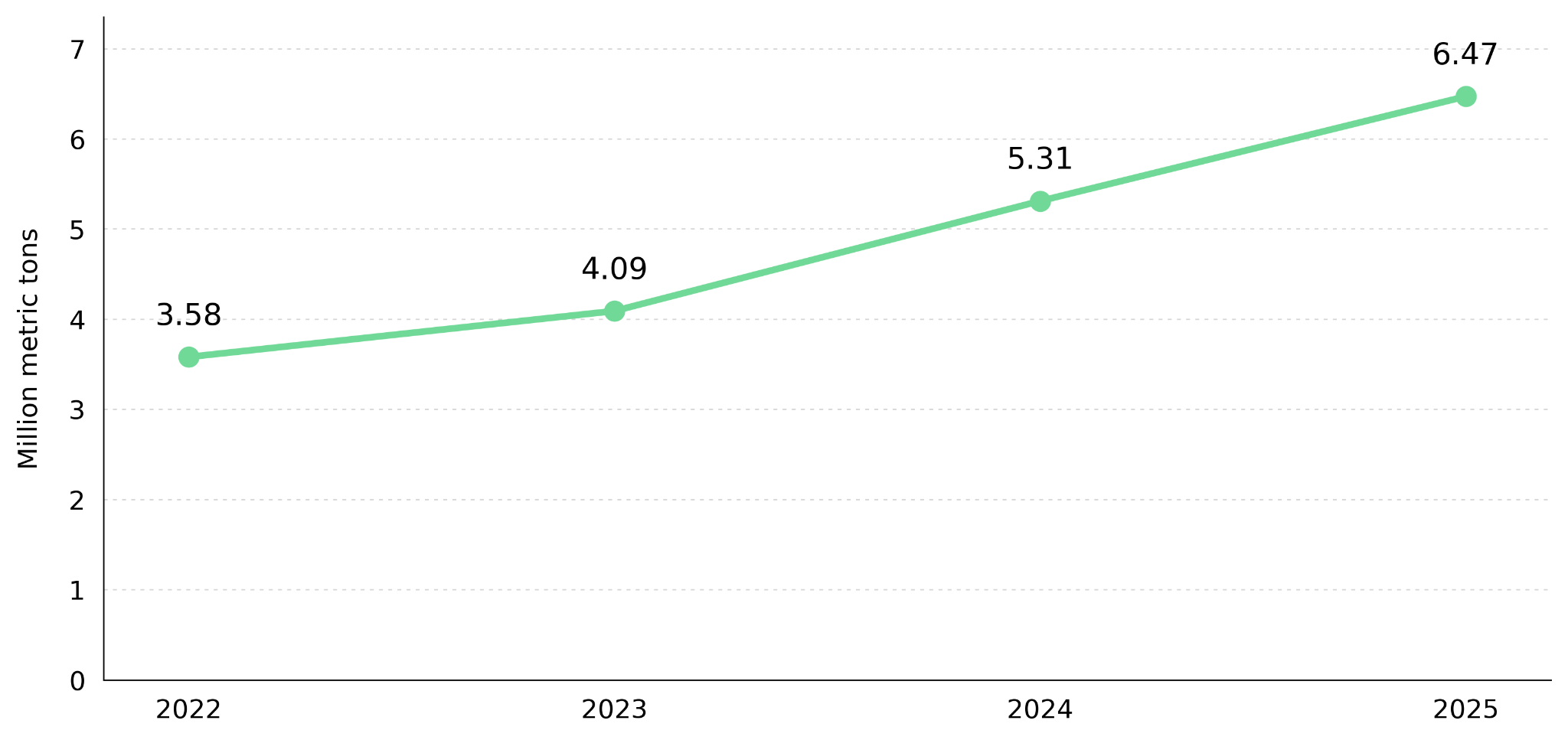
The government is targeting approximately 230 wells and regional oil output above 100,000 barrels per day in the second half of 2027. Its stated target of approximately 30% production growth depends on field development and additional wells delivering sustained output.
Development wells seek additional production from known accumulations, while exploration wells test new prospects that could support future supply. Separating these activities helps assess whether drilling expenditure is expanding established production or testing opportunities for additional discoveries.
Regional Discoveries Guide Spending on Additional Oil Targets
Nearby discoveries become relevant to exploration budgets when companies use the regional geological evidence to select targets on their own acreage.
Dune Oil has awarded a seismic survey contract for its M47 licenses to support its planned 2027 work program and future drilling. The survey aims to define drilling targets more clearly, helping guide future exploration spending.
Scott Lower, President of Dune Oil, highlights additional targets that could support future discoveries:
“We have four other defined structures that we intend to drill that can also potentially result in new discoveries that we're very excited about drilling in the future.”
Seismic Interpretation Helps Direct Drilling Capital
Interpreting seismic data alongside other geological information helps map structures where oil could collect. The results can help rank drilling locations or identify information gaps before funding a well.
Each proposed well should have an estimated cost, supporting geological evidence, and a clear question that drilling is intended to resolve. This connects the drilling budget to the information needed for the next spending decision.
Recoverability Determines the Commercial Value of Oil Discoveries
The government’s November 9, 2026 announcement identified approximately 135 million barrels of preliminary oil-in-place potential across Gaziler and Çardaklı. The figure describes oil estimated to be underground, while commercially recoverable volumes require a separate assessment.
Well testing helps estimate production rates and equipment requirements, informing forecasts of oil sales and operating costs. Water produced alongside oil can increase handling costs, affecting the margin retained from each barrel sold.
Recoverable volumes, production timing, development costs, fiscal terms, and selling prices determine projected net cash flow. Net Present Value (NPV) discounts those cash flows to today’s money using a specified discount rate, allowing assessment of the effects of different costs and production schedules.
Changing Oil Prices Make Future Economics Central to Exploration Value
The US Energy Information Administration (EIA), in its November 10, 2026 Short-Term Energy Outlook (STEO), forecasts Brent to average about US$86 per barrel in 2027, with a fourth-quarter average of US$77. Based on model inputs finalized on November 5, the forecast assumes most Middle Eastern production outside Iran returns to pre-conflict averages by mid-2027.
Current oil prices affect producers’ sales revenue, while developers and explorers must assess prices relevant to potential future production. Matching price assumptions to a proposed production schedule connects project valuations to when oil could generate revenue.
Sensitivity analysis tests how changes in oil prices, production rates, recovery assumptions, costs, and schedules affect NPV. The results help identify which technical uncertainties should be addressed before committing further capital.
Regional production growth depends on developing known fields and identifying further commercially recoverable oil. Assessing delivered output alongside drilling results and development costs connects regional expansion targets to the work needed to supply additional barrels.
The Investment Thesis for Oil
- Explorers can build on regional discoveries by testing targets on their own acreage, with drilling results providing a basis for subsequent spending decisions.
- Mapping underground structures helps explorers select well locations and identify the geological questions that drilling expenditure is intended to resolve.
- Developers can estimate funding needs and potential revenue using recoverable volumes, production forecasts, approval timelines, and current development costs.
- Producers’ output, selling prices, operating costs, taxes, and royalties help determine the cash available from oil sales to fund additional wells.
- Testing oil prices, production rates, costs, and schedules shows how changes in these assumptions affect NPV and whether a potential development can justify its capital requirements.
- Documented license rights and approval requirements clarify which work can proceed and when, while disclosed fiscal terms help establish the share of future production revenue a project could retain.
Regional oil discoveries create opportunities for explorers to identify additional recoverable oil through targeted drilling. The strongest investment case connects that discovery potential with funded work programs, clear project rights, and development economics tested across oil prices. Value can emerge before production begins as technical work and economic assessment clarify recoverable volumes, development costs, and potential cash flow, giving exploration spending a measurable connection to future oil revenue.
TL;DR
Two new producing fields in Gabar support further onshore oil exploration in Turkey, where the government is targeting regional output above 100,000 barrels per day in the second half of 2027. The reported 135 million barrels represents preliminary oil-in-place potential, not a reserve estimate. Seismic surveys and well testing help explorers select targets and assess production potential. Dune Oil’s M47 survey contract illustrates this process. Future project value depends on recoverable volumes, development costs, funding, approvals, and oil prices when production begins.
FAQs (AI-Generated)
Analyst's Notes





Subscribe to Our Channel



Stay Informed


