




Iran De-escalation Cut Brent-WTI Spread to $7.06, Underpricing Supply Risk


With tanker insurance at 6%-10% of hull value, renewed Gulf disruptions could lift unhedged Brent-linked producers despite a global oil surplus.
- Brent’s premium over West Texas Intermediate (WTI) halved from $14.12 a barrel on October 27 to $7.06 on November 9 after President Trump signaled renewed strikes on Iran were highly unlikely.
- The $7.06 Brent-WTI spread fell below the $7.69 implied by the US Energy Information Administration’s (EIA) October 6 fourth-quarter forecast, signaling reduced compensation for Gulf shipping risk.
- J.P. Morgan estimated on November 4 that global oil supply exceeded demand by 1.1 million barrels per day in September and 1.4 million in October, adding downside risk to crude prices.
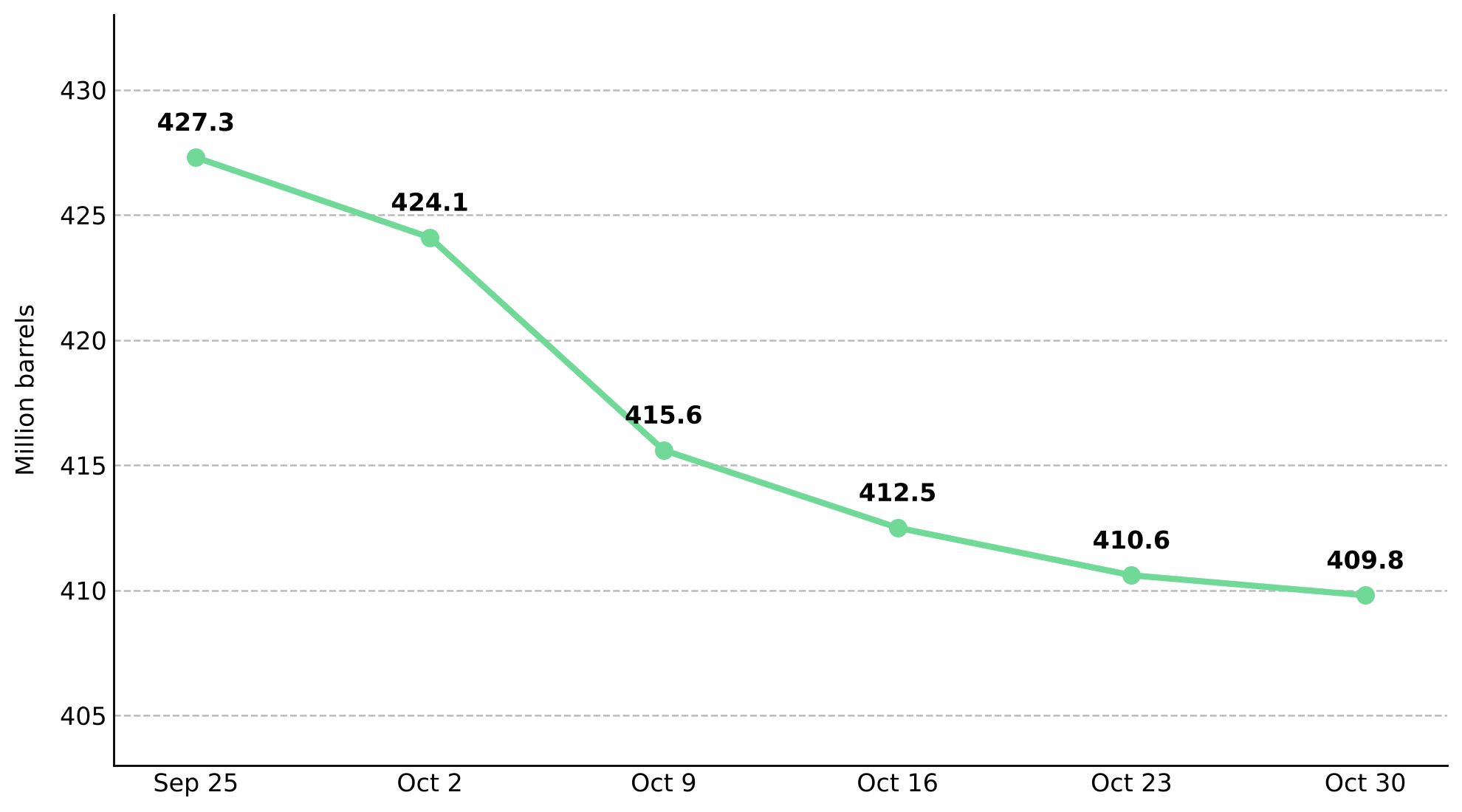
- US commercial crude inventories fell for a fifth straight week to 409.8 million barrels on October 30, 4% below the five-year average, signaling tighter US supplies despite estimates of a global oil surplus.
- Brent’s decline could reverse if renewed Strait of Hormuz disruptions restore the geopolitical risk premium, creating potential upside despite signs of US-Iran de-escalation.
Trump’s Iran Comments Push Brent-WTI Spread Below Forecast
President Trump said renewed strikes on Iran were highly unlikely as negotiations progressed on Iran’s nuclear program and reopening the Strait of Hormuz. Brent fell 1.5% to $96.91 a barrel while WTI declined 1% to $89.85, narrowing their spread to $7.06 as the market reduced its Gulf shipping risk premium.
The Brent-WTI spread fell from $14.12 on October 27 to below the $7.69 implied by the EIA’s fourth-quarter forecast, approaching its prewar range of $3 to $5. However, shipping risks remain, with Iran’s Islamic Revolutionary Guard Corps reporting three tankers on fire in the Strait of Hormuz and Iran-aligned Houthis claiming an attack on Saudi Aramco’s Riyadh offices, despite no verified improvement in transit conditions.
Recovering Gulf Exports Widen Global Oil Surplus
J.P. Morgan estimated that global oil supply exceeded demand by 1.1 million barrels per day in September and 1.4 million in October. Middle East exports recovered from 9.8 million barrels per day in March to 20.7 million, Latin American supply rose roughly 1.5 million barrels per day year over year, and global demand fell about 3.3 million barrels per day since the conflict began. Rising supply and weaker demand reduced the scarcity premium supporting seaborne crude prices.
Iran Policy Uncertainty Keeps Tanker Insurance at 6%-10%
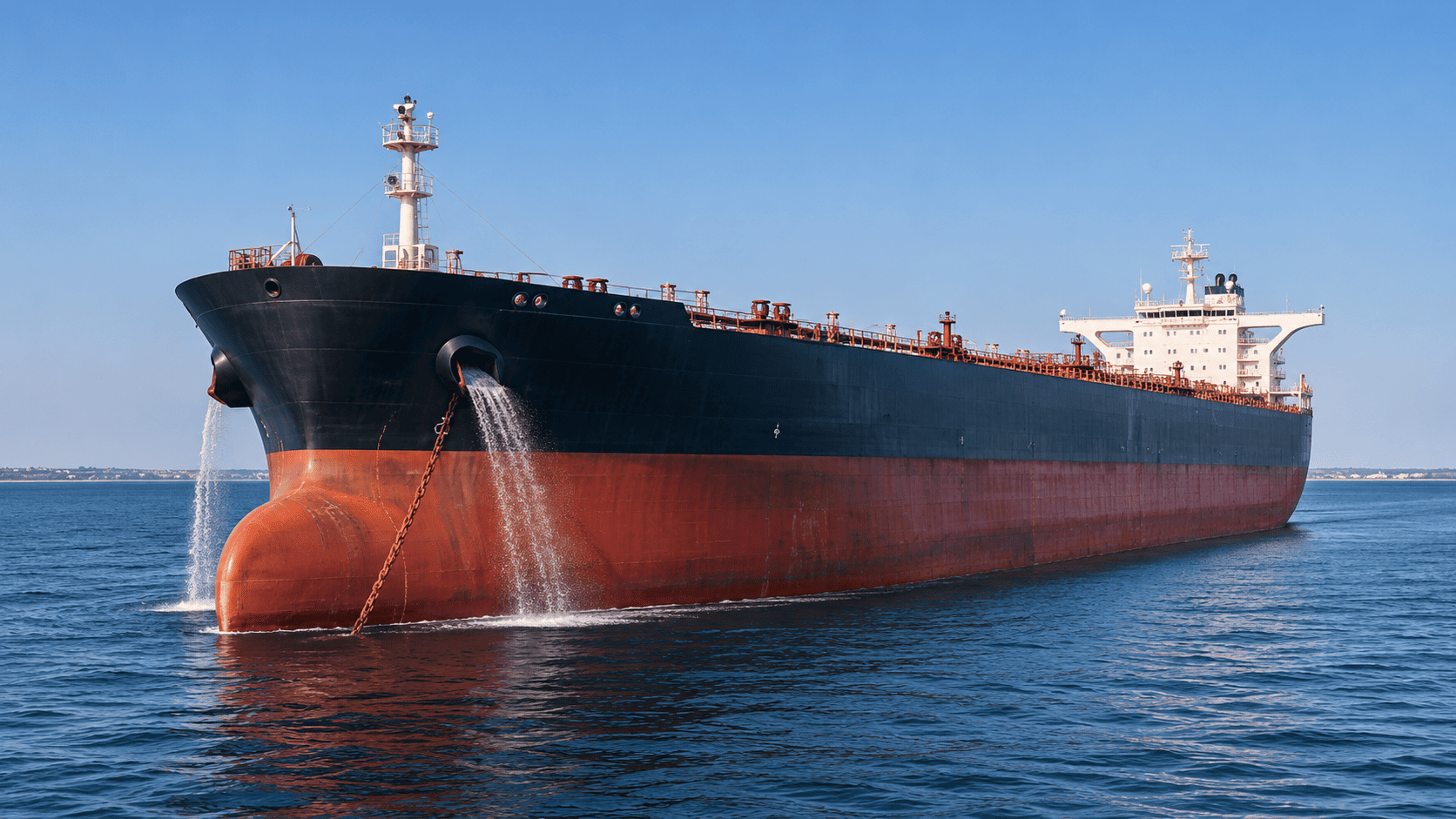
War-risk insurance for Strait of Hormuz transits remains at 6% to 10% of hull value, up from 0.25% before the war, raising costs from $250,000 to $6 million to $10 million for a $100 million tanker. Rates have remained unchanged since early October, while no agreement has been signed and Iranian Foreign Minister Abbas Araghchi has reported no progress. Tim Waterer, Chief Analyst at KCM Trade, told Reuters:
“The market is still waiting to see whether the midterms have produced a lasting shift in Trump’s approach to the conflict, or whether this is just another temporary change in tone.”
Unhedged Brent-Linked Producers Face Margin Pressure
Non-integrated producers selling unhedged Brent-linked crude face lower revenues while lifting costs, royalties, and service contracts remain fixed, squeezing margins. Producers that sold output forward near the premium’s peak locked in earlier prices but retained delivery risk, while Brent-linked funds and crude-indexed notes remain exposed to price swings.
US distillate inventories fell to 99.3 million barrels, 13% below the five-year average, potentially supporting refining margins despite weaker crude prices.
Quarterly hedge disclosures leave producers’ forward sales unclear between filings. Brent-linked positions entered at $96.91 a barrel risk losses if the global oil surplus weighs on prices and the Brent-WTI spread approaches its prewar $3 to $5 range.
What Could Lift Unhedged Brent Exposure
Brent’s geopolitical risk premium has narrowed despite elevated Hormuz insurance costs, suggesting market pricing has adjusted faster than the underlying shipping risks.
This creates a conditional contrarian opportunity in unhedged Brent-linked exposure if renewed disruptions lift Brent prices. However, a sustained global oil surplus could offset that recovery, making the balance between shipping disruptions and physical supply the key test for the trade.
Analyst's Notes





Subscribe to Our Channel






Stay Informed


