




Higher Oilfield Costs Put Well Testing & Exploration Funding in Focus


Well testing, clear contracts, and aligned funding help oil explorers assess commercial potential before committing more capital.
- Higher drilling and service costs reduce how much work a fixed exploration budget can fund, making focused evaluation important before committing to additional wells.
- Contract terms determine how much of a service provider’s rising costs an explorer must pay, affecting the cash required to complete drilling and testing.
- Seismic interpretation and well testing help identify where to drill and what a discovery could produce, informing whether further spending is justified.
- Once financing closes, allocations to debt settlement, fees, corporate expenses, and contingencies determine the cash available for planned fieldwork.
- Testing projected oil revenue at lower prices helps establish whether a discovery could still cover its development, operating, and financing costs.
Higher Service Costs Reduce Exploration Budget Capacity
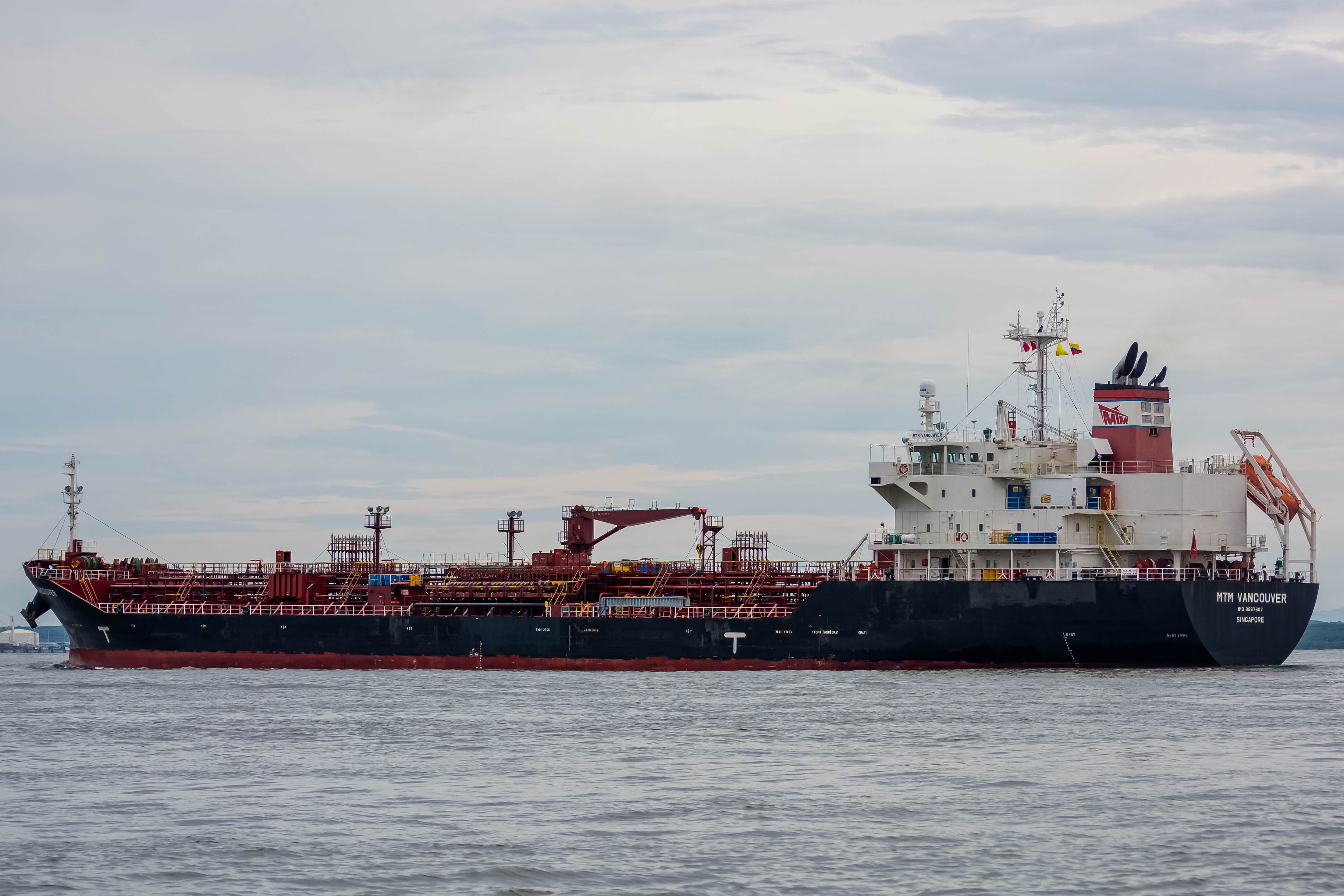
Reuters reported on November 3, 2026, that the Iran conflict was disrupting equipment deliveries and raising shipping, fuel, and security costs on Middle Eastern oil-service contracts. Where contracts pass these increases to operators, a fixed exploration budget funds less work, while equipment delays can postpone drilling and testing.
The Dallas Fed’s September 30, 2026, Energy Survey recorded a third-quarter input-cost index of 60.4 for oilfield-service firms and a finding and development cost index of 41.5 for exploration and production firms. The regional survey covered 125 firms, including 42 service providers. Both readings indicate that more firms reported cost increases than decreases from the second quarter; they measure the balance of responses, not the percentage increase in costs.
Contract Terms Determine the Cost of Exploration Work
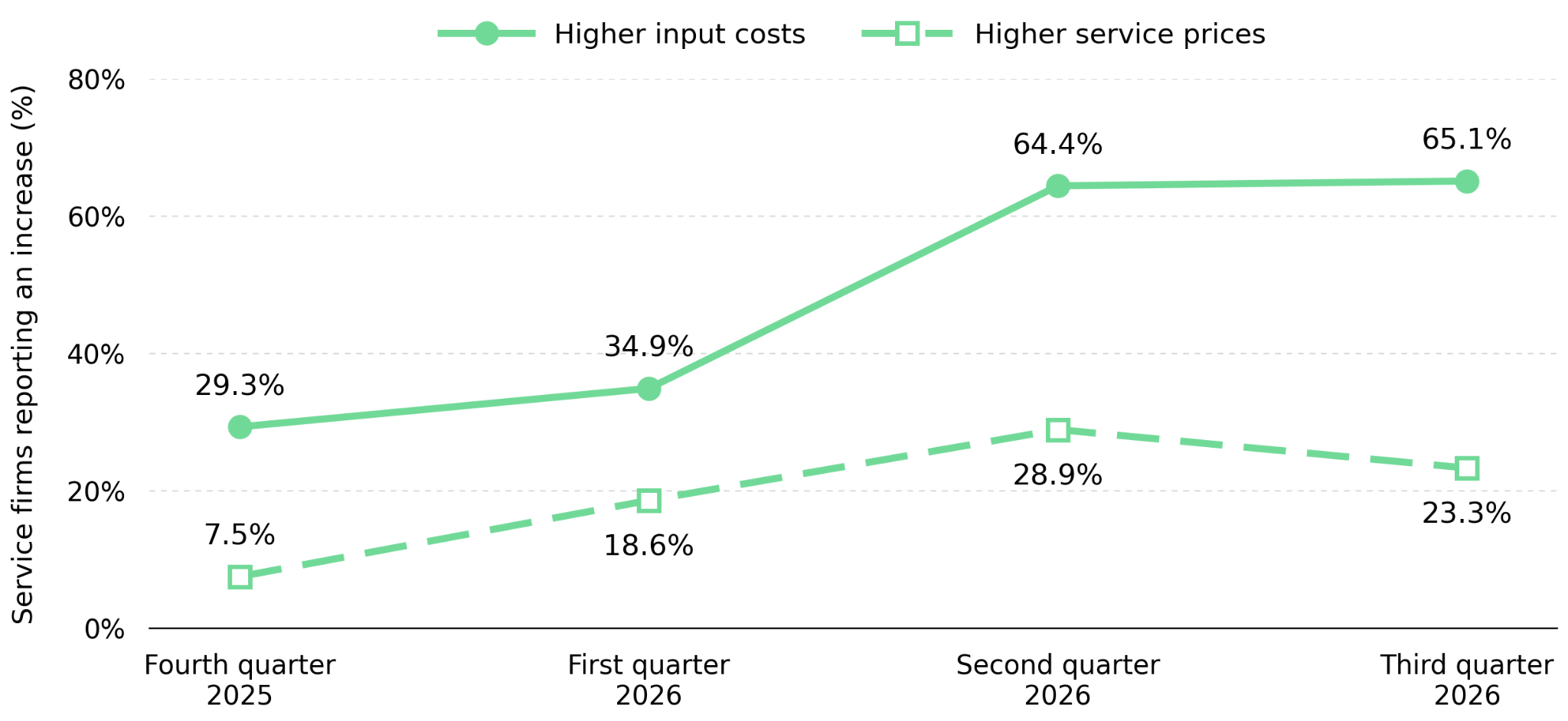
In the Dallas Fed survey, 65.1% of service firms reported higher input costs, while 23.3% reported higher prices charged to customers. More firms nevertheless reported wider operating margins than narrower margins, showing that rising costs did not produce a uniform margin squeeze. Reuters separately reported that some contractors were absorbing additional logistics expenses, limiting the increases passed to operators.
A drilling quotation may exclude moving equipment to the site, specialist crews, or preparing a well for production, leaving additional costs to fund. Equipment charges that continue during delays can increase the final bill without additional drilling. Comparisons should include the same services and delay charges to establish whether a lower quotation reduces total project spending.
Higher Drilling Costs Strengthen the Case for Targeted Evaluation
A discovery’s development depends on how much oil can be recovered, its production rate, and the cost of preparing wells and handling oil and any accompanying water. Seismic surveys and well tests can refine production and cost estimates before further capital is committed, helping explorers assess whether projected oil revenue could cover development and operating costs.
The Norwegian Offshore Directorate (NOD), in its Resource Report 2026, describes how improved seismic data and reanalysis of existing rock samples helped identify gas and condensate discoveries near Sleipner, an extensively explored offshore area. The report links better-mapped geology to lower exploration risk, illustrating how existing information can guide drilling decisions before further capital is committed.
Evaluating Existing Wells Clarifies Further Funding Needs
Evaluating existing wells can clarify production potential and the work needed before further drilling or development spending.
Dune Oil’s proposed brokered private placement of up to C$8.3 million would support well evaluation, drilling, and seismic work at its M47 oil block in Türkiye. The company said completing the financing would fund a 12-month work program and provide positive working capital, with proceeds also allocated to debt settlement and corporate needs. The October 30, 2026, update identified November 13 as the targeted closing date, subject to regulatory approvals.
Scott Lower, President, explains why well selection targets future revenue:
“Our goal is to get into cash flow and that's why we're focused on the C1 well.”
Aligned Funding Supports Exploration Work Programs
Closing a financing confirms the capital raised, while allocations to debt repayments, fees, and corporate expenses establish how much remains for fieldwork. Assessing the work program against those available proceeds shows which technical objectives the funding can support.
Matching funding to contractor payment dates helps secure equipment and crews for the planned schedule. A contingency allowance provides capacity to cover equipment delays or additional testing.
Issuing shares funds exploration while reducing existing shareholders’ ownership percentages. Warrants can provide further cash if exercised, while adding shares, so potential proceeds remain separate from funding already secured. The financial assessment should connect the technical progress funded with the ownership retained and the additional capital needed to reach production.
Regional Service Prices Determine Exploration Funding Needs
Regional differences in equipment availability, service demand, labor costs, and contract terms can produce different budgets for comparable exploration programs. Cost indexes are most useful when they reflect the project’s location and planned services, helping assess whether available funding covers the proposed work.
The US Bureau of Labor Statistics (BLS) Producer Price Index (PPI) for drilling oil and gas wells fell 1.35% from August to September 2026, without seasonal adjustment, according to data updated October 15. The index measures contractor selling prices, which can fall even while labor, fuel, or equipment costs rise. Estimating drilling costs in Türkiye therefore requires local quotations and project-specific operating assumptions.
Oil-Price Assumptions Determine Development Value
The Kansas City Fed’s third-quarter Energy Survey, published October 9, 2026, reported average oil-price requirements of US$64 per barrel for profitable drilling and US$85 per barrel for a substantial increase in drilling. The gap shows why a profitable drilling opportunity may still fall short of a company’s threshold for committing more capital. These averages describe respondents’ operations and cannot establish the oil price needed for profitable drilling in Türkiye.
A discovery’s economics depend on projected oil revenue, development costs, royalties, operating expenses, and when cash is spent or received. Net present value (NPV) converts projected net cash flows into today’s money using a specified discount rate, so revenue timing affects the valuation. Technical results strengthen the assessment when they refine estimates of recoverable oil, production rates, or the cost of preparing wells for production.
Sensitivity analysis tests how changes in oil prices, recoverable volumes, and costs affect NPV, including service costs that may change before construction or production. It can identify which assumptions most affect value and how much oil prices or recoverable volumes could fall, or costs rise, before NPV turns negative.
Constrained Oil Investment Increases the Value of Focused Exploration
The International Energy Agency’s (IEA) World Energy Investment 2026, released May 28, 2026, projected oil investment below US$500 billion for the year, a third consecutive annual decline despite higher oil prices. The report found that uncertainty about how long higher prices would last, long project lead times, supply-chain constraints, and tighter offshore rig markets were limiting additional near-term spending outside the Middle East.
Exploration can contribute to future oil supply by establishing which discoveries warrant development spending. Bringing that supply to market also requires funding that covers the work needed to start production.
The Investment Thesis for Oil
- Producers that retain cash after operating costs, taxes, royalties, and spending needed to sustain output can absorb higher service costs with less reliance on external financing.
- Developers with defined engineering plans, current contractor estimates, and clear permitting requirements provide a firmer basis for estimating development funding needs and the time to first revenue.
- Explorers can allocate drilling budgets more effectively when seismic surveys and well tests resolve uncertainties that determine where to drill or whether further spending is justified.
- Completed financing supports execution when disclosed uses of proceeds leave sufficient cash for planned fieldwork and an allowance for delays or higher service charges.
- Testing project economics against lower oil prices, lower recoverable volumes, and higher costs helps identify the conditions under which development remains financially viable.
Higher oilfield costs strengthen the case for focused exploration that clarifies a discovery’s commercial potential before larger development commitments are made. Aligning technical work with available funding allows explorers to use each stage of evaluation to guide subsequent spending. The broader opportunity lies in resource potential supported by evidence of how oil could be produced profitably across different price conditions, giving capital a clearer route from discovery to future cash flow.
TL;DR
Higher service expenses and longer delivery times make drilling priorities, contract terms, and funding schedules central to oil exploration planning. Seismic interpretation and well testing can clarify production potential before larger development commitments. Local contractor quotations remain essential because regional surveys do not establish individual project costs. Dune Oil’s proposed financing of up to C$8.3 million would support well evaluation, drilling, and seismic work in Türkiye, with completion intended to fund a 12-month program. The investment case centers on technical results that guide spending, funding aligned with planned work, and development economics tested across different oil-price, recovery, and cost assumptions.
FAQs (AI-Generated)
Analyst's Notes





Subscribe to Our Channel



Stay Informed


