




US Copper Imports Hit 12-Year High, Cutting LME Stocks 14% & Raising Delivery Premiums


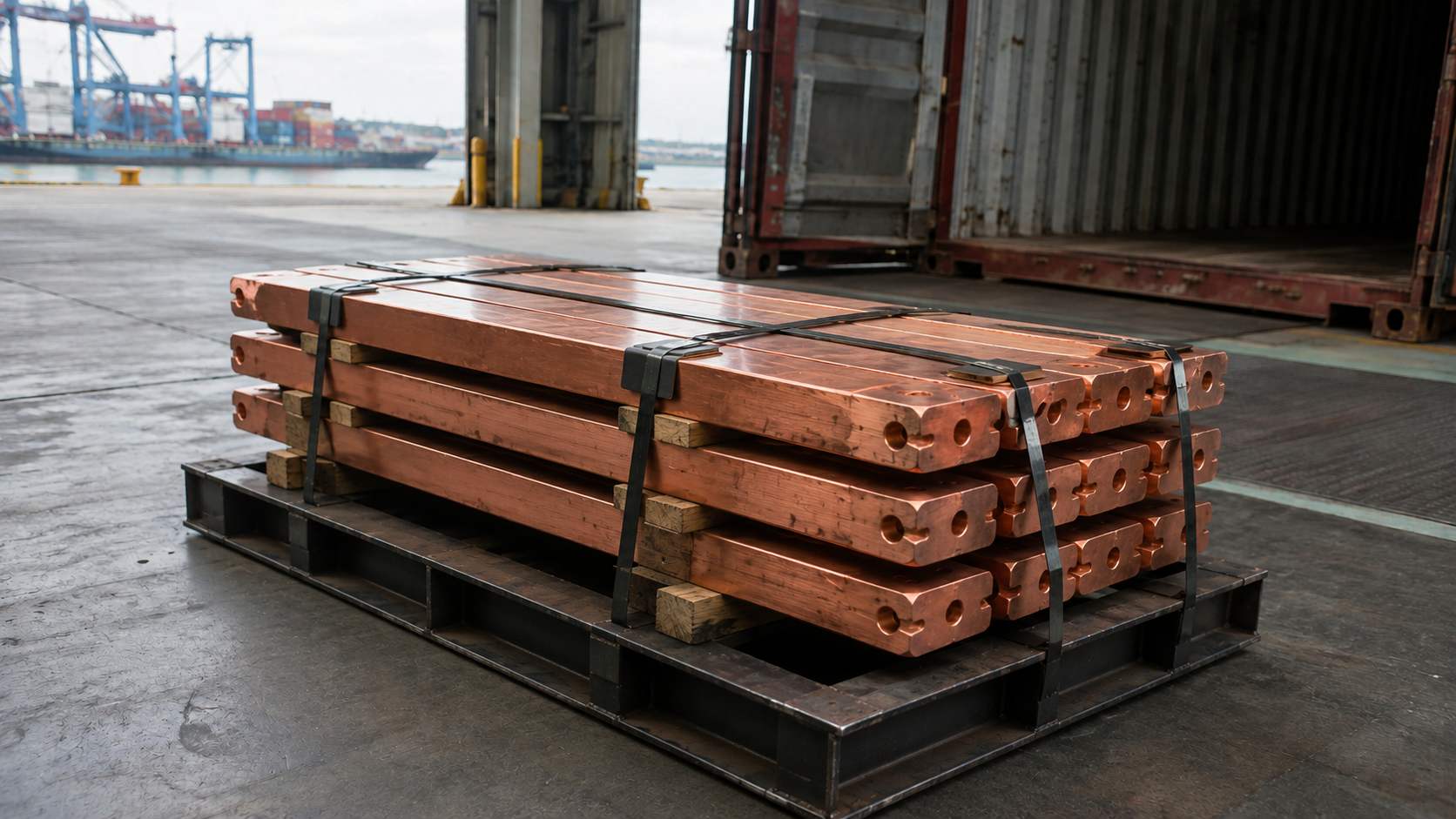
US copper imports hit a 12-year high, cutting LME stocks 14% as tariff uncertainty raises delivery premiums and reshapes global metal flows.
- Copper’s September Commodity Exchange (COMEX) contract hit a record $6.7140/lb on August 12, 2026, before falling below $6.55 on August 13 as tariff uncertainty drove pricing.
- As of August 14, 2026, the COMEX premium implied only a 14.6% chance that the recommended 15% refined copper tariff would take effect on January 1, 2027, leaving COMEX upside underpriced if imposed.
- US refined copper imports exceeded 200,000 metric tons in July 2026, a 12-year monthly high that pulled metal from London warehouses and tightened London Metal Exchange (LME) availability.
- The International Copper Study Group (ICSG) reported a 221,000-metric-ton refined copper surplus for the first five months of 2026, up from 117,000 metric tons a year earlier.
- A White House tariff exemption for refined copper would unwind the COMEX-London arbitrage and allow US-held metal to return to the global deliverable pool.
Tariff Uncertainty Drives Copper’s $6.7140 Reversal & 46% 12-Month Gain Limits the Bear Case
September COMEX copper hit a record $6.7140/lb on August 12, 2026, topping the August 5 peak of $6.7045 before retreating to $6.6335 that session. It fell below $6.55 the next day, its lowest level in more than a week, but remained up about 18% in 2026 and 46% over 12 months.
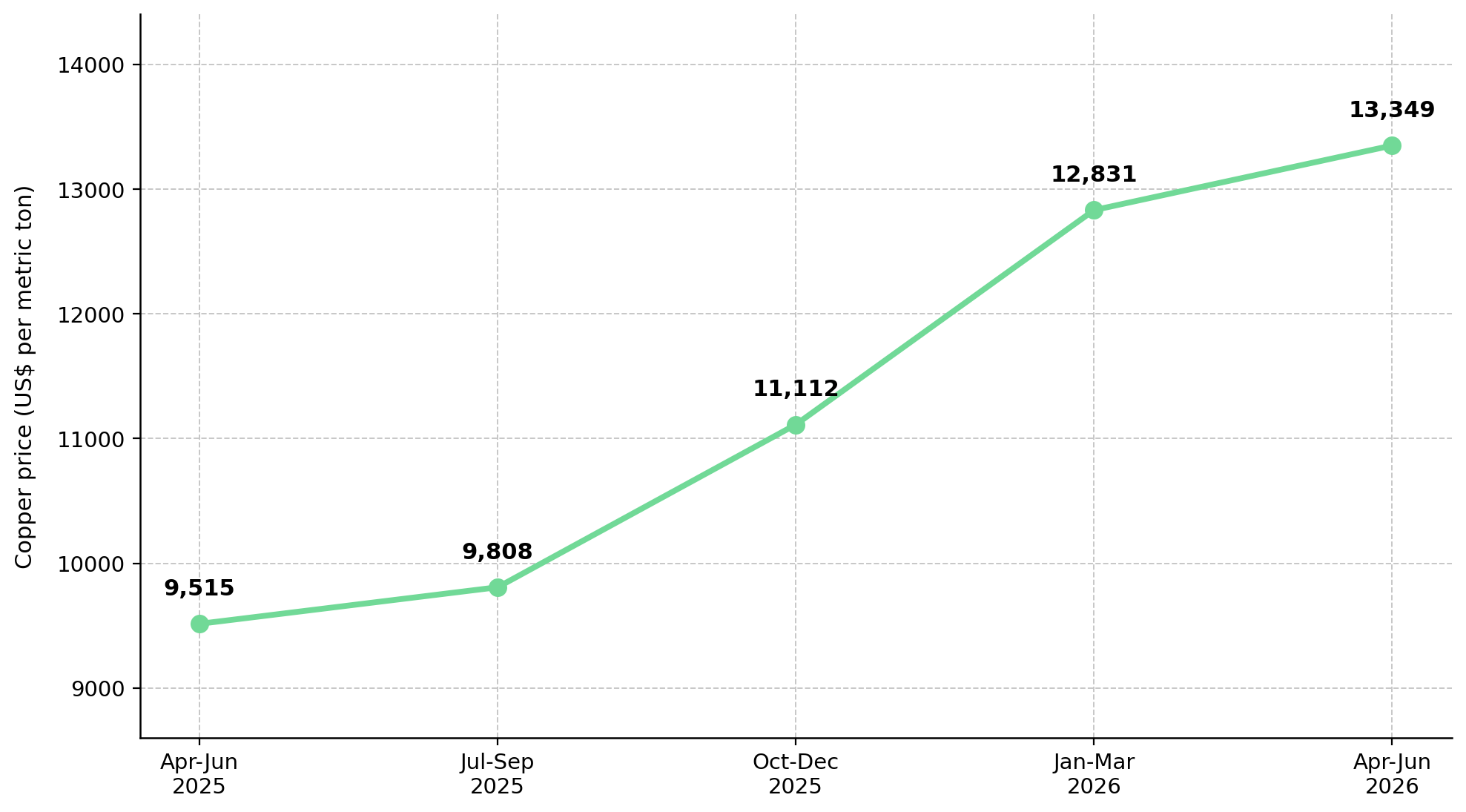
On August 11, 2026, LME cash copper settled at $14,424.50/metric ton, $207.50 above the three-month contract at $14,217. That backwardation widened from about $34/metric ton at the end of July, signaling a shortage of immediately deliverable copper rather than an annual supply deficit.
200,000-Ton US Import Surge Cuts LME Stocks 14% & Raises Immediate-Delivery Premiums
US refined copper imports exceeded 200,000 metric tons in July 2026, the highest monthly total in 12 years. By August 12, 2026, LME stocks had fallen 14%, or more than 35,000 metric tons, from the end of July to 214,550 metric tons. Moving copper into US warehouses reduced metal available to settle LME contracts, driving the $207.50/metric ton backwardation.
A 50% tariff already applies to US imports of semi-finished copper products, while the Department of Commerce has recommended a universal 15% tariff on refined copper from January 1, 2027, rising to 30% on January 1, 2028. Until the White House rules, tariff uncertainty gives traders an incentive to retain imported copper in domestic warehouses, limiting metal available to settle LME contracts.
0.4% Refined Output Growth Limits Supply Response & White House Ruling Sets COMEX Direction
The ICSG reported that global mine output fell 1.6% in the first five months of 2026 as production declined in Chile, the Democratic Republic of Congo, and Indonesia, limiting any near-term response to higher prices. Its April 23, 2026 forecast projected refined output growth of just 0.4% for 2026. Natalie Scott-Gray, Senior Metals Demand Strategist at StoneX, identified the overdue White House decision as the market’s main catalyst.
Base case: Confirming a 15% refined copper tariff for January 1, 2027 would accelerate pre-tariff flows into US warehouses, reduce non-US availability, and widen the COMEX premium, which reflected only a 14.6% implementation probability based on Societe Generale modeling.
Bear case: A White House exemption for refined copper, matching the July 31, 2025 decision, would unwind the COMEX-London arbitrage and allow US-held metal to return to the global deliverable pool.
Concentrate Scarcity Drives -$126.80/dmt Charges & Shifts Pricing Power to Sellers
Barrick Mining reported second-quarter 2026 copper all-in sustaining costs (AISC) of $3.95/lb, up 36% year over year, in its August 10, 2026 results. Copper near $6.56/lb on August 14 implied a $2.61/lb margin over AISC, limiting pressure from higher costs. S&P Global Market Intelligence estimated in April 2026 that modeled costs for more than 99% of copper output were below the 2026 consensus price.
Concentrate sellers gained pricing power as spot treatment and refining charges (TC/RCs), normally paid by miners to smelters, fell to about -$126.80 per dry metric ton by the end of June 2026 versus a $0 annual benchmark, forcing smelters to pay miners for feed. In July 2026, Antofagasta agreed spot-indexed concentrate sales with a guaranteed floor to some Chinese smelters, replacing fixed-benchmark pricing.
The White House missed the June 30, 2026 deadline and has not set a new ruling date, making tariff-timed positions difficult to manage. Concentrate sellers provide less policy-dependent exposure because negative TC/RCs support their pricing power regardless of the ruling.
Review the $34 Near-Term LME Price Gap Before Adjusting Copper Holdings
Deliverable scarcity outside the US supported copper prices on August 11, 2026, when LME stocks stood at 214,550 metric tons and backwardation reached $207.50/metric ton. Stocks below about 215,000 metric tons and backwardation above $150/metric ton would preserve pricing power for suppliers of immediately deliverable copper.
A White House exemption for refined copper would unwind the COMEX-London arbitrage. LME stocks rising above the 255,400 metric tons recorded at the end of July 2026 would confirm copper was returning to the deliverable pool and likely reduce the backwardation rewarding immediate supply.
The LME publishes warehouse stocks and prices each business day, while the ICSG updates the refined copper balance around the 21st of each month. Reassess near-term copper exposure if LME stocks exceed 255,400 metric tons or the cash-to-three-month spread falls toward $34/metric ton, as either move would show more copper is available for immediate delivery.
Analyst's Notes





Subscribe to Our Channel







Stay Informed


