




Rejected Iran Peace Offer Holds Brent $13 Above WTI, Favoring Refiners



Waterborne transport risk keeps US crude discounted, while $100-plus Gulf Coast diesel cracks strengthen refining margins and asset value.
- Trump rejected Iran's conditional offer to reopen the Strait of Hormuz on September 26, keeping the waterborne risk premium elevated as Brent rose 2.65% to $106.96 a barrel versus West Texas Intermediate (WTI) 1.69% rise to $94.10.
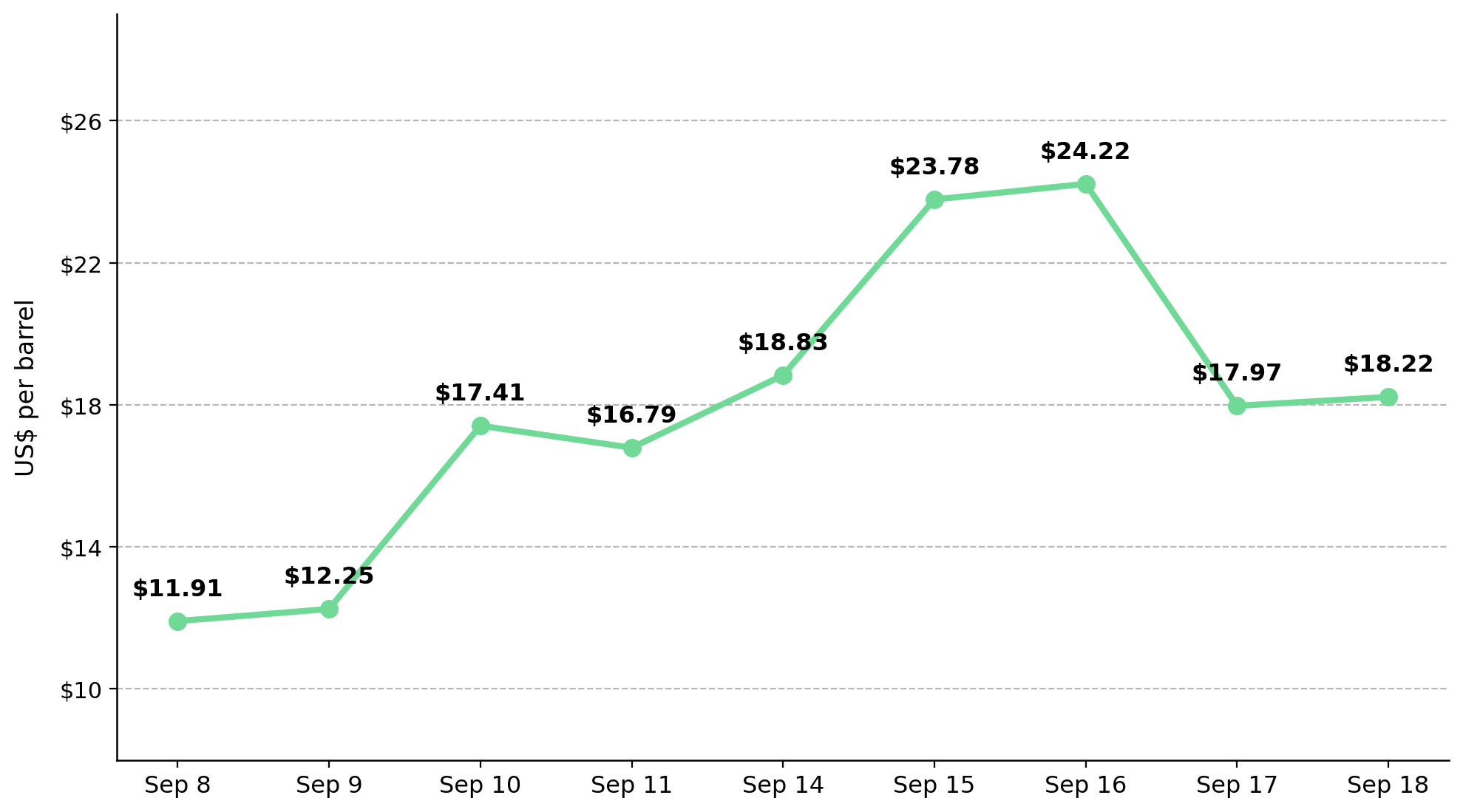
- The war premium remains concentrated in waterborne crude, with the Brent-WTI spread widening from $11.91 on September 8 to $24.22 on September 16.
- Brent remains above $100 into the fourth quarter, while a US diesel export restriction is the key downside risk after the prospect of a ban cut WTI 7.9% last week by threatening refinery runs and crude demand.
- Neither renewed US strikes, which could follow November's midterm elections, nor a diesel export restriction has a published schedule, leaving both risks difficult to time.
- A Brent-WTI spread below $6 would signal that the waterborne war premium has largely faded.
Rejected Iran Offer Lifts Brent Above $106
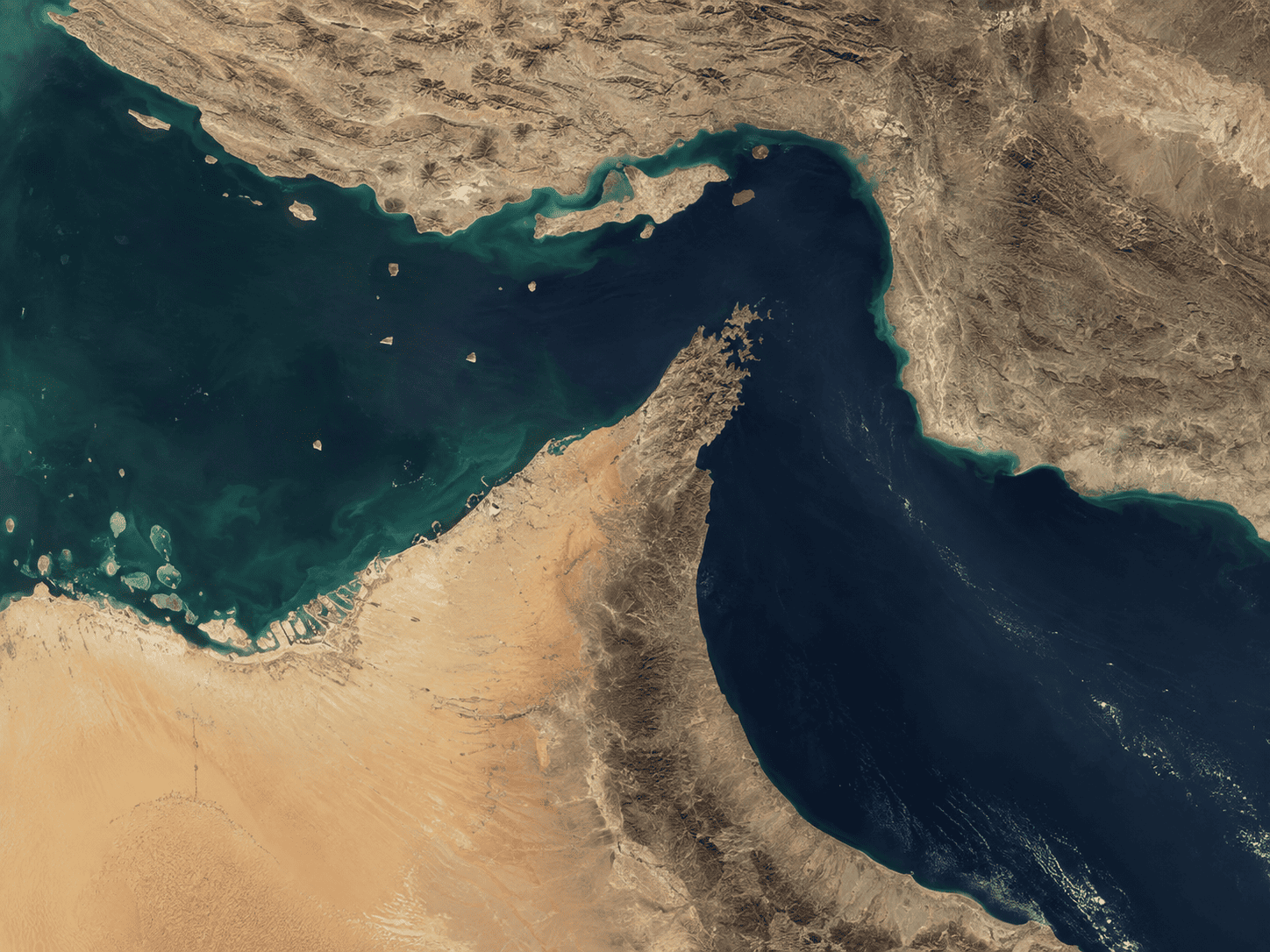
US President Donald Trump rejected Iran's conditional offer to reopen the Strait of Hormuz on Saturday, September 26, keeping uncertainty over waterborne supply elevated. WTI rose 1.69% to $94.10 a barrel, while Brent gained 2.65% to $106.96.
The Brent-WTI spread shows where the war premium is concentrated. Brent traded $12.86 above WTI, showing a larger premium on waterborne crude. US commercial crude stocks reached 426.4 million barrels, 2% above the five-year average, while distillate stocks fell to 107.4 million barrels, 12% below it, pointing to tighter refined-product supply rather than crude scarcity.
Shipping Constraints Widen Brent Premium Over WTI
The disruption remains concentrated in Middle East waterborne routes. Middle East crude exports rebounded to 12.8 million barrels per day, the highest since the war began, while Hormuz transits reached about 7.4 million barrels per day. Saudi Arabia supported the rebound by diverting cargoes from Yanbu to Ras Tanura after attacks damaged its East-West pipeline. Waterborne crude therefore trades at a war premium that pipeline-delivered US crude avoids.
US diesel policy is the second risk separating Brent from WTI. ANZ analysts said record US diesel prices are raising inflation risk and reviving debate over export restrictions. Retail on-highway diesel reached $6.529 per gallon, up from $4.578 in early July. Brent rose 0.4% last week while WTI fell 7.9% as the prospect of a diesel export ban threatened US refinery runs and crude demand.
Rejected Terms Delay Strait Reopening
Reopening the Strait of Hormuz depends on political agreement. Abbas Araghchi, Iranian Foreign Minister, told CNBC:
"If certain conditions are met, the Strait of Hormuz will be open at the end of seven days, and talks will be restarted."
Record Diesel Cracks Lift Gulf Coast Refining Margins
The Brent-WTI gap pressures US crude realizations while supporting Gulf Coast refining margins. US onshore producers sell against WTI, which trades $12.86 below Brent, while Gulf Coast refiners buy discounted US crude and sell diesel into a waterborne export market. The Gulf Coast ultra-low sulfur diesel (ULSD) crack spread reached $114.52 per barrel, up from an August average of $92.84.
Crude-sourcing flexibility determines which assets can avoid higher waterborne feedstock costs. Saudi Arabia demonstrated that flexibility by rerouting Yanbu volumes to Ras Tanura within weeks. US coastal refineries reliant on waterborne imports face higher feedstock costs than competitors supplied by pipeline crude.
Neither renewed US strikes nor a diesel export restriction has a published schedule, making both risks difficult to time. A US diesel export restriction could reduce refinery runs and pressure WTI, with last week’s 7.9% decline showing how quickly policy risk can move the benchmark.
Where Does Transport Risk Create Value
The conflict is repricing transport risk rather than US crude supply. US production held at 13.939 million barrels per day while commercial crude inventories remained 2% above the five-year average, keeping the premium concentrated in waterborne routes rather than barrels in the ground.
US Gulf Coast refiners with export-heavy distillate output benefit from discounted US crude and stronger waterborne product pricing. A discounted feedstock and a crack spread above $100 per barrel support refining margins and asset value because both depend on location and refinery configuration.
The contrarian opportunity lies in constrained transport and refining capacity. Prolonged Hormuz constraints can deter tanker and refining investment, tightening future capacity and supporting assets that can process discounted US crude.
Analyst's Notes





Subscribe to Our Channel






Stay Informed


