




Oil Shock Accelerates EV Adoption, Pulling Copper Demand Forward


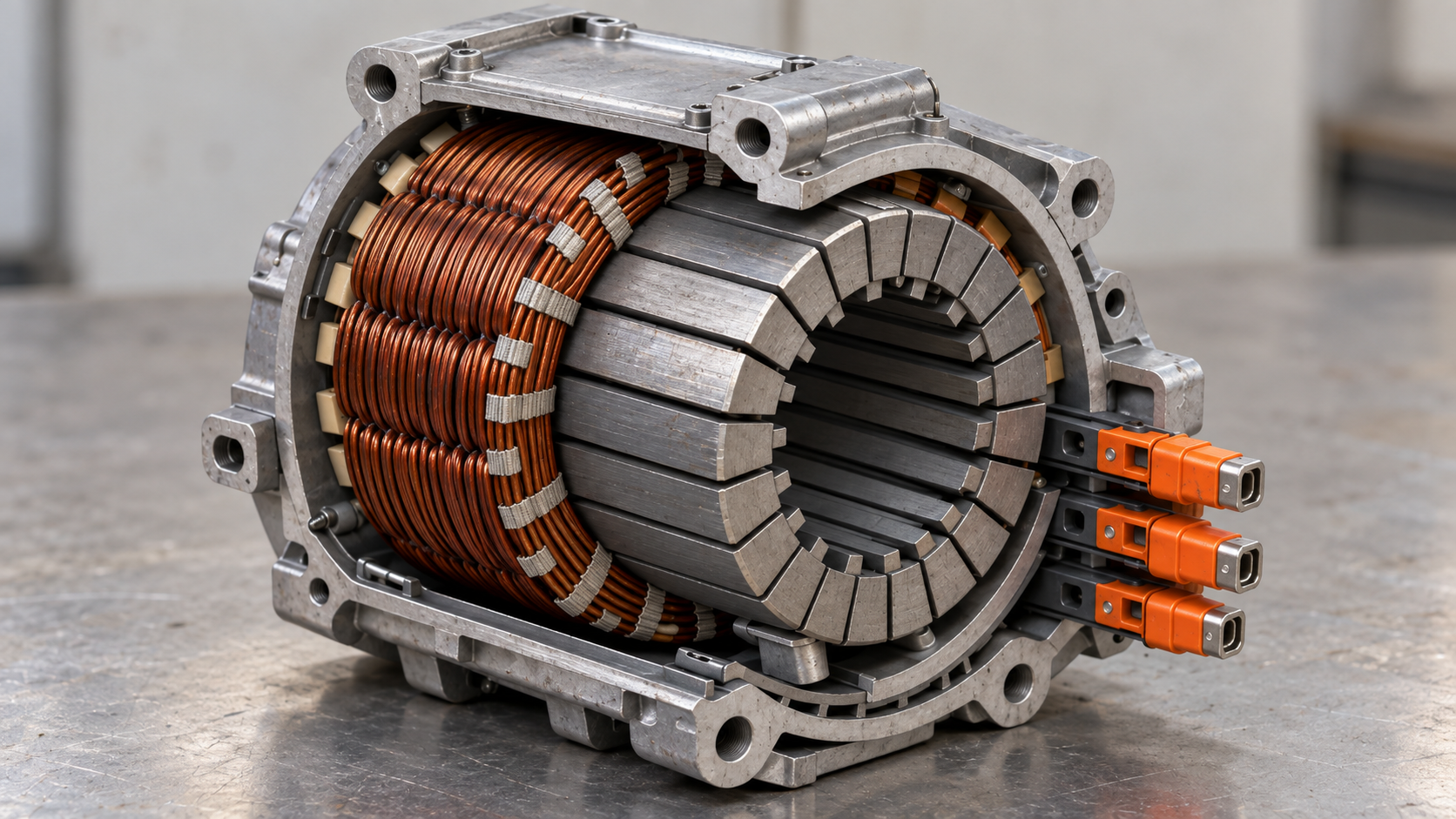
Higher fuel costs improve EV economics as Europe’s rising electric-car share increases the value of development-ready copper supply.
- Higher gasoline and diesel prices improve electric vehicle (EV) operating economics, potentially bringing copper demand forward.
- Battery electric vehicles (BEV) captured 21.7% of European Union (EU) new-car registrations during the first 8 months of 2026, up from 15.8% a year earlier.
- International Energy Agency (IEA) projects 23 million electric-car sales in 2026, while regional sales data show that adoption is not accelerating uniformly.
- Wood Mackenzie estimates that faster EV adoption would raise required annual copper mine-capacity additions from approximately 850,000 tonnes to 960,000 tonnes through 2040.
- Development-ready projects with recoverable resources and credible financing are positioned to respond if copper demand arrives earlier.
Fuel Inflation Improves EV Economics, Raising Copper Demand Potential
An oil shock can make EVs cheaper to operate than internal combustion engine (ICE) vehicles by raising gasoline and diesel costs. If purchase prices and charging costs remain competitive, more households and fleets may choose a BEV when replacing existing vehicles. Each additional BEV increases copper requirements across vehicle manufacturing, charging connections, and electricity-distribution equipment. The supply question is whether this demand arrives faster than copper mines can complete studies, permitting, financing, and construction.
Higher Pump Prices Widen the EV Operating-Cost Advantage
IEA placed Brent futures near US$105 per barrel on September 11, 2026, US$21 above early August and approximately 45% above pre-conflict levels. The report also recorded US diesel above US$200 per barrel in early September, approximately 94% above its pre-conflict level. These price increases widened the potential operating-cost advantage of EVs over ICE vehicles.
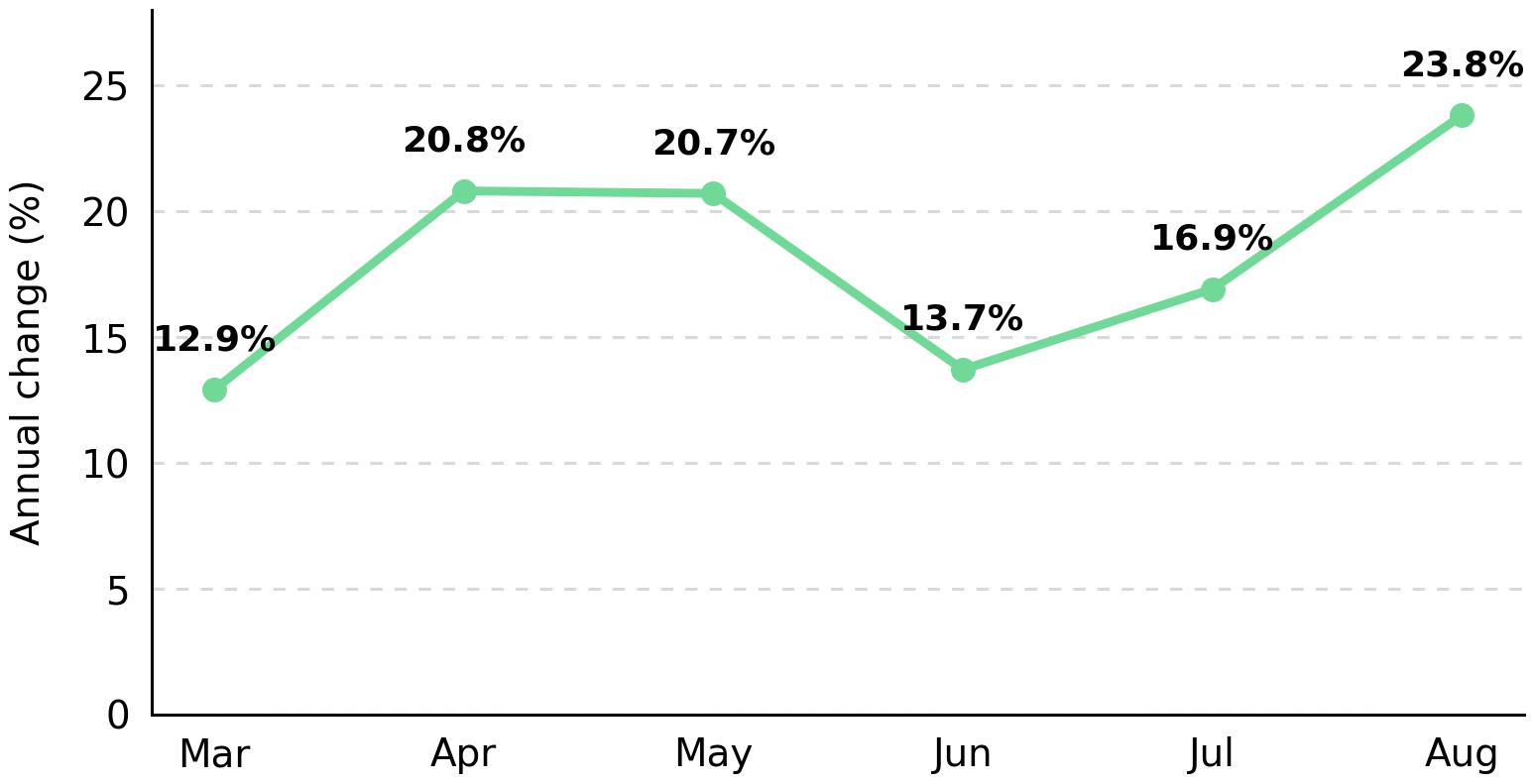
EU fuels and lubricants for personal transport cost 23.8% more in August 2026 than a year earlier. Diesel prices rose 8.3% from July, while gasoline prices increased 3.3%. Higher pump prices improve the operating-cost case for EVs when households and fleets make their next vehicle purchase.
Lower EV Prices Strengthen the Fuel-Cost Advantage
At average April 2026 oil prices, annual EU fuel-cost savings from driving an EV were 35% higher than in 2025. Global electric-car sales, including vehicle types beyond BEVs, are projected to reach 23 million in 2026, or 28% of total car sales, although order and delivery timelines delay the recorded response to an energy shock.
Average BEV prices fell by more than 10% in China, approximately 6% in Germany, and nearly 2% in the US during 2025. European BEVs carried an average purchase-price premium of approximately 20% over comparable ICE vehicles, while higher fuel savings help narrow the ownership-cost gap.
European EV Growth Raises Copper Demand Across Vehicles & Grids
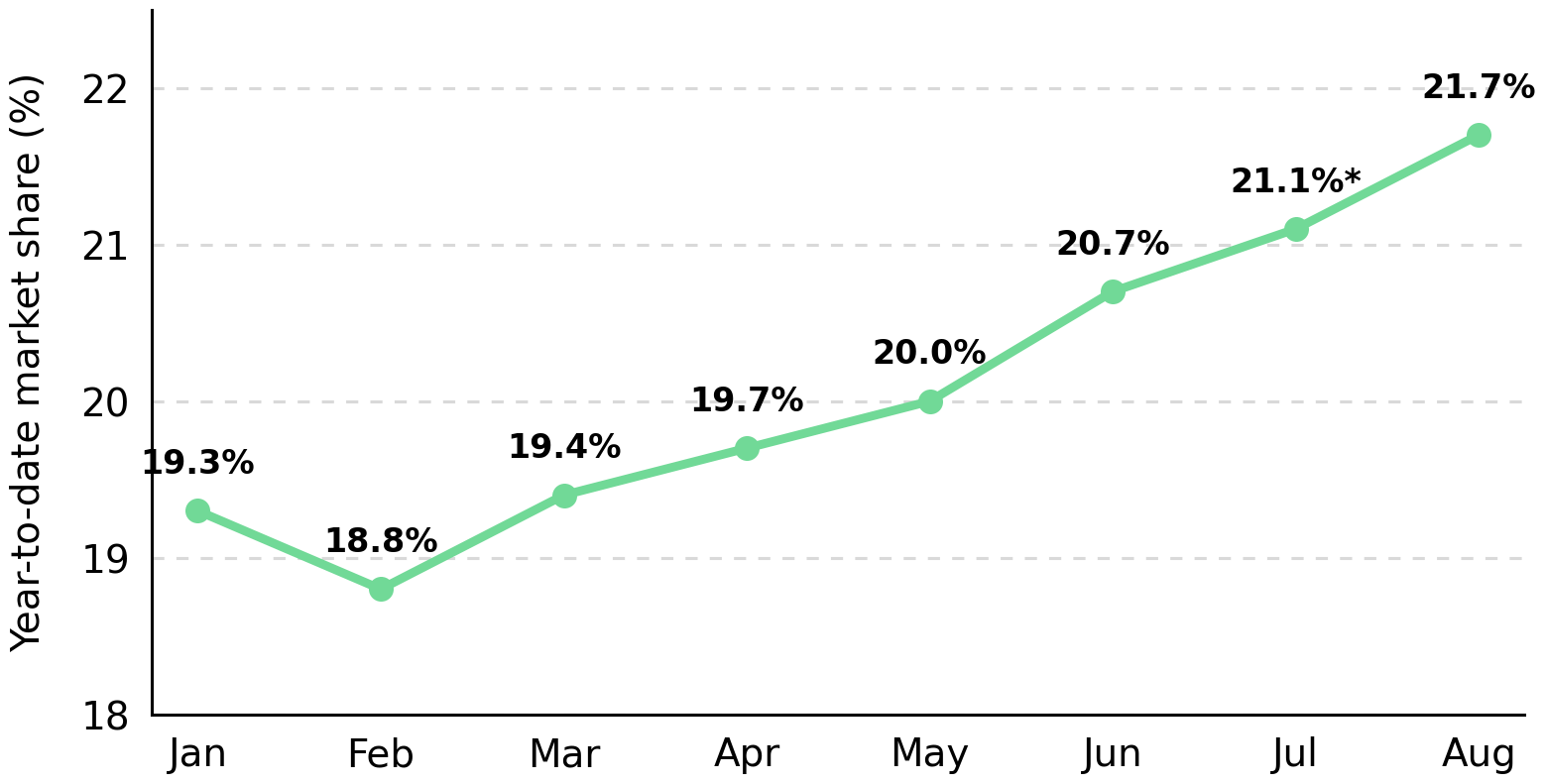
New EU BEV registrations reached 1,641,333 during the first 8 months of 2026, raising market share to 21.7% from 15.8% a year earlier. BEV registrations increased 74.2% in France, 53.1% in Germany, and 40.9% in Denmark, while gasoline and diesel registrations each declined 18.6%. As these BEVs enter service, they increase the need for charging connections and local electricity-network capacity, extending copper demand beyond vehicle manufacturing.
Worldwide BEV and plug-in hybrid sales reached 1.83 million units in August 2026, up 2% year over year. Sales rose 36% in Europe but declined 11% in China and 33% in North America, showing that policy and affordability shape regional adoption. Because the global total includes plug-in hybrids while the EU data cover BEVs only, the growth rates are not directly comparable. Europe’s 36% increase nevertheless provides a clear regional signal of vehicle-related copper demand.
Faster EV Adoption Raises the Copper Mine-Capacity Requirement
Vehicle manufacturers can adjust production schedules faster than miners can define resources, secure permits, and construct operations. If EV demand moves forward, copper supply must expand sooner, favoring projects with completed studies, approvals, and credible financing plans. A 2026 accelerated-adoption scenario based on sustained high oil prices, policy support, and lower EV costs would raise copper demand approximately 2% above baseline and require about US$25 billion of additional copper investment.
Project Readiness Shortens Timelines, Discoveries Expand Supply Potential
If copper demand arrives sooner, projects that are closer to construction and have room to grow are better positioned to supply the market. Permits and planned infrastructure can support initial production, while nearby discoveries can provide additional copper over time.
Marimaca Copper reported 216 meters grading 0.96% copper and 7.2 grams per tonne silver at Pampa Medina, including 62 meters at 2.20% copper and 21.5 grams per tonne silver. Step-out drilling extended the mineralized horizon 300 meters south and west, while continued lateral and vertical continuity strengthens the case for a larger copper-silver system that could complement the nearby Marimaca Oxide Deposit.
Higher Supply Requirements Favor Scalable Copper Projects
Under faster EV adoption, required annual copper mine-capacity additions between 2025 and 2040 would increase from a baseline of approximately 850,000 tonnes to 960,000 tonnes. A separate outlook projects approximately 7 million tonnes of additional copper demand through 2040. Drilling programs that define copper-system scale can therefore strengthen the pipeline of future development candidates.
Cobra Resources strengthened Manna Hill’s scale potential after Blue Rose drilling returned 23 meters grading 0.63% copper, including 12.4 meters at 1.01%. Mineralization extends beyond 300 meters, while follow-up drilling could define a larger copper system and strengthen the project’s future supply potential as electrification accelerates demand.
Sustained High Oil Prices Shape When EV-Related Copper Demand Arrives
The demand case requires elevated fuel costs to influence enough vehicle purchases while EVs remain affordable to buy and charge. A brief oil-price spike may improve operating-cost comparisons without producing a comparable increase in vehicle orders. Oil below approximately US$60 per barrel, slower EV price declines, and expensive charging would weaken the cost advantage that brings vehicle-related copper demand forward.
Copper supply cannot respond as quickly as vehicle demand because projects must advance through technical, financial, and regulatory steps. A slower EV transition would reduce incremental demand under the accelerated scenario without removing baseline copper requirements. Project assessments should therefore distinguish documented regional registration growth from modeled increases in global mine-capacity needs.
Existing Infrastructure Reduces Copper Construction Scope
Rising copper-demand forecasts increase the value of projects with existing processing facilities, roads, and power systems because usable infrastructure can reduce new construction requirements. Engineering confirms whether those assets remain suitable, while metallurgical recovery and reagent consumption determine how much copper-bearing material becomes saleable output.
Brownfield Facilities Narrow the Potential Restart Build
Brownfield copper assets can require less new construction than greenfield projects with comparable planned output, potentially shortening the path to production when engineering confirms inherited facilities remain suitable. Economic studies can then quantify how existing infrastructure affects restart capital, project returns, and exposure to commodity-price assumptions.
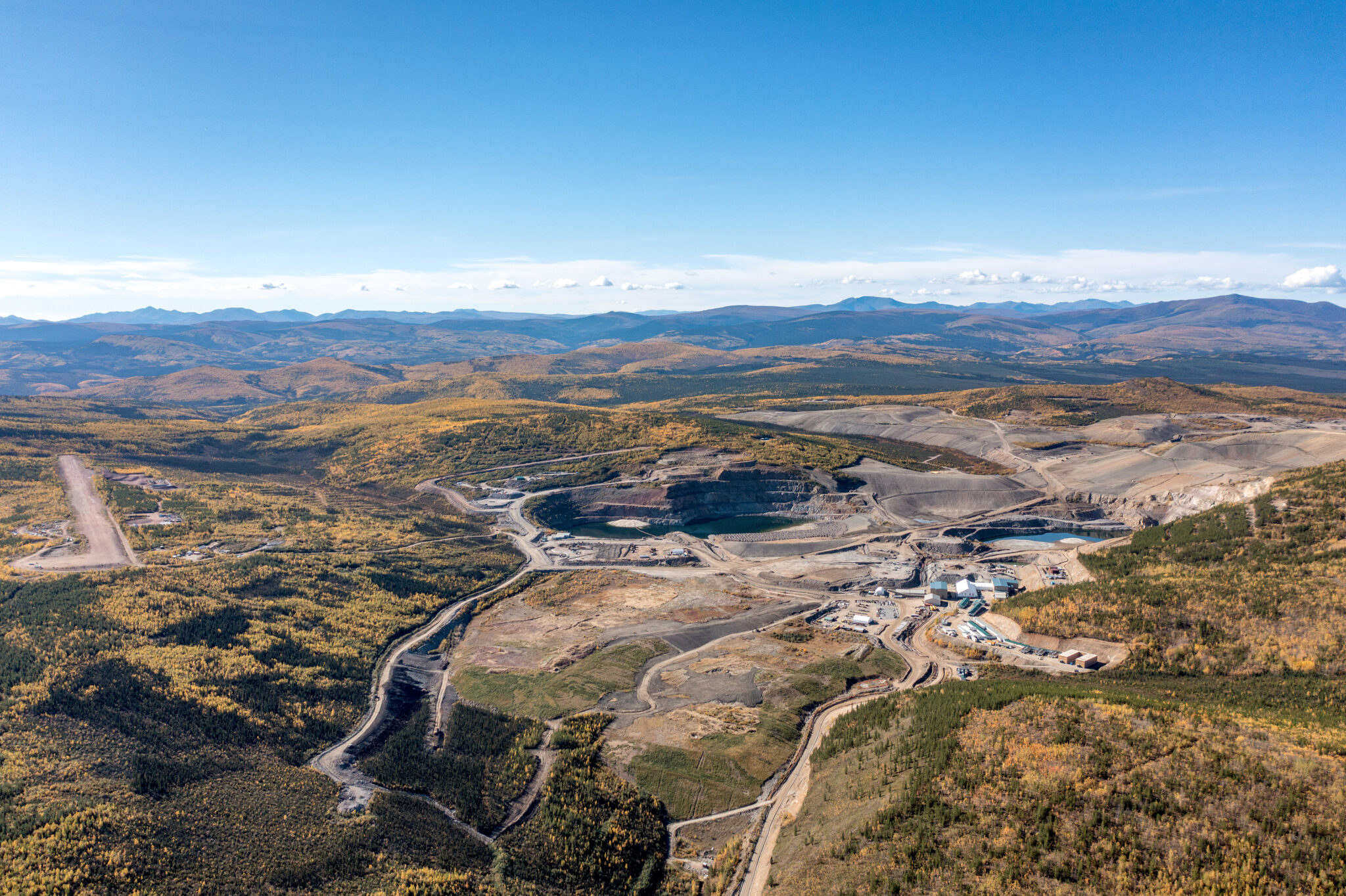
Selkirk Copper reported a preliminary economic assessment (PEA) for Minto outlining a 13-year mine life and peak annual production of 27,200 tonnes of copper equivalent. The study estimates an after-tax net present value at a 7% discount rate (NPV7%) of C$494 million, a 47.8% internal rate of return (IRR), and a 1.9-year payback. Existing infrastructure could reduce restart requirements, improve capital efficiency, and shorten the path to potential cash flow.
Colin Joudrie, President and Chief Executive Officer of Selkirk Copper, explains current demand for high-quality copper concentrate:
“This market is short of copper, and it’s very short on the quality of copper concentrates that we will produce. Thirty-eight percent copper is very rare in the marketplace, and we’re doing it on a timeline that allows them to envision the prices we’re seeing today for that production.”
Metallurgical Recovery Tests Saleable Copper Potential
For oxide mineralization, recovery rates and acid consumption determine saleable copper output and heap-leach processing costs. Small-scale tests establish initial metallurgical performance, while larger column tests assess recoveries at a more representative scale and strengthen the basis for future economic studies.
Fitzroy Minerals reported 21-day copper recoveries of up to 82.6% from mini-column tests at Buen Retiro, supporting the potential for heap leaching. Preliminary larger-column projections indicate 70-day recoveries of 74% to 95%, and confirmation at scale could reduce processing uncertainty and strengthen the project’s path toward economic development.
Merlin Marr-Johnson, Chief Executive Officer of Fitzroy Minerals, explains why copper supply struggles:
“Production growth within Chile, and in fact globally, is difficult. This is a very mature industry struggling to maintain production.”
Earlier Copper Demand Raises the Value of Exploration Drilling
Exploration expands the future project pipeline, with successive drilling building evidence of grade continuity and resource scale ahead of economic studies. Earlier copper demand increases the value of this pipeline because advancing discoveries can become future supply candidates as technical confidence grows.
Grade Continuity Improves Future Mine-Planning Evidence
High-grade copper-equivalent intervals strengthen a discovery’s future supply potential when follow-up drilling demonstrates mineralization continuity across a wider deposit. That continuity increases resource confidence and provides a firmer basis for resource expansion and mine planning.
Abitibi Metals reported 60.2 meters grading 1.25% copper equivalent at B26, including 9.2 meters at 3.72%. Up to three rigs are planned for resource definition and expansion through the remainder of 2026, supporting resource growth and future mine planning.
Multiple Drill Targets Expand the Future Project Pipeline
A multi-target drilling program broadens discovery potential by testing several possible copper sources within one campaign. Assay results and subsequent studies then guide capital toward the targets with the strongest potential for resource definition and future development.
Mogotes Metals plans up to 20,000 meters of drilling at Filo Sur and 50,000 meters at Beskauga, broadening its longer-term copper pipeline across three projects. Initial Beskauga assays targeted for the fourth quarter of 2026 and a PEA within 12 months provide defined catalysts toward economic evaluation, while planned Copper Cliff drilling adds further discovery potential once permitted.
Allen Sabet, Chief Executive Officer of Mogotes Metals, links higher copper prices to tighter supply:
“We’re in a much higher copper price environment, much scarcer in terms of supply.”
Long Mine Lead Times Raise the Value of Deliverable Copper
Oil-driven copper demand depends on the duration of fuel-price pressure and the pace at which projects become buildable. European registration growth shows BEVs taking a larger share of new vehicle sales, while accelerated mine-capacity requirements quantify the additional supply needed if adoption advances faster. Projects with nearer development schedules, usable infrastructure, tested recoveries, and well-defined resources are better positioned to contribute to that response.
Project readiness depends on the ability to complete the next decision point before vehicle and grid demand arrives. Permits, processing performance, and funding provide separate evidence of delivery timing and capital requirements. Even if oil prices normalize or EV affordability improves more slowly, execution quality remains important because baseline copper demand continues to support projects advancing through technical work.
The Investment Thesis for Copper
- Higher gasoline and diesel prices improve EV operating economics, creating a potential route for transport electrification to bring copper demand forward.
- Development-stage projects with approvals, completed studies, and credible financing plans have fewer steps remaining before construction.
- Brownfield assets with usable processing facilities, roads, and power systems may require less new construction than comparable greenfield projects, subject to updated engineering and permitting.
- Exploration-stage projects with confirmed grade continuity and funded drilling can build the resource inventory needed beyond nearer-term developments.
- Metallurgical recovery, reagent consumption, and capital requirements determine whether copper resources can become cost-competitive output.
- Capital discipline supports advancement across commodity cycles by reducing funding pressure and protecting development schedules.
Sustained higher fuel costs make EVs cheaper to run, pulling forward vehicle purchases and the copper demand that comes with them, ahead of current mine-supply timelines. Europe’s rising BEV share shows that vehicle demand is shifting, while regional differences make project readiness more important than reliance on a single global adoption forecast. Copper projects advancing approvals, infrastructure, metallurgy, resource definition, and financing are better positioned to convert earlier demand into timely supply, making execution quality the clearest measure of exposure to this macro trend.
TL;DR
Sustained high gasoline and diesel prices widen the operating-cost advantage of electric vehicles, pulling forward purchases and the copper they require across vehicles, charging connections, and electricity networks. Battery electric vehicles captured 21.7% of new European Union car registrations during the first eight months of 2026. Under faster adoption, required annual copper mine-capacity additions could rise from approximately 850,000 tonnes to 960,000 tonnes through 2040. Projects with advanced studies, approvals, infrastructure, tested recoveries, defined resources, and credible financing are better positioned to convert earlier demand into timely copper supply.
FAQs (AI-Generated)
Analyst's Notes





Subscribe to Our Channel















Stay Informed


