




US-Iran Deal Cuts Supply Risk, Sends Crude to Three-Month Lows & Supports Rate-Cut Expectations



US-Iran peace deal cuts oil supply risk, sending crude to three-month lows as markets reassess inflation, rates, and Gulf export recovery.
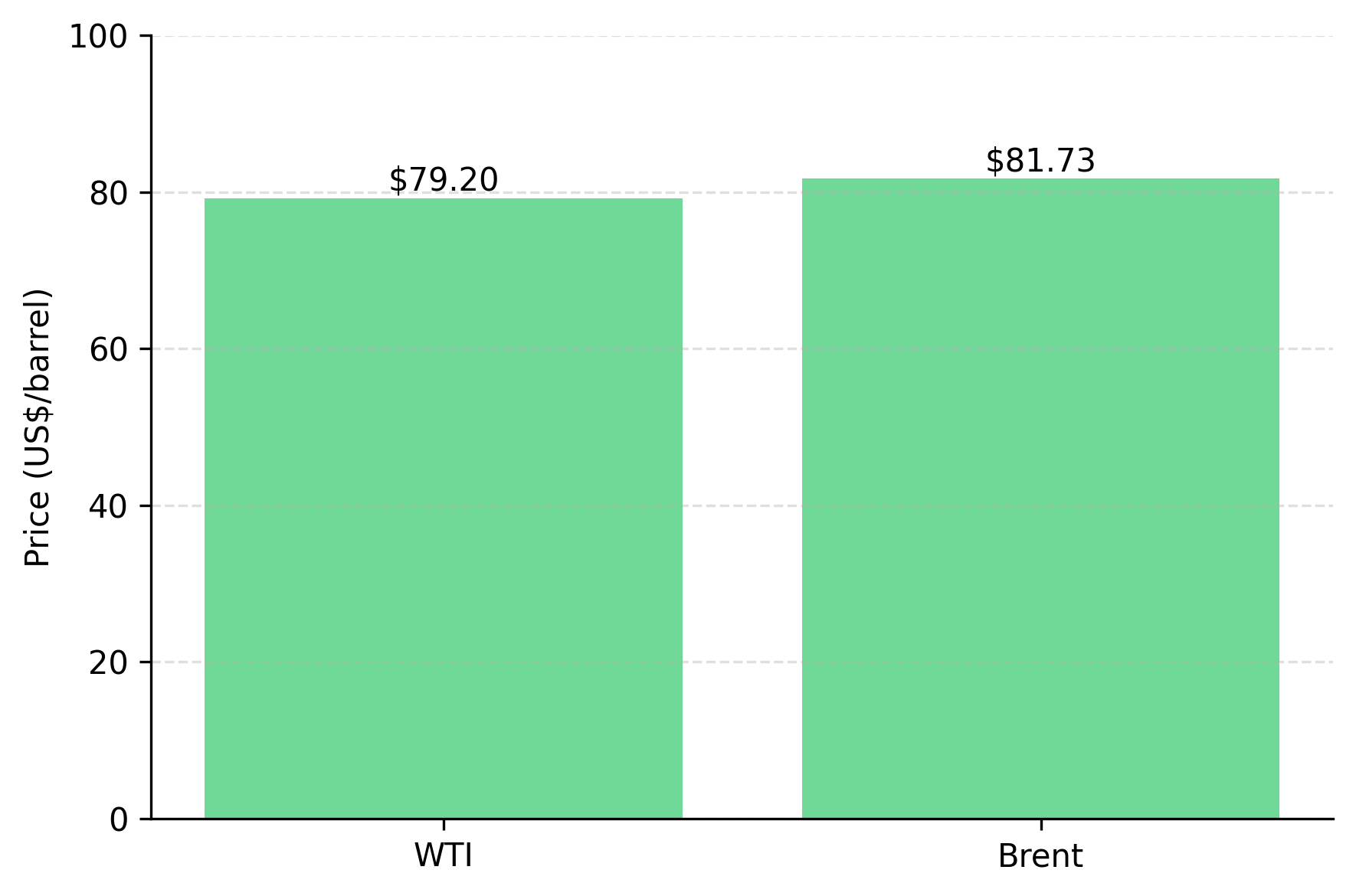
- On June 16, 2026, the US and Iran signed a preliminary peace memorandum, reducing perceived supply risk and pushing WTI crude down 1.9% to $79.20 and Brent down 1.7% to $81.73, both three-month lows.
- The interim deal extends the April ceasefire by 60 days and ties the reopening of the Strait of Hormuz to the removal of the US naval blockade on Iranian ports, creating a pathway for Gulf oil exports to resume.
- Goldman Sachs targets Brent near $80 by Q4 2026 if Gulf oil exports return to pre-war volumes by the end of July.
- DBS Bank's Suvro Sarkar says oil prices could rise again if ports and shipping lanes do not reopen simultaneously, delaying the return of Gulf oil exports.
- Iranian Foreign Minister Abbas Araghchi says any Israeli attack on Lebanon or continued Israeli presence on Lebanese territory would breach the deal, restore supply concerns, and push oil prices higher.
Hormuz Reopening Puts Gulf Oil Exports Back in Focus
On June 16, 2026, the US and Iran signed a preliminary peace memorandum that reduced perceived supply risk across energy markets. At the same time, the RBA held its cash rate at 4.35% while the BOJ raised rates to their highest level in 31 years, keeping interest-rate expectations in focus. Lower geopolitical risk pushed WTI down 1.9% to $79.20 and Brent down 1.7% to $81.73, both three-month lows, while the US Dollar Index fell to a 10-day low of 99.76.
The conflict disrupted a route that carries about 20% of global seaborne oil, raising supply risks and driving crude prices higher. The yen traded near 160.29 per dollar, the Australian dollar fell 0.3% to $0.7050, and three-year Australian bond yields rose 2 basis points to 4.457%, indicating that interest-rate expectations remain a key market driver alongside oil prices.
Interim Deal Leaves Oil Recovery at Risk
After the war began on February 28, Iran closed the Strait of Hormuz, a route that carries about 20% of global seaborne oil, and the US responded with a naval blockade of Iranian ports. The agreement first extends the ceasefire, then reopens the strait for mine clearance and removes the blockade, allowing oil shipments to resume. Oil prices also face pressure from weak demand after China's crude imports fell 29% in May to an eight-year low.
The agreement remains an interim memorandum rather than a final treaty, with the formal text scheduled for signing in Switzerland on Friday. Until the treaty is signed, renewed military action could delay the reopening of shipping routes and the return of oil exports.
Oil Price Path Drives Inflation & Rate Expectations
Lower oil prices do not immediately reverse inflation pressures already working through the economy. Harry Murphy Cruise of Oxford Economics Australia says higher energy, shipping, and agricultural costs are still feeding into consumer prices despite the recent decline in crude.
If the Strait of Hormuz reopens on schedule and Gulf exports return to pre-war volumes by the end of July, Goldman Sachs targets Brent at $80 by Q4 2026 and $75 in 2027. If delays prevent the reopening of shipping routes and ports, DBS Bank's Suvro Sarkar says oil prices could rise again within weeks, delaying inflation relief. Under that scenario, Australian swaps imply a 30% probability of a 16-basis-point rate hike in August.
BOJ Rate Gap Pressures Yen & Consumer Stocks
Yen exposure and rate-sensitive sectors remain the most vulnerable areas of the market. Kieran Williams of Intouch Capital Markets says the BOJ's 7-1 vote leaves a wide rate gap with the US, limiting support for the yen and increasing the likelihood of currency intervention. Australian housing and consumer stocks face weaker demand after Q1 growth slowed to 0.3% and unemployment reached a four-and-a-half-year high of 4.5%.
Matt Simpson of StoneX says the RBA's hawkish tone reflects a desire to preserve the impact of its last three rate hikes despite weak growth and employment data. The RBA's hawkish language does not necessarily signal another rate hike in the near term.
Markets have priced in a faster recovery in oil flows than conditions on the ground currently support, while the pace of future BOJ rate increases remains uncertain ahead of Deputy Governor Shinichi Uchida's briefing. Leverage increases exposure to both further gains and renewed losses as oil prices, currencies, and rate expectations remain volatile.
Oil & Dollar Markets Test the Ceasefire
WTI near $79.20 and the US Dollar Index at 99.76 depend on the 60-day ceasefire holding and the reopening of the Strait of Hormuz remaining on track. If those conditions hold, importers and transport stocks benefit from lower energy costs, while weaker inflation pressure supports expectations for future rate cuts.
Iranian Foreign Minister Abbas Araghchi says any Israeli military escalation in Lebanon would breach the interim deal. A breach of the deal could raise oil prices, delay inflation relief, reduce expectations for rate cuts, and support the US dollar.
Fed and Bank of England guidance will indicate whether policymakers still see inflation risks despite the decline in oil prices. Friday's Geneva talks will show whether shipping routes and ports are reopening on schedule. Brent holding below $80 a barrel would indicate that oil supply is returning to the market, while a rebound above pre-deal levels would signal renewed supply concerns.
Analyst's Notes





Subscribe to Our Channel





Stay Informed


